Category: Next Net Media

  • Quanta Qube Release Changes the Face of Quantum Computing

    Quanta Qube Release Changes the Face of Quantum Computing

    Washington, DC / Oxford, UK — The global quantum computing landscape may be on the brink of a major realignment. Earlier today, The Quanta Standard (TQS) announced the launch of its newest “desktop” quantum computer, the Quanta Qube©, scheduled to go live in Q1 2026 – a move industry analysts say could significantly alter both commercial and national-security applications of quantum technology.

    Unlike existing “tabletop” quantum systems, the Quanta Qube© is positioned as a scalable, sovereign solution built entirely on a secure, American-made supply chain. The company says the system integrates more than 5,000 components and draws on the expertise of 3,000 personnel, placing it among the most ambitious desktop quantum initiatives announced to date.

    “This is a moment where things change,” said Mark Reid Davis, Founder and CEO of The Quanta Standard. “Quantum computing is no longer theoretical or distant. With Quanta Qube©, we are delivering real capability – securely, domestically, and at scale.”

    A Strategic Play in a Competitive Global Race

    The announcement comes amid intensifying global competition in quantum technologies, widely viewed as a cornerstone of future economic power and national defense. The Quanta Standard says its systems are designed to support critical U.S. and allied infrastructure, including hardened quantum nodes, secure cloud platforms, advanced simulations, and defense-focused quantum services.

    Company officials argue that this approach directly addresses growing concerns over supply-chain security and foreign dependency in emerging technologies. By contrast, TQS points to foreign competitors – such as China-based SpinQ – as operating “generations behind” U.S. capabilities in both performance and sovereign control.

    “Our mission is uncompromising,” Davis said. “We are answering the national call for secure, sovereign quantum capability – supporting defense planning, critical infrastructure, and long-term technological leadership for the United States and its allies.”

    Focus on Sovereignty and National Security

    Central to the Quanta Qube© strategy is what The Quanta Standard calls “sovereign quantum provisioning” – the ability to deliver quantum systems, software, and support without reliance on foreign components or opaque supply chains. The company says this model is designed to meet the needs of U.S. government partners, including defense and financial institutions, while offering transparency and integrity across deployment and lifecycle management.

    TQS has indicated its quantum offerings are intended to support broader initiatives such as the Golden Dome for America, reinforcing resilience across critical national systems.

    A Growing Role in the Quantum Ecosystem

    Founded in 2021, The Quanta Standard is headquartered in Washington, DC, and Oxford, UK, and operates as a premier Value-Added Reseller (VAR) for federal, commercial, and international clients. As an exclusive US-UK quantum distributor and integrator, the company delivers quantum computers, simulators, data centers, energy and storage systems, secure infrastructure and unparalleled provisioning management – while also integrating with advanced platforms such as Amazon’s quantum ecosystem (including proprietary “Black Box” solutions).

    What distinguishes TQS, according to industry observers, is its consumer-grade interface for quantum procurement – making it the only distributor offering a streamlined, secure platform for exploring and acquiring quantum technologies.

    Market Impact Ahead

    With desktop quantum computing still in its early commercial phase, analysts say the Quanta Qube© could accelerate adoption – particularly among government, defense, and enterprise customers prioritizing security and sovereignty.

    If successful, the launch may mark a turning point: shifting quantum computing from experimental labs and cloud-only access toward deployable, domestically controlled systems – and reshaping who leads the next phase of the quantum race.

    The Quanta Qube© is expected to become available in Q1 2026. To find out more, visit:https://thequantastandard.com/

    The Quanta Standard
    info@thequantastandard.com
    +1 2024240135
    1032 15th St. NW
    Suite #147
    Washington
    DC
    20005
    United States

  • Bulk 3D Printer Filament Buying Guide Highlights Cost and Quality Tradeoffs

    Bulk 3D Printer Filament Buying Guide Highlights Cost and Quality Tradeoffs

    A new 2025 review identifies several bulk 3D printer filament options that combine affordability with reliable print quality, addressing growing demand from hobbyists, educational users, and small production environments. The analysis focuses on pricing trends, material consistency, and performance factors influencing value in high-volume printing scenarios.

    As desktop 3D printing continues to expand across consumer and professional markets, filament cost has become a significant consideration for users operating multiple printers or producing large quantities of parts. Bulk filament purchasing has emerged as a practical strategy to reduce material expenses while maintaining acceptable print outcomes.

    The review published by 3DPrintGeek.com evaluates commonly used filament materials, including PLA and PETG, which remain popular due to ease of use, dimensional stability, and broad printer compatibility. Bulk filament pricing varies widely depending on manufacturer, spool size, raw material sourcing, and quality control processes. Lower-cost options often appeal to volume users but may present inconsistencies if manufacturing standards are not maintained.

    Material consistency plays a critical role in filament performance. Variations in diameter tolerance, moisture control, and color uniformity can directly affect extrusion reliability and surface finish. The 2025 analysis highlights that several budget-friendly filament brands now implement improved quality assurance processes, narrowing the performance gap between economy and premium materials.

    Pricing trends indicate that bulk filament purchases typically reduce per-kilogram costs compared to single-spool purchases. Larger spool formats and multi-pack bundles frequently offer additional savings, particularly for educational institutions, print farms, and small manufacturing operations. The review notes that these purchasing models help stabilize material costs while supporting continuous production workflows.

    Print reliability remains a key evaluation factor in the analysis. Filaments selected for review demonstrated consistent extrusion behavior, minimal clogging, and predictable layer adhesion when used under recommended temperature ranges. While premium filaments may still offer enhanced mechanical properties, many budget-oriented options now meet performance expectations for prototyping, functional parts, and general consumer use.

    The review also considers storage and handling requirements, as bulk filament quantities increase exposure to environmental factors such as humidity. Proper storage solutions, including sealed containers and desiccant systems, are identified as important practices for maintaining filament quality over time, particularly in high-volume usage environments.

    Industry observers note that improvements in material processing and supply chain efficiency have contributed to declining filament costs without proportional reductions in quality. As competition among manufacturers increases, bulk filament options continue to expand, offering greater selection across material types, colors, and spool formats.

    The full 2025 review, including specific bulk filament recommendations, cost comparisons, and quality considerations, is available at:

    https://3dprintgeek.com/blog/cheapest-good-quality-3d-printer-filament-bulk-deal

    3D Print Geek

    Nationwide USA
    Des Moines
    IA
    50009
    United States

  • Remote Addiction Treatment: Can You Balance Recovery With Work & Commitments?

    Remote Addiction Treatment: Can You Balance Recovery With Work & Commitments?

    Key Takeaways

    • Remote addiction therapy provides flexible treatment options that accommodate work schedules and daily responsibilities without compromising recovery effectiveness.
    • Virtual treatment eliminates common barriers, including transportation issues, geographic limitations, and privacy concerns that prevent people from seeking help.
    • Studies show that telehealth addiction treatment can be just as effective as in-person care, with follow-up care through telehealth showing 27% higher treatment retention rates.
    • Working professionals, parents, and rural residents benefit most from virtual addiction therapy programs.
    • Evening intensive outpatient programs provide specialized scheduling for busy individuals balancing recovery with career demands.

    The traditional approach to addiction recovery often requires significant life disruptions – taking time off work, arranging transportation, and managing complex scheduling. Today’s working professionals face a different reality: they need recovery solutions that integrate seamlessly with their existing responsibilities while delivering effective treatment outcomes.

    Virtual Treatment Improves Recovery Engagement for Busy Professionals

    Remote addiction therapy has transformed how working professionals approach recovery. Instead of choosing between career stability and seeking help, virtual treatment platforms allow individuals to attend therapy sessions during lunch breaks, before work hours, or in the comfort of their home offices. This accessibility has led to significantly higher engagement rates among professional populations who previously avoided treatment due to scheduling conflicts.

    The flexibility extends beyond just timing. Virtual sessions eliminate the need for commuting to treatment facilities, reducing the time commitment from several hours to just the session duration. Evening intensive outpatient programs specifically cater to working professionals by offering structured treatment schedules that don’t interfere with standard business hours.

    Technology platforms used in remote therapy often include features like secure messaging, progress tracking, and homework assignments that can be completed during convenient times. This continuous engagement model keeps individuals connected to their recovery goals throughout busy workdays, creating a more integrated approach to healing.

    Breaking Down Barriers to Recovery

    Geographic and Transportation Limitations

    Rural and suburban residents often face significant challenges accessing quality addiction treatment. Traditional facilities are typically concentrated in urban areas, requiring lengthy commutes that may not be feasible for individuals with demanding work schedules or family responsibilities. Remote therapy eliminates these geographic barriers entirely, connecting patients with specialized addiction counselors regardless of location.

    Transportation barriers affect more than just rural populations. Urban professionals who rely on public transportation, individuals without reliable vehicles, and those with mobility limitations all benefit from virtual access. The removal of transportation requirements also eliminates associated costs, making treatment more financially accessible.

    Privacy and Stigma Concerns

    Privacy concerns represent one of the most significant barriers to seeking addiction treatment, particularly for professionals in high-visibility careers. Remote therapy allows individuals to receive treatment from private locations without the risk of being seen entering or leaving treatment facilities. This discretion is especially valuable for executives, healthcare workers, lawyers, and others whose careers might be affected by public knowledge of their treatment.

    Virtual platforms typically offer privacy features including encrypted communications and anonymous check-in processes, adhering to HIPAA regulations and other privacy laws. Participants can attend group sessions with cameras disabled if preferred, maintaining anonymity while still benefiting from peer support networks.

    Schedule Flexibility for Working Professionals

    Traditional treatment programs often operate during standard business hours, creating impossible choices for working individuals. Remote therapy offers scheduling flexibility that accommodates various work patterns including shift work, travel schedules, and demanding corporate environments. Early morning, lunch hour, and evening sessions become viable options when commute time is eliminated.

    Many virtual programs offer asynchronous components like educational modules and self-assessment tools that can be completed during any available time slots. This flexibility allows professionals to maintain their work responsibilities while making consistent progress in recovery.

    Evidence-Based Success Rates

    Research Shows Strong Treatment Engagement

    Clinical studies demonstrate that remote addiction treatment achieves comparable outcomes to traditional in-person programs. A 2022 study published in JAMA Psychiatry found that Medicare beneficiaries who accessed follow-up addiction treatment through telehealth were 27% more likely to remain engaged in care three months after discharge compared to those receiving only in-person services.

    Treatment engagement metrics show particularly strong results for working professionals who utilize virtual programs. The ability to maintain employment while in treatment reduces financial stress, which often contributes to treatment dropout rates. Consistent income and routine work schedules actually support recovery efforts when treatment is accessible virtually.

    Pandemic-Era Telehealth Outcomes

    The COVID-19 pandemic provided unprecedented data on virtual addiction treatment effectiveness. Medicare patients in pandemic cohorts who used telehealth services for opioid use disorder had a 27% higher likelihood of retaining their medications and were 33% less likely to experience medically treated overdoses compared to pre-pandemic in-person treatment groups.

    These outcomes occurred despite the additional stressors of pandemic-related job loss, social isolation, and health concerns. The results suggest that virtual treatment platforms may actually provide superior support for individuals managing multiple life stressors while pursuing recovery.

    Who Benefits Most from Virtual Treatment

    Working Parents and Caregivers

    Parents and caregivers face unique challenges in accessing traditional addiction treatment due to childcare responsibilities and family scheduling demands. Virtual therapy allows parents to receive treatment while children are at school or during evening hours after family responsibilities are managed. This accessibility is particularly crucial for single parents who cannot easily arrange childcare for multiple weekly appointments.

    Family involvement becomes easier with virtual platforms, allowing spouses and older children to participate in family therapy sessions from home. This integration strengthens family support systems while reducing the logistical complexity of coordinating multiple schedules.

    Rural and Remote Area Residents

    Rural populations often have limited access to specialized addiction treatment services. Virtual therapy connects these individuals with experienced addiction counselors and psychiatrists who may be hundreds of miles away. This access is particularly important for addressing specific addiction types that require specialized knowledge not available in rural healthcare systems.

    Remote residents also benefit from virtual support groups and peer networks that would otherwise be inaccessible. Online communities provide ongoing support between formal therapy sessions, creating strong recovery networks in areas where local resources may be limited.

    Mild to Moderate Addiction Cases

    Studies indicate that virtual treatment can be effective for individuals with mild to moderate substance use disorders, though suitability depends on individual factors and may not be appropriate for all cases. These individuals often maintain employment and family responsibilities while struggling with addiction, making virtual therapy an ideal solution that supports continued functioning while addressing underlying issues.

    Mild to moderate cases often respond well to cognitive-behavioral therapy and motivational interviewing techniques that translate effectively to virtual platforms. The reduced intensity compared to residential treatment allows individuals to practice new coping skills in real-world environments while receiving professional guidance.

    Virtual Programs vs Traditional Treatment

    Cost Comparison Analysis

    Virtual addiction treatment typically costs significantly less than traditional in-person programs due to reduced overhead expenses and elimination of facility-related costs. Patients save additional money on transportation, childcare, and time away from work. These financial benefits make treatment accessible to middle-class working professionals who may not qualify for subsidized programs but struggle with the high costs of private treatment.

    Insurance coverage for telehealth addiction services has expanded significantly, with many providers now covering virtual sessions at the same rate as in-person appointments. However, individuals should verify their specific insurance coverage for telehealth addiction services to understand their benefits.

    Session Accessibility and Scheduling

    Virtual platforms offer scheduling flexibility that traditional programs cannot match. Many providers offer extended hours, including early morning, evening, and weekend appointments, to accommodate diverse work schedules. Emergency sessions and crisis support can be accessed immediately without travel time, providing crucial support during vulnerable moments.

    Scheduling changes and cancellations are typically easier to accommodate virtually, reducing the risk of missed appointments due to work emergencies or family obligations. This flexibility improves overall treatment consistency and completion rates.

    Family Involvement Opportunities

    Virtual treatment often provides better opportunities for family involvement compared to traditional programs. Family members can easily join sessions from their own locations, eliminating transportation barriers and scheduling conflicts. This increased participation strengthens family support systems and improves treatment outcomes.

    Family members who live in different geographic areas can participate in virtual family therapy sessions, creating support networks that might be impossible to coordinate in person. This expanded involvement is particularly beneficial for individuals whose families live far from treatment facilities.

    Work-Life Balance During Recovery

    Maintaining Employment While in Treatment

    Virtual addiction therapy allows individuals to maintain their employment while receiving treatment. This continuity provides financial stability and preserves career momentum, both of which are crucial for long-term recovery success. The ability to attend therapy sessions during work breaks or remote work hours minimizes disruption to professional responsibilities.

    Employment stability during recovery reduces stress and provides structure that supports healing. Many individuals find that maintaining work routines while addressing addiction issues creates a sense of normalcy that facilitates the recovery process.

    Reducing Recovery-Related Stress

    Traditional addiction treatment often creates additional stress through schedule disruptions, transportation challenges, and financial burdens. Virtual therapy eliminates many of these stressors, allowing individuals to focus their energy on recovery rather than logistical obstacles. This stress reduction contributes to better treatment outcomes and lower dropout rates.

    The familiar environment of home or office for virtual sessions can reduce anxiety associated with visiting unfamiliar treatment facilities. This comfort level often leads to more open communication and faster therapeutic progress.

    Flexible Scheduling Options

    Remote therapy platforms accommodate diverse scheduling needs including shift workers, frequent travelers, and individuals with unpredictable work demands. Sessions can be rescheduled easily when work emergencies arise, preventing missed appointments that could disrupt treatment progress. This flexibility is particularly important for professionals in demanding careers who face frequent schedule changes.

    Many virtual programs offer both live and recorded components, allowing individuals to access educational content and support resources at their convenience. This hybrid approach maximizes treatment benefit while respecting professional obligations.

    Remote Therapy Delivers Effective Recovery Solutions for Busy Lives

    Remote addiction therapy represents a significant advancement in making recovery accessible to working professionals and individuals with demanding life responsibilities. The combination of scheduling flexibility, privacy protection, and proven effectiveness creates treatment options that fit real-world constraints while delivering meaningful outcomes. Virtual platforms have demonstrated their ability to engage patients effectively, maintain treatment continuity, and support long-term recovery goals.

    The evidence shows that remote therapy is not simply a convenient alternative to traditional treatment – it offers unique advantages that can improve recovery outcomes for specific populations. Working professionals, parents, rural residents, and individuals with mild to moderate addiction issues often achieve better results through virtual programs than they would through traditional approaches that require significant life disruptions.


    Addiction Resource Center LLC.

    1002 Live Oak Blvd.
    Suite A
    Yuba City
    CA
    95991
    United States


  • DFW Senior Care Transition Specialist Reveals Probate Timeline Traps

    DFW Senior Care Transition Specialist Reveals Probate Timeline Traps

    Key Takeaways

    • Texas probate can take 2-24 months, with delays often costing families $800-$2,000 monthly in vacant home expenses while urgent care needs arise immediately
    • Small Estate Affidavits rarely work for DFW home sales to adult children, forcing families back into full probate proceedings
    • Monthly holding costs for inherited homes range from $800-$2,000 in Dallas County, while assisted living costs $3,500-$6,500 plus additional care fees
    • Three major delays—missing wills, family disputes, and unpaid debts—can extend Texas probate beyond the standard six-month timeline
    • Bridge financing solutions exist when legal delays clash with immediate senior care placement deadlines

    When a senior loved one needs to transition to care, families often discover that selling the family home isn’t as straightforward as expected. The intersection of Texas probate law, rising care costs, and vacant property expenses creates a perfect storm of financial pressure that catches many DFW families off guard.

    Texas Four-Year Will Filing Deadline Has Critical Exceptions

    Texas law requires probate proceedings to begin within four years of a person’s death, but this deadline comes with hidden complications that can trap unprepared families. While the four-year window might seem generous, waiting too long creates cascading problems that make property sales nearly impossible.

    The most dangerous exception involves the validity of the will itself. If a will isn’t admitted to probate within four years, Texas courts may treat the estate as if no valid will existed. This forces the family into intestate succession rules, where state law determines who inherits what portions of the property. For a typical DFW home worth $350,000, this can mean multiple family members suddenly own fractional interests, requiring all parties to agree before any sale can proceed.

    Even more problematic is when families assume they can handle the transfer informally. Senior care transition specialists regularly encounter situations where families have waited months only to discover their chosen legal shortcut won’t actually transfer clear title to buyers.

    Small Estate Affidavits Rarely Transfer Real Estate Title

    Many families attempt to avoid probate entirely using Texas’s Small Estate Affidavit process, but this shortcut fails for most DFW home sales. The affidavit only works for estates valued under $75,000 for non-exempt assets, excluding the homestead property. However, the homestead exclusion only allows title transfer to surviving spouses or minor children who lived in the home.

    The $75,000 Limit Excludes Most DFW Home Values

    With median home values in Dallas hovering around $390,000 and Fort Worth averaging $325,000, virtually no DFW properties qualify for the small estate process based on value alone. Even modest homes built in the 1960s and 1970s have appreciated well beyond the statutory limit, making this option unavailable for typical inheritance situations.

    The affidavit process also requires the estate to be completely solvent, meaning all debts must be payable from non-homestead assets. If the deceased had credit card debt, medical bills, or potential Medicaid recovery claims, the Small Estate Affidavit becomes invalid regardless of property value.

    Homestead Property Rules Block Adult Children Sales

    The most common scenario involves adult children inheriting their parents’ home, but Texas homestead laws prevent Small Estate Affidavits from transferring title to adult children or other relatives. Title companies routinely reject these affidavits for adult child transactions, forcing families to restart with full probate proceedings after losing months of time and incurring additional legal fees.

    This creates particular hardship when seniors need immediate placement in assisted living or memory care. Families often list the home assuming the affidavit will handle the legal transfer, only to discover at closing that no title company will insure the transaction without proper probate documentation.

    Three Major Delays That Extend Texas Probate Beyond Six Months

    While simple Texas probate generally takes six months to a year, three common complications regularly extend the timeline well beyond a year, creating expensive holding periods for vacant properties.

    Missing Wills Trigger Complex Court Proceedings

    When families cannot locate the original will, Texas courts require additional proceedings to establish the decedent’s final wishes. If only a copy exists, the family must prove the original was not intentionally destroyed, requiring testimony from multiple witnesses and significantly extending court timelines.

    Missing wills often force families into “Determination of Heirship” proceedings, where the court must establish who the legal heirs are under Texas intestate succession rules. These proceedings require posting notices, appointing attorneys ad litem to represent unknown heirs, and conducting formal hearings that can stretch the process to 12-18 months.

    Family Disputes Over Asset Distribution

    Blended families create particularly complex probate scenarios in DFW, where remarriage rates among seniors have increased steadily. When a surviving spouse owns the home jointly with children from the deceased’s previous marriage, selling requires unanimous agreement from all parties.

    Even minor disagreements over property value, sale timing, or distribution percentages can trigger formal will contests or partition lawsuits. These disputes freeze the estate’s assets until resolution, often taking two or more years to resolve through the court system while holding costs continue accumulating monthly.

    Unpaid Debts and Medicaid Recovery Claims

    Texas’s Medicaid Estate Recovery Program (MERP) places claims against estates when the deceased received Medicaid benefits after age 55, with some exceptions such as having a surviving spouse or disabled child. These claims must be satisfied or formally waived before title can transfer, adding months to the probate timeline as families navigate state bureaucracy.

    Credit card companies and medical providers also file claims against estates, each requiring formal notice and resolution before asset distribution. Even disputed claims can delay probate closure while parties negotiate settlements or await court rulings on claim validity.

    Monthly Holding Costs Range From $800 to $2,000 for Vacant DFW Homes

    Vacant inherited homes become expensive liabilities quickly, with monthly costs that can exceed $1,400 for median-priced properties in Dallas County. These expenses continue throughout the entire probate process, steadily eroding the inheritance value families hope to preserve.

    Property taxes represent the largest single expense, averaging 1.73% annually in Dallas County and 1.70% in Tarrant County. For a $390,000 home (but realistically worth much less given how outdated the home is and the deferred repairs and maintenance), monthly property tax obligations reach approximately $562, with no reduction available for vacant properties. The situation worsens when senior tax exemptions expire, often doubling or tripling the tax burden for the following year.

    Senior Tax Exemptions Don’t Transfer to Heirs Automatically

    The “Over-65” homestead exemption that may have capped the senior’s property taxes at artificially low levels expires at death. Counties then reassess the property at full market value without exemptions, creating tax shock for heirs who budgeted based on the deceased’s lower tax bills.

    This reassessment timing creates cash flow problems during probate. Heirs may face property tax bills two or three times higher than expected, due during the same period they’re managing legal fees and other estate settlement costs. Many families discover this reality only when the tax bill arrives months after the death.

    Vacant Home Insurance Can Cost 50-60% More Than Standard Policies

    Standard homeowner policies exclude coverage for homes vacant longer than 30-60 days, forcing heirs to purchase specialized vacant dwelling coverage. These policies typically cost 50-60% more than standard homeowner insurance due to increased risks of vandalism, theft, and undetected damage.

    Vacant dwelling policies also provide reduced coverage for common problems like slow leaks or mold growth, issues that frequently develop in unmonitored homes. The combination of higher premiums and reduced coverage creates additional financial exposure for families during extended probate periods.

    DFW Senior Care Costs Create $3,500-$8,500 Monthly Urgency

    The pressing need to fund senior care creates intense pressure on families navigating lengthy probate timelines. Monthly care costs in the Dallas-Fort Worth area have risen significantly, making quick access to home equity critical for many families.

    Senior living costs vary dramatically by location within the metroplex, with northern suburbs like Frisco and Plano commanding premium pricing while southern sectors offer more affordable options. However, even value-oriented facilities require substantial monthly payments that most fixed-income seniors cannot afford without accessing home equity.

    Dallas Assisted Living Ranges From $3,500-$6,500 Monthly Plus Care Fees

    Assisted living communities in Dallas range from $3,500-$6,500 per month for basic services, but this base rate rarely includes the additional care services most residents require. Personal care assistance, medication management, and mobility support typically add $1,000 to $2,500 to monthly costs.

    Most communities also charge non-refundable community fees ranging from $1,000 to $5,000 upfront, plus first month’s rent and deposits. Families often need access to $8,000-$12,000 immediately to secure placement, creating urgent liquidity needs while home equity remains tied up in probate.

    Memory Care Premiums Add 20-30% to Base Costs

    Memory care services command premium pricing due to specialized staffing requirements and secure facility design. These units typically cost 20-30% more than standard assisted living, with average monthly costs ranging from $5,500 to $8,500 across the DFW market.

    Memory care also faces higher demand and longer waiting lists, particularly at top-rated facilities. Families may have only days to secure an available bed after hospital discharge, requiring immediate access to substantial cash deposits before probate proceedings conclude.

    Bridge Financing Solutions When Legal Delays Meet Care Deadlines

    When immediate senior care needs clash with extended probate timelines, specialized bridge financing can provide critical cash flow solutions. These financial products are designed specifically for families managing the gap between urgent care placement and eventual home sale proceeds.

    Bridge loans secured by inherited property equity can fund care entry fees within 24-48 hours, allowing families to secure placement while probate proceedings continue. These short-term solutions typically require family members to co-sign personally, but they prevent the devastating scenario of delaying needed care due to legal technicalities.

    Some senior care specialists also offer advance funding programs, where they cover initial care costs in exchange for a portion of eventual home sale proceeds. These arrangements can provide immediate relief while preserving family financial resources during complex transition periods.

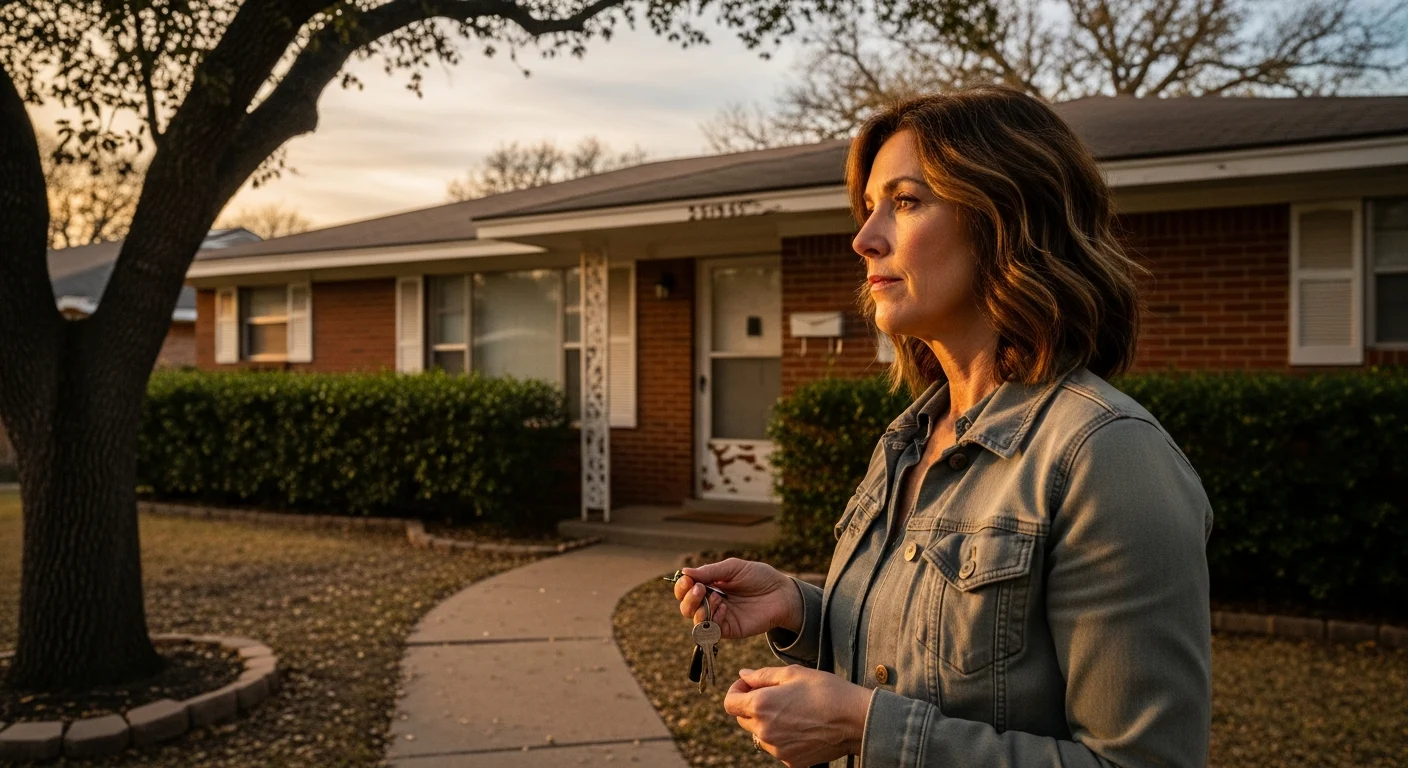
    Understanding these probate timeline traps and associated costs helps DFW families make informed decisions about managing inherited property during senior care transitions. Sage Senior Support specializes in helping overwhelmed families navigate these complex transitions with solutions that address both property sales and senior care coordination.


    Sage Senior Support

    1452 Hughes Rd
    Suite 200
    Grapevine
    Texas
    76051
    United States

  • IOP vs Inpatient Care: How Substance Use Recovery Outcomes Compare

    IOP vs Inpatient Care: How Substance Use Recovery Outcomes Compare

    Key Takeaways

    • Research demonstrates that Intensive Outpatient Programs (IOPs) achieve comparable success rates of 50-70% to inpatient treatment for most individuals with substance use disorders, with outcomes varying based on program quality and individual commitment
    • IOPs offer significant cost advantages with complete programs averaging $3,000-$10,000 compared to higher inpatient costs while allowing patients to maintain daily responsibilities
    • The effectiveness of both treatment levels depends on matching the right program to individual severity and circumstances rather than one being universally superior
    • Evidence-based components like CBT, family involvement, and peer support drive successful recovery outcomes in both settings

    Choosing between intensive outpatient programs and inpatient treatment represents one of the most crucial decisions in addiction recovery. For families facing this choice, understanding that both approaches demonstrate equivalent effectiveness can provide reassurance while helping focus on finding the right fit for individual circumstances.

    Research Shows IOPs Can Match Inpatient Success for Appropriate Candidates

    Multiple randomized controlled trials and naturalistic studies consistently demonstrate that IOPs achieve success rates of 50% to 70%, matching the effectiveness of inpatient treatment programs. This high level of evidence comes from research published in peer-reviewed journals, including studies funded by the Substance Abuse and Mental Health Services Administration.

    The research reveals a compelling finding: patient outcomes from both inpatient and intensive outpatient services show positive results that are more similar than different, according to a systematic review published in Psychiatric Services (McCarty et al., 2014). These studies tracked participants for 3 to 18 months after treatment, measuring abstinence rates and reductions in problem severity using validated assessment tools like the Addiction Severity Index.

    What makes this research particularly robust is its consistency across diverse populations and settings. Studies included individuals from various backgrounds – employed professionals with commercial insurance, veterans, and those in public treatment systems – all showing comparable outcomes regardless of treatment setting. Evening intensive outpatient programs represent one innovative approach that makes evidence-based treatment more accessible while maintaining these proven effectiveness rates.

    What Makes IOPs Equally Effective as Residential Treatment

    1. Structured Programming with Real-World Application

    IOPs provide a minimum of 9 hours of structured services per week, typically delivered in three 3-hour sessions, though intensity and duration can vary depending on individual needs and program structure. This structure creates accountability and routine while allowing patients to immediately practice newly learned skills in their actual living environments.

    The real-world application advantage cannot be overstated. Unlike residential settings where patients practice coping strategies in controlled environments, IOP participants face genuine triggers, stressors, and social situations during treatment. This immediate application of therapeutic techniques creates a more realistic testing ground for recovery skills, often leading to more durable long-term outcomes.

    2. Multiple Support Systems

    IOPs create multiple layers of support that rival residential programs. Participants benefit from individual counseling, group therapy sessions, and peer support networks while maintaining access to family and community relationships. This dual support system – professional and personal – often proves more sustainable than the temporary community created in residential settings.

    Family involvement becomes particularly powerful in IOP settings. Research shows that support from family members and community correlates with addiction recovery success (Finney et al., 1996). IOPs facilitate this through family therapy sessions and educational workshops that help loved ones understand addiction and develop effective support strategies.

    3. Evidence-Based Relapse Prevention Focus

    Relapse prevention training forms a cornerstone of effective IOPs, helping participants identify personal triggers and develop individualized coping mechanisms. This focus on prevention strategies proves especially valuable because patients encounter real-world challenges while still having immediate access to professional support.

    The timing of this intervention proves crucial. Rather than learning about potential challenges in a controlled residential environment, IOP participants can identify and address actual triggers as they occur in their daily lives. This real-time problem-solving approach, supported by immediate professional guidance, creates more personalized and effective relapse prevention strategies.

    Cost and Accessibility Advantages of IOPs

    Significant Cost Savings: $3,000-$10,000 vs Higher Inpatient Costs

    IOPs typically cost $250 to $650 per day, with complete programs averaging $3,000 to $10,000 total. This represents substantial savings compared to inpatient treatment costs, which can range significantly higher due to 24-hour care requirements, housing, and intensive staffing needs.

    These cost differences become particularly important when considering treatment duration. While inpatient programs often last 28-30 days, IOPs can extend for several months, providing longer-term support at a fraction of residential treatment costs. This extended care model aligns with research showing that longer engagement in treatment generally produces better outcomes.

    Maintaining Daily Responsibilities

    IOPs allow participants to continue working, attending school, and caring for family members throughout treatment. This continuity prevents the financial and personal disruption that often accompanies residential treatment, removing significant barriers that might otherwise prevent someone from seeking help.

    The ability to maintain responsibilities also supports recovery by preserving important life structures and relationships. Employment provides purpose and financial stability, while family relationships offer ongoing motivation and support. This integration of treatment with daily life often creates more sustainable recovery foundations than the artificial environment of residential facilities.

    When Each Treatment Level Works Best

    IOP Candidates: Stable Environment and Moderate Severity

    IOPs work best for individuals with stable housing situations and moderate addiction severity. Ideal candidates have completed medical detoxification if needed and possess some internal motivation for change. Those with supportive family environments or community connections often thrive in IOP settings because they can immediately apply treatment principles in their actual living situations.

    Research suggests that IOPs particularly benefit individuals who need more than traditional weekly outpatient therapy but don’t require 24-hour supervision. This includes people transitioning from inpatient treatment who need continued intensive support while re-integrating into daily life, as well as those seeking their first treatment experience who have maintained some stability in other life areas.

    Inpatient Treatment: Severe Cases and Complex Needs

    Inpatient treatment remains the appropriate choice for individuals with severe addiction, complex medical needs, or unsafe living environments. Research indicates that patients with recent suicidal ideation, severe psychiatric symptoms, or extremely high addiction severity may benefit more from residential care’s controlled environment and 24-hour supervision.

    Studies also suggest that individuals without stable housing, those in environments with heavy substance use, or people with multiple failed outpatient attempts may need inpatient treatment’s structured separation from triggers. However, even these cases often benefit from transitioning to IOP services as a bridge back to independent living.

    IOP Components That Drive Recovery Success

    1. Evidence-Based Therapies: CBT, DBT, and Group Counseling

    Successful IOPs incorporate proven therapeutic approaches including Cognitive Behavioral Therapy (CBT), Dialectical Behavior Therapy (DBT), and structured group counseling. CBT helps participants identify and change thought patterns that contribute to substance use, while DBT teaches emotional regulation and distress tolerance skills particularly valuable for those with co-occurring mental health conditions.

    Group counseling provides peer support and accountability while allowing participants to learn from others’ experiences. The group dynamic creates a sense of community and shared understanding that many find crucial for sustained recovery. These evidence-based approaches, delivered consistently over time, form the therapeutic foundation that makes IOPs as effective as residential treatment.

    2. Family Involvement and Education Programs

    Family therapy and education components distinguish effective IOPs from basic outpatient services. These programs help family members understand addiction as a disease, learn effective communication strategies, and develop healthy boundaries. Research consistently shows that family support impacts recovery success rates.

    Educational workshops for families address practical concerns like recognizing warning signs of relapse, supporting recovery without enabling, and managing their own stress and emotions. This family-centered approach creates a more supportive home environment, which proves crucial for IOP participants who return home each day throughout treatment.

    3. Community Integration and Peer Support

    IOPs excel at connecting participants with community resources and peer support networks that extend beyond formal treatment. This might include introduction to 12-step programs, SMART Recovery meetings, or other community-based support groups that can provide ongoing assistance after IOP completion.

    The community integration aspect helps participants build sober social networks and discover substance-free activities and interests. Since IOP participants remain in their communities throughout treatment, they can immediately begin building these connections rather than waiting until after residential treatment discharge.

    4. Holistic Treatment Approaches

    Many effective IOPs integrate holistic therapies like mindfulness meditation, yoga, and nutritional counseling alongside traditional therapeutic interventions. These approaches address overall well-being and stress management, which prove critical for long-term recovery success.

    Holistic components help participants develop healthy lifestyle changes that support sobriety. Stress management techniques become particularly valuable since IOP participants face daily stressors while in treatment. Learning to manage these challenges through healthy coping mechanisms, rather than substance use, builds resilience for long-term recovery.

    Choose Evidence-Based Treatment That Matches Your Recovery Needs

    The decision between IOP and inpatient treatment should focus on individual circumstances rather than assumptions about which is “better.” Both approaches demonstrate equivalent effectiveness for appropriate candidates, making proper assessment and matching the key factors in treatment success.

    Consider factors like addiction severity, mental health symptoms, living environment stability, and personal support systems when evaluating options. Those with stable housing, family support, and moderate addiction severity often thrive in IOPs, while individuals with complex medical needs or unsafe environments may require inpatient care initially.

    The most important factor is engaging in treatment that matches individual needs and circumstances. Whether that means starting with inpatient care and transitioning to IOP, or beginning directly with intensive outpatient services, the goal remains the same: sustained recovery through evidence-based treatment approaches.


    Addiction Resource Center LLC.

    1002 Live Oak Blvd.
    Suite A
    Yuba City
    CA
    95991
    United States


  • Radiologist Shortage In The US: How Remote Contrast Supervision Platforms Help

    Radiologist Shortage In The US: How Remote Contrast Supervision Platforms Help

    The need for diagnostic imaging services continues to grow at a rate of 3-4% annually, but many medical facilities, especially in rural areas, are struggling to meet this demand. With the U.S. population expanding faster than radiologists can enter the workforce, clinical backlogs are expected to increase, creating long waiting times for patients and revenue loss for imaging centers.

    However, ContrastConnect and other providers believe that virtual contrast supervision is the key to addressing these challenges. With recent estimates by the Journal of the American College of Radiology stating that imaging utilization may rise by up to 26.9% by 2055 based on current usage rates, industry experts agree that the cost-effectiveness and efficiency of the remote supervision model cannot be overlooked.

    The Perfect Storm for Clinical Bottlenecks

    Demand for imaging services continues rising annually, but staffing gaps have only widened in recent years. Since 2021, only 29 new diagnostic radiology residency positions and 11 interventional radiology positions have been added across the country, even as the aging population drives the demand. One recent report by Diagnostic Imaging notes that there are currently 13 radiologists per 100,000 people in the U.S., with Oklahoma, Mississippi, Nevada, and Wyoming having the most pronounced shortages.

    The Benefits of Remote Contrast Supervision

    For imaging center administrators responsible for maintaining diagnostic services, the gap between supply and demand has become an urgent operational challenge. The virtual contrast supervision model directly addresses this shortage by enabling a single radiologist to oversee contrast-enhanced procedures at multiple facilities remotely using real-time audio/video technology. This model particularly benefits rural areas, which often struggle to recruit on-site technicians for imaging procedures; it also extends workforce capacity without requiring additional hires, allowing facilities to maintain or expand contrast-enhanced imaging services despite constrained radiologist availability.

    This added flexibility translates into measurable financial and service advantages for administrators who manage multiple imaging centers. Depending on facility size and staffing models, virtual supervision can reduce operational costs by up to 30% while enabling extended service hours during evenings, weekends, and holidays. These factors improve patient access and revenue potential, positioning facilities to compete more effectively in markets where convenience and availability drive patient choice; administrators will also be able to reallocate existing staff to higher-value work, optimizing labor deployment across the organization.

    CMS Approval

    The CMS has permanently authorized virtual direct supervision for diagnostic testing, effective January 1, 2026, eliminating the temporary pandemic-era framework that previously governed remote oversight. Under the Calendar Year 2026 Medicare Physician Fee Schedule Final Rule, supervising physicians can now meet presence and immediate availability requirements through real-time, two-way audio and video telecommunications technology, establishing a stable regulatory foundation for imaging centers navigating workforce constraints.

    The American College of Radiology and the Radiology Business Management Association have also advocated for virtual supervision’s role in expanding patient access and availability.

    The Future of Radiology

    As the aging population drives imaging demand and residency positions remain capped, experts believe that the virtual contrast supervision model is a viable long-term solution to workforce challenges. Imaging centers that adopt this model will improve their capabilities to meet future demand for diagnostic imaging despite the ongoing practitioner shortage.


    ContrastConnect

    309 Queens Gate Ct
    Las Vegas
    NV
    89145
    United States

  • Afro-Caribbean History: How It Shapes Modern Culture Across the Islands

    Afro-Caribbean History: How It Shapes Modern Culture Across the Islands

    The Caribbean stands at the crossroads of world history, yet most people only see it as a vacation destination with beaches and rum cocktails. This cluster of islands witnessed some of humanity’s most transformative moments, from the only successful slave revolution in history to the birth of music genres that now dominate global charts.

    Understanding Caribbean culture means looking beyond the surface to see how African heritage merged with European colonialism and indigenous traditions to create something entirely new. The forces that shaped these islands still influence how people live, celebrate, and express themselves today.

    The Historical Forces Visitors Often Overlook

    Most travelers arrive in Caribbean destinations without knowing the profound historical events that shaped the places they’re exploring, missing crucial context for their experiences. The sugar plantations that once dominated these islands created brutal systems of labor that paradoxically became incubators for new cultural forms and resistance movements.

    Enslaved Africans couldn’t practice their traditions openly, so they disguised spiritual ceremonies within Christian frameworks, creating unique religions like Vodou in Haiti, Obeah in Jamaica, and Santería in Cuba. The Haitian Revolution of 1791 stands as a pivotal moment when enslaved people defeated French colonizers to establish the first Black republic in world history.

    This victory sent shockwaves through colonial powers and inspired liberation movements across the Caribbean and beyond, proving that European empires weren’t invincible after all. Jamaica, Barbados, and Trinidad saw their own uprisings that eventually forced colonizers to end slavery, though racism and economic exploitation continued long after abolition occurred. These struggles for freedom didn’t end with independence but evolved into ongoing fights for economic justice, cultural recognition, and self-determination that continue shaping Caribbean societies.

    The Atlantic slave trade brought over six million enslaved Africans to Caribbean islands over three centuries, making it the central hub of this forced migration. The colonies that became the United States imported fewer than 400,000 enslaved Africans before 1807, while the Caribbean received far more to work on massive sugar plantations.

    This history created the foundation for cultural practices that remain vibrant today, influencing everything from religious ceremonies to how people express themselves through language. The sheer volume and length of the slave trade in the Caribbean meant that African traditions had deep roots to preserve and adapt.

    Music That Carries African Roots Forward

    African drumming patterns, call-and-response vocals, and rhythmic complexity survived slavery by embedding themselves in Caribbean musical traditions that eventually spread worldwide to millions of listeners. Reggae music emerged in Jamaica during the post-independence era as a way to embrace African roots while addressing social injustice and inequality that persisted.

    The Rastafarian movement connected closely with reggae, promoting values of unity, equality, and liberation that resonated far beyond Jamaica’s shores and into international consciousness. Bob Marley became arguably the most popular musical and political icon on earth three decades after his death, with his face painted on murals everywhere.

    Calypso, soca, and dancehall all carry African musical DNA, using rhythm and storytelling to preserve history and comment on contemporary issues facing Caribbean communities today. Harry Belafonte’s Calypso album became the first million-selling LP in 1956, introducing Caribbean sounds to mainstream audiences who had never heard these rhythms before.

    Hip-hop itself evolved in the Bronx during the 1970s with help from kids with roots in Jamaica and Puerto Rico who brought Caribbean influence. Cuban rhythms spread through salsa and other genres, becoming part of the global musical landscape that people dance to without knowing its Caribbean origins.

    Language That Tells Historical Stories

    Caribbean languages like Jamaican Patois and Haitian Creole blend African linguistic structures with European vocabulary, creating communication systems that reflect the region’s complex history and cultural mixing. These aren’t broken versions of European languages but sophisticated systems with their own grammar rules and expressive capabilities that emerged from necessity during slavery and colonization.

    The way Caribbean people speak carries African tonal patterns and grammatical structures that survived despite attempts to erase African identity through forced assimilation by colonizers. Proverbs and sayings rooted in African wisdom traditions continue shaping how islanders express themselves and pass knowledge between generations without losing their cultural identity.

    The phrase “Everything Irie” in Jamaica means everything is alright, showing calmness and contentment even in challenging situations that might overwhelm others with stress. This expression reflects the island’s relaxed approach to life and emphasizes finding joy in the present moment rather than worrying constantly about problems. These linguistic patterns aren’t just words but carry entire worldviews and philosophical approaches that African descendants maintained through centuries of oppression and hardship.

    Spiritual Practices That Survived Colonization

    Religious syncretism allowed enslaved Africans to maintain their spiritual traditions by blending them with Christianity, creating practices that honored both African deities and Catholic saints. Vodou ceremonies in Haiti preserve West African religious structures while incorporating elements forced upon enslaved people by their colonizers, who demanded Christian conversion as policy.

    These spiritual traditions provided communities with strength, identity, and resistance during slavery, and they continue to offer cultural continuity in modern Caribbean societies that value them. Drumming, dancing, and ritual practices in these religions serve purposes beyond worship as living connections to African ancestors and cultural heritage that slavery tried to erase.

    Many African religious practices survived in Caribbean countries under different names, blending with Christianity to form unique spiritual traditions that outsiders often misunderstand or fear unnecessarily. The influence of African drumming, chants, and dances can still be seen today in popular Caribbean music styles that have roots in these ceremonies. Obeah in Jamaica and Santería in Cuba both maintain African spiritual frameworks while adapting to Caribbean contexts and the pressures of colonial religious conversion.

    Why History Matters for Understanding Modern Caribbean Life

    Caribbean culture doesn’t exist in museums but thrives in street festivals, music venues, local markets, and daily interactions between people who carry this history forward naturally. Carnival celebrations across the Caribbean trace their roots to African traditions of masquerade, drumming, and communal storytelling, transformed over centuries into massive public celebrations of identity. These events aren’t tourist shows but genuine expressions of cultural identity where communities process their history through creative performance and collective joy that visitors witness.

    The food you eat in Caribbean restaurants reflects this cultural fusion, combining African cooking techniques with ingredients available on the islands and flavors introduced by colonizers. Dishes like jerk chicken in Jamaica use African preparation methods and spices that enslaved people brought with them or recreated from memories of their homelands. Understanding this context transforms a meal from simple tourism into participation in living cultural traditions that connect present experiences to centuries of adaptation and survival.

    Modern Caribbean identity emerges from this complex history, creating societies that celebrate African heritage while acknowledging other influences that shaped the region over centuries of interaction. Young Caribbean people increasingly reconnect with their African roots by learning ancestral histories, adopting traditional hairstyles and clothing, and building cultural bridges with African nations.

    Ghana’s “Year of Return” program invited Caribbean diaspora members to visit and settle in Africa, strengthening bonds that slavery tried to sever permanently between continents. These contemporary connections demonstrate how history continues evolving rather than remaining frozen in the past as something only academics study in isolation from real life.

    Cultural Figures Who Shaped Caribbean Identity

    The Caribbean produced leaders and thinkers who influenced anti-colonial movements worldwide, demonstrating the region’s outsized impact on global politics and culture despite its small size. Marcus Garvey from Jamaica encouraged Black people to take pride in their African heritage and build their own businesses and communities during the early twentieth century. His message of Pan-Africanism inspired future African leaders like Kwame Nkrumah of Ghana and Jomo Kenyatta of Kenya, showing how Caribbean movements influenced Africa’s fight for independence.

    Frantz Fanon from Martinique wrote influential works about colonialism and its psychological effects on colonized people, shaping liberation movements across Africa and Asia with his ideas. Aimé Césaire, also from Martinique, developed concepts of Négritude that celebrated Black identity and African heritage when European colonizers dismissed these as primitive or inferior.

    Fidel Castro turned Cuba into the center of the Non-Aligned Third World during the Cold War, giving the small island nation international influence beyond its size. These figures emerged from Caribbean experiences with colonialism and slavery, using those perspectives to challenge global systems of oppression and inspire resistance movements on multiple continents.

    How Visitors Can Experience Authentic Caribbean Culture

    Experiencing Caribbean culture authentically requires moving beyond resort compounds and engaging with the communities that created and maintain these rich traditions through daily practice and celebration. Cultural heritage sites across the islands offer education about the slave trade, plantation systems, and independence struggles that shaped modern Caribbean societies and their values. Museums, historic plantations, and memorial sites provide context that transforms casual tourism into meaningful cultural exchange when visitors approach them with genuine curiosity and respect.

    Local guides who grew up in Caribbean communities offer insights that no guidebook can match, sharing stories passed down through families and explaining cultural practices accurately. Music venues featuring live performances of reggae, calypso, or traditional drumming let visitors experience these art forms in their authentic contexts rather than sanitized versions.

    Markets where locals shop and socialize reveal daily life beyond tourist areas, showing how historical influences appear in contemporary Caribbean culture that visitors might otherwise miss. Supporting local businesses and cultural practitioners ensures that tourism dollars benefit the communities, maintain these traditions rather than extracting value without giving back to them.

    Connect With Living Caribbean Heritage

    Caribbean culture invites everyone to participate in traditions that connect the past with the present, offering experiences far deeper than conventional tourism provides through surface-level entertainment. Start by reading about specific islands you plan to visit, focusing on their unique histories and the particular ways African heritage shows up clearly.

    Look for cultural centers, heritage sites, and community events that welcome visitors while maintaining authentic practices rather than performing specifically for tourist consumption and photo opportunities. The Caribbean’s influence on global culture proves that these small islands shaped the modern world far beyond what their size might suggest to outsiders. Travelers seeking deeper cultural connections discover that understanding history transforms their entire experience from passive observation into meaningful engagement with living traditions.

    AXSES INC

    211 Kennedys Road
    211 Kenedy Rd
    Boutiliers Point
    NS
    B3Z 1V5
    Canada


  • Afro-Caribbean History: How It Shapes Modern Culture Across the Islands

    Afro-Caribbean History: How It Shapes Modern Culture Across the Islands

    The Caribbean stands at the crossroads of world history, yet most people only see it as a vacation destination with beaches and rum cocktails. This cluster of islands witnessed some of humanity’s most transformative moments, from the only successful slave revolution in history to the birth of music genres that now dominate global charts.

    Understanding Caribbean culture means looking beyond the surface to see how African heritage merged with European colonialism and indigenous traditions to create something entirely new. The forces that shaped these islands still influence how people live, celebrate, and express themselves today.

    The Historical Forces Visitors Often Overlook

    Most travelers arrive in Caribbean destinations without knowing the profound historical events that shaped the places they’re exploring, missing crucial context for their experiences. The sugar plantations that once dominated these islands created brutal systems of labor that paradoxically became incubators for new cultural forms and resistance movements.

    Enslaved Africans couldn’t practice their traditions openly, so they disguised spiritual ceremonies within Christian frameworks, creating unique religions like Vodou in Haiti, Obeah in Jamaica, and Santería in Cuba. The Haitian Revolution of 1791 stands as a pivotal moment when enslaved people defeated French colonizers to establish the first Black republic in world history.

    This victory sent shockwaves through colonial powers and inspired liberation movements across the Caribbean and beyond, proving that European empires weren’t invincible after all. Jamaica, Barbados, and Trinidad saw their own uprisings that eventually forced colonizers to end slavery, though racism and economic exploitation continued long after abolition occurred. These struggles for freedom didn’t end with independence but evolved into ongoing fights for economic justice, cultural recognition, and self-determination that continue shaping Caribbean societies.

    The Atlantic slave trade brought over six million enslaved Africans to Caribbean islands over three centuries, making it the central hub of this forced migration. The colonies that became the United States imported fewer than 400,000 enslaved Africans before 1807, while the Caribbean received far more to work on massive sugar plantations.

    This history created the foundation for cultural practices that remain vibrant today, influencing everything from religious ceremonies to how people express themselves through language. The sheer volume and length of the slave trade in the Caribbean meant that African traditions had deep roots to preserve and adapt.

    Music That Carries African Roots Forward

    African drumming patterns, call-and-response vocals, and rhythmic complexity survived slavery by embedding themselves in Caribbean musical traditions that eventually spread worldwide to millions of listeners. Reggae music emerged in Jamaica during the post-independence era as a way to embrace African roots while addressing social injustice and inequality that persisted.

    The Rastafarian movement connected closely with reggae, promoting values of unity, equality, and liberation that resonated far beyond Jamaica’s shores and into international consciousness. Bob Marley became arguably the most popular musical and political icon on earth three decades after his death, with his face painted on murals everywhere.

    Calypso, soca, and dancehall all carry African musical DNA, using rhythm and storytelling to preserve history and comment on contemporary issues facing Caribbean communities today. Harry Belafonte’s Calypso album became the first million-selling LP in 1956, introducing Caribbean sounds to mainstream audiences who had never heard these rhythms before.

    Hip-hop itself evolved in the Bronx during the 1970s with help from kids with roots in Jamaica and Puerto Rico who brought Caribbean influence. Cuban rhythms spread through salsa and other genres, becoming part of the global musical landscape that people dance to without knowing its Caribbean origins.

    Language That Tells Historical Stories

    Caribbean languages like Jamaican Patois and Haitian Creole blend African linguistic structures with European vocabulary, creating communication systems that reflect the region’s complex history and cultural mixing. These aren’t broken versions of European languages but sophisticated systems with their own grammar rules and expressive capabilities that emerged from necessity during slavery and colonization.

    The way Caribbean people speak carries African tonal patterns and grammatical structures that survived despite attempts to erase African identity through forced assimilation by colonizers. Proverbs and sayings rooted in African wisdom traditions continue shaping how islanders express themselves and pass knowledge between generations without losing their cultural identity.

    The phrase “Everything Irie” in Jamaica means everything is alright, showing calmness and contentment even in challenging situations that might overwhelm others with stress. This expression reflects the island’s relaxed approach to life and emphasizes finding joy in the present moment rather than worrying constantly about problems. These linguistic patterns aren’t just words but carry entire worldviews and philosophical approaches that African descendants maintained through centuries of oppression and hardship.

    Spiritual Practices That Survived Colonization

    Religious syncretism allowed enslaved Africans to maintain their spiritual traditions by blending them with Christianity, creating practices that honored both African deities and Catholic saints. Vodou ceremonies in Haiti preserve West African religious structures while incorporating elements forced upon enslaved people by their colonizers, who demanded Christian conversion as policy.

    These spiritual traditions provided communities with strength, identity, and resistance during slavery, and they continue to offer cultural continuity in modern Caribbean societies that value them. Drumming, dancing, and ritual practices in these religions serve purposes beyond worship as living connections to African ancestors and cultural heritage that slavery tried to erase.

    Many African religious practices survived in Caribbean countries under different names, blending with Christianity to form unique spiritual traditions that outsiders often misunderstand or fear unnecessarily. The influence of African drumming, chants, and dances can still be seen today in popular Caribbean music styles that have roots in these ceremonies. Obeah in Jamaica and Santería in Cuba both maintain African spiritual frameworks while adapting to Caribbean contexts and the pressures of colonial religious conversion.

    Why History Matters for Understanding Modern Caribbean Life

    Caribbean culture doesn’t exist in museums but thrives in street festivals, music venues, local markets, and daily interactions between people who carry this history forward naturally. Carnival celebrations across the Caribbean trace their roots to African traditions of masquerade, drumming, and communal storytelling, transformed over centuries into massive public celebrations of identity. These events aren’t tourist shows but genuine expressions of cultural identity where communities process their history through creative performance and collective joy that visitors witness.

    The food you eat in Caribbean restaurants reflects this cultural fusion, combining African cooking techniques with ingredients available on the islands and flavors introduced by colonizers. Dishes like jerk chicken in Jamaica use African preparation methods and spices that enslaved people brought with them or recreated from memories of their homelands. Understanding this context transforms a meal from simple tourism into participation in living cultural traditions that connect present experiences to centuries of adaptation and survival.

    Modern Caribbean identity emerges from this complex history, creating societies that celebrate African heritage while acknowledging other influences that shaped the region over centuries of interaction. Young Caribbean people increasingly reconnect with their African roots by learning ancestral histories, adopting traditional hairstyles and clothing, and building cultural bridges with African nations.

    Ghana’s “Year of Return” program invited Caribbean diaspora members to visit and settle in Africa, strengthening bonds that slavery tried to sever permanently between continents. These contemporary connections demonstrate how history continues evolving rather than remaining frozen in the past as something only academics study in isolation from real life.

    Cultural Figures Who Shaped Caribbean Identity

    The Caribbean produced leaders and thinkers who influenced anti-colonial movements worldwide, demonstrating the region’s outsized impact on global politics and culture despite its small size. Marcus Garvey from Jamaica encouraged Black people to take pride in their African heritage and build their own businesses and communities during the early twentieth century. His message of Pan-Africanism inspired future African leaders like Kwame Nkrumah of Ghana and Jomo Kenyatta of Kenya, showing how Caribbean movements influenced Africa’s fight for independence.

    Frantz Fanon from Martinique wrote influential works about colonialism and its psychological effects on colonized people, shaping liberation movements across Africa and Asia with his ideas. Aimé Césaire, also from Martinique, developed concepts of Négritude that celebrated Black identity and African heritage when European colonizers dismissed these as primitive or inferior.

    Fidel Castro turned Cuba into the center of the Non-Aligned Third World during the Cold War, giving the small island nation international influence beyond its size. These figures emerged from Caribbean experiences with colonialism and slavery, using those perspectives to challenge global systems of oppression and inspire resistance movements on multiple continents.

    How Visitors Can Experience Authentic Caribbean Culture

    Experiencing Caribbean culture authentically requires moving beyond resort compounds and engaging with the communities that created and maintain these rich traditions through daily practice and celebration. Cultural heritage sites across the islands offer education about the slave trade, plantation systems, and independence struggles that shaped modern Caribbean societies and their values. Museums, historic plantations, and memorial sites provide context that transforms casual tourism into meaningful cultural exchange when visitors approach them with genuine curiosity and respect.

    Local guides who grew up in Caribbean communities offer insights that no guidebook can match, sharing stories passed down through families and explaining cultural practices accurately. Music venues featuring live performances of reggae, calypso, or traditional drumming let visitors experience these art forms in their authentic contexts rather than sanitized versions.

    Markets where locals shop and socialize reveal daily life beyond tourist areas, showing how historical influences appear in contemporary Caribbean culture that visitors might otherwise miss. Supporting local businesses and cultural practitioners ensures that tourism dollars benefit the communities, maintain these traditions rather than extracting value without giving back to them.

    Connect With Living Caribbean Heritage

    Caribbean culture invites everyone to participate in traditions that connect the past with the present, offering experiences far deeper than conventional tourism provides through surface-level entertainment. Start by reading about specific islands you plan to visit, focusing on their unique histories and the particular ways African heritage shows up clearly.

    Look for cultural centers, heritage sites, and community events that welcome visitors while maintaining authentic practices rather than performing specifically for tourist consumption and photo opportunities. The Caribbean’s influence on global culture proves that these small islands shaped the modern world far beyond what their size might suggest to outsiders. Travelers seeking deeper cultural connections discover that understanding history transforms their entire experience from passive observation into meaningful engagement with living traditions.

    AXSES INC

    211 Kennedys Road
    211 Kenedy Rd
    Boutiliers Point
    NS
    B3Z 1V5
    Canada


  • 2025 Pricing Review Highlights National Trends in Virtual Office Cost Savings

    2025 Pricing Review Highlights National Trends in Virtual Office Cost Savings

    A new 2025 pricing analysis reveals significant cost advantages for companies using virtual office services compared to traditional commercial office leases. The findings highlight nationwide pricing trends, average annual fees, and the financial impact of remote-first business operations across multiple industries.

    According to the analysis published by VirtualAddressesForBusiness.com, virtual office expenses typically range from $348 to $1,188 per year, depending on the provider and included features. These services commonly offer a professional business address, mail handling, digital delivery, reception services, and administrative support. In contrast, conventional office leases often require annual commitments between $6,000 and $36,000, along with maintenance fees, utilities, and additional overhead.

    The report identifies several key factors influencing virtual office pricing, including geographic location, service scope, digital mail volume, and optional add-ons such as conference room access or call management services. Many providers standardize their pricing to remain competitive in a growing national market, resulting in consistent and predictable costs for small businesses, startups, and remote teams.

    Industry data shows that virtual office adoption has increased substantially over the past three years due to rising commercial rental rates and continued demand for flexible work arrangements. Companies seeking to reduce expenses without sacrificing credibility or administrative infrastructure are increasingly choosing virtual office services as a long-term operational model.

    The 2025 analysis also notes that virtual office packages eliminate several traditional expenses associated with physical offices. These include commercial liability insurance, property maintenance, front-desk staffing, and long-term lease obligations. As a result, virtual offices provide a scalable and low-risk alternative for organizations aiming to optimize budgets while maintaining professional presentation.

    Virtual office pricing remains aligned with state and federal compliance standards when supported by required documentation, such as USPS Form 1583 for mail handling authorization. This regulatory alignment further contributes to nationwide adoption across industries including consulting, real estate, technology, e-commerce, accounting, and digital services.

    Experts observing national pricing trends suggest that virtual office solutions will continue expanding throughout 2025 as more organizations transition to remote or hybrid work structures. The ongoing shift toward cost efficiency and digital-first operations is expected to reinforce virtual office demand for both new and established companies.

    The complete 2025 pricing report, including annual breakdowns, cost comparison charts, and an overview of leading virtual office providers, is available at:

    https://virtualaddressesforbusiness.com/how-much-does-a-virtual-office-cost-per-year/

    Virtual Addresses For Business

    4225 Fleur Drive
    Des Moines
    IA
    50315
    United States

  • 2025 Guide Highlights Cheapest Good Quality 3D Printer Filament Bulk Deals

    2025 Guide Highlights Cheapest Good Quality 3D Printer Filament Bulk Deals

    New Report Examines 2025 Bulk Pricing for Quality 3D Printer Filament

    A recently compiled review summarizes bulk pricing trends for 2025 and identifies where consumers are securing the lowest costs on dependable 3D printer filament across major online and specialty retailers.

    A new 2025 analysis highlights where consumers can find the cheapest good quality 3D printer filament when purchasing in bulk. As interest in 3D printing continues to expand among hobbyists, classrooms, and small manufacturing operations, many buyers are turning to multi-spool bundles to reduce long-term material expenses. The report compares pricing across leading marketplaces and outlines current trends influencing per-spool costs.

    The review notes that many retailers offer price reductions of 10 to 25 percent when buyers select multi-pack bundles. These discounts vary by brand, shipping region, color availability, and promotional timing. Seasonal events such as Black Friday, Cyber Monday, Prime Day, and back-to-school sales routinely generate some of the highest savings for PLA, PETG, and other popular filament types.

    Direct-to-consumer storefronts from filament manufacturers often provide the most competitive base prices, especially when offering tiered discounts for larger orders. Specialty 3D printing retailers frequently adjust pricing based on inventory cycles and restock schedules, while major online marketplaces update listings in response to demand and competitor activity. These factors contribute to regular fluctuations in the total cost of bulk filament purchases.

    For readers seeking full comparisons and current listings, the complete guide is available here:

    https://3dprintgeek.com/blog/cheapest-good-quality-3d-printer-filament-bulk-deal

    The report also examines what constitutes “good quality” filament within the budget category. Dimensional accuracy, surface consistency, color reliability, tolerance ratings, and spool packaging all influence overall print performance. The review notes that buyers looking for budget-friendly options can still achieve strong printing results when selecting brands with consistent quality controls and documented printing profiles.

    Additionally, the analysis outlines strategies for maximizing savings throughout the year. These include combining mixed-color bundles within the same discount tier, subscribing to retailer loyalty or reward programs, and monitoring restock windows to secure lower pricing before demand spikes. Many retailers offer additional savings incentives for repeat purchases or bulk orders that exceed certain thresholds.

    Overall, the 2025 guide provides a detailed overview of current bulk pricing for 3D printer filament and highlights the best opportunities for consumers seeking reliable materials at reduced prices. With updated comparisons, seasonal trends, and practical cost-saving strategies, the report serves as a resource for anyone seeking to lower filament expenses while maintaining consistent print quality.


    3D Print Geek

    Nationwide USA
    Des Moines
    IA
    50009
    United States