The Future of Custom Home Construction: Embracing Technology
Oldtown, United States – January 16, 2026 / Battaglia West /
In the 21st century, the realm of custom home construction is experiencing a profound shift, primarily fueled by technological advancements. Home builders now have access to cutting-edge tools that not only improve the design process but also enhance project management, enabling clients to remain informed and involved throughout the entire building experience. This transformation is redefining how custom homes are constructed, making the process more efficient, transparent, and personalized to meet individual preferences.
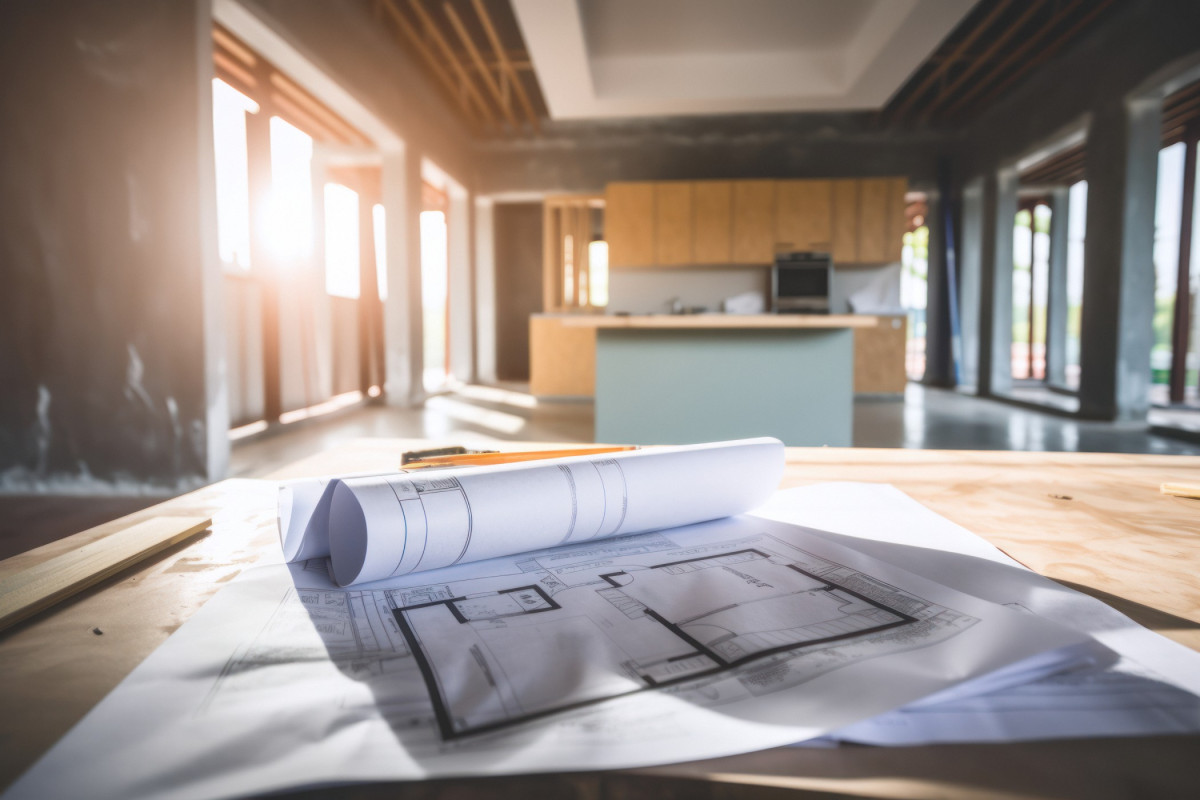
One of the most significant developments in the custom home building sector is the adoption of sophisticated design software. These innovative tools allow home builders to produce intricate 3D models of a client’s future residence, offering a more immersive visualization of the project. Clients can navigate through their custom home from multiple perspectives, making it easier to grasp how various design elements will integrate. This level of detail empowers clients to make educated choices regarding layouts, materials, and finishes, ensuring the end product reflects their vision.
Additionally, technology has enabled clients to engage actively in the design phase. With intuitive interfaces, clients can propose changes, choose materials, and even visualize different color schemes in real-time. This collaborative approach not only elevates client satisfaction but also cultivates a sense of ownership over the project. Consequently, clients feel more connected to their custom home, confident that their preferences and ideas have been woven into the design.
Beyond design innovations, technology is essential in project management and budgeting. Home builders now employ advanced project management software that facilitates real-time monitoring of construction progress. Clients can access this information through user-friendly dashboards, offering updates on timelines, milestones, and any potential delays. This level of transparency is invaluable, as it allows clients to understand the status of their project at any given moment.
Financial management is another area where technology excels in custom home construction. With the aid of advanced budgeting tools, home builders can offer clients precise cost estimates and track expenses throughout the project. Clients can oversee their spending in real-time, ensuring they stay within their budget. This degree of financial transparency is particularly advantageous in the custom home building process, where unforeseen expenses can occur. By having access to current financial data, clients can make informed decisions about resource allocation and modify their plans if necessary.
Moreover, technology has enhanced communication between clients and home builders. With the emergence of mobile applications and online platforms, clients can easily contact their builders with inquiries or concerns. This immediate communication fosters a collaborative atmosphere, allowing for prompt resolutions to any challenges that may arise during construction. Clients no longer need to wait for scheduled meetings to discuss their projects; they can connect with their builders whenever they require assistance.
The integration of technology in custom home construction also extends to the actual building process. Modern construction methodologies, such as prefabrication and modular building, are gaining traction. These approaches utilize technology to create components of a home in a controlled setting, which are then assembled on-site. This method not only accelerates the construction timeline but also minimizes waste and improves quality control. Clients benefit from shorter build times and a more streamlined construction process, ultimately resulting in a more pleasant experience.
Sustainability is another vital aspect of contemporary custom home building that technology is helping to address. Home builders can now incorporate energy-efficient systems and sustainable materials into their designs, thanks to advancements in building technology. Clients can select from a variety of eco-friendly options, including solar panels, energy-efficient windows, and sustainable building materials. This emphasis on sustainability not only serves the environment but also enables clients to save on energy costs over time.
As technology continues to advance, the future of custom home construction appears bright. Emerging technologies, such as virtual reality (VR) and augmented reality (AR), are poised to further elevate the design and building experience. With VR, clients can embark on virtual tours of their homes even before construction begins, allowing them to experience the space in a way that was previously unimaginable. AR can overlay digital information onto the physical world, assisting clients in visualizing how various design elements will appear in their actual space.
In summary, technology is transforming the custom home building industry in the 21st century. From advanced design software that facilitates immersive visualization to project management tools that keep clients informed and within budget, technology’s role is becoming increasingly crucial. Clients can now actively engage in the design process, monitor their projects in real-time, and communicate effortlessly with their builders. As the industry continues to adopt new technologies, the experience of constructing a custom home is becoming more efficient, transparent, and tailored to individual needs. The future of custom home construction is promising, and technology is leading the charge in this exciting evolution.
Learn more on https://battagliawest.com/

Contact Information:
Battaglia West
20100 Reckley Lane Se,
Oldtown, Maryland 21555
United States
Solomon Rose
(240) 774-1456
https://battagliawest.com