Author: Telomir Pharmaceuticals, Inc

  • Telomir Pharmaceuticals Reports New Data Supporting an Epigenetic Modulation Mechanism Implicated in Cancer and Aging

    Cellular findings show Telomir-Zn modulates intracellular metal balance linked to oxidative stress, mitochondrial dysfunction, DNA methylation instability, and genomic integrity-without relying on cytotoxic mechanisms.

    MIAMI, FLORIDA / ACCESS Newswire / February 5, 2026 / Telomir Pharmaceuticals, Inc. (NASDAQ:TELO) (“Telomir” or the “Company”), a preclinical-stage biotechnology company developing small-molecule therapeutics targeting fundamental biological mechanisms implicated in cancer, aging, and degenerative disease, today announced new cellular study results demonstrating that Telomir-1, in the form of Telomir-Zn, induces a rapid and coordinated intracellular redistribution of zinc and iron.

    These findings extend Telomir’s previously reported intracellular iron-reduction data by directly demonstrating, for the first time, that Telomir-Zn simultaneously increases intracellular zinc while reducing redox-active ferrous iron inside living cells. The coupled nature of these effects supports a differentiated intracellular metal-modulating mechanism rather than simple extracellular metal chelation.

    Why This Biology Matters in Cancer and Aging

    Cancer and accelerated aging are increasingly understood to share common upstream biological drivers, including dysregulated metal homeostasis, excess oxidative stress, mitochondrial dysfunction, epigenetic instability, and cumulative genomic damage.

    Redox-active metals such as iron and copper can catalyze the formation of reactive oxygen species (ROS), which, over time, contribute to mitochondrial damage, oxidative DNA lesions, disruption of DNA methylation patterns, and telomere attrition. These processes are closely associated with epigenetic drift, impaired DNA repair, and genomic instability-hallmarks observed across both tumor biology and age-associated cellular decline.

    Zinc plays a distinct biological role. Unlike iron and copper, zinc is redox-inert under physiological conditions and supports chromatin structure, DNA repair, antioxidant defense systems, and telomere-associated genomic stability. Maintaining appropriate intracellular zinc availability while limiting excess redox-active metals is therefore central to preserving cellular function over time.

    Study Overview and Key Findings

    To assess whether Telomir-Zn alters intracellular metal pools, Telomir Pharmaceuticals, in collaboration with Smart Assays Biotechnologies, has quantified labile intracellular zinc and iron levels in cultured human HaCaT cells using complementary live-cell fluorescent probes.

    Key observations include:

    • Rapid, dose-dependent zinc accumulation: Telomir-Zn exposure resulted in a measurable increase in intracellular zinc within 30 minutes, sustained over a two-hour period at low-micromolar concentrations, without loss of cell confluence or viability.

    • Reciprocal reduction of redox-active iron: Increasing Telomir-Zn concentrations were associated with progressive depletion of the intracellular ferrous iron pool, most closely linked to oxidative stress.

    • Coordinated intracellular modulation: Zinc accumulation and iron reduction occurred over similar concentration ranges and timeframes, supporting a coordinated intracellular process rather than independent or nonspecific metal effects.

    Mechanistic Interpretation: Linking Metals, Mitochondria, Epigenetics, and Telomeres

    Excess intracellular iron and copper are known to impair mitochondrial respiration, amplify ROS generation, and disrupt metal-dependent enzymes that regulate chromatin structure and DNA methylation. Several histone demethylases and DNA repair enzymes require tightly regulated Fe²⁺ availability, and metal imbalance can destabilize epigenetic control systems and accelerate genomic stress.

    The observed Telomir-Zn-associated increase in intracellular zinc, coupled with a reduction of labile iron, is consistent with a proposed intracellular mechanism by which modulation of metal availability may attenuate oxidative stress while supporting zinc-dependent regulatory functions. These pathways are closely linked to mitochondrial health, epigenetic regulation, telomere maintenance, and long-term genomic stability, supporting the potential relevance of this mechanism across both oncology and age-associated disease biology.

    Importantly, the epigenetically associated effects observed in these studies do not rely on inducing cellular damage or cytotoxic stress, distinguishing this approach from many existing epigenetic strategies that act through DNA damage or broad transcriptional disruption.

    Management Commentary

    “These findings link our earlier epigenetic and mitochondrial observations to a clear upstream mechanism-intracellular metal imbalance,” said Erez Aminov, CEO of Telomir Pharmaceuticals. “By simultaneously reducing redox-active iron while introducing protective zinc, Telomir-Zn appears to influence oxidative stress, DNA methylation, and genomic stability in a way that does not rely on cellular damage. We believe this approach has important implications for how cancer and age-related disease may be addressed at their biological roots.”

    “For decades, cancer and age-related diseases have largely been approached by targeting downstream consequences-uncontrolled growth, accumulated damage, or end-stage dysfunction,” said Dr. Itzchak Angel, Chief Scientific Advisor at Telomir Pharmaceuticals. “What is emerging here is a different biological strategy: addressing upstream drivers such as oxidative stress, mitochondrial instability, and epigenetic drift that are shared across these conditions. By demonstrating for the first time that Telomir-Zn can simultaneously modulate intracellular zinc and iron-key regulators of DNA methylation, redox balance, and telomere-associated genomic stability-these findings support a framework that could fundamentally change how we think about intervening in cancer and aging biology, without relying on toxicity or cellular injury.”

    Ongoing Activities and Upcoming Scientific Presentations

    Telomir Pharmaceuticals plans to present data related to Telomir-Zn and its mechanism of action at several upcoming scientific and industry meetings, including:

    • 16th World Congress on Breast Cancer Research & Therapies, March 23-24, 2026 (Paris, France)

    • AACR Annual Meeting 2026, April 17-22, 2026 (San Diego, CA)

    • BIO International Convention, June 22-25, 2026 (San Diego, CA)

    • 3rd International Conference on Women’s Health and Breast Cancer, October 5-6, 2026 (Tokyo, Japan)

    IND Preparation and Ongoing Research Activities

    Telomir Pharmaceuticals is finalizing IND-enabling activities for Telomir-Zn, including assembly of the required data package to support regulatory submission. The Company currently plans to submit an Investigational New Drug (IND) application in the first quarter of 2026.

    In parallel, Telomir continues to advance a portfolio of ongoing and completed preclinical research programs, including studies in triple-negative breast cancer (TNBC) models and longevity-focused models, evaluating the biological relevance of Telomir-Zn’s intracellular metal-modulating and epigenetically associated mechanisms.

    Based on data generated from completed studies, manuscript submissions to peer-reviewed journals have been initiated, while additional data continue to be generated from ongoing preclinical studies. These efforts also support planned and upcoming scientific conference presentations.

    About Telomir Pharmaceuticals

    Telomir Pharmaceuticals, Inc. (NASDAQ:TELO) is a preclinical-stage biotechnology company developing small-molecule therapeutics designed to target fundamental epigenetic and metabolic mechanisms implicated in cancer, aging, and degenerative disease. The Company’s lead program, Telomir-1 (Telomir-Zn), has demonstrated activity in preclinical studies involving modulation of intracellular metal homeostasis, redox balance, epigenetically regulated gene expression, mitochondrial function, and genomic stability.

    Cautionary Note Regarding Forward-Looking Statements

    This press release, statements of Telomir’s management or advisors related thereto, and the statements contained in the news story linked in this release contain “forward-looking statements,” which are statements other than historical facts made pursuant to the safe harbor provisions of Section 27A of the Securities Act of 1933, as amended, and Section 21E of the Securities Exchange Act of 1934, as amended. These risks and uncertainties include, but are not limited to, the potential use of the data from our studies, our ability to develop and commercialize Telomir-1 for specific indications, and the safety of Telomir-1.

    Any forward-looking statements in this press release are based on Telomir’s current expectations, estimates and projections only as of the date of this release. These and other risks concerning Telomir’s programs and operations are described in additional detail in its Annual Report on Form 10-K for the fiscal year ended December 31, 2024, which are on file with the SEC and available at www.sec.gov. Telomir explicitly disclaims any obligation to update any forward-looking statements except to the extent required by law.

    Contact Information

    Krystina Quintana
    Email: info@telomirpharma.com
    Phone: (786) 396-6723

    SOURCE: Telomir Pharmaceuticals, Inc

    View the original press release on ACCESS Newswire

  • Telomir Pharmaceuticals Announces Telomir-1 Significantly Reduced Tumor Growth and Metastases in Aggressive Triple-Negative Breast Cancer Animal Models

    Telomir Pharmaceuticals Announces Telomir-1 Significantly Reduced Tumor Growth and Metastases in Aggressive Triple-Negative Breast Cancer Animal Models

    In a TNBC animal model with limited responsiveness to chemotherapy, Telomir-1 demonstrated statistically significant activity on both tumor growth and cancer cell spread.

    MIAMI, FLORIDA / ACCESS Newswire / January 5, 2026 / Telomir Pharmaceuticals (NASDAQ:TELO) (“Telomir” or the “Company”), a preclinical-stage biotechnology company developing small-molecule therapeutics targeting epigenetic and metabolic drivers of diseases, today announced results from a completed efficacy study evaluating Telomir-1 (Zn-Telomir) in zebrafish tumor xenograft animal models of triple-negative breast cancer (TNBC). The study was conducted in collaboration with BioReperia using its ZTX® ONCOLEADS platform.

    In one of these animal models, Telomir-1 demonstrated statistically significant reductions in primary tumor growth and in the spread of cancer cells beyond the primary tumor (metastatic dissemination) in an aggressive TNBC model with limited responsiveness to the chemotherapy agent paclitaxel. In a separate aggressive TNBC model where paclitaxel demonstrated antitumor activity, Telomir-1 produced a comparable reduction in primary tumor growth as a monotherapy, and the combination treatment with Telomir-1 and paclitaxel resulted in greater tumor growth inhibition than either agent alone.

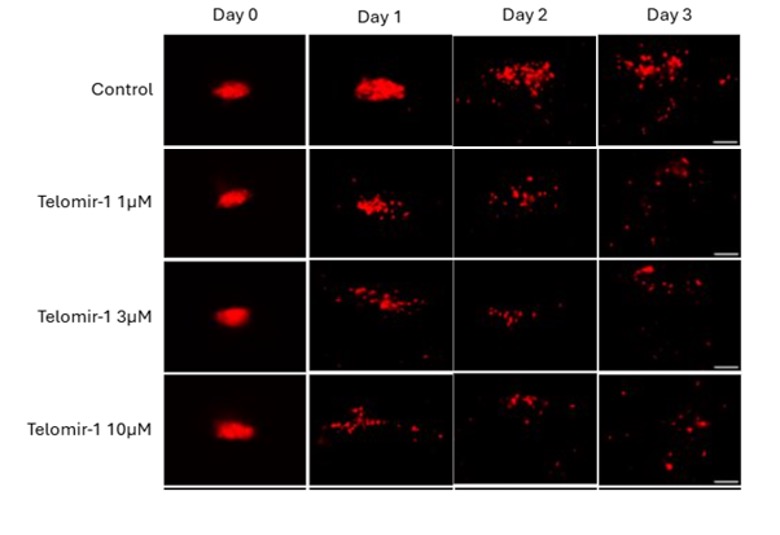
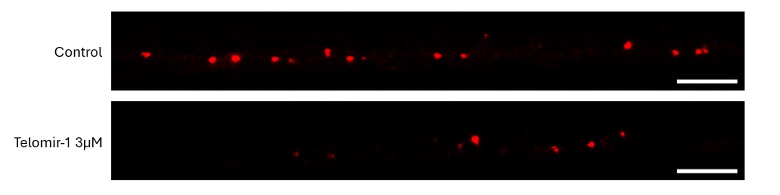
    To visually illustrate these findings, representative images from BT549 xenografts and the HCC1806 metastases model are shown below, highlighting both primary tumor size and cancer cell spread following treatment with Telomir-1.

    Representative Images: Primary Tumor Growth (BT549 xenografts) and Cancer Cell Spread (HCC1806 Cells)

    Primary Tumor Growth (BT549 xenografts)
    Cancer Cell Spread (HCC1806 Cells)

    Representative zebrafish tumor xenograft images from the BT549 xenografts and HCC1806 triple-negative breast cancer models illustrating (A) primary BT549 xenografts tumor size and (B) cancer cell spread (metastatic dissemination) of HCC1806 cells. Images compare untreated control tumors with tumors treated with Telomir-1, demonstrating reduced primary tumor burden and reduced dissemination of cancer cells beyond the primary tumor site. Images are representative of quantified and statistically analyzed results reported in this study.

    Study Design Overview

    The study evaluated Telomir-1 administered alone and in combination with paclitaxel, a commonly used chemotherapy agent, on primary tumor growth and cancer cell spread in TNBC models. Human TNBC cells were implanted into zebrafish embryos and assessed over a three-day treatment period. Tumor size and cancer cell dissemination were quantified using fluorescent imaging and analyzed relative to vehicle-treated controls.

    Three biologically distinct TNBC cell line-derived tumor models were evaluated to reflect the well-established heterogeneity of triple-negative breast cancer.

    Why Triple-Negative Breast Cancer Is Not a Single Disease

    Although triple-negative breast cancer is often discussed as a single clinical indication, it is now well recognized as a biologically heterogeneous disease, comprising multiple molecular subtypes with distinct drivers and treatment sensitivities.

    Large genomic and transcriptomic studies have shown that TNBC can be divided into four to six major subtypes, including tumors that are initially chemotherapy-sensitive and others that are invasive and broadly treatment-resistant. As a result, no single therapy is expected to demonstrate uniform activity across all TNBC tumors, and variability in therapeutic response is an established feature of the disease.

    From a drug-development perspective, this heterogeneity underscores the importance of treatment personalization, matching therapeutic mechanisms to tumor biology rather than pursuing unselected TNBC populations.

    Tumor Model-Specific Results and Prevalence Context

    BT-549 TNBC Model – Aggressive, Chemotherapy-Sensitive Subtype The BT-549 model represents an aggressive TNBC subtype with partial sensitivity to chemotherapy. In the current study, Telomir-1 and paclitaxel each produced statistically significant and broadly comparable reductions in primary tumor size when administered as monotherapies, with no statistically significant difference observed between the two agents. Combination treatment of low dose Telomir-1 and paclitaxel resulted in significantly greater tumor growth inhibition than either agent alone.

    Based on published molecular subtype analyses, TNBC subtypes with biological features similar to BT-549 are estimated to represent approximately 30-40% of TNBC cases.

    HCC1806 TNBC Model – Aggressive Subtype with Limited Chemotherapy Responsiveness The HCC1806 model represents an aggressive TNBC basal-subtype characterized by limited responsiveness to chemotherapy and a high propensity for cancer cell spread. In this model, paclitaxel did not produce statistically significant effects on primary tumor growth or on the spread of cancer cells beyond the primary tumor. In contrast, Telomir-1 treatment resulted in statistically significant reductions in primary tumor size at specific concentrations and statistically significant reductions in metastatic dissemination at an optimal concentration. Combination treatment further enhanced tumor growth inhibition compared to Telomir-1 monotherapy.

    According to published molecular subtype analyses, TNBC subtypes with biological features similar to HCC1806, together with BT-549-like tumors, are estimated to account for approximately 40-60% of all TNBC cases.

    MDA-MB-231 TNBC Model – Broadly Treatment-Resistant Subtype The MDA-MB-231 model represents a broadly treatment-resistant TNBC subtype is reported to exhibit tighter regulation of intracellular metal availability and strong intrinsic defense mechanisms. In this model, neither Telomir-1 nor the chemotherapy agent paclitaxel produced statistically significant effects on primary tumor growth or on the spread of cancer cells beyond the primary tumor.

    TNBC subtypes with biological features similar to this model are estimated to represent approximately 15-25% of TNBC cases.

    Mechanistic Interpretation: Iron, Copper, and Epigenetic Regulation

    The differential responses observed across TNBC tumor models in this study are consistent with established differences in how these tumors regulate iron, copper, and epigenetically controlled gene activity.

    TNBC models in which Telomir-1 demonstrated statistically significant effects are known, based on published literature, to rely on readily available intracellular iron and copper to support rapid growth and epigenetically regulated transcriptional programs. In these tumors, perturbation of metal availability is associated with measurable effects on tumor growth and cancer cell spread.

    By contrast, the non-responsive TNBC model tightly controls and stores intracellular iron and copper and relies less on metal-regulated epigenetic flexibility. This biological profile is associated with reduced sensitivity to therapies that act through metal-dependent regulatory pathways and is consistent with the lack of response observed with both Telomir-1 and chemotherapy in this model.

    Taken together, these findings indicate that Telomir-1 activity in this animal model is specific and dependent on underlying tumor biology and aligns with established differences among TNBC subtypes, rather than reflecting uniform or nonspecific anti-tumor effects.

    Conclusion

    · Telomir-1 demonstrated statistically significant tumor growth inhibition in aggressive TNBC models representing an estimated 40-60% of TNBC cases.

    · Telomir-1 demonstrated statistically significant reduction in cancer cell spread in an aggressive TNBC model with limited chemotherapy responsiveness.

    · In a broadly treatment-resistant TNBC subtype representing an estimated 15-25% of cases, neither Telomir-1 nor chemotherapy produced measurable effects, underscoring the biological specificity of response and providing important guidance for patient selection and clinical trial design.

    · Combination treatment with paclitaxel enhanced tumor growth inhibition in models responsive to Telomir-1.

    Importantly, the observed biology-driven activity and lack of effect in broadly treatment-resistant models provide valuable guidance for patient selection and trial design, which may improve the likelihood of observing clear clinical benefit in future studies.

    Management Commentary

    “These results demonstrate biologically consistent anti-tumor and anti-cancer spread activity in aggressive triple-negative breast cancer animal models, including tumors with limited responsiveness to standard chemotherapy, while also providing clear insight into the patient populations most likely to benefit in future clinical trials,” said Erez Aminov, CEO of Telomir.

    “From a scientific perspective, this study provides important validation that targeting iron- and copper-regulated epigenetic pathways can translate into measurable effects on both tumor growth and metastatic behavior in relevant TNBC subtypes,” said Dr. Itzchak Angel, Chief Scientific Advisor at Telomir. “The alignment between mechanism and observed biology strengthens confidence as the program advances toward clinical development.”

    Next Steps

    Telomir is advancing Telomir-1 through ongoing IND-enabling activities and is actively preparing the data package required to support a future Investigational New Drug (IND) submission. In parallel, the Company is refining indication selection and patient population strategies based on accumulated preclinical evidence to support regulatory readiness and informed clinical development planning.

    About Telomir Pharmaceuticals

    Telomir Pharmaceuticals (NASDAQ:TELO) is a preclinical biotechnology company developing small-molecule therapeutics designed to target the root epigenetic mechanisms underlying cancer, aging, and degenerative disease. The Company’s lead candidate, Telomir-1, has demonstrated activity in preclinical studies involving modulation of DNA and histone methylation, restoration of redox balance, and normalization of cellular function.

    Cautionary Note Regarding Forward-Looking Statements

    This press release, statements of Telomir’s management or advisors related thereto, and the statements contained in the news story linked in this release contain “forward-looking statements,” which are statements other than historical facts made pursuant to the safe harbor provisions of Section 27A of the Securities Act of 1933, as amended, and Section 21E of the Securities Exchange Act of 1934, as amended. These risks and uncertainties include, but are not limited to, the potential use of the data from our studies, our ability to develop and commercialize Telomir-1 for specific indications, and the safety of Telomir-1.

    Any forward-looking statements in this press release are based on Telomir’s current expectations, estimates and projections only as of the date of this release. These and other risks concerning Telomir’s programs and operations are described in additional detail in its Annual Report on Form 10-K for the fiscal year ended December 31, 2024, which are on file with the SEC and available at www.sec.gov. Telomir explicitly disclaims any obligation to update any forward-looking statements except to the extent required by law.

    Contact Information

    Email: info@telomirpharma.com Phone: (786) 396-6723

    SOURCE: Telomir Pharmaceuticals, Inc

    View the original press release on ACCESS Newswire
  • Telomir Pharmaceuticals Reports Favorable IND-Enabling GLP Safety Results for Telomir-1 Supporting First-in-Human Clinical Development

    Telomir Pharmaceuticals Reports Favorable IND-Enabling GLP Safety Results for Telomir-1 Supporting First-in-Human Clinical Development

    No treatment-related adverse toxicity was observed across completed GLP studies, with consistent systemic exposure following oral administration.

    MIAMI, FL / ACCESS Newswire / December 18, 2025 / Telomir Pharmaceuticals, Inc. (NASDAQ:TELO) (“Telomir” or the “Company”), a preclinical-stage biotechnology company developing therapies that target epigenetic and metabolic drivers of cancer and age-related disease, today announced favorable results from a comprehensive series of IND-enabling Good Laboratory Practice (GLP) toxicology and safety pharmacology studies for its lead therapeutic candidate, Telomir-1 (Zn-Telomir).

    The studies were conducted as part of the Company’s ongoing IND-enabling program and evaluated cardiovascular, respiratory, phototoxicity, and repeat-dose toxicology using a combination of in vitro systems and in vivo rat and dog models. While final quality assurance (QA) review of the study reports is ongoing, the Company does not expect the overall conclusions to change.

    Key Safety Findings

    • Overall Safety:
      Telomir-1 was well tolerated across all completed GLP safety studies, with no treatment-related adverse or dose-limiting toxicities observed.

    • Cardiovascular Safety:
      In non-rodent studies, including in dogs, no test-article-related changes in blood pressure, heart rate, electrocardiogram (ECG) parameters, or body temperature were observed following oral administration. In addition, no concerning cardiac safety signals were identified in a validated GLP assay commonly used to assess arrhythmia risk.

    • Repeated-Dose Toxicology:
      Repeated oral administration in both rats and dogs were well tolerated. Observed findings were limited, reversible, and considered non-adverse, with no serious toxicological findings identified.

    • Respiratory Safety:
      No clinically meaningful effects on respiratory function were observed.

    • Phototoxicity:
      Telomir-1 demonstrated no evidence of phototoxic potential under simulated sunlight conditions.

    Across oral administration studies, Telomir-1 demonstrated consistent systemic exposure and predictable pharmacokinetic behavior, supporting continued advancement toward clinical development.

    Overall Conclusion

    Collectively, these IND-enabling GLP data demonstrate a favorable safety and tolerability profile and consistent systemic exposure upon oral administration for Telomir-1. No treatment-related adverse toxicity was observed, and no findings were identified that would preclude advancement into first-in-human clinical studies, subject to applicable regulatory pathways.

    CEO Perspective

    “Safety is often the factor that determines whether a drug program can advance,” said Erez Aminov, Chief Executive Officer of Telomir. “Many development programs encounter safety limitations that prevent clinical progression. Achieving a broad IND-enabling GLP safety profile with no treatment-related adverse toxicity observed is a critical milestone as we prepare Telomir-1 for first-in-human evaluation.”

    Scientific Perspective

    “In oncology, therapeutic activity must be balanced against tolerability, as safety limitations frequently constrain dosing, duration of therapy, and patient quality of life,” said Dr. Itzchak Angel, Chief Scientific Advisor at Telomir. “The GLP safety profile observed with Telomir-1, together with its consistent pharmacologic behavior and good oral absorption across studies, supports continued advancement into first-in-human clinical evaluation, pending regulatory review.”

    Next Steps

    Telomir plans to continue advancing Telomir-1 through its IND-enabling activities and broader regulatory preparations. In parallel, the Company is conducting ongoing preclinical animal model studies evaluating Telomir-1 across multiple oncology and age-related disease settings, including triple-negative breast cancer, to further characterize its biological activity and therapeutic potential.

    In addition, Telomir is actively preparing scientific manuscripts for publication submission and is targeting abstract submissions and presentations at multiple oncology-focused scientific conferences in 2026, as part of its ongoing efforts to share data and engage with the scientific and clinical research community.

    Based on current expectations and subject to regulatory review and other factors, the Company anticipates submitting an Investigational New Drug (IND) application in the first quarter of 2026 and initiating first-in-human clinical studies in the first half of 2026.

    About Telomir Pharmaceuticals

    Telomir Pharmaceuticals (NASDAQ:TELO) is a preclinical biotechnology company developing small-molecule therapeutics designed to target the root epigenetic mechanisms underlying cancer, aging, and degenerative disease. The Company’s lead candidate, Telomir-1, has demonstrated activity in preclinical studies involving modulation of DNA and histone methylation, restoration of redox balance, and normalization of cellular function.

    Cautionary Note Regarding Forward-Looking Statements

    This press release, statements of Telomir’s management or advisors related thereto, and the statements contained in the news story linked in this release contain “forward-looking statements,” which are statements other than historical facts made pursuant to the safe harbor provisions of Section 27A of the Securities Act of 1933, as amended, and Section 21E of the Securities Exchange Act of 1934, as amended. These risks and uncertainties include, but are not limited to, the potential use of the data from our studies, our ability to develop and commercialize Telomir-1 for specific indications, and the safety of Telomir-1.

    Any forward-looking statements in this press release are based on Telomir’s current expectations, estimates and projections only as of the date of this release. These and other risks concerning Telomir’s programs and operations are described in additional detail in its Annual Report on Form 10-K for the fiscal year ended December 31, 2024, which are on file with the SEC and available at www.sec.gov. Telomir explicitly disclaims any obligation to update any forward-looking statements except to the extent required by law.

    Contact Information
    info@telomirpharma.com
    (786) 396-6723

    SOURCE: Telomir Pharmaceuticals, Inc.

    View the original press release on ACCESS Newswire

  • Telomir Pharmaceuticals Reports New Data Showing Telomir-1 Significantly Reduces PSA Levels in Human Prostate Cancer Cells

    Telomir Pharmaceuticals Reports New Data Showing Telomir-1 Significantly Reduces PSA Levels in Human Prostate Cancer Cells

    PSA is a validated FDA-recognized clinical endpoint in assessing prostate cancer treatment response; Telomir-1 lowered PSA levels in a dose-related manner.

    MIAMI, FLORIDA / ACCESS Newswire / November 25, 2025 / Telomir Pharmaceuticals, Inc. (NASDAQ:TELO) (“Telomir” or the “Company”), a preclinical-stage biotechnology company developing therapies that target epigenetic and metabolic drivers of cancer and age-related disease, today reported new preclinical findings demonstrating that its lead therapeutic candidate, Telomir-1, reduced PSA (prostate-specific antigen) levels in androgen-responsive human prostate cancer cells (LNCaP).

    PSA is one of the most widely used and FDA-accepted clinical biomarkers in evaluating prostate cancer treatment activity. PSA is a protein secreted by prostate cancer cells, and elevated PSA levels generally correlate with increased tumor burden and tumor activity. Demonstrating a reduction in PSA in vitro provides additional biological context relevant to Telomir-1’s ongoing preclinical characterization.

    Key Findings

    In an in vitro study conducted by SmartAssays, LNCaP prostate cancer cells were stimulated with dihydrotestosterone (DHT), a potent androgen that increases PSA production. Under these conditions, Telomir-1 produced a concentration-related reduction in PSA release, paralleling its inhibitory effects on cellular energy metabolism and cell viability.

    These in vitro PSA findings are consistent with previously reported Telomir-1 activity in a mouse model implanted with aggressive, non-androgen responsive human prostate cancer cells (PC3 xenografts). In that model, Telomir-1 demonstrated a measurable anti-tumor effect, including approximately 50% reduction in tumor volume when administered as a single agent. In the combination arm of paclitaxel plus Telomir-1, tumor volume was fully reduced, and no mortality occurred. By comparison, paclitaxel alone also resulted in full tumor-volume reduction but was associated with mortality in the study cohort.

    The PC3 model represents an androgen-independent tumor type, meaning the cancer cells no longer rely on hormones like testosterone to grow and are generally more aggressive and treatment-resistant. The PSA reductions observed in this new study were generated in androgen-responsive LNCaP cells, which depend on androgen signaling and reflect clinically relevant prostate cancer biology. Together, these datasets indicate that Telomir-1 has shown preclinical activity in both hormone-responsive and hormone-resistant prostate cancer models, based on epigenetic, metabolic, and viability-related measures.

    CEO Perspective

    “Our mission has always been to advance science that addresses the deeper biological mechanisms driving cancer and aging,” said Erez Aminov, Chief Executive Officer of Telomir. “Patients today still face treatments that are often difficult to tolerate and do not address the underlying drivers of tumor behavior. As we continue developing Telomir-1, our focus remains on exploring these fundamental pathways and generating data that deepen our understanding of the biology at play. Every study adds clarity to the scientific foundation we are building and reinforces why this work matters-for patients, for the field, and for the future of therapies designed to engage the root biology of disease.”

    Scientific Perspective

    “Despite advances in hormonal therapies, chemotherapy, and targeted agents, prostate cancer continues to present substantial unmet medical needs,” said Dr. Itzchak Angel, Chief Scientific Advisor at Telomir. “Many existing treatments can cause meaningful side effects, including fatigue, metabolic disturbances, cardiovascular strain, and disruptions in sexual function, all of which can significantly affect quality of life and long-term treatment tolerability. There remains a need for additional biological approaches that explore different aspects of tumor biology, and the preclinical findings with Telomir-1 contribute to that ongoing scientific assessment.”

    Building on Prior Findings

    Across multiple models, Telomir-1 has demonstrated:

    • Reduction of PSA levels in androgen-stimulated human prostate cancer cells.

    • Reactivation of key tumor-associated pathways in prior studies in prostate cancer, including STAT1, CDKN2A, MASPIN, RASSF1A, and TMS1.

    • Activity across epigenetic regulators implicated in tumor progression.

    • Anti-cancer activity in a wide range of cancer types, including triple-negative breast cancer, prostate and pancreatic cancers, as well as in leukemia.

    • Reduction of oxidative stress and improvements in mitochondrial-related measures in preclinical systems.

    • No elongation of telomeres in cancer cells, supporting a favorable preclinical safety profile.

    • Approximately 50% reduction in tumor volume and absence of chemotherapy-associated mortality in combination with Paclitaxel in PC3 xenograft work.

    Next Steps

    Telomir is continuing its preclinical program for Telomir-1 across multiple areas, including oncology, aging biology, autism-related pathways, and other age-associated diseases. In parallel, the Company is advancing its regulatory, IND-enabling activities to support the planned IND submission. These efforts represent essential components of the development pathway, and the Company continues to make meaningful progress as it prepares for future clinical testing.

    About Telomir Pharmaceuticals

    Telomir Pharmaceuticals (NASDAQ:TELO) is a preclinical biotechnology company developing small-molecule therapeutics that target the root epigenetic mechanisms underlying cancer, aging, and degenerative disease. The Company’s lead candidate, Telomir-1, has demonstrated activity in preclinical studies involving modulation of DNA and histone methylation, restoration of redox balance, and normalization of cellular function.

    For more information, please visit www.telomirpharma.com.

    Cautionary Note Regarding Forward-Looking Statements

    This press release, statements of Telomir’s management or advisors related thereto, and the statements contained in the news story linked in this release contain “forward-looking statements,” which are statements other than historical facts made pursuant to the safe harbor provisions of Section 27A of the Securities Act of 1933, as amended, and Section 21E of the Securities Exchange Act of 1934, as amended. These risks and uncertainties include, but are not limited to, the potential use of the data from our studies, our ability to develop and commercialize Telomir-1 for specific indications, and the safety of Telomir-1.

    Any forward-looking statements in this press release are based on Telomir’s current expectations, estimates and projections only as of the date of this release. These and other risks concerning Telomir’s programs and operations are described in additional detail in its Annual Report on Form 10-K for the fiscal year ended December 31, 2024, which are on file with the SEC and available at www.sec.gov. Telomir explicitly disclaims any obligation to update any forward-looking statements except to the extent required by law.

    Contact Information

    Helga Moya
    info@telomirpharma.com
    (786) 396-6723

    SOURCE: Telomir Pharmaceuticals, Inc

    View the original press release on ACCESS Newswire
  • Telomir Pharmaceuticals Announces Telomir-1 Kills Aggressive Human Leukemia Cells

    Telomir Pharmaceuticals Announces Telomir-1 Kills Aggressive Human Leukemia Cells

    Findings expand Telomir-1’s oncology profile into cancers of the blood, adding to previously reported activity in triple-negative breast, pancreatic, and aggressive prostate cancer models.

    MIAMI, FL / ACCESS Newswire / November 21, 2025 / Telomir Pharmaceuticals, Inc. (NASDAQ:TELO) (“Telomir” or the “Company”), a preclinical-stage biotechnology company developing small-molecule therapies targeting the epigenetic and metabolic roots of cancer, aging, and age-related disease, today announced new in vitro findings showing that its investigational compound Telomir-1 kills aggressive human leukemia (HL60) cells.

    In this study, HL60 leukemia cells were treated with Telomir-1, which produced a clear, dose-dependent reduction in viable leukemia cells, indicating strong activity in this aggressive human model.

    Leukemia: A Disease with Persistent Treatment Challenges

    Leukemia is a cancer of the blood and bone marrow defined by the uncontrolled growth of abnormal white blood cells. It remains one of the most difficult cancers to treat, with more than 60,000 new cases diagnosed each year in the United States and an estimated 487,294 new cases globally, according to the World Cancer Research Fund (WCRF).

    Despite therapeutic progress, several major biological challenges remain:

    • High relapse rates:
      Many patients respond initially but relapse as treatment-resistant leukemia cells re-expand.

    • Resistance to current treatments:
      Leukemia cells frequently develop resistance to chemotherapy, targeted agents-including FLT3 and IDH inhibitors-and BCL-2-based regimens such as venetoclax, enabling surviving clones to repopulate the bone marrow and blood.

    • Toxicity of existing therapies:
      Current treatments often damage healthy blood and immune cells, increasing infection risk and reducing quality of life.

    • Epigenetic and metabolic adaptability:
      Leukemia blast and stem cells rely on altered metabolic states and epigenetic silencing to evade therapy and re-establish disease.

    • Limited treatment options for older or medically fragile patients:
      Many cannot tolerate intensive regimens, leaving meaningful unmet medical need.

    These challenges highlight the importance of scientific approaches aimed at understanding the underlying biology that allows leukemia cells to grow, proliferate, survive, and resist treatment.

    Iron Dependence and Epigenetic Silencing: Why Leukemia Cells May Be Vulnerable to Telomir-1

    Leukemia cells rely heavily on iron as a fuel source to support rapid DNA synthesis, mitochondrial energy production, and uncontrolled proliferation. Many leukemia subtypes increase iron uptake and accumulate excess intracellular iron, creating a metabolic environment that supports tumor growth. Elevated iron also powers iron-dependent epigenetic enzymes that leukemia cells use to silence tumor-suppressor genes-genes that normally regulate growth, promote apoptosis, or assist immune detection. Together, iron overload and epigenetic silencing form two of leukemia’s central biological survival strategies.

    In previously reported research, Telomir-1 demonstrated the ability to reduce intracellular iron levels in a live-cell human model, where fluorescence imaging with FerroOrange showed a robust, concentration-dependent reduction in ferrous iron (Fe²⁺) relative to the FDA-approved iron chelator Deferoxamine (DFO). These findings confirmed Telomir-1’s intracellular penetration and iron-modulating activity at low micromolar concentrations. Because leukemia cells depend so heavily on iron, this type of intracellular iron modulation may be relevant to understanding how cancer cells respond to Telomir-1.

    Leukemia cells also frequently silence key tumor-suppressor pathways through abnormal DNA methylation and iron-dependent histone demethylases. Although the current leukemia study measured cytotoxicity only, Telomir-1 has previously been shown in a cancer model to reverse hypermethylation of several tumor-suppressor genes-including STAT1, CDKN2A, MASPIN, RASSF1A, CASP8, and GSTP1-genes involved in immune surveillance, apoptosis, detoxification, and cell-cycle braking. These findings demonstrate Telomir-1’s ability to influence epigenetic programs that many cancers, including leukemia, rely on for survival and treatment resistance. In addition, the recent findings that Telomir-1 inhibits three major families of lysin histone demethylase (KDMs) enzymes, belonging to the KDM2, KDM5 and KDM6, reinforce its potential in cancer treatment. KDMs are major epigenetic regulators that control histone methylation and thereby influence transcription, differentiation, and stemness. In leukemia, several KDMs become overexpressed, mutated, or integrated into oncogenic complexes, driving leukemogenesis.

    Through Telomir’s preclinical research, Telomir-1 has demonstrated activity across pathways involving iron handling, oxidative balance, and epigenetic regulation. The leukemia results add to this growing body of scientific evidence and extend it into cancers of the blood.

    Part of Telomir’s Broader Oncology Research

    The new leukemia findings join a growing set of preclinical research observations:

    Triple-Negative Breast Cancer (TNBC):
    Telomir-1 caused a strong, dose-dependent loss of TNBC cell viability that was reversible by iron re-addition.

    Pancreatic Cancer:
    Telomir-1 reduced pancreatic-cancer cell survival and mitochondrial activity, with partial reversal by iron.

    Aggressive Prostate Cancer (PC3 Model):
    In vivo studies demonstrated reduced tumor volume and reversal of abnormal DNA methylation across multiple tumor-suppressor genes.

    Each cancer model has provided distinct insights into the biological pathways influenced by Telomir-1, supporting a consistent scientific framework for its evaluation across oncology.

    CEO Commentary

    Erez Aminov, Chief Executive Officer of Telomir Pharmaceuticals, stated:
    “Many of the most aggressive cancers share two fundamental biological drivers: dysregulated iron that fuels uncontrolled growth and abnormal DNA methylation that silences the genes responsible for protecting the body against cancer. Our goal with Telomir-1 is to address these upstream processes at their source. By influencing pathways involved in intracellular iron balance and epigenetic control, Telomir-1 represents a truly novel category of therapy-one designed to work with the body’s natural defenses rather than simply targeting downstream symptoms. We believe this approach may signal the beginning of a new era in oncology research, where resetting the underlying biology becomes as important as treating the disease itself.”

    Scientific Commentary

    Dr. Itzchak Angel, Chief Scientific Advisor, added:
    “The potency observed in HL60 leukemia cells is consistent with the broader biological patterns we have seen throughout Telomir’s research. Telomir-1 has demonstrated activity across pathways connected to iron imbalance and epigenetic disruption-both central features of tumor biology. These findings support our scientific framework for evaluating Telomir-1 and inform the ongoing advancement of our overall oncology research program.”

    About Telomir Pharmaceuticals

    Telomir Pharmaceuticals (NASDAQ:TELO) is a preclinical biotechnology company developing small-molecule therapeutics that target the root epigenetic mechanisms underlying cancer, aging, and degenerative disease. The Company’s lead candidate, Telomir-1, has demonstrated activity in preclinical studies involving modulation of DNA and histone methylation, restoration of redox balance, and normalization of cellular function.
    For more information, please visit www.telomirpharma.com.

    Cautionary Note Regarding Forward-Looking Statements

    This press release, statements of Telomir’s management or advisors related thereto, and the statements contained in the news story linked in this release contain “forward-looking statements,” which are statements other than historical facts made pursuant to the safe harbor provisions of Section 27A of the Securities Act of 1933, as amended, and Section 21E of the Securities Exchange Act of 1934, as amended. These risks and uncertainties include, but are not limited to, the potential use of the data from our studies, our ability to develop and commercialize Telomir-1 for specific indications, and the safety of Telomir-1.

    Any forward-looking statements in this press release are based on Telomir’s current expectations, estimates and projections only as of the date of this release. These and other risks concerning Telomir’s programs and operations are described in additional detail in its Annual Report on Form 10-K for the fiscal year ended December 31, 2024, which are on file with the SEC and available at www.sec.gov. Telomir explicitly disclaims any obligation to update any forward-looking statements except to the extent required by law.

    Contact Information

    Helga Moya
    info@telomirpharma.com
    (786) 396-6723

    SOURCE: Telomir Pharmaceuticals, Inc

    View the original press release on ACCESS Newswire

  • Telomir Pharmaceuticals Reports Telomir-1 Outperforms FDA-Approved Gold-Standard Iron Chelator Deferoxamine (DFO) in Reducing Intracellular Iron in a Human Cell Line

    Telomir Pharmaceuticals Reports Telomir-1 Outperforms FDA-Approved Gold-Standard Iron Chelator Deferoxamine (DFO) in Reducing Intracellular Iron in a Human Cell Line

    New live-cell imaging data show that Telomir-1 markedly lowers intracellular iron levels at submicromolar concentrations in human keratinocytes, demonstrating potent cell penetration and iron-modulating activity – key to its broader epigenetic mechanism of action.

    MIAMI, FL / ACCESS Newswire / November 12, 2025 / Telomir Pharmaceuticals, Inc. (NASDAQ:TELO) (“Telomir” or the “Company”), a preclinical-stage biotechnology company developing therapies targeting the epigenetic roots of cancer, aging, and age-related disease, today announced new preclinical findings showing that its lead investigational compound Telomir-1 produced a strong, dose-dependent reduction of intracellular iron in human keratinocyte (HaCaT) cells – outperforming the FDA-approved gold-standard iron chelator, Deferoxamine (DFO). These results represent an important step in Telomir’s broader program to explore how metal-ion imbalance contributes to oxidative stress, aging, and disease progression.

    Live-Cell Iron Imaging Study

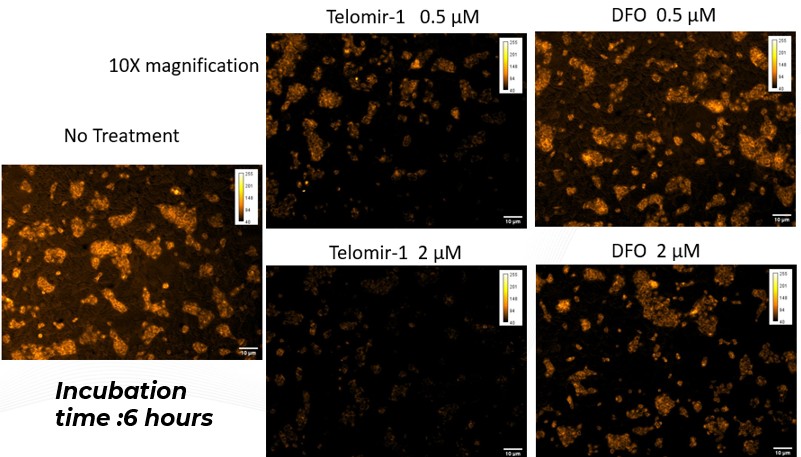
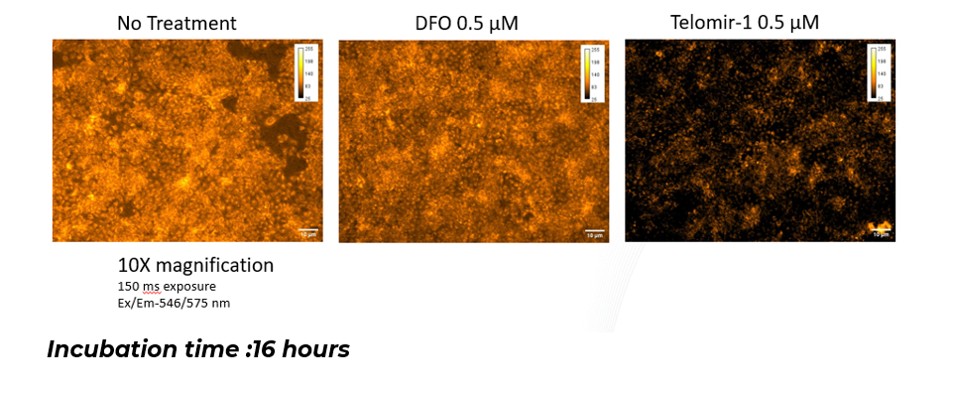
    The study employed FerroOrange, a fluorescent probe that selectively detects ferrous iron (Fe²⁺) inside living cells. HaCaT cells were incubated with Telomir-1 or DFO for various time points. After three, six and sixteen hours, fluorescence microscopy revealed a markedly lower intracellular iron signal in Telomir-1-treated cells, indicating strong cell penetration and iron-modulating capacity relative to DFO at the same concentrations.

    Iron, Copper, and the Biology of Aging and Disease

    Iron and copper are essential for growth and metabolism-iron supports oxygen transport and cell division, while copper contributes to connective-tissue formation, brain development, and antioxidant defense. In youth, these metals are tightly regulated; with aging, regulation weakens and reactive metals accumulate inside cells.

    Excess Fe²⁺ and Cu⁺ catalyze formation of reactive oxygen species (ROS) that damage DNA, proteins, and mitochondria. This oxidative stress and the resulting “epigenetic drift” contribute to functional decline across tissues.

    In cancer, the imbalance becomes more pronounced. Many tumors actively increase and subsequently rely on high iron levels as metabolic fuel for DNA synthesis, sustained proliferation, mitochondrial activity and rapid growth, while iron-driven changes in DNA methylation alter gene activity in ways that promote tumor survival. Restoring balanced metal levels may help reduce the cellular environment that favors genomic instability, a hallmark of aging and disease biology.

    Linking Metal Balance and Epigenetic Regulation

    Telomir’s research indicates that iron directly influences epigenetic enzymes that control gene expression.

    • Histone demethylases, including the KDM2, KDM5, and KDM6 families require Fe²⁺ as a cofactor.

    • When intracellular iron becomes excessive or oxidized, these enzymes may lose normal control, leading to aberrant DNA methylation and the silencing of protective genes such as GSTP1, RASSF1A, MASPIN, STAT1, and CASP8.

    • Zinc helps stabilize these functions and mitigate oxidative interference.

    Balancing reactive metals while supporting zinc-dependent structure may help preserve proper epigenetic modulation and cellular equilibrium.

    Zinc’s Role and the Smart Formulation of Telomir-1

    Telomir-1 is formulated with zinc to create Telomir-Zn, a complex engineered to achieve a controlled exchange of metals inside cells-removing excess reactive ions while contributing beneficial zinc. This precision metal-exchange design aims to restore equilibrium rather than broadly deplete metals.

    1. Sequestration: Telomir-1 binds and neutralizes surplus iron and copper, reducing oxidative reactions and metal-ion dependent functions.

    2. Replacement: The compound introduces bioavailable zinc, a vital cofactor for enzymes involved in antioxidant defense and DNA stability.

    Through this dual mechanism, Telomir-1 is believed to function as a dynamic intracellular modulator-helping sustain redox and enzymatic balance that support healthy gene regulation and mitochondrial performance.

    Comparison With Current Chelation Therapies

    Deferoxamine (DFO) (Desferal®) is an FDA-approved iron chelator used clinically for transfusional and acute iron overload. DFO primarily acts in the bloodstream and extracellular space, showing limited penetration into living cells. Chronic or high-dose use can be associated with side effects, including neurological, ocular, or auditory changes and growth suppression in pediatric settings.

    In contrast, the current studies confirm that Telomir-1 demonstrated robust intracellular metal modulation at low micromolar concentrations in vitro. Further studies will continue evaluating its ability to influence metal-ion balance, oxidative chemistry, and epigenetic enzyme activity in pre-clinical models.

    Executive Commentary

    Erez Aminov, Chief Executive Officer of Telomir Pharmaceuticals, stated:

    “The same metals that support growth and development early in life can, when unregulated, contribute to the very processes that drive aging and cellular decline. Our goal with Telomir-1 is to help restore that delicate balance within cells – addressing one of the fundamental factors that link metal homeostasis, oxidative stress, and biological aging. The live-cell imaging results illustrate this concept beautifully – as they say, a picture is worth a thousand words.

    Dr. Itzchak Angel, Chief Scientific Advisor, added:

    “Iron-dependent histone demethylases sit at the intersection of redox biology and gene regulation. Telomir-1’s ability to inhibit several members of this family and to restore balance to intracellular metals provides a mechanistic framework for the methylation patterns we have previously observed. It connects metal homeostasis directly to genomic stability. The direct observation and measurements of the rapid and robust reduction of intracellular iron by Telomir-1 supports and reinforces our understanding of its mechanisms of actions”

    About Telomir Pharmaceuticals

    Telomir Pharmaceuticals (NASDAQ:TELO) is a preclinical biotechnology company developing small-molecule therapeutics that target the root epigenetic mechanisms underlying cancer, aging, and degenerative disease. The Company’s lead candidate, Telomir-1, has demonstrated activity in pre-clinical studies involving modulation of DNA and histone methylation, restoration of redox balance, and normalization of cellular function.
    For more information, please visit www.telomirpharma.com.

    Cautionary Note Regarding Forward-Looking Statements

    This press release, statements of Telomir’s management or advisors related thereto, and the statements contained in the news story linked in this release contain “forward-looking statements,” which are statements other than historical facts made pursuant to the safe harbor provisions of Section 27A of the Securities Act of 1933, as amended, and Section 21E of the Securities Exchange Act of 1934, as amended. These risks and uncertainties include, but are not limited to, the potential use of the data from our studies, our ability to develop and commercialize Telomir-1 for specific indications, and the safety of Telomir-1.

    Any forward-looking statements in this press release are based on Telomir’s current expectations, estimates and projections only as of the date of this release. These and other risks concerning Telomir’s programs and operations are described in additional detail in its Annual Report on Form 10-K for the fiscal year ended December 31, 2024, which are on file with the SEC and available at www.sec.gov. Telomir explicitly disclaims any obligation to update any forward-looking statements except to the extent required by law.

    Contact Information

    Helga Moya
    info@telomirpharma.com
    (786) 396-6723

    SOURCE: Telomir Pharmaceuticals, Inc

    View the original press release on ACCESS Newswire

  • Telomir Pharmaceuticals Reports New Data Showing Telomir-1 Resets Cancer’s “Kill-and-Clean” Defense Systems in an Aggressive Prostate Cancer Model, Outperforming Rapamycin and Chemo

    New findings highlight Telomir-1’s impact on CASP8 and GSTP1, two critical genes that regulate cell death and glutathione-based detoxification pathways often disrupted in cancer.

    MIAMI, FLORIDA / ACCESS Newswire / October 23, 2025 / Telomir Pharmaceuticals, Inc. (NASDAQ:TELO) (“Telomir” or the “Company”), a pre-clinical biotechnology company developing therapies that target the epigenetic roots of cancer, aging, and age-related disease, today reported new preclinical data from an in vivo study in mice bearing human aggressive prostate cancer tumors evaluating DNA-methylation changes in two key defense genes – CASP8 and GSTP1 – following treatment with oral Telomir-1, Rapamycin, chemotherapy, and combination regimens.

    Apoptosis (“kill”) and detoxification (“clean”) pathways are two of the body’s fundamental defense systems against cancer initiation and progression, and Telomir-1’s observed modulation of these pathways through DNA-methylation control may represent an important area of ongoing scientific evaluation in oncology research.

    Overview of Findings

    The study examined DNA methylation, a central epigenetic process that helps determine whether genes are active or silenced. In this model, baseline tumor samples exhibited DNA hypermethylation of CASP8 and GSTP1, a pattern often associated with reduced activity in genes involved in apoptosis and detoxification.

    • CASP8 (Apoptosis Pathway)
      CASP8 helps initiate programmed cell death. Telomir-1 treatment was associated with reduced methylation of the CASP8 promoter at Day 10 and 21 relative to vehicle and chemotherapy group, suggesting potential reactivation of apoptotic pathway control.

    • GSTP1 (Detoxification and Glutathione Pathway)
      GSTP1 encodes glutathione S-transferase Pi 1, an enzyme that uses glutathione (GSH) – one of the body’s most important natural antioxidants – to neutralize reactive oxygen species and chemical stress. Telomir-1 was associated with decreased DNA-methylation of GSTP1 compared with vehicle and chemotherapy, consistent with partial restoration of this critical detoxification and antioxidant defense system.

    • Chemotherapy Alone
      Chemotherapy did not appear to reduce methylation of either gene, consistent with prior observations that certain cytotoxic agents can reinforce methylation stress – a process that may contribute to taxane resistance (reduced tumor response to chemo drugs like paclitaxel) driven by transcriptional and epigenetic rewiring.

    • Combination of Chemotherapy + Telomir-1
      When Telomir-1 was administered with chemotherapy, both CASP8 and GSTP1 showed lower methylation than with chemotherapy alone, suggesting that Telomir-1 may help counteract chemotherapy related epigenetic silencing in this setting.

    Why These Pathways Matter in Cancer Biology

    Apoptosis and detoxification represent two of the body’s most fundamental defense systems against cancer initiation and progression.

    • Apoptosis – the “Kill System”
      This pathway allows damaged or abnormal cells to self-destruct before they proliferate. In many cancers, genes such as CASP8 become silenced through abnormal DNA methylation, preventing programmed cell death and enabling tumor survival and resistance to therapy.

    • Detoxification – the “Clean System”
      The GSTP1 glutathione axis helps remove oxidative and chemical stress that accumulates during inflammation, environmental exposure, or treatment. When DNA sequence for GSTP1 is hypermethylated and silenced, cells lose part of this antioxidant capacity, leading to higher oxidative stress and DNA instability. Supporting glutathione related detoxification may reduce the cellular conditions that favor tumor persistence and therapy resistance.

    By addressing both apoptotic and detoxification imbalances through DNA methylation modulation, Telomir-1 may engage two complementary mechanisms commonly disrupted in cancer biology.

    Rapamycin Comparison

    At earlier observation points (Day 10), Rapamycin – an mTOR-pathway inhibitor – was associated with an initial reduction in DNA methylation for both genes. This observation aligns with Rapamycin’s indirect influence on cellular metabolism and oxidative stress, which can temporarily affect DNA methylating enzyme activity.
    By Day 21, methylation levels partially rebounded, suggesting that the effect may have been transient and metabolically driven rather than a direct epigenetic reset.

    Telomir-1, by contrast, was associated with a progressive and more sustained decrease in methylation through Day 21. Unlike Rapamycin, Telomir-1 is believed to interact with epigenetic regulatory enzymes that add or remove methyl groups from DNA and histones, which may contribute to the durability of its observed effects in this preclinical model.

    Interpretation

    Collectively, these preclinical observations indicate that Telomir-1 influenced two complementary cellular pathways – apoptosis and detoxification – through DNA methylation modulation not observed with chemotherapy and more sustained than that seen with Rapamycin.
    The data suggest Telomir-1 may act at the level of epigenetic enzyme regulation, whereas Rapamycin’s effects appear secondary to metabolic signaling.
    Further studies are planned to clarify these mechanisms and their potential relevance for oncology research.

    Scientific Perspective

    “This preclinical work, which supports earlier studies with Telomir-1 on DNA methylation in cancer, helps differentiate the epigenetic modulation observed with Telomir-1 from the indirect metabolic effects of Rapamycin,” said Dr. Itzchak Angel, CSA at Telomir. “By evaluating DNA methylation dynamics in apoptosis and detoxification pathways, we are building a scientific framework for understanding how Telomir-1 may help restore epigenetic balance in cancer models.

    CEO Perspective

    “Our goal is to develop medicines that don’t just treat what cancer becomes but help reset the biology that lets it begin. Telomir-1 may represent that next frontier.
    – Erez Aminov, CEO, Telomir

    About Telomir Pharmaceuticals

    Telomir Pharmaceuticals (NASDAQ:TELO) is a pre-clinical stage biotechnology company developing therapies designed to target the root epigenetic mechanisms underlying cancer, aging, and degenerative disease. The Company’s lead candidate, Telomir-1, has demonstrated activity in preclinical studies involving modulation of DNA and histone methylation patterns, which may contribute to balanced gene expression, cellular function, and genomic stability.
    For more information, please visit www.telomirpharma.com.

    Cautionary Note Regarding Forward-Looking Statements

    This press release, statements of Telomir’s management or advisors related thereto, and the statements contained in the news story linked in this release contain “forward-looking statements,” which are statements other than historical facts made pursuant to the safe harbor provisions of Section 27A of the Securities Act of 1933, as amended, and Section 21E of the Securities Exchange Act of 1934, as amended. These risks and uncertainties include, but are not limited to, the potential use of the data from our studies, our ability to develop and commercialize Telomir-1 for specific indications, and the safety of Telomir-1.

    Any forward-looking statements in this press release are based on Telomir’s current expectations, estimates and projections only as of the date of this release. These and other risks concerning Telomir’s programs and operations are described in additional detail in its Annual Report on Form 10-K for the fiscal year ended December 31, 2024, which are on file with the SEC and available at www.sec.gov. Telomir explicitly disclaims any obligation to update any forward-looking statements except to the extent required by law.

    Contact Information

    Helga Moya
    info@telomirpharma.com
    (786) 396-6723

    SOURCE: Telomir Pharmaceuticals, Inc

    View the original press release on ACCESS Newswire
  • Telomir Pharmaceuticals Executes Binding LOI for Worldwide Rights to Telomir-1, Positioning the Company for Global Market Expansion and Value Growth

    Unifying global IP rights and enabling up to $5 million in potential shareholder contributions, the agreement strengthens Telomir’s foundation for partnerships, licensing, and long-term value creation.

    MIAMI, FLORIDA / ACCESS Newswire / October 21, 2025 / Telomir Pharmaceuticals, Inc. (NASDAQ:TELO) (“Telomir” or the “Company”), a preclinical-stage biotechnology company developing therapies that target epigenetic drivers of cancer, aging, and age-related disease, today announced that it has executed a binding Letter of Intent (the “LOI”) to acquire TELI Pharmaceuticals, Inc., securing worldwide rights to its lead investigational therapy, Telomir-1.

    The transaction aligns Telomir’s U.S. rights with TELI’s ex-U.S. intellectual property portfolio, which includes filings across Europe, Canada, Mexico, China, Japan, South Korea, India, Israel, Australia, Argentina, Uruguay, Taiwan, and the United Arab Emirates-creating a single global owner positioned to capture the full commercial value of Telomir-1 across oncology, metabolic, and age-related diseases.

    Under the LOI, each outstanding share of TELI common stock will be exchanged for shares of TELO common stock, with the exchange ratio determined by an independent valuation. The transaction also includes up to $5 million in potential contributions, in cash or cash equivalents, from certain TELI shareholders over the duration of the collaboration – $1 million at closing, $2 million upon IND acceptance, and $2 million upon Phase 1/2 initiation – providing additional funding to advance development of Telomir-1. The transaction is subject to shareholder approval.

    Why Worldwide Rights Expand Value

    • Global oncology spend is accelerating: Cancer medicine spending reached $223 billion in 2023 and is projected to reach ~$409 billion by 2028; the U.S. represented roughly 45 percent ($99 billion in 2023) – meaning ex-U.S. markets now account for the majority of global oncology spend (IQVIA Global Oncology Trends 2024).

    • Age-related and metabolic markets add further upside: The age-related macular degeneration (AMD) drug market totaled $10.8 billion in 2023 and is projected to grow to ~$18 billion by 2030 (Grand View Research 2024). Meanwhile, the global economic cost of diabetes, dementia, and neurodegenerative disease exceeds $2 trillion annually and continues to rise (IDF Diabetes Atlas 2023; Alzheimer’s Disease International 2023).

    • Investor takeaway: With worldwide rights, Telomir can now pursue global or regional partnerships, out-licensing, or asset-sale opportunities across markets where ex-U.S. demand exceeds U.S. demand – enhancing strategic flexibility and long-term enterprise value.

    CEO Commentary

    Erez Aminov, Chief Executive Officer of the Company, stated:

    “Executing this binding LOI to secure worldwide rights transforms Telomir-1 from a U.S.-focused asset into a global platform. Strategically, it gives us cleaner access to partnership, licensing, or even asset sale opportunities across continents. Economically, the addressable market outside the United States is larger than inside it. We believe this unified structure positions Telomir for significant long-term value creation as we continue advancing our epigenetic and longevity programs.”

    Dr. Itzchak Angel, Chief Scientific Advisor of the Company, added:

    “This global alignment enables us to plan development for true worldwide impact. It streamlines our path to explore Telomir-1 in oncology, metabolic, and degenerative diseases such as breast and pancreatic cancer, AMD, Progeria, Wilson’s disease, and Type 2 diabetes, where our preclinical data already show compelling functional restoration.”

    Scientific and Market Context

    Telomir-1 is an investigational oral small-molecule epigenetic therapy designed to reset abnormal DNA methylation patterns, stabilize telomeres, and restore proper gene regulation – addressing the root biological causes of cancer, aging, and degenerative disease rather than their downstream symptoms.

    Across multiple preclinical models, Telomir-1 has shown activity at the intersection of epigenetic control, DNA methylation balance, telomere maintenance, metal regulation, and mitochondrial health – five cellular processes central to both oncologic and age-related disorders.

    Representative findings include:

    • Oncology:

      • In triple-negative breast (TNBC) and pancreatic cancer models, Telomir-1 produced a dose dependent loss of cancer-cell viability through iron-dependent mitochondrial and energy-pathway modulation.

      • In prostate cancer, Telomir-1 reversed abnormal DNA methylation of tumor suppressor genes MASPIN, RASSF1A, and STAT1, reactivating natural anti-metastatic defenses.

    • Age-Related Macular Degeneration (AMD): Telomir-1 restored retinal structure and vision in a validated zebrafish model, demonstrating neuroprotective and regenerative effects.

    • Progeria & Werner Syndrome: In patient-derived Progeria (HGPS) cells, Telomir-1 normalized oxidative stress and mitochondrial instability. In nematode and zebrafish models of Werner-like accelerated aging, it extended lifespan, lengthened telomeres, reversed muscle degeneration, and reset molecular-age markers.

    • Wilson’s Disease: In a genetic ATP7B-deficient (C271X⁻/⁻) zebrafish model, Telomir-1 produced dose-dependent restoration of neurological, hepatic, and renal function, reducing tremors four- to five-fold, halving hepatic copper accumulation, reversing liver and kidney pathology, normalizing ALT, AST, and bilirubin, and improving survival under copper stress.

    • Type 2 Diabetes: In a zebrafish model of Type 2 diabetes mellitus, Telomir-1 reversed hyperglycemia and insulin resistance to near pre-diabetic levels, significantly reduced HOMA-IR values, improved oral glucose tolerance, and increased survival. Mechanistically, Telomir-1 appears to normalize iron metabolism and reduce oxidative stress in pancreatic beta cells, directly addressing the root cause of insulin resistance.

    • Longevity & Healthspan: Using microfluidic C. elegans aging models developed with Nagi Bioscience SA, Telomir-1 extended lifespan, improved mobility, and reversed biological age markers, confirming its potential to enhance both longevity and healthspan.

    Collectively, these data position Telomir-1 as a potential first-in-class DNA methylation reset and telomere stabilizing therapy with multi-system regenerative potential.

    From a commercial perspective, unifying worldwide rights enables Telomir to access multi-hundred-billion-dollar opportunities. Global oncology spending alone is projected to exceed $400 billion by 2028 (IQVIA 2024), while the combined markets for AMD, diabetes, and neurodegenerative diseases surpass $1 trillion annually.

    Key LOI Terms (Summary)

    • Structure: Stock-for-stock acquisition; exchange ratio determined by independent valuation.

    • Shareholder Contribution: A potential for up to $5 million in cash or cash equivalents over the duration of the collaboration- $1 million at closing; $2 million upon IND acceptance; $2 million upon Phase 1/2 initiation. Milestone shares allocated but not issued until funded.

    • Lockup: TELI shareholders subject to a six-month lockup on shares received.

    • Closing: Not contingent on milestone payments; subject to customary board, stockholder, regulatory, and due diligence conditions.

    About Telomir Pharmaceuticals

    Telomir Pharmaceuticals, Inc. (NASDAQ:TELO) is a preclinical-stage biotechnology company developing small-molecule therapies that target epigenetic drivers of cancer, aging, and age-related disease. Its lead candidate, Telomir-1, has demonstrated the ability to reset DNA methylation, stabilize telomeres, inhibit histone demethylases, and restore cellular energy and metabolic balance across multiple preclinical models. For more information, visit www.telomirpharma.com.

    Cautionary Note Regarding Forward-Looking Statements

    This press release, statements of Telomir’s management or advisors related thereto, and the statements contained in the news story linked in this release contain “forward-looking statements,” which are statements other than historical facts made pursuant to the safe harbor provisions of Section 27A of the Securities Act of 1933, as amended, and Section 21E of the Securities Exchange Act of 1934, as amended. These risks and uncertainties include, but are not limited to, the potential use of the data from our studies, our ability to develop and commercialize Telomir-1 for specific indications, and the safety of Telomir-1.

    Any forward-looking statements in this press release are based on Telomir’s current expectations, estimates and projections only as of the date of this release. These and other risks concerning Telomir’s programs and operations are described in additional detail in its Annual Report on Form 10-K for the fiscal year ended December 31, 2024, which are on file with the SEC and available at www.sec.gov. Telomir explicitly disclaims any obligation to update any forward-looking statements except to the extent required by law.

    Contact Information

    Helga Moya
    info@telomirpharma.com
    (786) 396-6723

    SOURCE: Telomir Pharmaceuticals, Inc

    View the original press release on ACCESS Newswire
  • Telomir Pharmaceuticals Announces New Data Showing That Telomir-1 Kills Aggressive Pancreatic Cancer Cells, One of the Deadliest Forms of Cancer

    Findings complement previously announced results in triple-negative breast cancer (TNBC) and prostate cancer models, highlighting Telomir-1’s consistent impact on cancer cell survival pathways.

    MIAMI, FLORIDA / ACCESS Newswire / October 14, 2025 / Telomir Pharmaceuticals, Inc. (NASDAQ:TELO) (“Telomir” or the “Company”), a preclinical-stage biotechnology company developing therapies that target epigenetic drivers of cancer, aging, and age-related disease, today announced new laboratory findings demonstrating that Telomir-1 kills aggressive pancreatic cancer cells.

    Study Summary

    In laboratory studies using human pancreatic cancer (PANC-1) cells, Telomir-1 produced a concentration-dependent reduction in cancer cell survival and mitochondrial activity. These data suggest Telomir-1 influences cellular pathways related to energy metabolism and oxidative balance. The findings align with previously reported results in triple-negative breast and prostate cancer models, indicating that Telomir-1 may engage fundamental biological processes involved in cancer cell regulation.

    Similar to the observation in TNBC, Telomir-1’s effects in pancreatic-cancer cells were partially reversed by iron re-addition, suggesting that Telomir-1’s activity in both TNBC and pancreatic cancer involves iron-dependent processes. The incomplete reversal supports the interpretation that additional metabolic or epigenetic mechanisms are also engaged.

    Pancreatic-cancer cells are known for metabolic flexibility – the ability to use glucose, lipids, and amino acids to survive in low-oxygen, nutrient-poor environments. TNBC cells, by comparison, rely more heavily on iron-driven oxidative metabolism. The lower sensitivity of pancreatic cells to Telomir-1 in the presence of iron restoration may therefore reflect modulation of broader mitochondrial or energy-control systems, consistent with Telomir-1’s function as an epigenetic modulator.

    Mechanistic Context: Key Genes and Enzymes

    Telomir-1 has previously been shown to influence several tumor suppressor genes and iron-dependent histone demethylases that are also relevant to pancreatic-cancer biology:

    • MASPIN (SERPINB5) – A “tumor suppressor shield” that regulates cell migration, invasion, and therapy response. Its loss through hypermethylation correlates with poor prognosis in pancreatic and prostate cancers. Telomir-1 has been observed to reduce MASPIN hypermethylation in preclinical models.

    • RASSF1A (“guardian gene”) – A regulator of cell-cycle braking and apoptosis, frequently silenced by promoter methylation in pancreatic, breast, and lung cancers. Telomir-1 has previously decreased RASSF1A methylation in a dose-dependent manner.

    • STAT1 – A master coordinator of immune surveillance. When hypermethylated, tumors can evade immune detection. Telomir-1 has shown modulation of STAT1 methylation status in laboratory models, informing its potential relevance to immune-related control mechanisms.

    • KDM2B (FBXL10) and KDM6B (JMJD3) – Iron-dependent histone demethylases overexpressed in pancreatic and other aggressive cancers, driving transcriptional reprogramming, inflammation, and stem-like tumor behavior. Telomir-1 has demonstrated inhibitory activity against these enzymes.

    Together, these previously reported effects provide biological context for Telomir-1’s observed activity in pancreatic cancer models. By modulating genes and enzymes that coordinate DNA-methylation, oxidative stress, and cellular energy regulation, Telomir-1 may offer a unifying framework for understanding shared epigenetic and metabolic vulnerabilities across multiple tumor types.

    Executive Commentary

    Erez Aminov, Chief Executive Officer of Telomir Pharmaceuticals, stated:

    “Our mission has always been to understand and address the root biological drivers of disease, not just their downstream symptoms. Pancreatic cancer is one of the hardest and deadliest malignancies known, and these data advance our understanding of how Telomir-1 interacts with the underlying mechanisms that sustain aggressive tumor biology. Each new finding brings us closer to our goal of translating deep science into meaningful innovation.”

    Dr. Angel, Chief Scientific Advisor of Telomir Pharmaceuticals, added:

    “From a scientific standpoint, these results continue to refine our mechanistic understanding of Telomir-1. The differential behavior seen in pancreatic versus breast-cancer models helps us map how Telomir-1 influences iron-dependent and mitochondrial pathways in the context of epigenetic regulation. This type of multi-dimensional insight is precisely what’s needed to design smarter, targeted approaches in preclinical oncology research.”

    Telomir intends to expand its preclinical research into additional cancer models, including leukemia, and to initiate in vivo validation studies as part of its ongoing Investigational New Drug (IND) preparation.

    The Unmet Need in Pancreatic Cancer

    Pancreatic cancer remains one of the most lethal malignancies, with an estimated 66,440 new U.S. cases and 51,750 deaths projected in 2024 (American Cancer Society). The five-year survival rate is approximately 12%, the lowest among major cancers (National Cancer Institute SEER).

    Current standards of care – FOLFIRINOX, gemcitabine plus nab-paclitaxel and selected targeted or immunotherapy combinations – extend survival modestly but are limited by toxicity and the rapid emergence of resistance. The disease’s dense stromal barrier, late detection, and ability to rewire its metabolism make it one of the most difficult cancers to treat. This has driven growing interest in therapies that address the epigenetic and metabolic mechanisms enabling tumor persistence.

    Why Pancreatic Cancer Remains So Difficult to Treat-and How Telomir-1 Differs

    Pancreatic cancer is one of the most complex and treatment-resistant malignancies, driven by a unique combination of biological and environmental challenges. The tumors develop a dense fibrotic stroma that limits drug penetration and oxygen flow, creating a microenvironment that supports survival rather than destruction. These cells also exhibit remarkable metabolic flexibility, switching among glucose, lipid, and amino acid utilization to sustain growth even when nutrients are scarce. This adaptability, together with profound epigenetic dysregulation, enables pancreatic tumors to resist chemotherapy and immune-based therapies alike.

    Current front-line regimens-FOLFIRINOX or gemcitabine combined with nab-paclitaxel-attack rapidly dividing cells throughout the body. While these treatments can temporarily slow disease progression, they are often associated with severe fatigue, gastrointestinal distress, immune suppression, and peripheral neuropathy, and the benefit typically lasts only months before resistance emerges.

    Telomir-1 represents a fundamentally different approach. Rather than relying on cytotoxic mechanisms that indiscriminately damage dividing cells, Telomir-1 is being studied for its ability to modulate epigenetic and metabolic regulators that underlie cancer cell survival. By influencing pathways that control DNA methylation, histone demethylation, mitochondrial activity, and iron balance, Telomir-1 may help reset the abnormal cellular programs that fuel aggressive cancers. This approach aims to reveal tumor vulnerabilities at their regulatory source – potentially offering a more targeted and mechanistically precise strategy for future development.

    About Telomir Pharmaceuticals

    Telomir Pharmaceuticals, Inc. (NASDAQ:TELO) is a preclinical-stage biotechnology company developing small-molecule therapies that target the root causes of cancer, aging, and age-related diseases by resetting dysregulated epigenetic programs. The Company’s lead candidate, Telomir-1, is being advanced across oncology and longevity indications based on its differentiated ability to restore tumor suppressors, block undruggable enzymes, and reprogram gene control. For more information, visit www.telomirpharma.com.

    Cautionary Note Regarding Forward-Looking Statements

    This press release, statements of Telomir’s management or advisors related thereto, and the statements contained in the news story linked in this release contain “forward-looking statements,” which are statements other than historical facts made pursuant to the safe harbor provisions of Section 27A of the Securities Act of 1933, as amended, and Section 21E of the Securities Exchange Act of 1934, as amended. These risks and uncertainties include, but are not limited to, the potential use of the data from our studies, our ability to develop and commercialize Telomir-1 for specific indications, and the safety of Telomir-1.

    Any forward-looking statements in this press release are based on Telomir’s current expectations, estimates and projections only as of the date of this release. These and other risks concerning Telomir’s programs and operations are described in additional detail in its Annual Report on Form 10-K for the fiscal year ended December 31, 2024, which are on file with the SEC and available at www.sec.gov. Telomir explicitly disclaims any obligation to update any forward-looking statements except to the extent required by law.

    Contact Information

    Helga Moya
    info@telomirpharma.com
    (786) 396-6723

    SOURCE: Telomir Pharmaceuticals, Inc

    View the original press release on ACCESS Newswire

  • Telomir Pharmaceuticals Reports Discovery That Telomir-1 Selectively Kills Aggressive Triple-Negative Breast Cancer Cells

    New findings show Telomir-1 shuts down cellular energy pathways and mitochondrial function in aggressive breast cancer cells, leading to cell death through iron-dependent regulation.

    MIAMI, FL / ACCESS Newswire / October 9, 2025 / Telomir Pharmaceuticals, Inc. (NASDAQ:TELO) (“Telomir” or the “Company”), a preclinical-stage biotechnology company developing therapies that target epigenetic drivers of cancer, aging, and age-related disease, today announced new findings demonstrating that Telomir-1 significantly decreases the viability of aggressive triple-negative breast cancer (TNBC) cells – a highly invasive form of breast cancer that lacks hormone and HER2 receptors, offers limited treatment options, and carries one of the poorest survival rates among breast cancer subtypes.

    In laboratory studies using human triple-negative breast cancer cells, Telomir-1 caused a clear, dose-dependent reduction in cancer cell survival. As concentrations increased, more cancer cells lost their ability to grow and survive. When researchers added iron back to the system, the cells recovered, confirming that Telomir-1’s activity depends on regulation of cellular iron and energy balance.

    The iron dependency observed in this study is significant because aggressive cancer cells, such as those found in TNBC, are among the most metabolically active of all breast cancer types. These cells depend on iron to support their rapid growth and survival, and iron metabolism contributes directly to this aggressive behavior. By disrupting that iron-driven process, Telomir-1 appears to exploit a core metabolic weakness unique to these tumors. This selectivity is important because normal cells manage iron differently and are less dependent on it, suggesting that Telomir-1 may preferentially affect cancer cells while sparing healthy tissue.

    Telomir-1 has previously been shown to reset abnormal DNA methylation patterns and restore balanced gene expression in models of cancer and age-related disease. In TNBC, certain iron-dependent enzymes-known as Jumonji domain histone demethylases (KDMs), including KDM5A/B and KDM6B-are thought to drive gene-expression changes that make cancer cells more aggressive and resistant to therapy. The new findings suggest that Telomir-1’s observed effects on energy regulation and iron balance may stem from its ability to influence these same epigenetic mechanisms. Many aggressive cancers show methylation changes that activate pathways controlling iron use, oxidative stress, and energy metabolism. By helping to restore normal epigenetic control, Telomir-1 may indirectly rebalance these pathways, offering new insight into its broader mechanism of action.

    “These findings represent an important step forward for Telomir-1 as we work to develop therapies that can meaningfully improve outcomes for patients who currently have very limited choices,” said Erez Aminov, Chief Executive Officer of Telomir Pharmaceuticals.

    “Functionally, this discovery provides important mechanistic clarity,” said Dr. Angel, Chief Scientific Advisor of Telomir Pharmaceuticals. “The reversal of the effect by iron, together with the established effects on KDMs, confirms that Telomir-1 acts as a key regulator through now-identified biological pathways rather than through nonspecific toxicity. This unique profile-targeting a defined metabolic weakness in cancer cells-is precisely the kind of mechanism that can support both efficacy and safety in future studies.”

    Telomir plans to expand these findings by testing additional cancer types, including pancreatic and leukemia models, and conducting further animal studies in preparation for its Investigational New Drug (IND) submission.

    The Unmet Need in Triple-Negative Breast Cancer

    Triple-negative breast cancer accounts for roughly 10-15% of all breast cancer cases and is among the most aggressive and difficult-to-treat subtypes. Unlike other forms of breast cancer, TNBC lacks estrogen, progesterone, and HER2 receptors, leaving patients without the benefit of hormone or HER2-targeted therapies. Current treatment options are largely limited to chemotherapy, immune checkpoint inhibitors such as pembrolizumab (Keytruda), and antibody-drug conjugates like sacituzumab govitecan (Trodelvy), but many patients either do not respond or quickly relapse after treatment.

    Despite recent progress, outcomes remain poor: the five-year survival rate for patients with metastatic TNBC is only around 12-15%, and median overall survival remains approximately 11-13 months. (Sources: American Cancer Society, National Cancer Institute SEER Data).

    With approximately 30,000-45,000 new TNBC cases diagnosed each year in the United States and several hundred thousand globally, the market opportunity for an effective therapy remains significant and unmet.

    About Telomir Pharmaceuticals

    Telomir Pharmaceuticals, Inc. (NASDAQ:TELO) is a preclinical-stage biotechnology company developing small-molecule therapies that target the root causes of cancer, aging, and age-related diseases by resetting dysregulated epigenetic programs. The Company’s lead candidate, Telomir-1, is being advanced across oncology and longevity indications based on its differentiated ability to restore tumor suppressors, block undruggable enzymes, and reprogram gene control. For more information, visit www.telomirpharma.com.

    Cautionary Note Regarding Forward-Looking Statements

    This press release, statements of Telomir’s management or advisors related thereto, and the statements contained in the news story linked in this release contain “forward-looking statements,” which are statements other than historical facts made pursuant to the safe harbor provisions of Section 27A of the Securities Act of 1933, as amended, and Section 21E of the Securities Exchange Act of 1934, as amended. These risks and uncertainties include, but are not limited to, the potential use of the data from our studies, our ability to develop and commercialize Telomir-1 for specific indications, and the safety of Telomir-1.

    Any forward-looking statements in this press release are based on Telomir’s current expectations, estimates and projections only as of the date of this release. These and other risks concerning Telomir’s programs and operations are described in additional detail in its Annual Report on Form 10-K for the fiscal year ended December 31, 2024, which are on file with the SEC and available at www.sec.gov. Telomir explicitly disclaims any obligation to update any forward-looking statements except to the extent required by law.

    Contact Information

    Helga Moya
    info@telomirpharma.com
    (786) 396-6723

    SOURCE: Telomir Pharmaceuticals, Inc

    View the original press release on ACCESS Newswire