Category: Automotive

  • How to Optimize Efficiency with China Best Gas Purification By PSA Technology Solution: ALLY’s Technical Guide

    CHENGDU, SICHUAN, CHINA, February 6, 2026 /EINPresswire.com/ — In the heart of a bustling industrial district, the silent hum of a refinery operations center signifies a delicate balance of chemistry and engineering. A plant manager oversees the stream of industrial gases, knowing that even the slightest impurity could compromise the quality of the final product or damage sensitive downstream equipment. In this high-stakes environment, the demand for high-purity hydrogen and nitrogen is constant.
    This is where the implementation of China Best Gas Purification By PSA Technology Solution has become a transformative force. Pressure Swing Adsorption (PSA) technology serves as the lungs of modern industrial processing, selectively capturing impurities to deliver ultra-high purity gases. Whether it is refining high-grade fuels or supporting the manufacturing of semiconductors, gas purification by PSA technology solution provides the reliability and efficiency required to sustain modern infrastructure.

    The Global Shift Toward Sustainable Gas Management and Hydrogen Integration
    The international industrial landscape is currently undergoing a seismic shift. As nations strive to meet ambitious carbon neutrality targets, the role of hydrogen as a clean energy carrier has moved from a peripheral concept to a central pillar of global energy strategy. Across Europe and North America, massive investments are being funneled into hydrogen production and distribution networks. However, the production of hydrogen is only half the battle; the ability to purify this gas efficiently and cost-effectively is what determines its commercial viability.

    In this context, China has emerged as a global powerhouse, not just in consumption, but in the technological advancement of gas separation. Chinese engineering firms have moved beyond simple manufacturing to become leaders in innovation. By optimizing adsorbent materials and refining the cycling sequences within PSA systems, China-based enterprises are setting new benchmarks for recovery rates and energy consumption. This contribution is vital for the global transition, as it lowers the barrier for industries to adopt cleaner gas solutions. The progress made in China’s gas purification sector is now being exported globally, offering scalable and robust solutions to international partners who require high-performance gas treatment systems.

    Unlocking Precision: The Mechanics of gas purification by PSA
    At its core, gas purification by PSA relies on the physical properties of gases and their affinity for specific solid materials under varying pressures. Unlike traditional cryogenic separation, which requires extreme cooling, PSA operates at near-ambient temperatures, significantly reducing the energy footprint of the purification process. The technology utilizes adsorbent beds—typically filled with molecular sieves, activated carbon, or silica gel—that trap impurities such as CO, CO2, and CH4 while allowing the desired gas to pass through.

    Ally Hydrogen Energy Co., Ltd. (formerly known as Ally Hi-Tech) has spent 25 years perfecting this science. Their approach to gas purification by PSA technology solution involves a deep understanding of thermodynamics and material science. By customizing the adsorbent layers within the PSA towers, they can tailor the system to handle diverse feedstocks, including steam reforming gas, refinery off-gas, and coke oven gas. This versatility ensures that regardless of the source, the output remains consistently pure, often exceeding 99.999%.

    Engineering Excellence and Core Service Advantages
    A technical solution is only as strong as the engineering and service framework that supports it. Ally Hydrogen Energy distinguishes itself through a comprehensive project lifecycle approach. As a professional complete hydrogen preparation supplier for several Fortune 500 companies, the enterprise focuses on delivering turnkey solutions. This includes initial feasibility studies, detailed engineering design, equipment fabrication, and on-site commissioning.
    To further maximize operational efficiency, Ally’s gas purification by PSA technology focuses on three critical technical pillars:
    Optimized Equalization Logic: Efficiency in a PSA system is largely dictated by how pressure is managed during the transition between adsorption and regeneration. Ally has developed proprietary equalization sequences that minimize the loss of product gas during depressurization. By recycling high-pressure gas from one adsorber to another, the system reduces the mechanical workload on compressors and ensures a higher hydrogen recovery rate, which is a direct boost to the plant’s bottom line.
    High-Performance Custom Adsorbents: The company’s deep R&D roots have led to the creation of multi-layered adsorbent beds. Instead of a one-size-fits-all approach, Ally selects specific molecular sieves and activated carbons based on the molecular size and polarity of the impurities in the feed gas. This precision ensures faster adsorption-desorption cycles, allowing for more gas to be processed in a smaller footprint with lower energy expenditures.
    Advanced Control Valve Technology: At the heart of every gas purification by PSA unit are the program-controlled valves. Ally utilizes high-reliability pneumatic flat valves characterized by their rapid action and superior sealing. These components are designed to withstand millions of cycles without leakage, drastically reducing downtime and maintenance costs—a vital advantage for continuous industrial production.

    Furthermore, the integration of intelligent control systems allows for real-time monitoring. Modern industrial plants require “set-it-and-forget-it” reliability. Ally’s systems utilize advanced PLC-based automation that adjusts cycle times in real-world conditions to maintain purity even when the composition of the feed gas fluctuates. Furthermore, their status as a technology-oriented and export-oriented enterprise is backed by more than 90 patents across the United States, the European Union, and China. This intellectual property portfolio represents decades of troubleshooting and refining gas purification by PSA technology to prevent common issues like adsorbent pulverization or valve leakage.

    Proven Success: From Refinery Off-Gas to Green Hydrogen
    The practical application of gas purification by PSA is best illustrated through successful project implementation. Throughout its history, Ally has completed over 700 sets of hydrogen production and purification units. A notable case involves the recovery of hydrogen from refinery off-gas for a major petrochemical complex. By implementing a multi-tower PSA configuration, the facility was able to recover high-purity hydrogen that was previously being flared, resulting in significant cost savings and a reduced carbon footprint.

    Another significant area of impact is in the field of ammonia synthesis and methanol production. In these sectors, gas purification by PSA is used to remove carbon oxides that would otherwise poison the synthesis catalysts. Ally’s expertise in handling complex gas mixtures has allowed them to participate in six national 863 projects—China’s prestigious high-tech development program. Their ability to draft national and international standards in the hydrogen field further underscores their role as an industry authority. These success stories demonstrate that effective gas purification by PSA is a critical component of industrial decarbonization and resource efficiency.

    Conclusion: A Reliable Partner in Gas Transformation
    Efficiency in the modern industrial era is no longer just about speed; it is about the intelligent use of resources and the elimination of waste. The implementation of high-quality gas purification by PSA technology is a fundamental step toward achieving these goals. By choosing a partner with a deep technical heritage and a proven track record, industries can ensure their operations are both sustainable and competitive.
    Ally Hydrogen Energy Co., Ltd. continues to lead the way from its base in Chengdu, bridging the gap between advanced R&D and practical industrial application. With over a quarter-century of experience and a global footprint, they remain dedicated to providing the technical guides and robust systems necessary for the next generation of gas purification by PSA technology solution.

    For those seeking to optimize their gas processing efficiency and explore advanced hydrogen solutions, further information can be found at: https://www.ally-hydrogen.com/.

    Ally Hydrogen Energy Co., Ltd.
    Ally Hydrogen Energy Co., Ltd.
    +86 2862590080
    robb@allygas.com
    Visit us on social media:
    LinkedIn
    Facebook
    YouTube
    Other

    Legal Disclaimer:

    EIN Presswire provides this news content “as is” without warranty of any kind. We do not accept any responsibility or liability
    for the accuracy, content, images, videos, licenses, completeness, legality, or reliability of the information contained in this
    article. If you have any complaints or copyright issues related to this article, kindly contact the author above.

  • ALLY – Future Leading COG Purification Technology in China: Strategic Analysis of Industrial Decarbonization

    CHENGDU, SICHUAN, CHINA, February 6, 2026 /EINPresswire.com/ — In the sprawling industrial landscapes of northern China, the towering silhouettes of coking plants have long been symbols of economic production, yet they also carry the weight of environmental challenges. As night falls over a typical steel-manufacturing hub, the orange glow of coke ovens reflects a historical paradox: the massive generation of Coke Oven Gas (COG) as a byproduct. Historically, much of this gas was either flared, leading to significant carbon emissions, or used inefficiently as low-grade fuel.

    Today, the narrative is shifting. The global urgency for energy transition has transformed this “industrial waste” into a strategic treasure trove for hydrogen production. At the heart of this transformation lies the Future Leading COG Purification Technology in China, a critical innovation that bridges the gap between traditional heavy industry and a zero-carbon future. By extracting high-purity hydrogen from complex gas mixtures, this technology addresses the critical industry pain point of resource wastage while providing a stable, localized fuel source for the emerging hydrogen economy, particularly in the steel and chemical sectors.

    The Global Shift Toward Industrial Decarbonization and Hydrogen Integration
    The global industrial sector is currently at a crossroads, navigating the complex transition from fossil-fuel dependency to sustainable energy systems. International climate agreements have catalyzed a worldwide movement toward decarbonization, with a particular focus on “hard-to-abate” sectors such as steel manufacturing, heavy-duty transportation, and chemical processing. In this context, hydrogen has emerged as the ultimate energy carrier. Europe and North America have made significant strides in green hydrogen, yet the immediate challenge remains the cost and scale of production.

    China, as the world’s largest producer of both steel and coke, occupies a unique position in this global trajectory. The Chinese government’s “Dual Carbon” goals—peaking carbon emissions by 2030 and achieving carbon neutrality by 2060—have placed immense pressure on traditional industries to innovate. The industry’s primary struggle is not just reducing emissions, but doing so in a way that is economically viable. COG purification offers a pragmatic and high-impact solution. By refining the hydrogen-rich gas already generated during the coking process, industries can significantly lower their carbon footprint without waiting for the full-scale infrastructure of electrolysis to mature. This domestic focus aligns with international efforts to maximize resource efficiency and represents a cornerstone of China’s strategic energy security.

    Core Advantages of COG Purification in the Modern Energy Landscape
    The process of turning raw coke oven gas into fuel-cell-grade hydrogen is technically demanding, requiring the removal of complex impurities such as tar, naphthalene, ammonia, and organic sulfur. The evolution of cog purification has moved toward higher efficiency and lower energy consumption. Modern systems now utilize advanced Pressure Swing Adsorption (PSA) technology, which allows for the selective separation of hydrogen at varying pressures. This specific cog purification technology in china has been refined to achieve purity levels exceeding 99.999%, meeting the stringent requirements of the hydrogen fuel cell vehicle (HCV) industry.

    One of the standout features of the latest cog purification systems is their adaptability to fluctuating feed gas compositions. Industrial processes are rarely static; the quality of raw COG can vary based on coal types and oven temperatures. Advanced purification units now integrate intelligent control systems that monitor gas inflow in real-time, adjusting the adsorption cycles to maintain consistent output quality. Furthermore, the integration of multi-stage purification—incorporating pre-treatment, fine desulfurization, and final PSA stages—ensures that the catalyst and adsorbent life is maximized, reducing the total cost of ownership for industrial operators. This technical maturity in cog purification is what enables large-scale steel mills to transition into energy hubs, providing clean hydrogen for their own logistics fleets or for regional energy markets.

    Strategic Analysis: Integrating Technology for Deep Decarbonization
    Decarbonization is not a single-product solution but a holistic strategic undertaking. To truly impact the industrial landscape, cog purification must be viewed as part of a broader ecosystem of energy management. This involves not only the extraction of hydrogen but also its compression, storage, and eventual application. A comprehensive approach to industrial service includes the entire lifecycle of the project—from initial engineering design and manufacturing to commissioning and long-term technical support. By offering a full suite of hydrogen solutions, including water electrolysis and methanol-to-hydrogen conversion alongside cog purification, technology providers can help enterprises tailor their energy mix based on available local resources.

    Successful industrial case studies across China demonstrate the viability of this integrated strategy. For instance, large-scale chemical groups have successfully deployed purification units that process hundreds of thousands of cubic meters of gas per hour, providing the raw material for ammonia synthesis or high-purity hydrogen for electronics manufacturing. These projects prove that cog purification is not merely an environmental compliance measure but a value-added industrial process. When combined with professional EPC (Engineering, Procurement, and Construction) services and modular skid-mounted designs, these technologies can be deployed rapidly, allowing companies to meet their sustainability targets within tight regulatory windows.

    Leading the Path Toward a Sustainable Hydrogen Future
    The journey toward a hydrogen-based economy requires a blend of deep industry experience and cutting-edge research. Ally Hydrogen Energy, a national high-tech enterprise based in the Chengdu High-Tech Zone, has spent 25 years at the forefront of this movement. Formerly known as Ally Hi-Tech, the company has evolved into a leading force in China’s hydrogen production industry, focusing on the research, development, and market promotion of advanced energy solutions. With a long history of serving international and domestic giants such as Sinopec, PetroChina, Air Liquide, and Linde, the company has established itself as a qualified supplier for first-class global corporations.

    By focusing on the practical application of technology, Ally has extended its reach from core purification to the entire hydrogen value chain. Their commitment to quality and service has fostered long-term partnerships across the globe, including collaborations with Plug Power in the United States and Iwatani in Japan. As the world moves closer to its carbon neutrality goals, the role of specialized providers in delivering robust, efficient, and scalable cog purification technology in china becomes ever more vital. Through strategic analysis and technological excellence, the transition from traditional industrial byproducts to clean energy is not just a possibility—it is an unfolding reality.

    For more information on ALLY’s hydrogen solutions and services, please visit: https://www.ally-hydrogen.com/.

    Ally Hydrogen Energy Co., Ltd.
    Ally Hydrogen Energy Co., Ltd.
    +86 2862590080
    robb@allygas.com
    Visit us on social media:
    LinkedIn
    Facebook
    YouTube
    Other

    Legal Disclaimer:

    EIN Presswire provides this news content “as is” without warranty of any kind. We do not accept any responsibility or liability
    for the accuracy, content, images, videos, licenses, completeness, legality, or reliability of the information contained in this
    article. If you have any complaints or copyright issues related to this article, kindly contact the author above.

  • Innovation Review: Top 10 Hydrogen Production Plant Supplier from China – ALLY Leads Industry Standards at CHEE

    CHENGDU, SICHUAN, CHINA, February 6, 2026 /EINPresswire.com/ — As the global energy transition accelerates, the bustling halls of the China Hydrogen Energy & Fuel Cell Expo (CHEE) have become a focal point for the world’s most advanced decarbonization technologies. Engineers, policy makers, and energy executives navigate a landscape of high-output electrolyzers and modular refueling modules, all seeking the efficiency needed to make a zero-emission future viable.

    Within this high-stakes environment, Ally Hydrogen Energy Co., Ltd. (ALLY) has once again distinguished itself. Recognized as a Top 10 Hydrogen Production Plant Supplier from China, ALLY utilized the exhibition to showcase how its integrated Hydrogen Production Plant solutions—ranging from water electrolysis to modular methanol reforming—are bridging the gap between laboratory potential and industrial-scale application.

    Navigating the New Era of the Global Hydrogen Economy
    The current trajectory of the global energy sector reveals a decisive shift toward “electricity-hydrogen synergy.” In 2026, the industry is no longer satisfied with pilot demonstrations; the market now demands large-scale, commercially viable infrastructure capable of supporting heavy-duty transport, green metallurgy, and chemical manufacturing. This systemic advancement is particularly evident in China, which has solidified its position as the world’s largest hydrogen producer and consumer.
    At CHEE, the prevailing theme was the integration of the entire value chain. Industry analysts noted that the maturity of the sector is increasingly defined by a supplier’s ability to offer more than just hardware. Successful hydrogen production depends on a trifecta of technical reliability, economic viability, and adherence to rigorous safety standards. As carbon neutrality goals draw closer, the demand for high-purity hydrogen production has surged, placing a premium on suppliers who can deliver stable, long-term operational efficiency.

    Establishing Excellence in Hydrogen Production Technology
    Founded in 2000 and headquartered in the Chengdu High-Tech Zone, Ally Hydrogen Energy Co., Ltd. has spent over 25 years refining its position as a national high-tech enterprise. The company’s trajectory mirrors the evolution of the industry itself—moving from early research and development to the execution of complex, large-scale industrial projects. With over 700 sets of hydrogen production and purification systems successfully delivered worldwide, the company has built a reputation based on empirical results.

    The technical core of ALLY’s offering lies in its diversified technology portfolio. While many firms focus on a single modality, ALLY provides a comprehensive suite of solutions tailored to specific regional and economic needs:
    Hydrogen by Water Electrolysis: Leveraging a full industrial chain—from the R&D of bipolar plates to the assembly of high-capacity electrolyzers—the company provides systems that are optimized for coupling with renewable energy sources like wind and solar.
    Hydrogen by Methanol Reforming: As a pioneer in this field, ALLY’s modular designs offer a flexible and cost-effective solution for decentralized hydrogen production, particularly useful in areas where natural gas infrastructure is limited.
    Steam Methane Reforming (SMR): For large-scale industrial requirements, the company’s SMR technology provides a high-efficiency pathway for high-purity hydrogen production, serving the needs of the petrochemical and refining sectors.
    This technical breadth has enabled the company to serve a diverse roster of international first-class clients, including industry giants like Sinopec, PetroChina, Air Liquide, Linde, and Plug Power.

    Setting the Benchmark: Standardization and Global Influence
    A critical but often overlooked aspect of industry leadership is the development of the standards that ensure safety and interoperability across the globe. ALLY’s influence extends beyond equipment manufacturing into the very framework of the industry. The company has been a primary architect of the hydrogen energy standard system, having drafted one national standard and participated in the development of seven additional national standards and one international standard.
    Notably, ALLY was the primary drafter of GB / T 34540-2017, the “Technical Specification for Methanol Conversion PSA Hydrogen Production.” Furthermore, the company’s contributions to GB 50516-2010 (Technical Code for Hydrogen Refueling Station) and GB / T 37244-2018 (Hydrogen Fuel for Proton Exchange Membrane Fuel Cell Vehicles) have been instrumental in defining the technical requirements for hydrogen refueling and fuel cell utilization. This commitment to standardization ensures that every hydrogen production plant designed by the company meets the highest safety and quality benchmarks, facilitating smoother international trade and project deployment.

    Integrated Services and Full-Lifecycle Support
    At the CHEE exhibition, ALLY demonstrated that being a premier hydrogen production plant supplier involves more than just delivering a plant; it involves a commitment to the entire lifecycle of the asset. The company’s service model is built on a foundation of “technology-oriented and export-oriented” excellence.
    From the initial feasibility study and engineering design to the manufacturing, installation, and long-term operation and maintenance, the company provides a “turnkey” experience. This integrated approach is particularly vital for international clients who require localized support and compliance with various international certifications, such as ISO 9001, ISO 14001, and SGS.

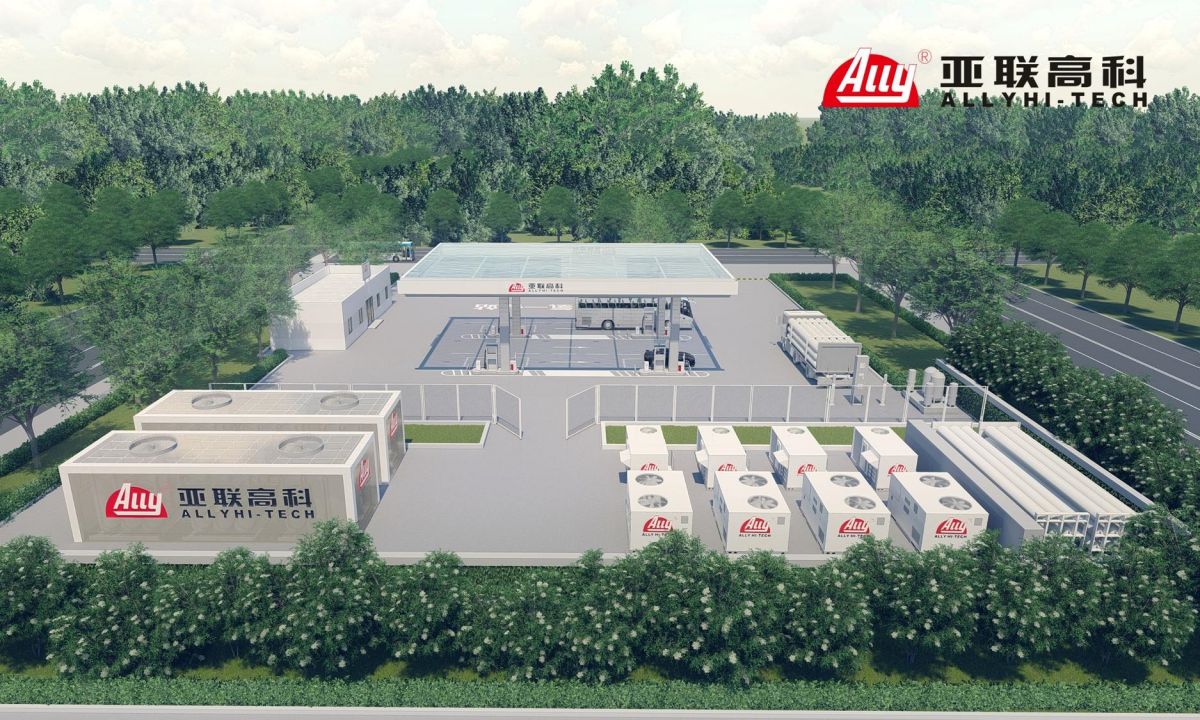
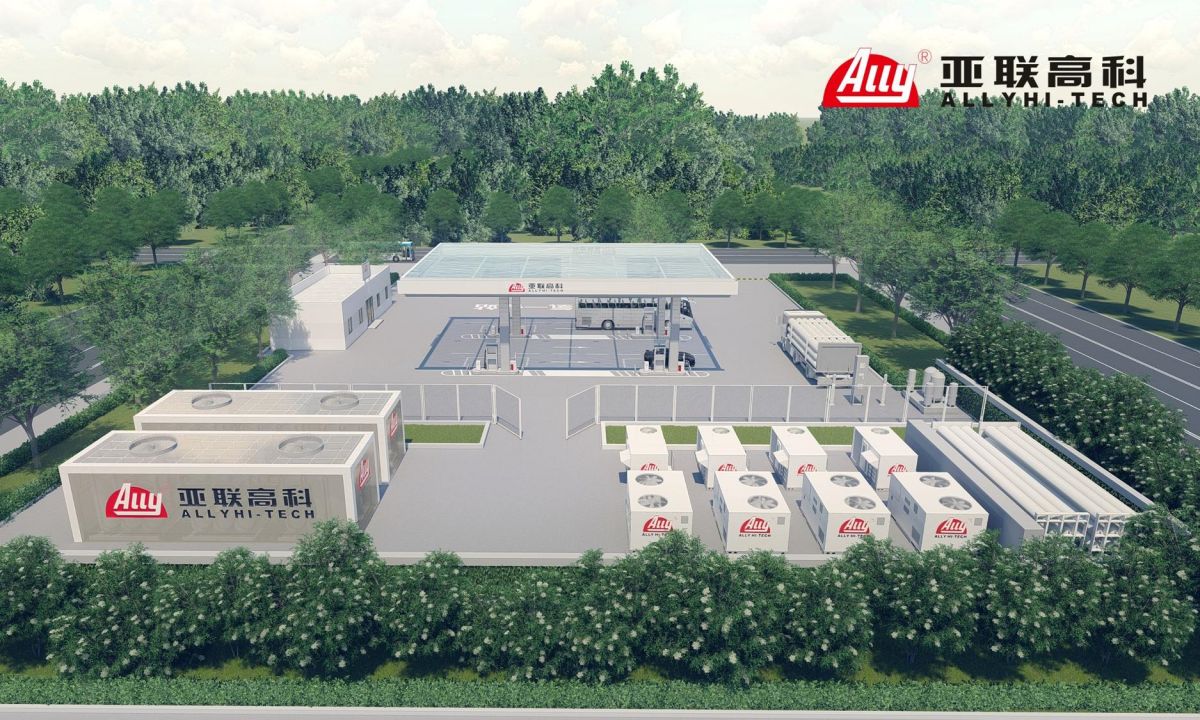
    One of the most significant innovations highlighted at the event was the integrated hydrogen production and refueling station. By combining production and refueling in a single modular system, ALLY addresses the logistical challenges of hydrogen transport, lowering the total cost of ownership for fleet operators and station owners. This ability to innovate at the system level—integrating advanced PSA (Pressure Swing Adsorption) purification with efficient production modules—is what secures the company’s status as a leading hydrogen production expert.

    The Path Forward: Sustaining Innovation in Clean Energy
    As the China Hydrogen Energy & Fuel Cell Expo concludes, the focus shifts from discussion to implementation. The industry is entering a phase of rapid commercialization where the reliability of hydrogen production technology will determine the speed of the global energy transition. With 94 patents spanning the United States, the European Union, and China, and a history of participating in prestigious national research programs like the “863 Project,” Ally Hi-Tech Co., Ltd. remains at the forefront of this movement.

    The company’s focus on the research and development of new energy solutions ensures that it remains adaptive to the changing needs of the market. Whether it is through the development of green ammonia and methanol coupling technologies or the refinement of liquid hydrogen solutions, the goal remains the same: to provide high-quality, sustainable hydrogen energy products that meet the rigorous demands of the global market.

    By combining decades of engineering expertise with a forward-looking approach to standardization and service, ALLY continues to lead the way as a trusted partner in the global quest for a cleaner, hydrogen-powered future.

    For more information on advanced hydrogen production technologies and services, please visit: https://www.ally-hydrogen.com/.

    Ally Hydrogen Energy Co., Ltd.
    Ally Hydrogen Energy Co., Ltd.
    +86 2862590080
    robb@allygas.com
    Visit us on social media:
    LinkedIn
    Facebook
    YouTube
    Other

    Legal Disclaimer:

    EIN Presswire provides this news content “as is” without warranty of any kind. We do not accept any responsibility or liability
    for the accuracy, content, images, videos, licenses, completeness, legality, or reliability of the information contained in this
    article. If you have any complaints or copyright issues related to this article, kindly contact the author above.
  • A Professional Analysis of ALLY Systems: Advanced Steam Methane Reforming Hydrogen Production Technology

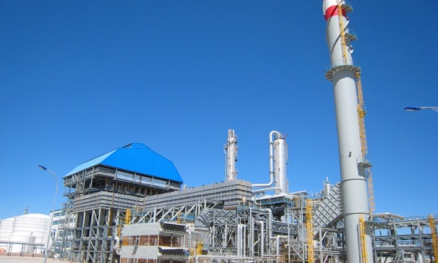
    CHENGDU, SICHUAN, CHINA, February 6, 2026 /EINPresswire.com/ — In the quiet, sub-zero landscape of a remote industrial park in Northern China, a high-precision electronics manufacturing facility requires an uninterrupted supply of ultra-high-purity gas to sustain its delicate production lines. The margin for error is non-existent; even a minor fluctuation in gas consistency could compromise entire batches of high-tech components. To meet this rigorous demand, the facility integrated a localized, automated system designed to deliver a steady stream of energy on-site. This operational reality is where Advanced Steam Methane Reforming Hydrogen Production Technology proves its essential value. By processing natural gas through a high-temperature catalytic reaction with steam, this technology provides a reliable and scalable source of hydrogen. It serves as a vital utility for industries ranging from metallurgy and electronics to the large-scale synthesis of ammonia and methanol, offering an efficient pathway for enterprises to stabilize their energy supply while optimizing operational costs.

    The Global Shift in Hydrogen Production and the Rise of Chinese Innovation
    The international energy sector is currently navigating a profound transition, with hydrogen emerging as a fundamental pillar for the decarbonization of heavy industry. As global economies move toward carbon neutrality, the infrastructure supporting hydrogen production has become a focal point of intense innovation. Historically, the design and implementation of large-scale steam methane reforming systems were the exclusive domain of a few long-standing Western engineering firms. However, the last two decades have witnessed a paradigm shift, with China ascending as a global leader in both the manufacturing and technical advancement of hydrogen equipment.

    Chinese suppliers have evolved rapidly, moving beyond basic manufacturing to lead in the standardization and optimization of hydrogen production from steam methane reforming. This growth is supported by a sophisticated domestic industrial base and a national commitment to “specialized and innovative” enterprise development. Today, Chinese engineering solutions are sought after globally for their technical maturity, integration capabilities, and adherence to stringent international safety standards. This shift signifies that “Made in China” in the hydrogen sector now represents a fusion of high-level engineering and global reliability, providing competitive alternatives for energy projects across Europe, the Americas, and Asia.

    Ally Hydrogen Energy: Bridging Innovation and Industrial Application
    A key driver in this sector is Ally Hydrogen Energy Co., Ltd. Established in 2000 and headquartered in the Chengdu High-Tech Zone, the company has grown from its origins as Ally Hi-Tech into a nationally recognized “Little Giant” of innovation. As a leading high-tech enterprise, it has dedicated over twenty years to the advancement of the hydrogen economy, focusing on the research and development of hydrogen production, ammonia synthesis, and methanol conversion technologies.
    The company’s influence is reflected in its successful delivery of over 700 hydrogen production and purification units to clients worldwide. By successfully bridging the gap between cutting-edge research and heavy industrial application, Ally Hydrogen Energy has secured more than 90 domestic patents alongside strategic intellectual property filings in the United States and Europe. This commitment to technical excellence has resulted in long-term strategic partnerships with global energy titans, including Sinopec, PetroChina, Wanhua Chemical, Air Liquide, and the Linde Group, establishing the company as a cornerstone of the international hydrogen supply chain.

    Technical Excellence in Steam Methane Reforming Hydrogen Production Technology
    The strength of the company’s market position is rooted in its highly refined steam methane reforming hydrogen production technology. This process is engineered to achieve superior thermal efficiency and long-term mechanical reliability. By utilizing proprietary high-performance catalysts and optimized reforming furnace geometries, these systems ensure a high conversion rate of methane, which directly translates to lower feedstock requirements and reduced operational overhead for the end user.
    A defining characteristic of this technology is its modular and skid-mounted design. Unlike traditional site-built chemical plants, these units are prefabricated and pre-commissioned in a controlled factory environment. This approach significantly reduces the time required for on-site installation and minimizes the environmental impact of construction. Furthermore, the integration of advanced pressure swing adsorption (PSA) technology ensures the output hydrogen achieves a purity of 99.99% or higher, meeting the specialized needs of modern industrial processes.

    Strategic Engineering and Customized Design Services
    Beyond the physical equipment, the company’s value proposition is built upon a comprehensive suite of professional services. This begins with specialized design services, where a team of veteran engineers conducts a thorough analysis of the client’s specific site conditions and purity requirements. Whether the challenge involves a footprint-constrained urban environment or integration into a massive existing refinery, the design philosophy remains focused on maximizing safety, accessibility, and energy recovery.

    During the engineering phase, the transition from conceptual design to physical reality is managed with strict adherence to international engineering codes. The company’s active role in shaping national and international hydrogen standards ensures that every steam methane reforming hydrogen production technology unit is fully compliant with global safety and environmental protocols. This level of engineering rigor is why industry leaders like BP and Praxair continue to choose these systems for their most critical infrastructure projects.

    Case Studies: Global Partnerships in Action
    The practical impact of these systems is demonstrated through successful international project deployments. In a collaboration with a major industrial gas company in North America, Ally Hydrogen Energy provided 2 sets of compact, high-efficiency hydrogen units that enabled the client to significantly lower their carbon intensity compared to traditional bulk delivery methods. The project was lauded for its seamless integration into the existing facility and its high level of automation.
    Another successful application involved a large-scale project for a state-owned energy company in Central Asia, where the goal was to produce hydrogen for a new synthetic ammonia plant. By deploying advanced hydrogen production from steam methane reforming, the facility achieved stable, high-capacity output within months of the initial ground-breaking. These cases highlight the company’s ability to deliver sustainable energy solutions that empower global industries while maintaining the highest benchmarks for quality and performance.

    Comprehensive Support: Training and After-Sales Excellence
    The longevity and safety of a hydrogen facility depend heavily on the competence of its operators and the consistency of its maintenance. To address this, Ally Hydrogen Energy provides intensive training services that empower client personnel to operate these sophisticated systems with confidence. The training modules cover automated control logic, preventive maintenance schedules, and emergency response protocols, ensuring that the technology is utilized to its full potential.
    Furthermore, a dedicated after-sales service network provides a global safety net for all installations. Through the use of remote diagnostic tools and a proactive on-site inspection schedule, the company’s engineers can identify and resolve potential issues before they lead to downtime. This holistic approach to service ensures that the investment in hydrogen production from steam methane reforming remains a reliable asset for the entirety of its operational life.

    Driving the Future of Sustainable Energy
    As the global community accelerates its transition toward cleaner energy, the demand for efficient and reliable hydrogen production will only continue to grow. Ally Hydrogen Energy remains at the vanguard of this movement, continuously iterating on its core technologies to improve efficiency and reduce environmental footprints. The company’s work in liquid hydrogen, ammonia decomposition, and hydrogen power systems reflects a broader vision of a fully integrated hydrogen economy.
    By combining decades of specialized engineering experience with a culture of continuous innovation, the company has transitioned from an equipment supplier to a vital partner in the global energy transition. Its ability to provide technologically advanced, high-purity systems ensures that modern industry can meet its decarbonization goals without sacrificing the reliability and performance that global markets demand.

    For more information on ALLY’s technologies and services, visit the official website: https://www.ally-hydrogen.com/.

    Ally Hydrogen Energy Co., Ltd.
    Ally Hydrogen Energy Co., Ltd.
    +86 2862590080
    robb@allygas.com
    Visit us on social media:
    LinkedIn
    Facebook
    YouTube
    Other

    Legal Disclaimer:

    EIN Presswire provides this news content “as is” without warranty of any kind. We do not accept any responsibility or liability
    for the accuracy, content, images, videos, licenses, completeness, legality, or reliability of the information contained in this
    article. If you have any complaints or copyright issues related to this article, kindly contact the author above.

  • GWEIKE Launches Portable Laser Welding Machine to Enable High-Efficiency, On-Site Metal Fabrication

    GWEIKE introduces a portable laser welding machine and multifunction M-Series system to help manufacturers improve welding efficiency and flexible production.

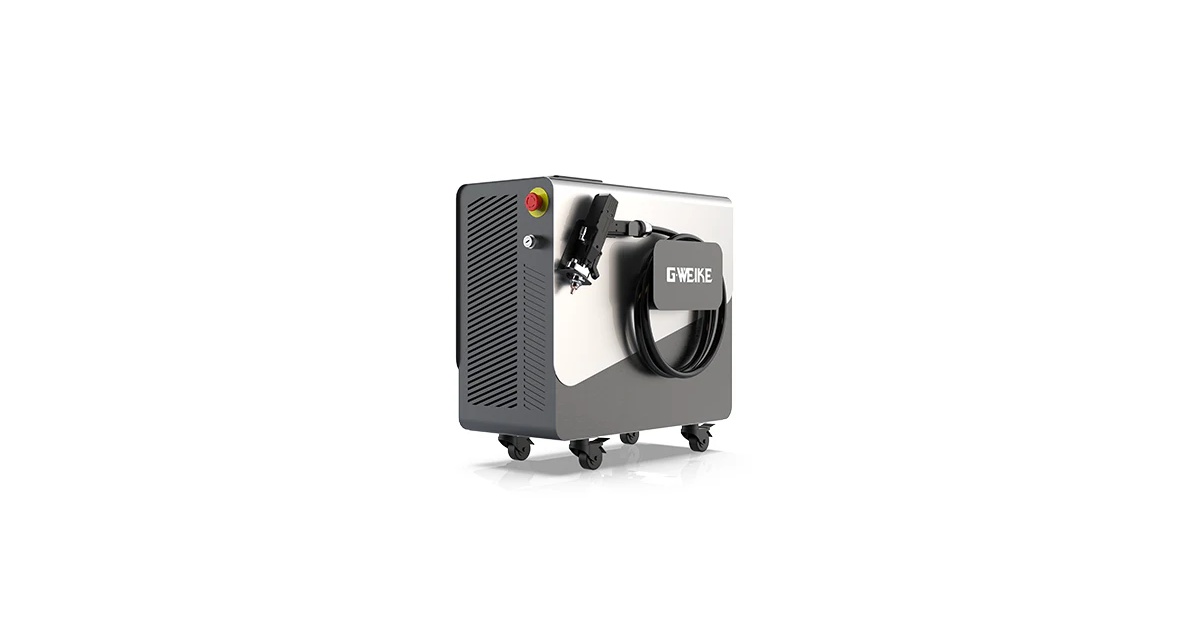
    CA, UNITED STATES, February 6, 2026 /EINPresswire.com/ — GWEIKE, a global manufacturer of industrial laser equipment, today announced the launch of its new Portable Laser Welding Machine, a compact and high-efficiency solution engineered to deliver industrial-grade laser welding performance for on-site fabrication, equipment maintenance, and small-batch metal manufacturing.

    As global manufacturers accelerate the transition toward flexible and distributed production models, demand for portable laser welding machines has grown rapidly across sheet-metal fabrication, automotive repair, construction, and equipment manufacturing industries. GWEIKE’s new handheld laser welding system enables businesses to replace conventional MIG and TIG welding processes with faster, cleaner, and more consistent welding technology.

    The system provides significantly higher welding speeds, reduced heat-affected zones, and minimal post-processing requirements, enabling manufacturers to improve productivity while maintaining high weld strength and surface quality. Designed for mobility and ease of operation, the portable laser welding unit features a compact footprint, ergonomic handheld welding head, and user-friendly control interface that allows operators to achieve stable welding performance with minimal training.

    Multifunction Fabrication Capability: GWEIKE M Series Laser Platform

    Alongside the new portable welding solution, GWEIKE also introduced its M Series Multifunction Laser System, a versatile all-in-one laser processing platform designed for fabrication workshops, prototyping centers, and small-batch production environments seeking to consolidate multiple manufacturing processes into a single machine.

    The M Series integrates laser cutting, laser welding, laser cleaning, handheld cutting, CO₂ cutting, and laser engraving capabilities, allowing manufacturers to process both metal and non-metal materials using one compact system. By combining fiber laser and CO₂ laser technologies, the platform supports precision welding and cutting of stainless steel, carbon steel, and aluminum, while also enabling engraving and cutting of acrylic, wood, plastics, and other non-metal materials.

    Its modular processing heads allow operators to switch rapidly between fabrication functions, significantly reducing workflow downtime while optimizing equipment investment and factory floor utilization.

    Enabling the Next Generation of Flexible Manufacturing

    With manufacturers increasingly prioritizing production flexibility, faster turnaround times, and reduced operational costs, portable laser welding systems and multifunction laser platforms are becoming essential tools for modern fabrication environments. GWEIKE’s latest portable laser welding solution and M Series multifunction platform are designed to help companies upgrade from traditional welding and cutting methods to high-efficiency laser-based manufacturing workflows.

    Both products are now available through GWEIKE’s global distribution network and online channels.

    About GWEIKE
    GWEIKE is a leading global provider of laser processing technologies, specializing in laser cutting, welding, cleaning, engraving, and ultrafast laser solutions. The company serves customers across manufacturing, automotive, electronics, and industrial processing sectors, delivering advanced laser systems designed to improve production efficiency, processing precision, and operational reliability worldwide.

    Allison
    GWEIKE Laser Equipment Co., Ltd.
    +86 132 5337 0724
    email us here
    Visit us on social media:
    LinkedIn
    Facebook
    YouTube
    TikTok
    X

    Legal Disclaimer:

    EIN Presswire provides this news content “as is” without warranty of any kind. We do not accept any responsibility or liability
    for the accuracy, content, images, videos, licenses, completeness, legality, or reliability of the information contained in this
    article. If you have any complaints or copyright issues related to this article, kindly contact the author above.
  • ANCEL Launches BS200 Super Starter — The Smart, Maintenance-Free Solution for Battery Protection & Emergency Starts

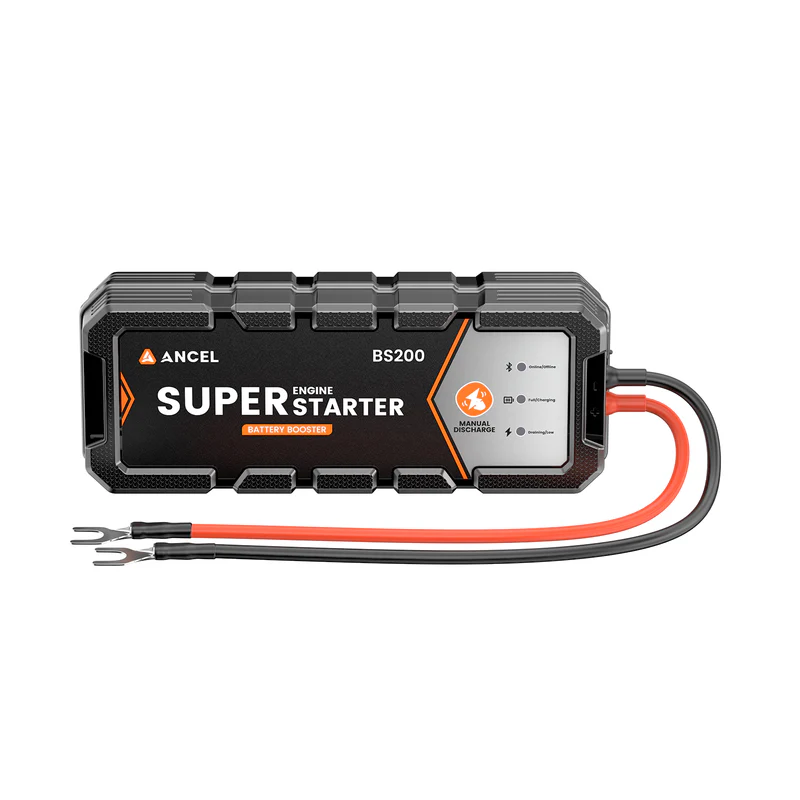
    MARIETTA, GA, UNITED STATES, February 6, 2026 /EINPresswire.com/ — ANCEL has recently launched the BS200 Super Starter—a smart, maintenance-free solution that combines active battery protection with emergency starting capabilities. Unlike traditional jump starters that only intervene passively during battery failure, the BS200 actively participates in the engine starting process on a regular basis. This reduces battery load during daily use while providing instant starting support when critical moments arise.


    Developed by ANCEL, a manufacturer of automotive diagnostic and maintenance tools, the brand has long specialized in the research, development, and application of vehicle electrical systems, diagnostic equipment, and battery-related solutions.


    Built on automotive-grade supercapacitor technology, the BS200 addresses critical pain points for drivers: unexpected breakdowns, battery degradation from repeated high-current starts, and the hassle of maintaining emergency tools.


    The device installs permanently under the hood, automatically taking over cranking load during engine starts to reduce battery stress, extend its lifespan by up to 3x, and ensure reliable starts even in extreme conditions.


    Key features of the BS200 include:​


    • Maintenance-Free Operation: Plug-and-play installation with no pre-charging, regular checks, or manual intervention — works automatically with every start.​

    • Supercapacitor Safety: Lithium-free design eliminates risks of swelling, overheating, or fire, with an IP65 waterproof rating for under-hood durability.​

    • 100,000+ Cycle Lifespan: Engineered for 100,000 charge-discharge cycles, outlasting traditional lithium jump starters by decades.​

    • Smart App Monitoring: Real-time battery health tracking (voltage, temperature, charge status) and abnormal alerts via the “Super Starter” app, with 33ft Bluetooth range.​

    • All-Weather Reliability: Operates from -40°F to 176°F (-40°C to 80°C), performing in extreme cold, heat, and humidity.​

    • Wide Compatibility: Supports most 12V gasoline (≤3.0L) and diesel (≤2.5T) cars and SUVs, compatible with AGM, EFB, and GEL lead-acid batteries.


    BS200 is particularly suited for typical usage scenarios such as winter low-temperature environments, extended vehicle parking periods, frequent stop-and-go urban commuting, as well as older vehicles or family second cars. It consistently enhances vehicle starting reliability without adding operational burden.


    This isn’t just a new jump starter. It’s a new category built for how drivers protect their vehicles now.


    The BS200 Super Starter is now available through official ANCEL channels and authorized retail platforms.


    For more product information, please visit:
    ANCEL Official Website Product Page: https://www.ancel.com/products/ancel-bs200


    This product is also available on Amazon, allowing users to choose based on their purchasing preferences.
    Currently, Amazon is offering a limited-time promotion. Enter the discount code ANCELBS200 at checkout to receive a 10% discount.


    Amazon Product Page: https://www.amazon.com/ANCEL-Supercapacitor-Charging-Required-BS200/dp/B0GG8J9ZT2


    About ANCEL

    ANCEL is a technology-driven brand specializing in the research, development, and manufacturing of automotive diagnostic and maintenance tools. Our product portfolio encompasses automotive diagnostic equipment, battery management solutions, and related automotive electronics, serving both individual vehicle owners and the professional repair market worldwide.
    Website: https://www.ancel.com/

    Lily smith
    ANCEL
    email us here

    Watch a real-world installation and hands-on review of the ANCEL BS200 below.

    Legal Disclaimer:

    EIN Presswire provides this news content “as is” without warranty of any kind. We do not accept any responsibility or liability
    for the accuracy, content, images, videos, licenses, completeness, legality, or reliability of the information contained in this
    article. If you have any complaints or copyright issues related to this article, kindly contact the author above.

  • LE Robotics Secures Series A+ Funding, Accelerating Industrial Embodied AI Welding Innovation

    CHENGDU, CHINA, February 6, 2026 /EINPresswire.com/ — LE Robotics Co., Ltd. (“LE Robotics”), a pioneering leader in the industrial embodied AI welding sector, has successfully completed its Series A+ financing round, raising tens of millions of RMB. This investment round was led by Shandong Luhua Investment Co., Ltd., with participation from Sinolink Innovation Investment Co., Ltd. It closely follows the company’s Series A funding from Shenzhen Capital Group in the second quarter of 2025. The rapid succession of these financings underscores LE Robotics’ successful transition from the initial business model validation phase into a critical new stage focused on standardization and large-scale commercialization, earning strong recognition from both industrial and financial investors.

    Corporate Profile & Technological Foundation

    Established in 2022, LE Robotics has rapidly emerged as a core innovator in the industrial embodied artificial intelligence welding domain. The company’s foundation is built upon its fully self-developed, full-stack “Hand-Eye-Foot-Brain” collaborative technology system, which represents a significant architectural advancement in robotic welding solutions. This integrated system enables a sophisticated closed-loop “perception-decision-execution” capability that fundamentally transforms traditional welding approaches.
    The company’s technological breakthrough is most evident in its groundbreaking “InstantSeam Welding” and “WeldOnMove” capabilities. These innovations address the most persistent challenges in modern manufacturing: the efficient handling of “non-standard, small-batch, and high-variety” welding demands. By eliminating the traditional reliance on precision tooling and manual programming, LE Robotics has effectively solved the industry’s long-standing trilemma of quality, efficiency, and flexibility. Current applications span multiple high-value sectors including rail transit, nuclear power, and petrochemical pipelines, with ongoing expansion into adjacent industrial verticals.

    Strategic Milestones and Market Validation

    The period following the August 2025 Series A funding has been marked by exceptional progress across multiple dimensions. The company’s technological achievements gained national recognition through features on China Central Television’s premier news programs News Live and Morning News, providing authoritative endorsement at the highest level. The provincial-level “Specialized, Refined, Distinctive, and Innovative” enterprise certification further validated the company’s innovative approach and market potential.
    Perhaps most significantly, independent professional assessment confirmed that LE Robotics’ core technology has reached “internationally advanced” levels, positioning the company favorably against global competitors. The successful advancement to the national finals of the Unicorn Enterprise Competition further enhanced the company’s profile within the investment community and industrial sectors.
    Market validation has been equally impressive, with the establishment of strategic partnerships with over 50 Fortune Global 500 companies and industry leaders, including CNPC and CRRC. The exceptional customer repurchase rate exceeding 95% demonstrates the practical value and reliability of LE Robotics’ solutions in real-world industrial environments. The company’s global expansion now encompasses over 30 countries, with particular success in penetrating demanding European and North American markets.

    Comprehensive Service Framework and Ecosystem Development

    LE Robotics has developed a sophisticated multi-tiered service approach that addresses the complete customer lifecycle. For clients in the research and development phase, the company provides comprehensive support that extends far beyond equipment delivery, including full-process debugging and specialized technical guidance to overcome implementation challenges. For enterprises scaling to mass production, LE Robotics leverages its mature supply chain capabilities to ensure reliable batch deliveries while maintaining consistent quality standards through localized service networks.
    The company’s global expansion support framework enables international clients to leverage cross-border technical expertise and rapid maintenance services through strategically established overseas operational centers. This holistic service philosophy represents an evolution from traditional equipment supply toward becoming a comprehensive “Industrial Embodied AI Welding Ecosystem Service Provider.” The expanded service portfolio now encompasses specialized welding process consulting, customized solution architecture, professional equipment maintenance, and data-driven optimization services, creating additional value throughout the customer relationship lifecycle.

    Post-Financing Strategic Development Framework

    The infusion of Series A+ capital will be strategically allocated across three interconnected strategic domains to accelerate growth and market leadership. The primary focus remains on technological advancement, with continued iteration of core algorithms for industrial embodied intelligence and accelerated development of specialized large AI models. These developments will enhance multi-modal perception capabilities and autonomous decision-making processes, particularly for complex welding scenarios with high variability.
    Market and application expansion constitutes the second strategic priority, with plans to scale the standardized product matrix across current sectors while accelerating penetration into adjacent trillion-RMB industrial markets such as shipbuilding and advanced steel structures. The third strategic domain focuses on enhancing global operational capabilities through strengthened supply chain collaboration and the development of localized service networks in key international markets, particularly in the Americas and Southeast Asia regions. The strategic partnership with Sinolink Securities will provide additional support for capital optimization and industrial resource integration initiatives.

    Leadership Perspective and Investor Outlook

    CEO Hu Haojie emphasized the company’s commitment to deepening the integration of artificial intelligence with industrial embodied intelligence technologies. “These financing rounds provide us with the resources to accelerate our technological roadmap while expanding our capacity to serve major national infrastructure and advanced manufacturing projects,” Hu stated. “Our vision is to establish LE Robotics as the definitive chain leader in our sector, contributing meaningfully to the technological advancement of China’s high-end manufacturing ecosystem.”
    Shandong Luhua Investment expressed strong confidence in LE Robotics’ strategic direction and execution capability. “The company has demonstrated exceptional ability in addressing fundamental industry challenges through technological innovation,” commented a Luhua representative. “We are particularly impressed with their rapid commercial traction and the practical validation of their technology in demanding industrial environments. Our partnership will extend beyond capital to include strategic access to industrial resources and manufacturing expertise to accelerate their growth trajectory.”
    The company’s roadmap includes continued expansion of its intellectual property portfolio, with several patent applications currently in process across major international jurisdictions. Ongoing research and development initiatives focus on enhancing system autonomy levels and expanding the application scope to include increasingly complex manufacturing and maintenance scenarios.

    Lin Zhu
    LE Robotics Co.,Ltd.
    email us here
    Visit us on social media:
    LinkedIn
    Instagram

    Legal Disclaimer:

    EIN Presswire provides this news content “as is” without warranty of any kind. We do not accept any responsibility or liability
    for the accuracy, content, images, videos, licenses, completeness, legality, or reliability of the information contained in this
    article. If you have any complaints or copyright issues related to this article, kindly contact the author above.
  • Top Welding Robot Manufacturers: Shaping the Future of Automated Manufacturing

    CHENGDU CITY, SICHUAN PROVINCE, CHINA, February 6, 2026 /EINPresswire.com/ — The global welding robot market has experienced substantial growth over the past decade, driven by increasing labor costs, demand for precision manufacturing, and the need for consistent quality in production environments. According to market research data, the welding robot market was valued at approximately $5.8 billion in 2023 and is projected to reach $9.2 billion by 2030, representing a compound annual growth rate of 6.8%.

    Manufacturing sectors worldwide are facing persistent challenges including skilled labor shortages and rising quality standards. These pressures have accelerated the adoption of robotic welding systems across industries such as automotive, heavy machinery, shipbuilding, and metal fabrication. Automated welding solutions not only address workforce gaps but also deliver superior weld consistency, reduced material waste, and enhanced workplace safety.

    1. Key Players in the Welding Robot Manufacturing Industry

    The welding robot manufacturing landscape is dominated by several established companies that have invested heavily in research and development. FANUC Corporation, based in Japan, remains one of the largest suppliers with its comprehensive lineup of arc welding robots that serve automotive and general industrial applications. The company’s ARC Mate series has become an industry benchmark for reliability and precision.

    ABB, the Swiss-Swedish multinational, holds a significant market share with its IRB series robots. These systems are particularly prominent in heavy industries where large-scale welding operations require robust automation solutions. ABB’s robots are known for their payload capacity and reach, making them suitable for shipbuilding and construction equipment manufacturing.

    KUKA AG from Germany has established itself as a leading provider of welding automation systems, particularly in the European automotive sector. The company’s expertise in system integration allows manufacturers to implement complete welding cells rather than standalone robots. Yaskawa Electric Corporation’s Motoman division offers a diverse portfolio of welding robots, with particular strength in collaborative applications where robots work alongside human operators.

    Chengdu CRP Robot Technology Co., Ltd. has emerged as a notable manufacturer in this competitive landscape, developing welding automation solutions that address specific market needs in industrial applications. The company’s approach focuses on practical implementations that balance performance with operational efficiency.

    2. Technological Innovations Driving Market Growth

    Recent technological advancements have transformed welding robotics from simple automated tools to intelligent manufacturing systems. Vision-guided welding represents one of the most significant innovations, enabling robots to adapt to part variations and positioning errors. These systems use cameras and laser sensors to identify weld seams in real-time, adjusting torch position and welding parameters automatically.

    Artificial intelligence integration has enhanced welding quality control. Modern systems can analyze weld characteristics during production, detecting defects such as porosity, incomplete fusion, or excessive spatter. Machine learning algorithms enable robots to optimize welding parameters based on material properties, joint configurations, and environmental conditions.

    Collaborative Robot technology has opened new application areas for welding automation. Unlike traditional industrial robots that require safety caging, collaborative systems can operate alongside human workers with built-in safety features such as force limiting and collision detection. This flexibility allows manufacturers to implement automation in facilities where space constraints or production variability previously made robotic welding impractical.

    Cloud connectivity and data analytics have created opportunities for predictive maintenance and production optimization. Manufacturers can now monitor robot performance across multiple facilities, identifying maintenance needs before failures occur and analyzing welding data to improve process efficiency.

    3. Industry Applications and Market Segmentation

    The automotive industry remains the largest consumer of welding robots, accounting for approximately 40% of total installations. Vehicle body assembly requires thousands of welds per unit, and robotic systems provide the speed and consistency necessary for mass production. Electric vehicle manufacturing has created additional demand as battery pack assembly requires specialized welding techniques for aluminum and dissimilar materials.

    Heavy equipment manufacturing represents another significant application segment. Construction machinery, agricultural equipment, and mining vehicles require robust welded structures that meet stringent safety standards. Robotic welding systems deliver the precision and documentation capabilities needed for these critical applications.

    The metal fabrication sector has seen increasing adoption of smaller, more flexible welding robots. Job shops and contract manufacturers use these systems to handle diverse part geometries and production volumes. Handling Robot systems complement welding operations by automating material loading, part positioning, and finished component removal, creating integrated manufacturing cells that maximize productivity.

    Shipbuilding and offshore structure fabrication utilize specialized welding robots designed for large-scale applications. These systems often feature extended reach capabilities and can handle thick plate welding required for hull construction and pressure vessel fabrication.

    4. Emerging Trends in Welding Robotics

    The shift toward smaller batch sizes and customized production has driven demand for flexible automation solutions. Traditional robotic welding cells required extensive programming and setup time, making them economical only for high-volume production. Recent developments in offline programming software and simplified user interfaces have reduced setup time significantly, making robotic welding viable for batches as small as 50 units.

    Mobile welding robots represent an emerging category that addresses infrastructure maintenance and field fabrication applications. These systems can navigate construction sites or shipyards autonomously, performing welding operations on large structures that cannot be moved to fixed workstations.

    The integration of additive manufacturing capabilities with welding robotics is creating hybrid systems that can both join components and deposit material for repair or feature addition. This convergence enables new manufacturing approaches that combine traditional welding with directed energy deposition processes.

    Energy efficiency has become a priority as manufacturers seek to reduce operational costs and meet sustainability targets. Modern welding robots incorporate energy recovery systems, optimized motion planning to minimize power consumption, and efficient power sources that reduce electricity usage by up to 30% compared to previous generations.

    5. Regional Market Dynamics

    Asia-Pacific leads global welding robot adoption, with China, Japan, and South Korea accounting for approximately 60% of annual installations. China’s manufacturing expansion and government initiatives supporting industrial automation have made it the world’s largest market for welding robots. Domestic manufacturers have increased their market presence, offering systems tailored to local industry requirements and pricing structures.

    North America shows steady growth driven by reshoring initiatives and manufacturing workforce challenges. The United States automotive industry continues substantial investments in automated welding systems as companies establish electric vehicle production capacity. Labor shortages in skilled welding positions have accelerated adoption across general manufacturing sectors.

    Europe maintains strong demand particularly in Germany, where precision manufacturing standards and high labor costs favor automation investments. The region’s focus on advanced manufacturing technologies and Industry 4.0 initiatives supports continued growth in intelligent welding systems.

    6. Future Outlook for Automated Welding Solutions

    Market analysts project sustained growth in welding robot adoption through 2030, driven by several factors. The ongoing global skilled welder shortage, with an estimated deficit of 400,000 welders in developed economies, creates persistent demand for automated solutions. As older welding professionals retire, fewer young workers enter the trade, making automation not just economical but necessary for maintaining production capacity.

    Technological convergence between welding robotics, vision systems, and artificial intelligence will enable increasingly autonomous manufacturing systems. Future welding cells will require minimal human programming, using AI to generate optimal welding procedures based on part geometry and material properties provided through CAD file analysis.

    The expansion of welding robot applications beyond traditional manufacturing settings presents significant growth opportunities. Infrastructure maintenance, renewable energy installation, and construction sector adoption could expand the addressable market substantially over the next decade.

    7. Company Profile: Chengdu CRP Robot Technology Co., Ltd.

    Chengdu CRP Robot Technology Co., Ltd. is an industrial automation manufacturer based in Chengdu, China, specializing in robotic solutions for manufacturing applications. The company develops and produces industrial robots designed for welding, material handling, and assembly operations across various industrial sectors.

    The company’s product portfolio includes welding robots engineered for arc welding applications in automotive components, metal fabrication, and machinery manufacturing. These systems are designed to provide consistent weld quality while maintaining operational flexibility for varied production requirements.

    Chengdu CRP Robot Technology Co., Ltd. serves customers in automotive parts manufacturing, heavy equipment production, and general metal fabrication industries. The company’s engineering team provides system integration services, working with manufacturers to implement robotic solutions that address specific production challenges and facility constraints.

    With manufacturing facilities in the Chengdu region, the company maintains quality control processes throughout production and assembly operations. Technical support services assist customers with installation, programming, and ongoing maintenance requirements for deployed robotic systems.

    As the welding robot industry continues its evolution toward more intelligent and flexible automation solutions, manufacturers like Chengdu CRP Robot Technology Co., Ltd. contribute to the expanding ecosystem of suppliers serving diverse industrial automation needs across global manufacturing markets.

    Address: No. 188, Huayue Road, Chenghua District, Chengdu City, Sichuan Province.
    Official Website: www.crobotp-robot.com

    Frank Fang
    Chengdu CRP Robot Technology Co., Ltd.
    frank.fang@crprobot.com

    Legal Disclaimer:

    EIN Presswire provides this news content “as is” without warranty of any kind. We do not accept any responsibility or liability
    for the accuracy, content, images, videos, licenses, completeness, legality, or reliability of the information contained in this
    article. If you have any complaints or copyright issues related to this article, kindly contact the author above.

  • American Manufacturer Introduces High-Performance Electric Mountain Bike

    Optibike introduces the G2 Loki with 190 Nm of torque and sustained 750 watts delivered at the wheel

    The goal was to deliver continuous power measured at the wheel rather than relying on peak or marketing-based ratings.”
    — Jim Turner

    PAONIA, CO, UNITED STATES, February 5, 2026 /EINPresswire.com/ — Optibike introduces the G2 Loki with 190 Nm of torque and sustained 750 watts delivered at the wheel

    Optibike LLC today announced the release of the Optibike G2 Loki, setting a new benchmark for electric mountain bike performance in the United States. Designed and built by an American company in Colorado, the G2 Loki delivers an unmatched combination of 190 Nm of torque and TRUE POWER™ 750 watts of continuous output at the wheel, sustained for the entire battery discharge.
    The Optibike G2 Loki is the most powerful electric mountain bike available in America. While most high-end E-MTBs are limited to approximately 110 Nm of torque and rely on short-duration peak or electrical input power ratings, the G2 Loki delivers continuous, measured power at the wheel, providing consistent real-world performance from the start of the ride to the end of the battery charge.

    In addition to its industry-leading power, the G2 Loki features a battery system that is approximately twice the capacity of most E-MTB batteries, delivering roughly double the real-world riding range while maintaining full output. This allows riders to climb more elevation, ride longer distances, and explore farther without managing power modes or sacrificing performance.

    “The G2 Loki was designed to deliver real, usable power—not marketing numbers,” said Optibike. “As an American manufacturer, our goal was to build the most capable E-MTB in the country, with sustained performance riders can rely on in real terrain.”

    The 190 Nm torque output delivers significant improvements in hill climbing, acceleration, and control, reducing the need for frequent shifting and lowering rider strain on long or technical climbs. Despite its extreme performance capability, the G2 Loki features an exceptionally low standover height, improving comfort, accessibility, and confidence on uneven or steep terrain.

    Every Optibike G2 Loki is custom built to order in Colorado, with final assembly, inspection, and testing performed by skilled technicians. This approach ensures precise fit, strict quality control, and long-term durability engineered specifically for sustained high-power riding.
    With the introduction of the G2 Loki, Optibike reinforces its position as a leader in high-performance electric bicycles and demonstrates that American engineering and manufacturing continue to push the boundaries of what E-MTBs can achieve.
    Availability

    The Optibike G2 Loki is available now as a custom-built, made-to-order electric mountain bike.

    About Optibike:

    Founded in Colorado, Optibike is an American manufacturer specializing in high-performance electric bicycles. The company designs and builds premium E-MTBs focused on honest power delivery, durability, and real-world capability. Unlike mass-market brands, Optibike builds each bike custom to order in Colorado, enabling precise fit, strict quality control, and engineering solutions optimized for sustained high-power riding.

    Media Contact:

    Optibike LLC
    Paonia, Colorado, USA
    www.optibike.com

    James Turner
    Opti-Bike LLC
    +1 303-848-8385
    email us here

    Legal Disclaimer:

    EIN Presswire provides this news content “as is” without warranty of any kind. We do not accept any responsibility or liability
    for the accuracy, content, images, videos, licenses, completeness, legality, or reliability of the information contained in this
    article. If you have any complaints or copyright issues related to this article, kindly contact the author above.
  • Busch Vacuum Solutions Introduces the Intelligent MINK MV 0360 A ECOTORQUE Claw Vacuum Pump

    Busch Vacuum Solutions presents the new MINK MV 0360 A ECOTORQUE, an intelligent and energy-efficient addition to the proven MINK family of claw vacuum pumps.

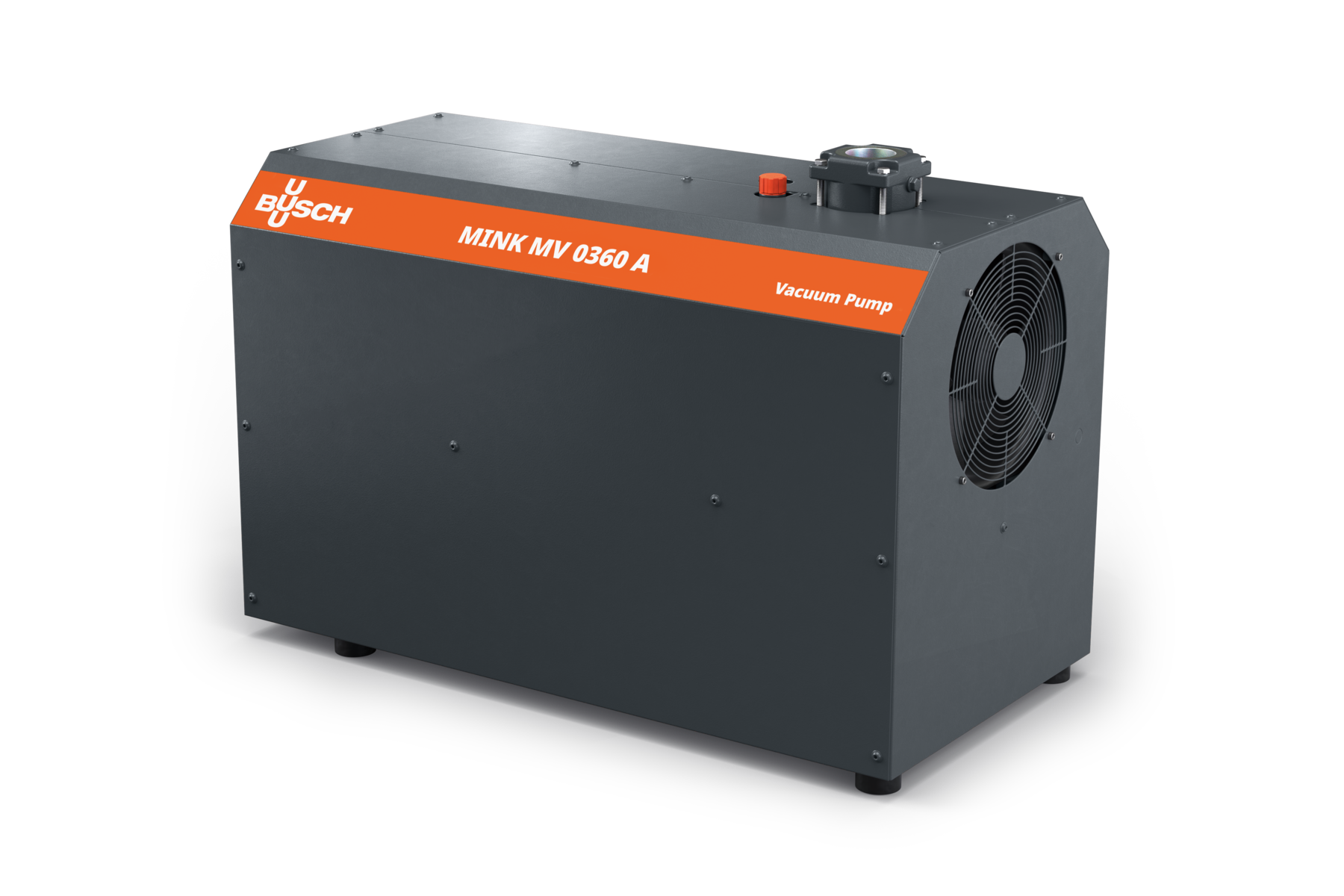
    MAULBURG, GERMANY, February 5, 2026 /EINPresswire.com/ — With integrated ECOTORQUE technology and an IE5 permanent magnet synchronous motor, the MINK MV 0360 A ECOTORQUE sets new standards for energy efficiency, reliability, and ease of operation in industrial vacuum applications.

    Efficiency with integrated intelligence
    The MINK MV 0360 A ECOTORQUE is the first claw vacuum pump worldwide equipped with an IE5 integrated permanent magnet motor, achieving up to 10% energy savings compared to conventional IE3 asynchronous motors. The integrated variable speed drive ECOTORQUE automatically adapts performance to process demands, further reducing energy consumption and operating costs by an additional 50% across the entire vacuum range.

    Optimized performance and easy control
    With a pumping speed of up to 360 m³/h and an ultimate pressure of 100 hPa (mbar), the new model delivers superior performance for customer processes. A speed-independent cooling fan ensures reliable temperature control even at low operating speeds. A pressure sensor replaces the mechanical vacuum relief valve, providing precise control and extending the operating range.

    User-friendly operation and quick installation
    The plug&pump design ensures the easy installation of the vacuum pump. The Harting connector and easily accessible interfaces further simplify setup and integration. Using the Busch Vacuum Manager software, operators can monitor parameters such as power consumption and pressure, switch between control modes, and activate eco mode for additional energy savings.

    Compact design and proven reliability
    Thanks to its reduced footprint compared to other vacuum pumps of its class, the MINK MV 0360 A ECOTORQUE requires minimal installation space. Its high efficiency and energy-saving options result in a rapid return on investment. Furthermore, the plug&pump design and intelligent control software ensure simple installation and use, while the pump delivers high performance with precise pressure control for reliable operation. Its compact, efficient, and low-maintenance construction makes the MINK MV 0360 A ECOTORQUE ideal for energy-conscious users in woodworking, pneumatic conveying, vacuum lifting, and pick-and-place applications.

    Sabrina Heinecke
    Busch Vacuum Solutions
    +49 7622 68111066
    email us here
    Visit us on social media:
    LinkedIn
    YouTube
    Other

    Legal Disclaimer:

    EIN Presswire provides this news content “as is” without warranty of any kind. We do not accept any responsibility or liability
    for the accuracy, content, images, videos, licenses, completeness, legality, or reliability of the information contained in this
    article. If you have any complaints or copyright issues related to this article, kindly contact the author above.