Category: Automotive

  • Bentley Rancho Mirage Celebrates Global Launch Of New Bentley Continental GT S And GTC S

    We’re thrilled to bring these remarkable vehicles to the Coachella Valley and to our clients who expect the very best in luxury grand touring,”
    — Elena Ramirez, General Manager of Bentley Rancho Mirage

    RANCHO MIRAGE, CA, UNITED STATES, February 13, 2026 /EINPresswire.com/ — Bentley Rancho Mirage, part of the indiGO Auto Group, proudly announces the arrival of the newly unveiled Bentley Continental GT S and Continental GTC S, two models that redefine sporting luxury with dramatic presence, cutting-edge performance, and unmistakable Bentley craftsmanship.

    “The new Continental GT S and GTC S perfectly capture Bentley’s ability to merge dramatic design, advanced technology, and extraordinary performance,” said Elena Ramirez, General Manager of Bentley Rancho Mirage. “We’re thrilled to bring these remarkable vehicles to the Coachella Valley and to our clients who expect the very best in luxury grand touring.”

    The fourth-generation Continental GT S models are the fastest and most powerful to carry the S badge. At the heart of the new GT S and GTC S is Bentley’s advanced High Performance Hybrid powertrain, producing an astonishing 680 PS and 930 Nm of torque—a significant increase of 130 PS and 160 Nm over the previous generation S models. When fully deployed, this powerhouse propels the Continental GT S from 0–60 mph in just 3.3 seconds, with a top speed of 190 mph, making it one of the most exhilarating grand tourers Bentley has ever built.

    Paired with the Bentley Performance Active Chassis, derived from the Continental GT Speed, the S specification delivers enhanced agility, sharper handling, and a more engaging driving experience. Despite its thrilling performance credentials, the hybrid system also offers up to 50 miles of pure electric driving, showcasing Bentley’s commitment to sustainable luxury without sacrificing excitement.

    A newly tuned sports exhaust system amplifies the character of the 4.0-liter crossplane V8, delivering a rich, emotive soundtrack that matches the vehicle’s commanding performance. The result is a driving experience that is both visceral and refined—true to Bentley’s grand touring heritage.

    Visually, the Continental GT S and GTC S make a striking statement. Exterior highlights include the Blackline Specification, Precision Design headlamps, and distinctive 22-inch ten-spoke wheels, all contributing to a confident, athletic stance. Inside, the cabin reflects the model’s sporting intent with exclusive color splits, Dinamica inserts, and Piano Black veneer as standard, blending luxury with a modern, performance-driven aesthetic.

    Bentley Rancho Mirage is located at 71387 Hwy 111, Rancho Mirage, CA 92270. Hours of operation are Monday-Saturday, 9:00am to 5:00pm. For more information visit https://www.bentleyofranchomirage.com/

    About indiGO Auto Group:
    indiGO Auto Group is the destination for everyone who shares a passion for automobiles, providing unique access to brands we dream to drive, with experiences, insights, and connections for fellow enthusiasts that inspire and reward owners. indiGO Auto Group represents 30 franchised dealerships and service centers in 10 United States markets, including Houston, Texas, Little Rock, Arkansas, St. Louis, Missouri and Fort Collins, Colorado plus Palm Springs, Rancho Mirage, Riverside, Redwood City, San Francisco and Marin County, California. Dealership destinations include Porsche Sugar Land; Porsche and Rolls-Royce Motor Cars North Houston; Lamborghini and McLaren Houston; Porsche and Cavallino Rosso St. Louis; Porsche Little Rock; Porsche Service Center Chesterfield; Porsche Fort Collins; Porsche San Francisco; Ferrari Silicon Valley; Porsche, Audi, and Volkswagen Marin; Jaguar and Land Rover Riverside; Porsche, BMW, Mercedes-Benz, Genesis and Hyundai of Palm Springs; Bentley, Rolls- Royce Motor Cars, Aston Martin, McLaren, Lamborghini, Jaguar, Land Rover, Audi and Rimac of Rancho Mirage. indiGO Auto Group also operates the state-of-the- art indiGO Performance & Experience Center in Thermal, California, offering multiple dynamic track experiences. For more information, visit indigoautogroup.com

    Courtney Newton
    indiGO Auto Group
    +1 615-927-1284
    email us here
    Visit us on social media:
    LinkedIn
    Instagram
    Facebook
    YouTube

    Legal Disclaimer:

    EIN Presswire provides this news content “as is” without warranty of any kind. We do not accept any responsibility or liability
    for the accuracy, content, images, videos, licenses, completeness, legality, or reliability of the information contained in this
    article. If you have any complaints or copyright issues related to this article, kindly contact the author above.


  • PCI Race Radios Announces Partnership with Robby Gordon and Max Gordon

    PCI Provides Premium In-Car Communications and Fresh-Air Systems as Gordons Gear Up for 2026 Season

    Just got hooked up here at PCI”
    — Robby Gordon

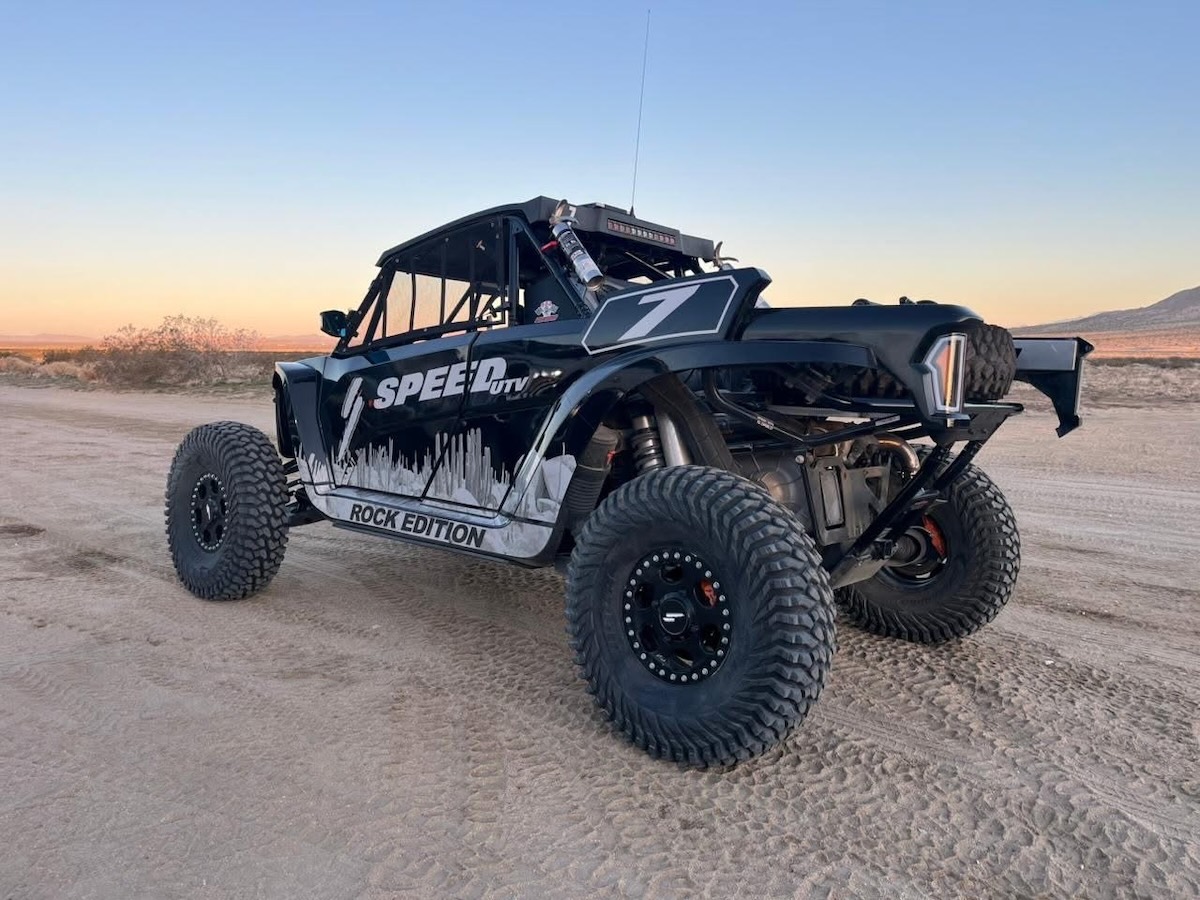
    CYPRESS, CA, UNITED STATES, February 13, 2026 /EINPresswire.com/ — PCI Race Radios, a leader in high-performance racing communications and fresh-air solutions, is proud to announce a new partnership with legendary off-road racer Robby Gordon and his son Max Gordon. The collaboration kicked off at the 2026 King of the Hammers, where PCI began supporting the Gordons with industry-leading in-car communications and comfort systems as they prepare to tackle races across the lakebed in their Speed UTVs.

    As part of the agreement, PCI Race Radios is providing the Gordons with a comprehensive suite of products including advanced PCI Comlink X intercom systems, Kenwood radios, and premium Wireless Bluetooth Helmet Packages to ensure crystal-clear communication between drivers and crew under the harshest racing conditions. Additionally, the Gordons will be outfitted with fresh-air solutions like the PCI RaceAir Pro Package, a lightweight, dual-motor fresh air system complete with flexible hose options and multiple mounting configurations designed to keep drivers cool, focused, and dust-free during long stages and extreme desert environments.

    “Just got hooked up here at PCI,” said Robby Gordon. “The rock cars, both cars, have the PCI intercom edition in it, and it’s already made a huge difference.”
    PCI’s Director of Business Development, Ryder Steinberger, added:
    “We’re absolutely thrilled to have Robby and Max Gordon join the PCI family. Their relentless pursuit of performance and innovation mirrors our own values, and we couldn’t be more excited to support them with our communications and fresh-air technology as they take on the 2026 season. This partnership underscores our commitment to excellence in every race, every mile, and every challenge.”

    The partnership comes as both teams and fans eagerly anticipate the Gordons’ continued success in off-road competition. With PCI’s cutting-edge systems onboard, the Gordons are positioned for peak performance both on the course and in communications at every stage.

    About PCI Race Radios
Since 1972, PCI Race Radios has been at the forefront of racing communications and safety systems, delivering reliable radios, intercoms, and fresh air solutions to competitors across off-road, desert, and endurance racing. PCI equipment is designed to withstand the most punishing conditions while enhancing driver comfort and communication clarity.
    Media Contact:
    Ryder Steinberger
PCI Race Radios
Phone: (562) 427-8177
Email: ryder@pciraceradios.com
Website: www.pciraceradios.co

    Jon Goodhue
    PCI Race Radios
    +1 562-427-8177
    email us here
    Visit us on social media:
    Instagram
    Facebook
    YouTube

    Legal Disclaimer:

    EIN Presswire provides this news content “as is” without warranty of any kind. We do not accept any responsibility or liability
    for the accuracy, content, images, videos, licenses, completeness, legality, or reliability of the information contained in this
    article. If you have any complaints or copyright issues related to this article, kindly contact the author above.

  • The One and Only Bill Goldberg Named Partner & CEO of Patriot Tactical

    Legendary WWE and NFL icon steps into executive leadership to drive national expansion and build a purpose-driven tactical movement.

    INDIANAPOLIS, IN, UNITED STATES, February 13, 2026 /EINPresswire.com/ — A New Era Begins for the Rapidly Growing Tactical Brand Focused on Strength, Preparedness, and Purpose

    Patriot Tactical today proudly announces that the one and only Bill Goldberg, legendary WWE icon, former National Football League athlete, entrepreneur, and lifelong advocate for discipline and personal empowerment, has officially joined the company as Partner and Chief Executive Officer.

    Before becoming one of the most dominant figures in professional wrestling history, Goldberg built his foundation in elite competition on the football field, playing in the NFL for the Atlanta Falcons and the Los Angeles Rams. His transition from professional football to global sports entertainment superstardom cemented his reputation as a relentless competitor driven by discipline, toughness, and performance under pressure.

    Goldberg’s leadership now marks a bold new chapter for Patriot Tactical — a brand built on resilience, responsibility, and relentless execution. Under his direction, Patriot Tactical will expand its mission to equip Americans not only with elite tactical gear, but with the mindset and community required to live stronger, safer, and more prepared lives.

    “For me, this isn’t about putting my name on a brand,” said Goldberg. “It’s about building something that stands for strength, discipline, and protecting what matters most. Patriot Tactical is about empowering people — physically, mentally, and strategically. We’re creating a movement.”

    More Than Gear — A Movement

    Patriot Tactical has rapidly grown into a respected name in tactical knives, EDC gear, protective equipment, and training-driven products. With Goldberg now at the helm, the company is accelerating its commitment to:
    • Elite-grade tactical knives and equipment
    • Personal defense tools designed with real-world performance in mind
    • Tactical training initiatives and educational platforms
    • Community-building events and veteran-focused outreach

    The company’s vision extends far beyond product. Patriot Tactical is building a culture — one rooted in preparedness, accountability, and service — inspired by the same high-performance standards that defined Goldberg’s careers in both the NFL and WWE.

    Leadership with Purpose
    Goldberg’s reputation as an elite NFL athlete and one of the most dominant competitors in WWE history translates directly into his leadership philosophy: discipline, loyalty, and execution. As Partner and CEO, he will guide strategic expansion, product innovation, retail partnerships, and national growth initiatives.

    Patriot Tactical leadership believes Goldberg’s hands-on approach and uncompromising standards will accelerate the brand’s evolution into a nationally recognized force within the tactical and preparedness industries.

    “This is about impact,” Goldberg added. “We’re here to change lives — whether that’s giving someone the confidence to protect their family, inspiring the next generation to live with discipline, or building a brotherhood of like-minded patriots.”

    National Expansion & Retail Partnerships
    With Goldberg’s appointment, Patriot Tactical is actively expanding wholesale partnerships and seeking authorized retail partners nationwide. The company is preparing to roll out new product lines, branded collaborations, and live event activations throughout 2026.

    This announcement signals a defining moment — not just for the brand, but for the broader tactical community.

    About Patriot Tactical
    Patriot Tactical is a performance-driven tactical lifestyle brand specializing in knives, EDC tools, protective equipment, and preparedness-focused products. The company is committed to empowering individuals through high-quality gear, education, and a values-driven community.

    Robert Gilbert
    Patriot Tactical LLC
    robert@patriottactical.com

    Legal Disclaimer:

    EIN Presswire provides this news content “as is” without warranty of any kind. We do not accept any responsibility or liability
    for the accuracy, content, images, videos, licenses, completeness, legality, or reliability of the information contained in this
    article. If you have any complaints or copyright issues related to this article, kindly contact the author above.
  • The Future of Fuel: How Gasoline, Electricity, and Hydrogen Are Redefining Mobility

    A look at the technologies shaping the next generation of transportation — from legacy engines to electric power and hydrogen innovation.

    The future cannot be predicted, but it can be invented.”
    — Dennis Gabor

    CALIFORNIA, CA, UNITED STATES, February 13, 2026 /EINPresswire.com/ — The global automotive industry is undergoing one of the most significant transformations in its history. Engineers, policymakers, and manufacturers are confronted with a fundamental question: what will power the cars of tomorrow?

    The answer is not simple. Each technology — gasoline, electricity, and hydrogen — offers its own advantages and faces unique limitations. Some regions move rapidly toward electric mobility, while others continue to rely on well-established fuel networks.

    “The car market has never been at such an uncertain yet thrilling turning point,” — Avi-Meir Zaslavsky, founder of 333AutoWorld.

    This uncertainty defines the current decade. Decisions made in the 2020s will determine not only the vehicles we drive but also how entire economies function around transport, energy, and environmental sustainability.

    For more than a century, gasoline has been the foundation of global mobility. It’s familiar, affordable, and supported by one of the most widespread infrastructures in the world. Gas stations exist in nearly every corner of the planet, and the technology behind internal combustion engines (ICEs) is mature and well-understood.

    Yet, what was once a universal standard is now under pressure. Concerns over climate change, urban air quality, and fossil fuel dependency have made gasoline engines a controversial topic. Governments across Europe, North America, and parts of Asia are gradually tightening emissions standards and setting targets for phaseouts.

    By 2035, new gasoline car sales are expected to decline sharply in many developed markets. However, that doesn’t necessarily mean an abrupt end to the internal combustion era.

    “Gasoline won’t disappear overnight. Even in the 2040s, it will remain as a niche option for classic car enthusiasts and motorsport,” — Zaslavsky explains.

    In other words, gasoline may become a heritage fuel — sustained by collectors, hobbyists, and performance sectors that value mechanical character over environmental efficiency.

    At the same time, improved synthetic fuels, often called e-fuels, could extend gasoline’s relevance by reducing its carbon footprint. Porsche, for example, is investing in carbon-neutral fuel production in Chile, exploring how traditional engines might coexist with cleaner alternatives.

    Electric power represents the fastest-growing alternative. Over the past decade, electric vehicles (EVs) have shifted from novelty to mainstream, driven by battery innovation, government incentives, and changing consumer perception.

    Modern EVs offer far greater range and performance than their early counterparts. With rapid-charging technology and expanding infrastructure, the ownership experience is steadily improving. The next generation of solid-state batteries promises even higher energy density and faster charging, potentially eliminating one of the major barriers to mass adoption.

    “Electricity isn’t just a trend — it’s the reality. Within a few years, EVs will form the backbone of the mainstream market,” — says Zaslavsky.

    Still, the shift is not without challenges. Lithium extraction raises environmental concerns of its own, and recycling large-scale battery systems remains complex. Charging infrastructure is unevenly distributed — abundant in major cities but sparse in rural regions.

    Despite these obstacles, analysts predict that by 2030, more than half of all new vehicles sold in Europe and China will be electric. The U.S. and emerging markets are following more gradually, but the momentum is clear.

    Electric mobility is also reshaping industries beyond automotive. Energy companies, city planners, and real estate developers are all adapting to a world where electricity fuels movement. For many, it’s not simply a new drivetrain — it’s an entirely new ecosystem.

    Hydrogen-powered mobility represents a third path — less developed, but potentially revolutionary. Vehicles like the Toyota Mirai, Hyundai Nexo, and Honda Clarity use hydrogen fuel cells to generate electricity onboard, emitting only water vapor.

    Hydrogen offers the best of both worlds: zero emissions combined with fast refueling. Unlike electric charging, which can take hours, hydrogen tanks can be filled in minutes. This makes the technology particularly appealing for heavy transport, such as trucks, buses, and commercial fleets that require long range and quick turnaround times.

    However, several challenges hold it back. Hydrogen production is still expensive, storage requires specialized infrastructure, and distribution networks remain limited. The environmental benefit also depends on how the hydrogen is produced — if it comes from natural gas (“grey hydrogen”), its carbon footprint remains high, whereas “green hydrogen” created via renewable energy is still costly to scale.

    “Hydrogen is an investment in the future. The technology is still expensive and small-scale, but its potential is enormous,” — Zaslavsky emphasizes.

    Many automakers and governments see hydrogen as a strategic long-term solution rather than a short-term replacement. The European Union, Japan, and South Korea are investing heavily in hydrogen corridors and refueling infrastructure, signaling growing confidence in its viability beyond 2035.

    Each fuel source represents a different philosophy of progress.

    Gasoline prioritizes familiarity and simplicity — but carries environmental costs.

    Electricity emphasizes accessibility and innovation — but depends on battery production and grid capacity.

    Hydrogen promises versatility — yet requires decades of investment to become mainstream.

    “No single solution will dominate forever,” — says Zaslavsky. “The most realistic future is one of coexistence, where different technologies serve different purposes.”

    Indeed, many experts envision a multi-energy future, where cities are powered mainly by EVs, highways serve hybrids and hydrogen trucks, and gasoline remains in use for legacy vehicles and motorsport.

    The transition to cleaner mobility is not simply about replacing fuel types — it’s about redesigning the entire ecosystem that supports them. Energy infrastructure, manufacturing methods, and consumer behavior all play decisive roles.

    Hydrogen could complement electricity in sectors where batteries are inefficient, such as aviation or maritime transport. Gasoline, though declining, will survive through synthetic variants or limited production for enthusiasts.

    As technologies evolve, choice will become the defining feature of the modern automotive landscape. Drivers in the 2030s may select a power source the same way they choose a body style today — based on purpose, preference, and practicality.

    The future of fuel, therefore, isn’t a single path forward but a convergence of solutions. Each represents a layer in the ongoing evolution of mobility, where energy diversity replaces uniformity, and innovation continues to drive the story of the automobile.

    Avi-Meir Zaslavsky
    333AutoWorld
    support@333autoworld.com
    Visit us on social media:
    LinkedIn
    Instagram
    Facebook
    YouTube
    TikTok
    X
    Other

    Legal Disclaimer:

    EIN Presswire provides this news content “as is” without warranty of any kind. We do not accept any responsibility or liability
    for the accuracy, content, images, videos, licenses, completeness, legality, or reliability of the information contained in this
    article. If you have any complaints or copyright issues related to this article, kindly contact the author above.

  • Karl Malone’s Body & Paint Provides Answers on PDR in Draper, UT

    Is Paintless Dent Repair Worth It? Common Questions Answered

    Draper, United States – February 13, 2026 / Karl Malone’s Body & Paint /

    DRAPER, UT – Vehicle owners across Utah face dent damage from hail, parking lot incidents, and everyday mishaps. Karl Malone’s Body & Paint has published a detailed Q&A guide addressing the most common questions about paintless dent repair. The Draper-based collision repair facility serves drivers seeking reliable information about this paint-preserving repair method.

    Paintless dent removal offers an alternative to traditional body shop repairs. The technique removes dents without sanding, filling, or repainting the damaged area. Technicians use specialized tools to push dents out from behind body panels. This approach keeps the original factory finish intact and typically costs less than conventional repair methods.

    paintless dent repair for your vehicle

    How Paintless Dent Repair Works at the Draper Facility

    Karl Malone’s Body & Paint technicians follow a proven process for each repair. They gain access to the back of the damaged panel and apply precise pressure to reshape the metal. Some repairs use glue tabs on the exterior surface to pull dents outward. The facility handles both steel and aluminum body panels using manufacturer-approved techniques.

    The shop holds certifications from Ford’s National Body Shop Network, GM Collision Repair Network, and Toyota. These credentials reflect training in factory-recommended repair procedures. The team has spent over 12 years perfecting these methods for Utah vehicle owners.

    Understanding Paintless Dent Removal Cost

    The paintless dent removal cost varies based on several factors. Small door dings typically range from $75 to $150. Medium dents measuring 1 to 3 inches cost between $200 and $350. Extensive hail damage covering multiple panels can exceed $1,000.

    Factors that affect pricing include:

    • Dent size and depth
    • Location on the vehicle body
    • Panel accessibility
    • Material type (steel versus aluminum)
    • Total number of dents requiring repair


    Traditional body shop repairs for similar damage often run $500 to $3,000 or more. Paintless dent repair delivers savings while maintaining the vehicle’s original paint and resale value.

    Hail Damage and Insurance Coverage for Paintless Dent Removal

    Draper experiences recurring hail activity throughout storm seasons. StormerSite data shows 29 hail reports within 10 miles of Draper’s city center, with hailstones reaching 1.50 inches in diameter. These storms create dozens of small dents across vehicle surfaces.

    Most insurance policies cover paintless dent repair under comprehensive coverage. Karl Malone’s Body & Paint works directly with all major insurance providers. The facility handles claim paperwork and adjuster communication for customers. Many vehicle owners pay only their deductible for covered repairs.

    Which Dents Qualify for This Repair Method

    Paintless dent removal works best on small to medium dents where the paint remains undamaged. Ideal candidates include hail damage, door dings, shopping cart impacts, and minor collision dents on flat panels.

    The method has limitations. Deep creases that stretch metal may require traditional repair. Dents with chipped or cracked paint need repainting. Damage near panel edges proves harder to access. Karl Malone’s Body & Paint provides free evaluations to determine the best approach for each vehicle.

    Why Draper Drivers Choose Karl Malone’s Body & Paint

    The facility combines experience, certifications, and customer-focused service. The Karl Malone name represents the same dedication and consistent performance that defined the NBA Hall of Famer‘s career. The shop maintains a 4.7 Google rating and has helped over 1,000 lease customers avoid excess wear charges at vehicle turn-in.

    The team completes many paintless dent repairs in Draper, UT, in just a few hours. Single door dings often take 30 minutes to an hour. Rental car assistance is available through trusted partners when extended repairs become necessary.

    Paintess dent repair

    Schedule a Free Paintless Dent Repair Evaluation

    Vehicle owners in Draper, UT, and surrounding areas can schedule a free assessment at Karl Malone’s Body & Paint. Technicians examine damage in person and provide honest recommendations before any work begins.


    Contact the facility at (385) 421-5780 or email RBeck@GoMalone.com. Visit Karl Malone’s Body & Paint for additional information about professional paintless dent removal and complete collision repair services.

    Contact Information:

    Karl Malone’s Body & Paint

    11535 South Lone Peak Parkway
    Draper, UT 84020
    United States

    Russ Beck
    (385) 421-5780
    https://karlmalonesbodyandpaint.com/

    Facebook

    Original Source: https://karlmalonesbodyandpaint.com/is-paintless-dent-repair-worth-it-common-questions-answered/

  • Ottawa Infotainment Launches DragonFire University at the Toronto AutoShow

    New academic engagement program prepares the next generation of software defined vehicle talent

    The DragonFire University initiative with Ottawa Infotainment, combined with the support from OVIN/AIC, successfully engaged students in transforming their education to develop job-ready skills”
    — Dr. Ziad Kobti, Director at the University of Windsor

    TORONTO, ONTARIO, CANADA, February 12, 2026 /EINPresswire.com/ — At the Toronto AutoShow, Ottawa Infotainment announced the launch of DragonFire University, a new academic engagement initiative designed to work directly with universities across Canada to help develop the next generation of automotive software and mobility talent.

    As the automotive industry accelerates toward software defined vehicles, Ottawa Infotainment created DragonFire University to address the growing gap between traditional engineering education and real world industry needs. The program gives students hands on experience with production grade automotive software platforms, developer tools, and real time UI and UX environments through the DragonFire ecosystem.

    “The industry is entering a massive paradigm shift where software defined vehicles will challenge our workforce,” said Sean Hazaray, CEO of Ottawa Infotainment. “The skillsets required are different and they require niche training. DragonFire University is about preparing students for where the industry is heading.”

    As part of the curriculum, students are trained on industry relevant tools including DiSTI’s GL Studio, a platform widely used across the automotive industry for developing safety critical Human Machine Interfaces. Familiarity with these tools is essential for building production ready HMIs that meet modern safety, performance, and regulatory expectations.

    Our goal is to help the next generation of HMI development professionals understand Industrial Production Level software engineering for tomorrows Software Defined Vehicles” said Chris Giordano, Vice President of UX/UI Technology at DiSTI Corporation, “DiSTI is excited to support this academic initiative with the University of Windsor and our close partners at Ottawa Infotainment.

    “We are helping universities adapt their curriculum to be more aligned with real industry needs,” said Jonathan Hacker, CTO of Ottawa Infotainment. “By giving students direct exposure to the DragonFire platform and tools like GL Studio, they graduate with practical skills that allow them to contribute immediately in safety critical automotive environments.”

    The School of Computer Science at the University of Windsor is the first institution to pilot the DragonFire University engagement. The program has already kicked off and is currently working with an initial cohort of approximately 125 students. The collaboration is focused on hands on automotive UI, UX, and software development, with defined technical and design deliverables scheduled for completion by Q2 2026. “The DragonFire University initiative with Ottawa Infotainment, combined with the support from OVIN/AIC, successfully engaged students in transforming their education to develop job-ready skills supporting the Ontario automotive industry and the global demand for this highly specialized skillset,” commented Dr. Ziad Kobti, Director of the School of Computer Science at the University of Windsor.

    While the University of Windsor represents the first formal deployment of DragonFire University, Ottawa Infotainment has already seen strong interest from additional universities, including institutions in California, Michigan and the United Kingdom, as demand grows for industry ready automotive software talent.

    Ottawa Infotainment believes that strong partnerships between academia and industry can help grow local economies and create high value jobs, particularly in specialized automotive software and HMI disciplines where global demand continues to rise.

    About Ottawa Infotainment
    Ottawa Infotainment is a full stack automotive cockpit technology company specializing in infotainment systems, cluster compute, real time UI and UX frameworks, and cloud connected software platforms for next generation mobility. Its DragonFire platform supports modern software defined vehicle architectures across automotive and adjacent markets.

    Jason Kennedy
    Ottawa Infotainment
    +1 613-438-5070
    press@ottawainfotainment.com
    Visit us on social media:
    LinkedIn

    Legal Disclaimer:

    EIN Presswire provides this news content “as is” without warranty of any kind. We do not accept any responsibility or liability
    for the accuracy, content, images, videos, licenses, completeness, legality, or reliability of the information contained in this
    article. If you have any complaints or copyright issues related to this article, kindly contact the author above.
  • Michael Saile Named to The National Trial Lawyers Top 100 Civil Plaintiff Attorneys for 2026

    Michael Saile of Cordisco & Saile, has been named to The National Trial Lawyers Top 100 Civil Plaintiff Attorneys, honoring the nation’s premier trial lawyers.

    Our firm is committed to standing up for injured individuals and their families, and this recognition reflects the hard work of our entire team and the trust our clients place in us every day.”
    — Michael Saile

    PHILADELPHIA, PA, UNITED STATES, February 12, 2026 /EINPresswire.com/ — Cordisco & Saile is proud to announce that Managing Partner Michael Saile has been selected as a member of the prestigious National Trial Lawyers Top 100 Civil Plaintiff Attorneys.

    The National Trial Lawyers Top 100 is an exclusive, invitation-only professional organization composed of the premier trial lawyers from across the country. Membership is extended only to those attorneys who exemplify superior qualifications, leadership, reputation, and trial results as civil plaintiff or criminal defense lawyers.

    Selection into the Top 100 is based on a rigorous, multi-phase process that includes peer nominations and third-party research. Candidates are carefully evaluated on professional reputation, case results including settlements and verdicts, and board certifications, among other criteria. The organization also provides its members with networking opportunities, advocacy training, and high-quality educational programming to further strengthen trial practice nationwide.

    In addition to this honor, Mr. Saile has also been recognized as a member of the National Trial Lawyers Motor Vehicle Top 25 and the National Trial Lawyers National Traumatic Brain Injury Association, distinctions that highlight his experience and dedication in complex injury litigation.

    “It is truly an honor to be recognized by The National Trial Lawyers,” said Saile. “Our firm is committed to standing up for injured individuals and their families, and this recognition reflects the hard work of our entire team and the trust our clients place in us every day.”

    Cordisco & Saile remains dedicated to delivering exceptional advocacy and results for individuals who have been seriously injured due to the negligence of others.

    For more information about Michael Saile and Cordisco & Saile, please contact our office or visit us at https://cordiscosaile.com.

    Michael Saile
    Cordisco & Saile LLC
    +1 215-642-2335
    email us here
    Visit us on social media:
    LinkedIn
    Instagram
    Facebook
    YouTube
    X

    Legal Disclaimer:

    EIN Presswire provides this news content “as is” without warranty of any kind. We do not accept any responsibility or liability
    for the accuracy, content, images, videos, licenses, completeness, legality, or reliability of the information contained in this
    article. If you have any complaints or copyright issues related to this article, kindly contact the author above.

  • Energy One Federal Credit Union Implements AI-Powered Calculators from Appli for Better Digital Member Experience

    Tulsa credit union to launch six Appli calculators alongside new website to better educate and serve members

    The calculators provide us with far more data than traditional website tools, which helps us better understand our members and communicate with them in the ways they prefer.”
    — Seth Phillips, Director of Marketing, Energy One Federal Credit Union

    TULSA, OK, UNITED STATES, February 12, 2026 /EINPresswire.com/ — Appli, a provider of AI-powered financial calculators for credit unions and community banks, announced today that Energy One Federal Credit Union has chosen Appli’s AI-powered calculator platform to improve the digital lending and savings experience for its members across Oklahoma and beyond.

    Founded in 1935, Energy One FCU will launch Appli’s calculators on February 15 as part of its new website rollout. The credit union will roll out six calculators initially: auto loans, home equity lines of credit, mortgages, money market accounts, share certificates, and a savings goal calculator.

    “The calculators provide us with far more data than traditional website tools, which helps us better understand our members and communicate with them in the ways they prefer,” said Seth Phillips, Director of Marketing at Energy One FCU. “When we update our rates on the website, the calculators update automatically – there’s no separate maintenance required. That ease of use was a significant selling point for us.”

    The credit union, which has served its community for nearly 90 years, views the implementation as an extension of its commitment to member education – one of the organization’s core pillars.

    “The calculators don’t just tell members whether they qualify for a loan,” Phillips continued. “They explain why someone might not qualify and suggest specific steps to improve their situation, like our credit builder loan. Instead of just declining an application, we can show members a path forward. That educational aspect aligns perfectly with who we are as a credit union.”

    The platform includes detailed information buttons that explain lending terms in plain language, making financial concepts accessible to members who may be new to borrowing or building credit. Energy One FCU staff have already begun using the calculators internally, walking members through the tools during branch conversations.

    “We take a softer approach to sales,” Phillips added. “We’re not an in-your-face organization, and the calculators match that philosophy. They’re educational and member-centric, not bogged down in industry jargon. They help us meet members where they are financially and show them what’s possible.”

    The credit union plans to track how members use the calculators to identify opportunities for improvement and targeted outreach. The platform’s analytics dashboard provides straightforward data that helps Energy One FCU understand member behavior throughout the lending journey.

    “Energy One Federal Credit Union represents exactly the kind of member-focused institution we built Appli for,” said Tim Pranger, CEO of Appli. “Their commitment to member education and their approach to helping people improve their financial situations – not just qualifying those who are already there – reflects the values we want to support through our technology.”

    For more information about Appli and its smart financial calculator for credit unions, visit www.hiappli.com.

    About Appli

    Appli, founded in 2024 by POPi/o co-founder Tim Pranger, provides AI-powered financial calculators that help lenders and member service representatives create personalized, engaging shopping experiences for financial products. By combining real-time analysis with generative AI, Appli’s tools boost customer confidence and increase conversion rates for financial institutions.

    About Energy One Federal Credit Union

    Founded in 1935, Energy One Federal Credit Union is committed to providing outstanding service to its members by utilizing engaged employees dedicated to improving members’ financial successes through competitive and innovative products and services. Energy One employs an expert staff with many years of experience who take the time to listen to members’ needs and provide them with solid financial solutions. While Energy One maintains a “small town bank” atmosphere, the credit union offers all the modern conveniences of online banking and automated services. For more information, visit energyone.org.

    Steve Jensen
    Surge PR
    email us here
    Visit us on social media:
    LinkedIn

    Legal Disclaimer:

    EIN Presswire provides this news content “as is” without warranty of any kind. We do not accept any responsibility or liability
    for the accuracy, content, images, videos, licenses, completeness, legality, or reliability of the information contained in this
    article. If you have any complaints or copyright issues related to this article, kindly contact the author above.

  • Cylinder Heads International Bridges the Gap for Mechanics with Massive Inventory and Decades of Family-Run Expertise

    As a family-run business with decades of experience, Cylinder Heads International provides a massive inventory of remanufactured automobile cylinder heads.

    We know that when a mechanic calls us, they don’t want a sales pitch—they want the right part, a fair price, and the confidence that we’ll stand behind our work”
    — Gen Kiesewetter

    GRAND PRARIE, TX, UNITED STATES, February 12, 2026 /EINPresswire.com/ — In an automotive landscape often defined by backorders and automated “customer support” bots, Cylinder Heads International (HeadsOnly.com) is reminding independent mechanics, “shade tree” enthusiasts, and DIYers that reliable parts and human expertise still exist.

    As a family-run business with decades of experience, Cylinder Heads International continues to anchor the industry by providing a massive inventory of remanufactured domestic and import cylinder heads at prices that respect the working man’s budget.

    THE RIGHT PART, RIGHT NOW
    For the independent shop owner, time is money. For the DIYer, a project taking up the garage for three weeks is a headache. Cylinder Heads International solves the “waiting game” by maintaining a deep stock of ready-to-ship components.

    Domestic & Import: From classic American muscle to modern fuel-efficient imports.

    Competitive Pricing: Direct-to-consumer value that cuts out the middleman.

    Ready-to-Install: Expertly remanufactured to meet or exceed OEM specifications.

    SERVICE THAT ISN’T A SCRIPT
    While their inventory is a primary draw, the company’s “secret sauce” is its commitment to old-school service. Their five-star reviews aren’t just about the metal; they are about the guidance provided by a team that actually knows what’s under the hood.

    “We aren’t just a warehouse; we’re a family of enthusiasts and experts,” says [Name], [Title] at Cylinder Heads International. “We know that when a mechanic calls us, they don’t want a sales pitch—they want the right part, a fair price, and the confidence that we’ll stand behind our work. We’ve built this business on those three pillars for years.”

    WHY MECHANICS CHOOSE HEADSONLY.COM
    Experience: Decades of specialized knowledge in cylinder head remanufacturing.

    Inventory Depth: A vast catalog that covers everything from common daily drivers to hard-to-find heads.

    Accountability: As a family-run operation, every order is personal.

    ABOUT CYLINDER HEADS INTERNATIONAL
    Based in Grand Prairie, Texas, Cylinder Heads International is a premier provider of remanufactured cylinder heads. Operating through HeadsOnly.com, the company serves a nationwide customer base ranging from professional independent repair shops to weekend hobbyists. By combining precision engineering with a family-first business philosophy, they remain a trusted leader in the automotive aftermarket.

    For more information, or to browse their current inventory, visit www.headsonly.com

    Gen Kiesewetter
    Cylinder Heads International
    email us here
    +1 800-942-4503

    Legal Disclaimer:

    EIN Presswire provides this news content “as is” without warranty of any kind. We do not accept any responsibility or liability
    for the accuracy, content, images, videos, licenses, completeness, legality, or reliability of the information contained in this
    article. If you have any complaints or copyright issues related to this article, kindly contact the author above.

  • Transportation Infrastructure May Add 200 Billion Tons of Excess Weight to Civilization

    A Moonshot Wheel Concept Challenges the Assumptions Behind Civilization’s Heaviest Structures

    The SurfacePlan wheel is a moonshot, if successful, it could make it could help make civilization materially lighter”
    — David Henson (Inventor)

    DENVER, MN, UNITED STATES, February 12, 2026 /EINPresswire.com/ — Inventor David Henson was recently asked a familiar question by a Fortune 500 industrial company and potential vendor: “What is the potential market size for your SurfacePlan wheel invention?”

    It’s a fair question of the kind large engineering firms always ask first. But the answer turned out to be far less conventional than expected.
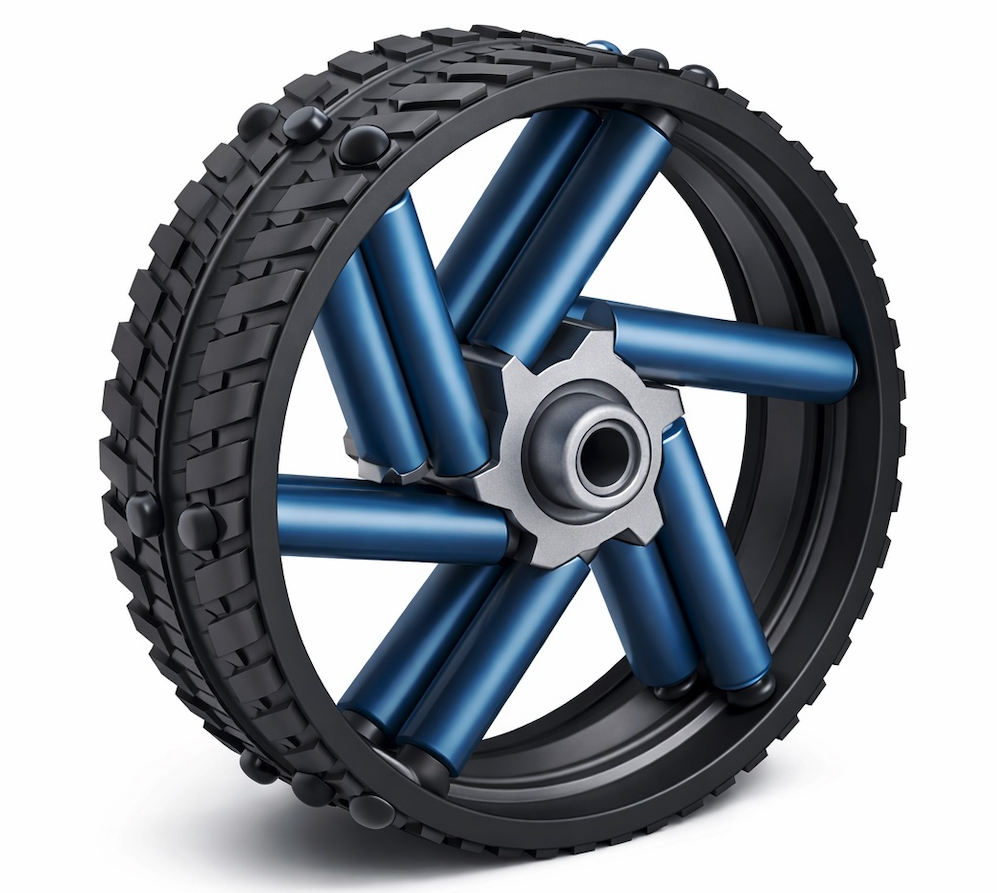
    The SurfacePlan wheel fundamentally changes how load and power are transferred to the ground. Rather than relying on heavy engines, drivetrains, and massive suspension systems to inefficiently redirect forces through traditional wheels, SurfacePlan distributes force dynamically at the surface interface itself, whether on road or rail.

    SurfacePlan is a Moonshot technology: still conceptual and technically demanding but aimed at a payoff measured at civilization scale. If successful, the implication is not incremental efficiency, but vehicles that become dramatically lighter. Because much of today’s vehicle mass exists to redirect, buffer, and dissipate energy through complex mechanical systems before it reaches the tire-ground interface, rather than directing that energy efficiently at the interface itself.

    That realization led Henson to a more fundamental question: how much of civilization exists just to carry weight?

    What followed was an unexpected look at the approximate physical mass of the transportation system itself – not metaphorically, but in tons.

    Rolling Vehicles: The Obvious Starting Point

    Globally, there are roughly 1.5 billion passenger cars, with average empty weights of approximately 1.5 to 2.0 tons each. In addition, there are approximately 100 million trucks and buses, whose empty vehicle weights typically range from 6 to 20 tons, depending on class. The global rail fleet includes roughly 10 million rail cars and locomotives, with empty weights commonly between 30 and 80 tons per vehicle.

    Even conservatively, this places the rolling vehicle mass of civilization at approximately 4 to 5 billion tons.

    That number matters because a large fraction of this mass is structural rather than functional. Modern vehicles are heavy not because passengers or cargo demand it, but because engines and drivetrains are massive, suspension systems must absorb and control the inertia of heavy vehicle mass, frames must survive extreme point loads, and braking systems must safely dissipate large forces.

    The SurfacePlan direct-thrust wheel targets this entire stack at once. By changing how load is transferred to the ground, it reduces the need for heavy drivetrains, oversized suspension systems, and reinforced frames designed to survive slip and impact. Preliminary modeling suggests that vehicle weight reductions on the order of 60-80 percent are possible.

    Four to five billion tons of vehicle mass is enormous, but it turns out to be the small number.

    Roads: The Mass Few People Think About

    Roads are rarely thought of as heavy, yet they are among the heaviest structures humans build. They are heavy for one reason: vehicles are heavy.
    A modern road is not just asphalt. It is a layered structural system engineered to survive axle loads, braking forces, dynamic impact, and fatigue over millions of cycles. Globally, there are roughly 40 million kilometers of paved roads, with typical structural thicknesses between 0.3 and 0.6 meters, and material densities around 2.3 to 2.5 tons per cubic meter.

    Even conservative estimates place the total mass of global road infrastructure between 100 and 200 billion tons.

    This matters for SurfacePlan because road thickness, reinforcement, and foundation depth are direct functions of vehicle weight. If effective vehicle weight drops dramatically, pavement layers shrink, base courses thin, subgrade requirements relax, and resurfacing cycles extend.
    It is important to distinguish between payload mass, which SurfacePlan does not change, and vehicle structural mass, which it targets directly. Roads and bridges must still support people and goods. However, empty vehicle mass is carried on every mile traveled, regardless of load, and drives a significant share of energy use, braking forces, dynamic impact, and long-term infrastructure fatigue. Reducing that permanent mass lowers average and peak system loads even when payloads remain unchanged.

    In configurations that enable autonomy, particularly in ultra-light, on/off-rail systems, reductions in driver mass, cab structure, and safety overhead could further amplify these effects.

    Reducing vehicle weight does not just make vehicles lighter. It collapses the mass of the road system itself.

    Bridges: Where Weight Scales Nonlinearly

    Bridges do not scale linearly with vehicle weight. A bridge designed for 10-ton vehicles is not twice as heavy as one designed for 5-ton vehicles. Once dynamic loading, fatigue, redundancy, and safety factors are included, it is many times heavier.
    Worldwide, millions of bridges constructed from steel and reinforced concrete sit on deep foundations and massive superstructures. A reasonable estimate places their combined mass between 20 and 40 billion tons.

    This mass exists primarily to survive heavy moving loads and peak dynamic forces. Because bridge mass scales nonlinearly with load, even modest reductions in vehicle structural weight can produce outsized reductions in required bridge mass and cost.
    SurfacePlan targets the assumptions that made these structures massive in the first place.

    Rail Infrastructure: Efficiency With A Hidden Mass Bill

    Rail is often described as efficient, and per ton-mile, it is. But that efficiency rests on enormous supporting mass.

    Across roughly 1.3 million kilometers of global rail network, steel rails, sleepers, ballast, embankments, and prepared subgrade together represent a conservative mass estimate of 15 to 25 billion tons.

    This mass exists because rail vehicles are heavy, and loads are highly concentrated. If rolling stock weight and dynamic load are reduced, rail sections can be lighter, ballast depth can shrink, and embankments can be reduced.

    One potential application of the SurfacePlan wheel is ultra-light rail, where vehicles operate on rail when available and transition seamlessly to road for efficient portal-to-portal transportation.

    Parking, Depots, And The Forgotten Weight

    Cities quietly devote enormous material to parking alone. Parking garages, depots, yards, and reinforced slabs are engineered for multi-ton vehicles, dynamic loads, impact resistance, and fire safety.

    A conservative estimate places the global mass of parking-related infrastructure between 30 and 60 billion tons.

    If vehicles weigh a fraction of what they do today, structural slabs thin, columns shrink, and entire garages change form. SurfacePlan reduces not just vehicle mass, but the structural assumptions embedded in cities themselves.

    The Machines That Build And Rebuild The System

    There is another layer rarely counted: the machines required to build and maintain heavy infrastructure.

    Roads, bridges, and rails are constructed and constantly repaired using extremely heavy equipment, including excavators, bulldozers, pavers, rollers, and cranes. These machines are heavy because they must exert enormous ground forces and survive working with heavy infrastructure.

    Globally, millions of such machines exist, representing tens of millions of tons of rolling mass and more importantly, a continuous material and energy throughput tied to maintenance cycles. Heavy vehicles require heavy infrastructure. Heavy infrastructure requires heavy machines. Heavy machines consume enormous energy and material.

    This is a closed feedback loop. Reducing vehicle weight lessens the loop everywhere.

    Putting The Numbers Together

    When first-order categories are added together, vehicles, roads, bridges, rail infrastructure, and parking, the total mass tied to supporting heavy vehicle weights falls between 170 and 330 billion tons.

    This mass exists not because transportation demands it, but because vehicle weight does.

    Why This Reframes The “Market Size” Question

    So when a Fortune 500 company asks, “What’s the market size for your wheel?” the honest answer may be simple: it is proportional to how much of civilization exists just to carry weight.

    SurfacePlan does not simply improve vehicles. It challenges vehicle weight assumptions that propagate through roads, bridges, rails, parking, construction equipment, energy use, and emissions. Because structural mass scales nonlinearly with load, even partial success could have civilization-scale implications.

    Engineering Review, Debate, And Next Steps

    Since sharing the SurfacePlan concept more broadly, Henson says the response from the engineering community has been expectedly mixed.
    Engineers with backgrounds in aerospace, rail, automotive, and industrial systems including some with extensive experience at major industrial and defense firms have provided detailed and encouraging feedback, noting that the underlying question of how load is transferred at the surface interface is both legitimate and under explored.

    Others have been openly skeptical, challenging assumptions, highlighting technical risks, or dismissing the idea outright. Henson views this range of responses as expected and healthy for a Moonshot.

    To move the concept toward validation, Henson is seeking early-stage funding and engineering collaboration to support simulation and prototyping. As part of that effort, he has launched a public interest poll on Wefunder ( https://wefunder.com/surfaceplan/join ) to gather interested investors. Early results indicate that many respondents view the SurfacePlan concept as worth pursuing.

    Final Note

    The original question was simple. The implications are not.

    SurfacePlan does not promise a solution. It proposes a Moonshot, one that targets the physical assumptions embedded in modern transportation. If successful, even in narrow applications, it could help make civilization materially lighter.

    And that question is large enough to justify an attempt to rethink how civilization meets the ground.

    About SurfacePlan


    SurfacePlan is an early-stage transportation technology concept focused on rethinking how load and power are transferred at the wheel–ground interface. The project explores whether directing force dynamically at the surface interface can reduce vehicle structural mass and the infrastructure required to support it.

    About David Henson

    David Henson is an independent inventor exploring new ways to transfer power at the wheel-ground interface, and how rethinking that interface could reduce vehicle mass and the infrastructure required to support it. His work spans vehicles, rail, and broader transportation systems.

    More information: https://www.surfaceplan.com and https://wefunder.com/surfaceplan/join

    David L Henson
    Arrow Dot Press Ltd.
    +1 612-636-2431
    email us here

    SurfacePlan Wheel Concept Video

    Legal Disclaimer:

    EIN Presswire provides this news content “as is” without warranty of any kind. We do not accept any responsibility or liability
    for the accuracy, content, images, videos, licenses, completeness, legality, or reliability of the information contained in this
    article. If you have any complaints or copyright issues related to this article, kindly contact the author above.