Category: Channels

  • A Hands-On Guide to Dance-Style Videos and Animation-Inspired Edits

    A repeatable workflow for creators who want watchable motion, consistent style, and fast iteration—without a heavy post-production stack.

    SHERIDAN, WY, UNITED STATES, February 18, 2026 /EINPresswire.com/ — Short-form video rewards motion that reads instantly: the rhythm feels intentional, the subject stays coherent, and the style holds up from start to finish. Whether you’re making a dance-style clip (for trends, avatars, mascots, or character edits) or converting existing footage into an animation look, the same production reality applies: you rarely need one “perfect” generation—you need a workflow that reliably produces multiple usable takes.

    This tutorial outlines a practical, tool-agnostic process you can run weekly: how to prep inputs, structure prompts like a director, evaluate outputs like an editor, and fix common failure modes (jitter, drifting identity, mushy limbs, style collapse). You can follow it with most modern video generation and stylization tools. Where helpful, the article includes optional example links so you can test the steps in a real interface.

    1. What you’ll learn

    How to define a “ground truth” spec before you generate anything
    How to build a clean input pack (so motion and style stay stable)
    A prompt framework for dance-style clips (movement + rhythm + camera)
    A prompt framework for video-to-animation conversion (style + consistency)
    A scoring rubric to quickly pick winners and avoid endless iteration
    Troubleshooting patterns: what to change when results wobble or drift
    A lightweight publishing finish checklist (so clips feel intentional)
    Responsible-use and rights/permissions reminders for real-world workflows

    2. Step 0: Set your target outcome (the “ground truth” spec)

    Before prompts, write a simple specification that describes the clip you want in plain language. This keeps you from chasing novelty and helps you compare iterations fairly.

    Use this template:

    A) Clip goal (one sentence)
    Example: “A punchy 6–8 second dance snippet that keeps the choreography clear and loops smoothly.”

    B) Subject anchors (3–5 words each)
    Example: “female creator, denim jacket, short black hair, warm studio lighting.”

    C) Motion anchors (what must be true about movement)
    Example: “Show the whole body, prioritize readable arms and feet, and avoid any limb glitches.”

    D) Camera anchors (how it’s shot)
    Example: “locked-off tripod, waist-to-full-body framing, no aggressive zoom.”

    E) Style anchors (if stylized)
    Example: “Sharp linework in an anime style, locked facial details, cohesive shading, light bloom.”

    F) Constraints (what must not happen)
    Example: “No facial changes, no costume swaps, no scene switches.”

    This “ground truth” spec becomes your reference when judging outputs. If a clip violates a constraint, it’s not a winner even if it looks cool for one second.

    3. Step 1: Build an input pack that reduces failure modes

    Most quality problems are input problems in disguise. Your goal is not to feed the tool “more”—it’s to feed it “cleaner.”

    For dance-style generation

    Prefer full-body visibility: A subject that’s cropped at the knees invites unstable leg motion.
    Simple background: Busy patterns can cause hallucinated motion or texture crawling.
    Stable lighting: Avoid extreme flicker, strobing, or mixed color temperatures.
    Clear silhouette: Contrast between subject and background improves limb definition.

    For video-to-animation conversion

    Pick a clip with consistent framing: Rapid cuts and shaky handheld footage often produce style drift.
    Avoid heavy compression: Blocky artifacts can turn into “texture noise” after stylization.
    Keep duration short: Start with 4–8 seconds; scale up only after you can hold consistency.
    Lock the hero identity: If the face is small or blurred, many models will “invent” details.

    If you want a quick quality checklist, use this table:

    Input factor: Subject framing
    Good: full-body / mid-full
    Risky: cropped limbs
    Why it matters: reduces limb ambiguity

    Input factor: Camera
    Good: locked / slow pan
    Risky: shaky handheld
    Why it matters: reduces jitter & drift

    Input factor: Lighting
    Good: steady
    Risky: flickery / mixed
    Why it matters: reduces texture crawling

    Input factor: Background
    Good: simple
    Risky: busy patterns
    Why it matters: reduces hallucinated motion

    Input factor: Compression
    Good: clean
    Risky: heavy artifacts
    Why it matters: improves stylization stability

    4. Step 2: Choose a workflow: generate dance motion vs. convert footage to animation

    These are different tasks with different “success signals.”

    Dance-style generation = you’re judging rhythm, movement clarity, and performance vibe.
    Video-to-animation conversion = you’re judging identity retention and style stability across frames.

    You can do both in the same project, but if you’re learning the workflow, master them separately first.

    5. Step 3: Direct the prompt like a choreographer (for dance-style clips)

    A reliable dance prompt describes who, where, how it moves, how it’s shot, and how it feels.

    The Director Prompt Framework (Dance)

    1) Subject + wardrobe
    “A complete body frame of a dancer rocking a bright hoodie and trainers…”

    2) Setting + lighting
    “In a simple studio space, diffused key light with a touch of rim illumination.”

    3) Movement description
    “Up-tempo dance moves, clear arm patterns, two-step footwork, and clean flow between beats…”

    4) Rhythm + pacing
    “On-beat movement, no sudden speed changes, loop-friendly ending…”

    5) Camera language
    “Camera stays locked on a tripod with full-body coverage; no handheld feel.”

    6) Quality constraints
    “No limb distortion, no face drift, no background morphing…”

    If you want a quick way to keep prompts consistent, write them in the same order every time. That reduces accidental variation and makes results easier to compare.

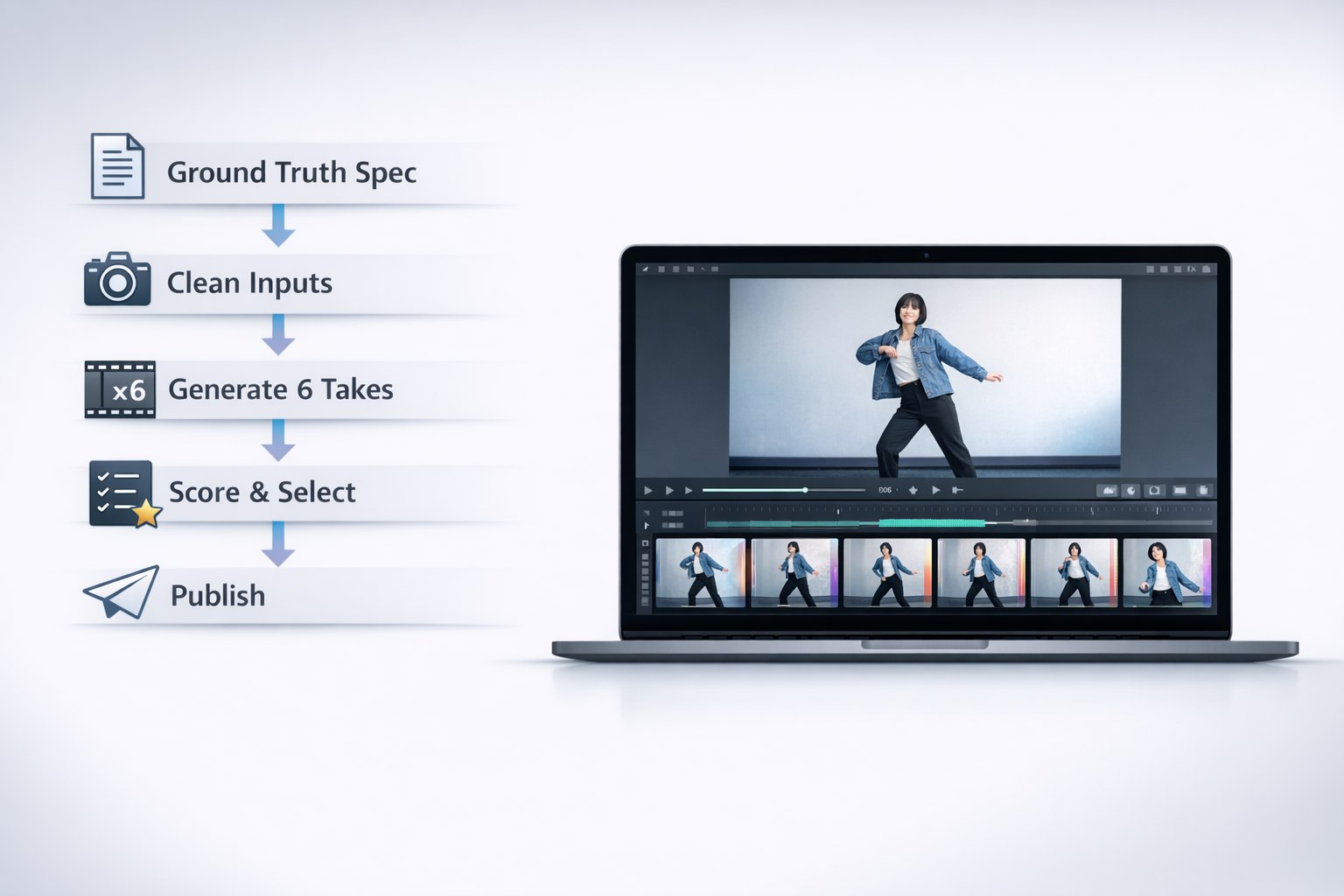
    Iteration tip: Generate 6 clips, not 1. Then evaluate. If you only generate one clip, you’re forced into emotional decisions (“it’s close enough”) instead of editorial decisions (“this take is objectively cleaner”).

    Optional practice tool: If you want to test a dance workflow in a browser-based interface while you learn this process, you can try an online generator such as AI dance generetor online (use it purely as a sandbox for the steps above).

    6. Step 4: Evaluate like an editor (a scoring rubric that saves hours)

    You need a rubric to stop endless tinkering. Here’s a simple 100-point scoring method you can use for both workflows.

    The 5-category scoring rubric

    Category: Motion readability
    Points: 0–25
    What “good” looks like: movement is easy to follow; no jitter; limbs stay coherent

    Category: Identity stability
    Points: 0–20
    What “good” looks like: subject remains recognizable; no face/body drift

    Category: Style stability
    Points: 0–20
    What “good” looks like: look holds from start to finish; no mid-clip collapse

    Category: Camera discipline
    Points: 0–15
    What “good” looks like: framing matches intent; no random zooms or snaps

    Category: Publish readiness
    Points: 0–20
    What “good” looks like: minimal artifacts; trim-ready; loop or clean ending

    Rule of thumb:

    85+ = publishable with light finishing
    70–84 = salvageable (trim, minor fixes, maybe regenerate one component)
    <70 = restart with better inputs or simpler motion/camera

    Write the score next to each clip. The act of scoring forces clarity and reduces “maybe it’s okay” bias.

    7. Step 5: Troubleshoot dance clips (common failure modes and fixes)

    Problem A: Jittery motion / micro-wobble

    Likely causes: shaky camera instruction, complex background, too-fast movement, low subject clarity.

    Fixes:

    Enforce “locked-off tripod” and “stable framing” in the prompt
    Simplify background and lighting
    Reduce movement speed: “smooth, readable dance, no rapid foot shuffles”
    Use shorter duration first (4–6 seconds)

    Problem B: Limbs melt or hands look wrong

    Likely causes: hands too small in frame, fast hand gestures, low contrast.

    Fixes:

    Increase subject size in frame (slightly closer full-body)
    Specify “clear hand shape, no finger distortion”
    Reduce gesture complexity: “simple arm swings, no intricate finger movements”

    Problem C: Random outfit/background changes

    Likely causes: weak constraints, conflicting style cues.

    Fixes:

    Add a constraint line: “wardrobe and background remain unchanged”
    Remove overly creative style descriptors that may invite scene remixing

    8. Step 6: Video-to-animation conversion (a stable, repeatable method)

    When converting footage to an animation look, you’re balancing two competing goals:

    Preserve timing and identity (the original video’s “truth”)
    Apply style consistently (the animation look’s “rules”)

    The Consistency-First Prompt Framework (Animation conversion)

    1) Source intent
    “Convert the existing video into an anime-style animation…”

    2) Style definition
    “Clean linework, consistent facial features, soft shading, mild bloom…”

    3) Stability constraints
    “Keep the same subject identity; no costume changes; no face drift…”

    4) Camera preservation
    “Preserve the original framing and camera movement…”

    5) Texture discipline
    “Avoid crawling textures; avoid flickering patterns…”

    Conversion workflow (recommended order)

    Run a short segment first (4–6 seconds)
    Pick the most stable style take (even if it’s less dramatic)
    Only then scale duration or add complexity
    If drift appears, reduce variables (simpler style, simpler lighting, simpler background)

    Optional practice tool: To test this workflow in a ready-made converter interface, try a sandbox tool to convert video to AI animation while following the steps above.

    9. Step 7: Troubleshoot animation conversion (fix drift and “style collapse”)

    Problem A: Face drift / identity changes mid-clip

    Likely causes: small face in frame, motion blur, aggressive style, long duration.

    Fixes:

    Use a clip with a clearer face (or reduce motion blur)
    Shorten duration and stitch later
    Choose a less aggressive style (clean linework > painterly chaos)
    Add explicit constraints: “identity-preserving, stable facial proportions”

    Problem B: Flicker or texture crawling

    Likely causes: noisy source, heavy compression, high-frequency background textures.

    Fixes:

    Start from a cleaner source file
    Avoid busy patterns (brick walls, striped clothing)
    Reduce stylization intensity; favor smoother shading

    Problem C: The style looks strong in frame one—then falls apart

    Likely causes: style too complex, clip too long, camera too dynamic.

    Fixes:

    Simplify style description (fewer adjectives)
    Use shorter clips and edit together
    Preserve camera movement rather than inventing new movement

    10. Step 8: A quick finishing checklist (publish-ready in 10 minutes)

    Even good generations benefit from a small amount of finishing. You don’t need a full post pipeline; you need a repeatable checklist.

    Trim & pacing

    Trim to the strongest 4–8 seconds
    Remove awkward starts/stops
    If it loops, make the last 10–15 frames resemble the opening

    Audio and captions

    Add captions early; readability matters
    Keep SFX subtle; avoid loud spikes
    If dance content: align visible movement with the beat you choose

    Export discipline

    Export for mobile first (most viewers)
    Watch once on a phone screen before posting

    Quality gate

    If artifacts are visible at normal viewing distance, regenerate
    If artifacts require pausing to notice, publish (don’t over-optimize)

    11. Step 9: Use it responsibly—rights, permissions, and keeping audience trust

    If you work with footage containing real people, recognizable likenesses, or third-party content, treat this like any other media production:

    Ensure you have rights/permission to use the source footage
    Avoid deceptive uses (misrepresentation, impersonation, or harmful edits)
    For brand or public-facing work, add an internal review step
    When appropriate, label stylized content so audiences aren’t misled

    This is not just legal hygiene—it protects your channel’s trust and your brand’s consistency over time.

    12. A “one-page” workflow you can reuse every week

    If you want the entire method in a compact form, use this:

    Write a ground-truth spec (goal, anchors, constraints)
    Build a clean input pack (stable framing, clear subject, simple background)
    Generate 6 takes (don’t gamble on 1)
    Score each take (motion, identity, style, camera, publish readiness)
    Troubleshoot with targeted changes (one variable at a time)
    Finish lightly (trim, captions, audio discipline)
    Publish and document what worked (so next week is faster)

    The “documentation” part is what most people skip—and it’s what turns AI video from random outcomes into a dependable production asset.

    13. Optional resources and practice links

    If you’d like a place to practice these steps in a browser-based interface (without changing the tutorial approach), you can explore: GoEnhance AI. Use it as a sandbox to apply the workflow above—especially the input pack, 6-take iteration rule, and scoring rubric.

    14. About this tutorial

    This guide is written as a practical, tool-agnostic production workflow based on common failure patterns in short-form generation and stylization. Results vary by model, settings, and source footage quality. The core principle is stable across tools: reduce ambiguity in inputs, structure prompts consistently, iterate in batches, and evaluate with a rubric so you can ship results instead of chasing perfection.

    Irwin
    MewX LLC
    +1 307-533-7137
    email us here

    Legal Disclaimer:

    EIN Presswire provides this news content “as is” without warranty of any kind. We do not accept any responsibility or liability
    for the accuracy, content, images, videos, licenses, completeness, legality, or reliability of the information contained in this
    article. If you have any complaints or copyright issues related to this article, kindly contact the author above.


  • SimpleDocs Launches the Contract Intelligence Layer

    Policy, Precedent, and Market Standards powered by Law Insider™ Are Now Integrated into Its Award-Winning Microsoft Word Add-In

    The Contract Intelligence Layer gives teams the context behind every negotiation, so they can make decisions faster and with the data they need to defend it.”
    — Preston Clark, CEO, SimpleDocs

    MIAMI, FL, UNITED STATES, February 18, 2026 /EINPresswire.com/ — SimpleDocs today announced the launch of its Contract Intelligence Layer, an advanced benchmarking tool designed to help in-house legal teams make faster contract decisions by integrating internal policies, historical precedent, and verified market standards directly inside Microsoft Word.

    The launch follows a wave of new AI-powered legal tools, including recent contract workflow releases from general-purpose platforms such as Claude. These tools have all made it dramatically easier to analyze contracts, apply instructions, and generate redlines.

    But they all lack the data required to make informed contextual negotiation and drafting decisions.

    Contract Decisions Require More Than AI Reasoning
    AI tools are increasingly good at answering the question: “Given these instructions, what should I say?”

    In-house legal teams, however, are accountable for a harder question: “What does this mean in the context of our policies, our past decisions, and comparable deals in the market?”

    That question cannot be answered by general purpose legal AI tools. It requires decision-grade context.

    “Legal teams don’t need more AI recommendations. They need data-informed decisions,” said Preston Clark, CEO at SimpleDocs. “The Contract Intelligence Layer gives teams the context behind every negotiation, so they can make decisions faster and with the data they need to defend it.”

    Introducing the Contract Intelligence Layer
    The Contract Intelligence Layer unifies the three sources of information legal teams actually rely on when making decisions, but have never had in one place:
    – Policy Data: What the organization has formally approved, including playbook positions, fallbacks, and escalation thresholds.
    – Precedent Data: What the organization has actually accepted in past contracts, exposing patterns, exceptions, and variance between policy and reality.
    – Market Standards: How similar terms appear across real, executed agreements in the broader market, providing an external reference point for risk, leverage, and negotiation posture.

    With these layers of context now available inside the SimpleDocs Microsoft Word Add-In, legal teams can move quickly, stay consistent, and negotiate with confidence without relying on tribal knowledge, repeated escalations, or unnecessary rework.

    Law Insider: The Market Standards Layer
    At the core of the Market Standard layer is the Law Insider database, the world’s largest publicly referenceable collection of executed contracts and clauses.

    Over the past 15 years, Law Insider has built a deep layer of contract intelligence by collecting and analyzing millions of publicly available agreements from around the world. Contract language is parsed into structured data that reveals which clauses are standard for a given agreement, where provisions are commonly missing, how terms vary across industries and jurisdictions, and what language tends to be fair, aggressive, or imbalanced. Spanning more than 40 languages, this dataset represents one of the most comprehensive views of how contracts are actually written and negotiated in the market today – and now serves as a core foundation of the Contract Intelligence Layer within SimpleDocs.

    This is not synthetic data. This is not model inference. This is referenceable “see source” context to accelerate decision making and improve legal judgement.
    – Millions of real agreements (and thousands more added weekly);
    – Organized across industries, jurisdictions, deal sizes, time, and language; and
    – With negotiated outcomes, not “aspirational” templates.

    No general-purpose or legal AI platform has ever integrated this level of market data into the negotiation and drafting process.

    The Contract Intelligence Layer is available today in limited Beta release as part of the SimpleAI Pro package. To request access, join the waitlist here: simpledocs.com/waitlist

    About SimpleDocs

    SimpleDocs is an AI-native contract automation platform built for in-house legal teams and law firms. The platform combines AI-powered drafting, redlining, and review with configurable playbooks and an AI-first contract repository, enabling legal teams to manage contracts from first draft to negotiation and storage. By combining advanced AI with proprietary market data, customer policies and negotiation precedent, SimpleDocs enables faster, more consistent, and more defensible contract decisions— delivering measurable ROI and confidence across every stage of the contracting lifecycle. Explore the future of AI-powered contracts with SimpleDocs at www.simpledocs.com

    Dory Lord
    SimpleDocs
    hello@simpledocs.com

    Legal Disclaimer:

    EIN Presswire provides this news content “as is” without warranty of any kind. We do not accept any responsibility or liability
    for the accuracy, content, images, videos, licenses, completeness, legality, or reliability of the information contained in this
    article. If you have any complaints or copyright issues related to this article, kindly contact the author above.

  • The Functionary Named to CRN’s MSP 500 List For 2026

    Recognition reflects shifting economics and AI-driven transformation inside the MSP market

    We operate inside our MSP partners’ systems as an extension of their teams. That structure protects performance as they scale.”
    — Sam Darwish

    DALLAS, TX, UNITED STATES, February 18, 2026 /EINPresswire.com/ — The Functionary announced today that it has been named by CRN®, a brand of The Channel Company, to the Managed Service Provider (MSP) 500 list in the Pioneer 250 category for 2026. The Functionary is a global outsourcing and technology solutions provider supporting customer service operations, IT help desks, software development, and artificial intelligence (AI) automation inside MSP and technology service delivery environments.

    CRN’s annual MSP 500 list recognizes leading managed service providers in North America. The Pioneer 250 category highlights MSPs focused on serving small and midsize businesses with innovative and reliable service models.

    The Functionary was recognized for enhancing managed service delivery through embedded, white-label operational models that integrate directly into MSP environments. The company provides:

    • Tier 1 and Tier 2 help desk support within client ITSM systems
    • NOC and operational back-end reinforcement
    • Multilingual global coverage
    • AI-assisted workflow optimization and quality oversight
    • Flexible capacity models that protect SLA performance and margin

    “Our MSP partners are managing multiple customized client environments under strict SLAs,” said Sam Darwish, Founder and CEO of The Functionary. “They need stability in their support models, predictable coverage across languages and time zones, and AI adoption without operational disruption. We operate inside their systems, under their governance, as an extension of their teams. That structure protects performance as they grow.”

    Operating as a channel-aligned infrastructure partner, The Functionary integrates into MSP governance frameworks with dedicated teams and clearly defined operational boundaries. This model enables partners to scale SMB and midmarket portfolios while maintaining service consistency, confidentiality, and cost discipline.

    For MSP leaders navigating AI rollout and capacity pressure in 2026, The Functionary recently published an analysis following Microsoft Ignite 2025 outlining key operational considerations: AI Adoption for MSPs: What Service Delivery Leaders Need to Know After Ignite 2025

    About the Functionary
    The Functionary is a global outsourcing and technology solutions provider supporting customer service operations, software engineering, and artificial intelligence (AI) automation for clients worldwide. The company delivers customized services across more than 19 countries through nine delivery hubs, employs almost 2,000 people globally, and maintains 97% SLA delivery and 98% client retention. Recognized on the 2025 Inc. 5000 list for the third consecutive year and named a 2025 Bronze Stevie Award winner for Fastest Growing Company, The Functionary partners with organizations including Amazon, McGraw Hill, Gallo, SimplePractice, Sony, Connection, CSC, Insight, Denali Advanced Integration, and Scale Computing.

    About The Channel Company
    The Channel Company (TCC) is the global leader in channel growth for the world’s top technology brands. We accelerate success across strategic channels for tech vendors, solution providers and end users with premier media brands, integrated marketing and event services, strategic consulting, and exclusive market and audience insights. TCC is a portfolio company of investment funds managed by EagleTree Capital, a New York City-based private equity firm. For more information, visit thechannelco.com.

    © 2026 The Channel Company, Inc. CRN is a registered trademark of The Channel Company, Inc. All rights reserved.

    Heather Peyton
    The Functionary
    heather.peyton@thefunctionary.com
    Visit us on social media:
    LinkedIn
    Instagram
    Facebook

    Legal Disclaimer:

    EIN Presswire provides this news content “as is” without warranty of any kind. We do not accept any responsibility or liability
    for the accuracy, content, images, videos, licenses, completeness, legality, or reliability of the information contained in this
    article. If you have any complaints or copyright issues related to this article, kindly contact the author above.
  • iHeartRadio Partners with Iroquois Steeplechase for 85th Anniversary, Debuting The Big 98 Stage with Live Music

    The Big 98 Stage Will Bring Nashville-Based Artists, High Energy Performances and All-Day Live Music to Nashville’s Iconic Spring Event

    The Iroquois Steeplechase is one of Nashville’s most beloved traditions and we’re thrilled to be part of its evolution.”
    — Howard Greiner, iHeartMedia Nashville Market President

    NASHVILLE, TN, UNITED STATES, February 18, 2026 /EINPresswire.com/ — The Iroquois Steeplechase, sponsored by Bank of America, and iHeartMedia Nashville’s 97.9 The BIG 98, Nashville’s #1 for new country, is proud to announce a new partnership debuting The Big 98 Stage, a brand-new live music experience launching as part of the event’s historic 85th anniversary. The milestone celebration returns to Percy Warner Park on Saturday, May 9, 2026.

    Known as Nashville’s “Rite of Spring,” the Iroquois Steeplechase blends world-class horse racing, Southern hospitality, fashion and philanthropy into a one-of-a-kind social and sporting experience. Drawing more than 30,000 spectators annually, the event remains among the premier steeplechase races in the United States.

    As part of the 2026 event, iHeartMedia Nashville will introduce The Big 98 Stage located in Centerfield, featuring Nashville-based artists performing throughout the day, bringing Music City’s signature sound to one of the South’s most celebrated sporting traditions.

    “The Iroquois Steeplechase is one of Nashville’s most beloved traditions and we’re thrilled to be part of its evolution,” said Howard Greiner, iHeartMedia Nashville Market President. “At iHeart, our mission is to connect audiences through music and experiences that are guaranteed human, and launching The Big 98 Stage puts live, local music front and center in an already unforgettable race-day atmosphere. From emerging Nashville artists to high-energy performances all day long, we’re excited to showcase Music City talent while enhancing a spring tradition that brings the community together year after year.”

    Iroquois Steeplechase 2026 race day will feature six exhilarating races with total purses of $605,000, the richest on the National Steeplechase Association’s Spring circuit, while adding even more entertainment through The Big 98 Stage in Centerfield. All tickets will include access to the live music stage, where Nashville’s top emerging artists perform throughout the day. The full artist lineup will be announced as the event date approaches.

    “We’re proud to welcome iHeart as a partner for this milestone year,” said Dwight Hall, Chairman of the Iroquois Steeplechase. “The Big 98 Stage adds a new layer of energy and entertainment to a tradition that’s been part of Nashville for generations and it reflects our commitment to evolving the event while honoring its rich legacy.”

    Since being designated as a primary beneficiary in 1981, Monroe Carell Jr. Children’s Hospital at Vanderbilt has received more than $11.4 million from proceeds generated by the Volunteer State Horsemen’s Foundation, underscoring the Steeplechase’s longstanding commitment to community impact.

    The Iroquois Steeplechase offers a range of ticket experiences blending sport, social tradition and community.

    Magnolia Garden (formerly known as the Hunt Club), is a reimagined space that offers an all-inclusive experience with gourmet catering, full beverage service, guaranteed seating, patio views and premium sightlines to the races.

    Royal 615 Lounge now has expanded seating. One of Nashville’s hottest race-day parties returns with expanded VIP lounge seating, DJ entertainment, dance floor and access to a dedicated cash bar with newly expanded seating. Royal 615 VIP tickets include added comfort and amenities.

    Tailgating guests can choose from six distinct tailgating areas, each accommodating one vehicle and tent. Tailgating spaces may bring their own 10×10 tent, tables, chairs, food and alcohol (excluding glass containers) or purchase a complete tailgating package for ease. A complimentary Designated Driver ticket is included with every tailgate space. Additionally, the event includes a dedicated family area and children’s zone with inflatables, face painting and kid-friendly activities. Children 12 and under are free in all tailgating areas.

    Two Turf Tavern locations will offer beverages with the Infield Turf Tavern between Centerfield and Royal 615 and the Hillside Turf Tavern near the Box Seats and Lower Paddock Club entrance. Parking passes are available for purchase, and a designated ride-share drop-off and pick-up zone ensures easy access for guests.

    Event Schedule – May 9, 2026
    Gates Open: 8:00 a.m.
    Opening Ceremonies: 12:00 p.m.
    Additional Highlights: Style Contest, Tailgating Contest, Stick Pony Races and Parade of Hounds
    Closing: Hospitality venues close approximately 15 minutes after the final race, except Royal 615, The Big 98 Stage and the Infield Turf Tavern, which remain open until 7 p.m.

    Tickets are now on sale and a detailed schedule is available at www.IroquoisSteeplechase.org.


    About Iroquois Steeplechase
    The Iroquois Steeplechase is a full day of racing at Percy Warner Park in Nashville, TN. The mission of the Iroquois Steeplechase is to manage and produce an annual world-class horse race that benefits Monroe Carell Jr. Children’s Hospital at Vanderbilt and other local community non-profits, as well as promote the sport of steeplechasing. To learn more about Steeplechase, visit www.IroquoisSteeplechase.org.

    About Monroe Carell Jr. Children’s Hospital at Vanderbilt
    Monroe Carell Jr. Children’s Hospital at Vanderbilt is one of the nation’s leading children’s hospitals, treating and helping to prevent a full range of pediatric health issues from colds and broken bones to complex heart diseases and cancer. In 2025, Monroe Carell was again named among the nation’s “Best Children’s Hospitals” for the 19th consecutive year by U.S. News & World Report. Additionally, the hospital earned the distinction as the No. 1 pediatric hospital in Tennessee and shares first place in the Southeast region for the fifth consecutive year.

    Monroe Carell Jr. Children’s Hospital at Vanderbilt, a nonprofit organization, opened in 2004, expanded its physical space in 2012, and in 2016 began construction to add four new floors encompassing 160,000 total sq. ft. The new expansion helps to advance the size and scope of the hospital’s mission. For more about Monroe Carell Jr. Children’s Hospital at Vanderbilt: www.ChildrensHospitalVanderbilt.org.

    About iHeartMedia Nashville
    iHeartMedia Nashville owns and operates 107.5 The River, 105.9 The Rock, 97.9 The BIG 98, 101.1 The Beat, TalkRadio 98.3 and 1510 WLAC, BIN 97.5, and The Big Legend 97.9 and is part of iHeartMedia. iHeartMedia, Inc. [Nasdaq: IHRT] is the leading audio media company in America, with nine out of ten Americans listening to iHeart broadcast radio in every month. iHeart’s broadcast radio assets alone have a larger audience in the U.S. than any other media outlet and over four times the ad-enabled audience of the largest digital only audio service. iHeart is the largest podcast publisher according to both Podtrac and Triton, with more downloads than the next two podcast publishers combined, has the most recognizable live events across all genres of music, has the number one social footprint among audio players, has the highest-reach and most engaged influencers, and is the only fully integrated audio ad tech solution across broadcast, streaming and podcasts. The company continues to leverage its strong audience connection and unparalleled consumer reach to build new platforms, products and services. Visit www.iHeartMedia.com for more company information.

    Media Contact: PR@iroquoissteeplechase.org

    Tresa Halbrooks
    LEGACY PR
    tresa@legacy-pr.com

    2025 Iroquois Steeplechase – Highlight Video

    Legal Disclaimer:

    EIN Presswire provides this news content “as is” without warranty of any kind. We do not accept any responsibility or liability
    for the accuracy, content, images, videos, licenses, completeness, legality, or reliability of the information contained in this
    article. If you have any complaints or copyright issues related to this article, kindly contact the author above.

  • AAPEX 2026 Calls for Speakers and Training Sessions

    Annual automotive aftermarket tradeshow is accepting applications to present business management or technical training

    Access to training and exposure to new product innovations are consistently among the top reasons people say they attend AAPEX in our polling.”
    — Liz Goad, vice president of Events with MEMA Aftermarket Suppliers

    LAS VEGAS, NV, UNITED STATES, February 18, 2026 /EINPresswire.com/ — The Automotive Aftermarket Products Expo (AAPEX) is calling for sessions at its annual trade show to be held in Las Vegas, Nev., November 3-5, 2026. Sessions should be geared toward business management or technical training for independent auto repair shops and owners. The deadline for submission is March 18, 2026.

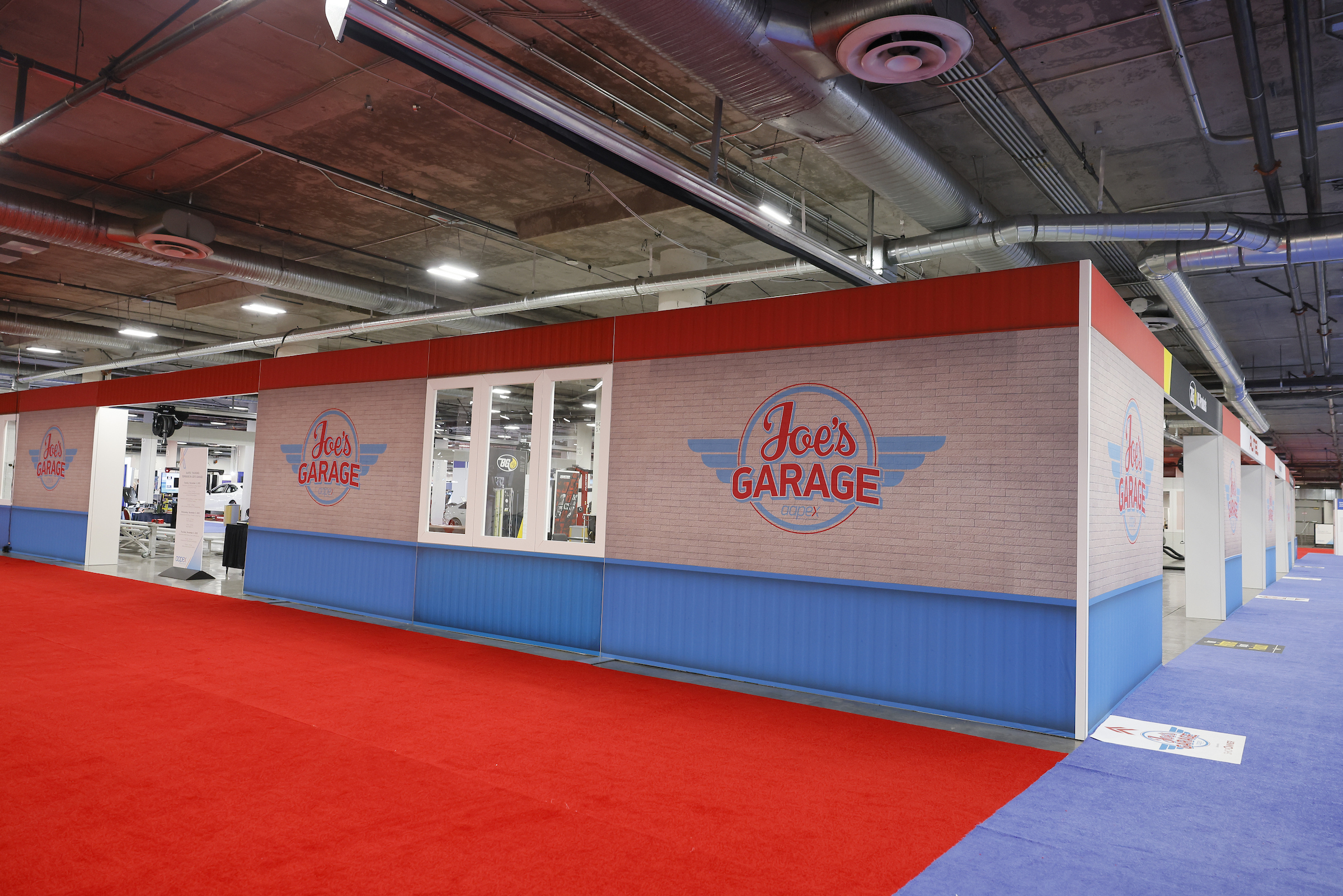
    Select interactive training sessions will take place in Joe’s Garage, a hallmark of AAPEX. Located on the show floor, Joe’s Garage is a full-service center featuring 10 fully operational vehicle lifts. The space is designed for hands-on training and real-world demonstrations – often showcasing new parts, tools, and service equipment. Additional training sessions will be conveniently located around the show floor, near Joe’s Garage.

    “Last year, AAPEX hosted more than 100 training sessions and product demonstrations as part of our dedicated programming for service and repair professionals, including activations in Joe’s Garage,” said Liz Goad, vice president of Events with MEMA Aftermarket Suppliers, which co-produces AAPEX. “Access to training and exposure to new product innovations are consistently among the top reasons people say they attend AAPEX in our polling.”

    A post-show survey of attendees who participated in a training session at AAPEX in 2025 gave the training good grades. More than 9 in 10 (93%) said the training met (53%) or exceeded (40%) their expectations.

    Selection criteria for training

    All proposals will be evaluated by a panel of independent repair shop owners and technicians. The selected sessions will be announced to applicants by mid-April.

    The selection criteria for session proposals include the following:

    • relevance to the independent repair community;
    • quality of proposed content;
    • achievable learning outcomes;
    • trainer or presenter qualifications; and
    • applicability to a service shop’s daily work or career.

    Importantly, sales pitches and sessions that are promotional in nature will not be considered.

    Speaker honorarium and travel stipend

    AAPEX recognizes that quality training is an investment. As such, presenters whose sessions are selected will receive:

    • Complimentary access to the show;
    • $500 honorarium per session; and
    • $750 stipend for travel and expenses.

    The $500 honorarium is paid per session (not per speaker). The honorarium remains at a flat rate regardless of the number of speakers in any given session.

    How to apply to speak

    Prospective speakers can submit proposed sessions here. New speakers will be prompted to set up an account, while returning speakers will be invited to log back in.

    Each speaker may submit up to six different session proposals by the deadline. Questions related to speaking at Joe’s Garage may be sent to kelly@appexshow.com.

    “The pace of innovation in service and repair is accelerating, which makes continuous training essential for independent repair professionals,” said Mark Bogdansky, vice president of Trade Shows and Community Engagement at the Auto Care Association. “Likewise, AAPEX is always striving to improve the show experience and deliver the newest products, the best networking, and of course, world-class training and educational opportunities.”
    About AAPEX

    AAPEX unites the more than $2.3 trillion global automotive aftermarket industry and historically draws around 2,500 exhibiting companies from around the globe that display innovative products, services and technologies that keep the world’s 1.6 billion vehicles on the road. AAPEX provides advanced technical and business management training for professionals to maintain excellence and take their businesses to the next level. Industry buyers include automotive service and repair professionals, auto parts retailers, independent warehouse distributors, program groups, service chains, automotive dealers, fleet buyers and engine builders.

    AAPEX recently received the prestigious Trade Show Executive (TSE) award for “Fastest-Growing Gold 100 Transportation Show in 2023 by Blended Percentage of Growth.” It was also recognized by TSE as one of the 50 fastest-growing trade shows that took place in the United States in 2023, marking the second consecutive year for the event to earn its place on TSE’s Fastest 50 Class.

    AAPEX is a trade-only event and is closed to the general public.

    AAPEX is co-owned by MEMA Aftermarket Suppliers and the Auto Care Association. For more information, visit AAPEX 2025 or e-mail: info@aapexshow.com. On social media, follow AAPEX at #AAPEX26.

    Frank Strong
    for AAPEX
    +1 202-352-5920
    email us here
    Visit us on social media:
    LinkedIn
    Instagram
    Facebook
    YouTube
    X
    Other

    AAPEX 2025 Recap: Training, Products, and Connections

    Legal Disclaimer:

    EIN Presswire provides this news content “as is” without warranty of any kind. We do not accept any responsibility or liability
    for the accuracy, content, images, videos, licenses, completeness, legality, or reliability of the information contained in this
    article. If you have any complaints or copyright issues related to this article, kindly contact the author above.
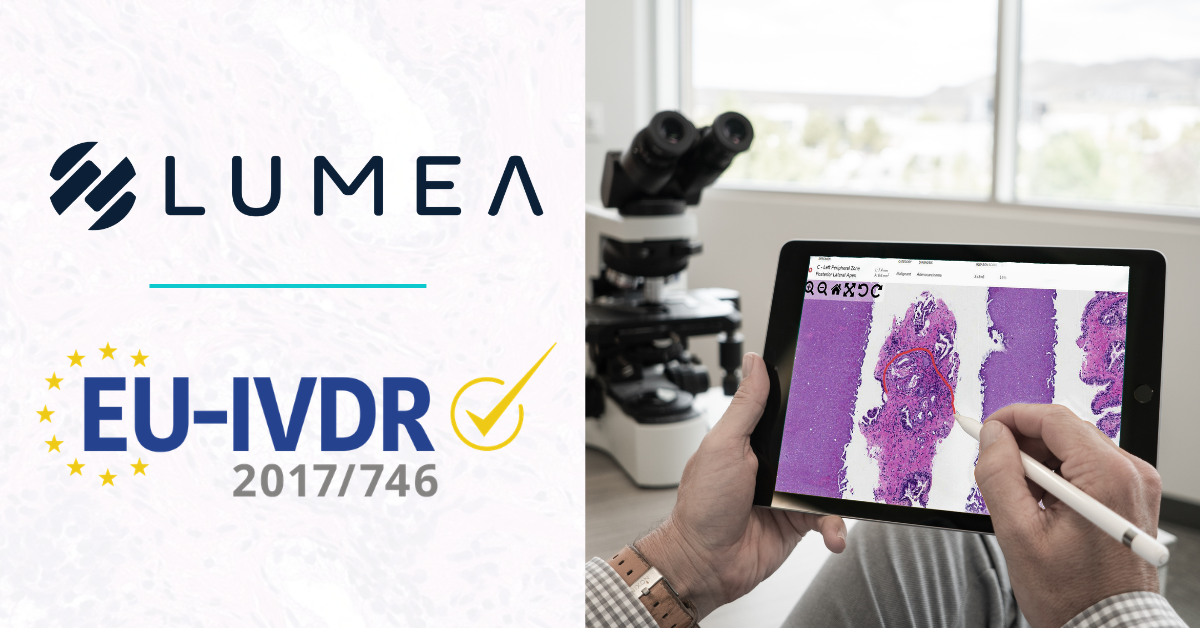
  • Lumea’s IMS Viewer+™ Achieves CE Marking Under IVDR, Expanding Clinical Use Across Europe

    Lumea’s Viewer+™ software is now CE marked under IVDR for clinical use across Europe, making Lumea the most versatile diagnostic hub for the global market.

    LEHI, UT, UNITED STATES, February 18, 2026 /EINPresswire.com/ — Lumea’s Viewer+™ software is now CE marked under IVDR for clinical use across Europe, making Lumea the most versatile browser-based diagnostic hub for the global market.

    Precision in medicine is a necessity. Pathology data informs nearly 70% of medical decisions, yet diagnostic quality is often hindered (or compromised) by a combination of inconsistencies in tissue handling and siloed digital tools. Lumea’s holistic workflow solutions and Viewer+ address these challenges by providing an optimized and unified path from tissue collection to diagnosis that ensures both precision and efficiency.

    As European laboratories navigate the transition from IVDD compliance to the new In Vitro Diagnostic Regulation (IVDR) requirements, many face a “compliance cliff,” where legacy software and in-house developed tools don’t meet the new, more stringent requirements for clinical use. Lumea’s IVDR-cleared Viewer+ provides a safe harbor for these institutions, offering a globally validated platform that ensures uninterrupted diagnostic services and full regulatory compliance.

    Chelsea Sowards, Chief Commercial Officer at Lumea, commented, “CE marking for Viewer+ enables Lumea to accelerate international growth and extend our digital pathology platform beyond the U.S. This milestone ensures European customers can confidently adopt our technology and realize efficiency, quality, and workflow benefits today.”

    With CE marking under IVDR, Viewer+™ sets a new standard in global digital pathology, offering a robust suite of tools tailored to the modern pathologist’s needs, including:

    – Highest Quality Whole Slide Images: Digital slide images are rendered with precision so high that they are visually equivalent to traditional microscope views.
    – Comprehensive Case Management: Pathologists can manage slide orders, review gross images, access patient history, and track previous biopsy results—all in one place.
    – Integrated Tools: All essential tools are built directly into the viewer, eliminating the need for multiple screens and manual test ordering.
    – Instant Second Opinions: Pathologists can consult peers within and outside their network instantly, ensuring confident diagnoses.

    Designed with efficiency and usability in mind, Viewer+ enables pathologists to sign out cases up to 50% faster while keeping the whole slide image always in view.

    By combining regulatory rigor with an intuitive, high-performance diagnostic technology, Lumea ensures that laboratories can meet today’s demands while preparing for tomorrow’s innovations. This milestone reinforces Lumea’s commitment to empowering pathologists and improving patient outcomes worldwide.

    About Lumea
    Lumea is powering efficient, affordable, and accessible digital pathology through simplified, workflow-driven innovation with both tissue-handling technology and a best-in-class viewer with AI-driven workflows. As the U.S. leader in primary clinical digital pathology, processing the highest volume of digital cases nationwide, Lumea has set the standard for efficiency, quality, and premium cancer diagnostics. With a global presence spanning five continents, Lumea supports over half of the U.S. urology market and top dermatology and gastroenterology groups, optimizing tissue integrity, boosting detection rates, and delivering measurable ROI. By placing patients at the core, Lumea is transforming pathology for a more precise and efficient future. Learn more at lumeadigital.com.

    About CE Marking Under IVDR
    CE marking indicates that an in vitro diagnostic (IVD) device complies with the mandatory European In Vitro Diagnostic Regulation requirements, and that the device can be legally commercialized in the EU. The IVDR went into effect in May 2022, replacing the previous In Vitro Diagnostic Medical Devices Directive (IVDD). These new standards demand enhanced safety, performance, and technical documentation requirements that modernize and improve the reliability of diagnostic tests in the EU. For more information, see https://health.ec.europa.eu/medical-devices-sector/new-regulations_en.

    Bianca Collings
    Lumea
    email us here
    Visit us on social media:
    LinkedIn
    Instagram
    YouTube
    X

    Legal Disclaimer:

    EIN Presswire provides this news content “as is” without warranty of any kind. We do not accept any responsibility or liability
    for the accuracy, content, images, videos, licenses, completeness, legality, or reliability of the information contained in this
    article. If you have any complaints or copyright issues related to this article, kindly contact the author above.

  • Chicago Brand Forecast: Agency Identifies Key Identity Trends Defining the 2026 Market

    Chicago brands are now focusing on clarity and technical precision. The goal is to demonstrate expertise through a refined visual language.”
    — Rufat Mammadyarov, Director of Production

    CHICAGO, IL, UNITED STATES, February 18, 2026 /EINPresswire.com/ — Blacksmith Agency, a national leader in digital strategy and creative design, has reported that Chicago-based companies are increasingly moving away from legacy marketing styles in favor of modern, high-authority branding that aligns with the city’s growing status as a global tech and financial center.

    According to the agency’s data, firms that fail to modernize their visual presence risk stagnating as the market trends towards Midwestern modernism. The Blacksmith Agency outlines four key trends for the Chicago market:

    1. The Rise of Functional Authority: Successful Chicago firms are stripping away decorative elements in favor of bold, utilitarian design. By partnering with a specialized Chicago Branding Agency, local companies are creating a look that prioritizes ease of use and professional trust.

    2. Cross-Platform Visual Consistency: As users move seamlessly between desktop and mobile, Chicago businesses are investing in modular identities that maintain high recognition regardless of the screen size.

    3. Integration of Local Heritage: Blacksmith notes a trend where Chicago firms are subtly incorporating elements into their brand identity that allow them to honor their local roots while maintaining a sophisticated global appeal.

    4. Website Accessibility as a Brand Standard: Beyond simple compliance, the report finds that Chicago’s leading brands are treating accessibility as a core design pillar, ensuring their digital identities are inclusive for all user demographics from the ground up.

    Blacksmith Agency concludes that the 2026 Chicago market will be dominated by brands that can visually communicate reliability and innovation simultaneously.

    About Blacksmith Agency
    Blacksmith Agency is an award-winning digital marketing agency dedicated to forging standout digital identities. Specializing in expert web design, end-to-end SEO, and strategic branding, Blacksmith serves clients across the U.S., helping companies in major metropolitan hubs build authority through world-class creative work.

    Strahil Ovcharov
    Blacksmith Agency
    +1 480-378-2636
    email us here

    Legal Disclaimer:

    EIN Presswire provides this news content “as is” without warranty of any kind. We do not accept any responsibility or liability
    for the accuracy, content, images, videos, licenses, completeness, legality, or reliability of the information contained in this
    article. If you have any complaints or copyright issues related to this article, kindly contact the author above.
  • Mercedes Ganon and ‘How To Survive A Knockout’ Attend GBK Luxury Lounge Ahead of the Academy Awards

    LOS ANGELES, CA, UNITED STATES, February 18, 2026 /EINPresswire.com/ — Mercedes Ganon, and her Amazon bestselling book HOW TO SURVIVE A KNOCKOUT, are among the distinguished guests attending GBK Brand Bar’s exclusive Luxury Lounge held prior to the Academy Awards, an invite-only event celebrating excellence across film, culture, philanthropy, and entrepreneurship.

    The GBK Luxury Lounge brings together a curated group of celebrities, influencers, and members of the press for an intimate pre-Oscars experience showcasing standout brands, creative visionaries, and mission-driven leaders. With dozens of high-profile attendees and major media outlets present, the event serves as a key destination during Hollywood’s awards season.

    Mercedes Ganon, known for her extensive work in music, creative entrepreneurship, and advocacy, will be attending with her Amazon best selling boxing book HOW TO SURVIVE A KNOCKOUT, which will also be gifted to celebrities in attendance. The book was published by Waterside Press, edited by writer/director Richard D. Tucci, cover by Jace McTier, and is dedicated to Ganon’s mentors, including Penny Marshall, and Joe Frazier.

    The autobiography recounts Mercedes’ rise over adversity, from growing up in war-torn Israel, to meeting her heroes (Penny Marshall, Ray Charles, Steven Tyler, and many more), to overcoming heartbreak and professional setbacks.

    Ganon’s musical work is most known as a world-renowned singer-songwriter recognized for working with high-profile industry producers like Grammy-award winning producer Mike Shipley (Aerosmith, Def Leppard, Alison Krauss, Shania Twain, etc.); producer and American guitarist Bruce Gowdy (World Trade, Unruly Child); Multi-Platinum Hip Hop Super Producer Nick Fury; and Nathan Watts (longtime musical director for Stevie Wonder). Ganon’s work and presence continue to bridge culture, storytelling, and community impact. Together, they engage with fellow attendees and media while participating in the Lounge’s carefully selected brand experiences.

    GBK’s Luxury Lounges are renowned for generating significant media exposure, often reaching hundreds of millions of impressions worldwide, while fostering meaningful connections between talent, press, and innovative brands.

    The pre-Academy Awards Lounge continues Gavin Keilly’s & GBK’s tradition of hosting premier events surrounding major awards ceremonies, including the Oscars, Emmys, Grammys, Golden Globes, Rock N Roll Hall of Fame, and various other high profile events.

    Ganon’s book can be purchased on Amazon as well as Barnes & Noble. Fans can also purchase her unique and award winning perfume Jus D’amour https://mercedesmusic.com/

    GBK Grand Bar: https://www.gbkbrandbar.com/
    Available on Amazon: https://www.amazon.com/How-Survive-Knockout-Mercedes-Ganon/dp/1962984397
    Available on Barnes & Noble: https://www.barnesandnoble.com/w/how-to-survive-a-knockout-mercedes-ganon/1147014545?

    Richard Tucci
    Greater & Grander Media Productions
    +1 310-612-1316
    email us here
    Visit us on social media:
    Instagram
    Facebook
    Other

    Legal Disclaimer:

    EIN Presswire provides this news content “as is” without warranty of any kind. We do not accept any responsibility or liability
    for the accuracy, content, images, videos, licenses, completeness, legality, or reliability of the information contained in this
    article. If you have any complaints or copyright issues related to this article, kindly contact the author above.

  • Click2Mail Partners with Keragon to Offer HIPAA-Compliant Mail Automation for Healthcare Providers

    Partnership allows healthcare organizations to automate mail by connecting Click2Mail to healthcare applications via Keragon’s no-code HIPAA-compliant platform.

    By automating mail fulfillment, we are not only helping them save time and reduce errors but also providing a secure, reliable, and HIPAA-compliant solution that the industry has needed for years.”
    — Lee Garvey, CEO

    ARLINGTON, VA, UNITED STATES, February 18, 2026 /EINPresswire.com/ — Click2Mail, a leader in cloud-based print-to-mail services, today announced a strategic partnership with Keragon, a HIPAA-compliant automation platform for healthcare. This integration empowers healthcare organizations to automate the sending of physical mail, such as letters and postcards, directly from their existing systems, streamlining workflows and enhancing patient communication.

    In the healthcare industry, physical mail remains a critical component of patient outreach, billing, and compliance. However, manual mail processes are often time-consuming, prone to error, and a drain on administrative resources. The Click2Mail-Keragon integration addresses this challenge by connecting Click2Mail with hundreds of healthcare applications, including Electronic Health Records (EHRs), CRMs, and billing platforms.

    “Our partnership with Keragon is a game-changer for our healthcare clients,” said Lee Garvey, CEO of Click2Mail. “By automating mail fulfillment, we are not only helping them save time and reduce errors but also providing a secure, reliable, and HIPAA-compliant solution that the industry has needed for years. This is about transforming a manual task into a seamless, automated part of their daily operations.”

    The integration allows healthcare teams to set up “no-code” automations that trigger the sending of physical mail based on specific events. For example, a billing statement can be automatically mailed when a new invoice is generated, or a welcome packet can be sent when a new patient is registered.

    “We are excited to partner with Click2Mail to extend the power of automation to physical mail,” said Conno Christou, CEO of Keragon. “Healthcare teams can now have confidence that their important communications are being sent consistently and on time, without the manual effort. This allows them to focus on what matters most: patient care.”

    Key benefits of the Click2Mail-Keragon integration include:
    * Automated Workflows: Eliminates the need for manual data entry and file uploads.
    * Improved Compliance: Keragon is HIPAA-compliant and SOC2 Type II certified, and all plans include a Business Associate Agreement (BAA).
    * Increased Efficiency: Reduces staff workload and minimizes the risk of errors.
    * Enhanced Patient Communication: Ensures timely and consistent delivery of important notices and outreach materials.

    About Click2Mail:
    Click2Mail is a cloud-based platform that makes it easy and affordable to send postal mail. With a suite of applications, tools and a powerful API, Click2Mail helps thousands of businesses automate their mailings and eliminate the hassle of printing and postage.

    About Keragon:
    Keragon is a HIPAA-compliant automation platform that empowers healthcare teams to create their own automated workflows without any coding. By connecting with hundreds of healthcare apps, Keragon helps streamline processes, reduce administrative tasks, and improve patient care.

    Carly Brown
    Click2Mail
    +1 866-665-2787
    email us here
    Visit us on social media:
    LinkedIn
    Facebook
    YouTube

    Legal Disclaimer:

    EIN Presswire provides this news content “as is” without warranty of any kind. We do not accept any responsibility or liability
    for the accuracy, content, images, videos, licenses, completeness, legality, or reliability of the information contained in this
    article. If you have any complaints or copyright issues related to this article, kindly contact the author above.
  • JPLoft Reinforces Commitment to Delivering Scalable Custom Software Solutions

    JPLoft reinforces its focus on scalable software architecture, aligning development practices with long-term business growth and performance stability.

    The renewed focus on scalable custom software reflects evolving enterprise priorities. Organizations need adaptable, secure architectures that integrate seamlessly and support sustained growth.”
    — Rahul Sukhwal

    DENVER, CO, UNITED STATES, February 18, 2026 /EINPresswire.com/ — As organizations accelerate digital transformation efforts, scalable and adaptable technology infrastructure has become a central priority. Enterprises across industries are modernizing legacy systems and expanding digital capabilities to support long-term operational resilience.

    Research from firms such as Gartner and McKinsey & Company highlights the growing emphasis on cloud-native environments, modular architectures, and integrated digital ecosystems as part of enterprise growth strategies.

    Against this backdrop, JPLoft has reaffirmed its focus on delivering scalable custom software solutions designed to support sustained digital expansion.

    The company stated that its emphasis on adaptable system architecture reflects increasing demand for technology frameworks capable of evolving alongside business requirements.

    By strengthening its architecture planning methodologies and governance standards, JPLoft aims to align development practices with both immediate operational needs and long-term scalability objectives.

    The Expanding Need for Scalable Digital Infrastructure

    As organizations expand their digital ecosystems, the ability to scale technology infrastructure has become a defining factor in long-term operational resilience.

    Enterprises are integrating cloud platforms, third-party tools, data analytics systems, and distributed work environments, all of which increase architectural complexity.

    In this evolving landscape, scalability is increasingly viewed as a structural necessity rather than a future enhancement.

    Research from firms such as Gartner and McKinsey & Company highlights the growing emphasis on modular frameworks, cloud-aligned environments, and interoperable systems within enterprise transformation strategies.

    These findings suggest that businesses are prioritizing adaptable infrastructure capable of supporting incremental growth while maintaining performance and compliance standards.

    The capacity to expand functionality without extensive redevelopment is becoming central to risk mitigation and cost management.

    JPLoft, as a leading custom software development company, integrates scalability considerations into early-stage planning and architectural design processes.

    The company stated that its engineering teams conduct structured architecture assessments to evaluate integration points, workload expectations, and long-term maintainability before development begins.

    By incorporating modular design principles and performance validation protocols, JPLoft aims to support controlled system expansion aligned with client-defined objectives.

    As digital transformation initiatives continue to reshape enterprise operations, scalable architecture planning remains fundamental to ensuring that technology investments sustain value over time.

    Strengthening Engineering Models to Support Business Growth

    JPLoft has continued refining its engineering models to align software development execution with long-term business growth strategies.

    The company stated that scalable architecture planning, governance oversight, and disciplined development workflows form the foundation of its delivery framework.

    As enterprises accelerate modernization initiatives, JPLoft emphasizes structured collaboration models designed to maintain performance stability during expansion phases.

    Organizations that seek to hire software developers are increasingly evaluating technical depth beyond coding proficiency.

    Businesses are placing greater importance on architectural planning, security integration, and lifecycle accountability.

    This reflects a broader industry shift toward development partnerships that support sustainable system growth rather than short-term feature deployment.

    JPLoft reported that its engineering framework incorporates defined processes to ensure scalability and operational continuity, including:

    • Early-stage discovery sessions to assess performance and integration requirements
    • Architecture validation prior to full-scale development
    • Continuous integration and controlled deployment cycles
    • Structured code reviews and automated testing protocols
    • Governance checkpoints aligned with compliance considerations

    The company indicated that embedding these controls into the development lifecycle helps identify potential constraints before they affect production environments.

    Dedicated team structures are designed to provide continuity and retain institutional knowledge throughout the project duration.

    This approach supports incremental system enhancements without disrupting core operations.

    By integrating performance benchmarking and risk mitigation frameworks into engineering workflows, JPLoft aims to align technical execution with broader business continuity planning.

    The company stated that disciplined processes and architectural consistency remain essential to sustaining operational reliability as digital ecosystems expand in complexity.

    Sustaining Enterprise Technology Through Structured Development Practices

    JPLoft continues to emphasize disciplined development standards to help enterprises maintain system reliability as digital ecosystems expand and operational demands increase.

    As organizations integrate cloud platforms, analytics engines, legacy systems, and third-party technologies, ensuring stability across interconnected environments requires structured governance and architectural foresight.

    The company stated that sustainable performance is closely tied to early planning decisions that account for scalability, integration complexity, and long-term maintenance.

    While cloud-native ecosystems are widely adopted, many enterprises continue to rely on localized computing environments for performance-intensive operations, controlled data processing, and regulatory alignment.

    JPLoft provides desktop application development services designed to operate seamlessly within broader enterprise infrastructures while maintaining independent system resilience.

    These applications are developed with scalability considerations that enable integration with APIs, centralized databases, and hybrid cloud environments without compromising operational continuity.

    The company reported that architectural validation and structured documentation are conducted before development progresses to full-scale implementation.

    Its lifecycle management framework incorporates:

    • Modular system architecture to support phased enhancements
    • Secure integration layers for interoperability across platforms
    • Comprehensive performance and stress testing prior to deployment
    • Version control governance with staged release management
    • Ongoing monitoring and structured maintenance protocols

    According to JPLoft, embedding these controls within development workflows reduces long-term operational risk and supports predictable system evolution.

    Security safeguards such as encryption standards, role-based access mechanisms, and audit trails are integrated during architectural planning rather than appended post-deployment.

    By applying consistent validation methodologies and governance frameworks, JPLoft aims to ensure that enterprise applications remain adaptable, secure, and performance-ready as digital environments grow in scale and complexity over time.

    Leadership Perspective on Sustainable Digital Expansion

    As organizations continue to modernize their technology environments, leadership perspectives increasingly emphasize sustainability, adaptability, and measured innovation.

    JPLoft indicated that reinforcing its commitment to scalable development practices is aligned with broader efforts to ensure that digital investments remain viable over extended operational cycles.

    According to the company, long-term software sustainability requires structured planning that balances innovation with risk management.

    This includes evaluating infrastructure dependencies, forecasting performance thresholds, and incorporating security and compliance considerations into early architectural decisions.

    By integrating these elements at the planning stage, organizations may reduce the likelihood of disruptive overhauls as business requirements evolve.

    JPLoft strongly advocates that businesses are placing greater importance on how their systems will perform several years beyond initial deployment.

    The business scalability is not limited to handling increased traffic or data volumes; it also involves maintaining structural integrity as technology ecosystems become more interconnected. The objective is to support steady growth while preserving reliability and security.

    The company stated that its forward-looking strategy includes continued refinement of engineering standards, investment in technical training, and enhancement of governance frameworks.

    These measures are intended to align development practices with changing enterprise expectations and regulatory landscapes. By focusing on disciplined execution and architectural consistency, JPLoft aims to support organizations navigating complex digital transitions.

    As digital ecosystems expand and operational demands increase, scalable architecture planning is expected to remain a central consideration in enterprise technology strategy.

    JPLoft indicated that its commitment to structured development methodologies reflects an understanding that sustainable growth depends on systems designed to evolve without compromising performance or stability.

    Conclusion

    In an increasingly interconnected and performance-driven digital environment, organizations are evaluating how technology decisions made today will influence operational resilience in the years ahead.

    Scalable architecture, disciplined engineering practices, and structured governance models are becoming foundational considerations in enterprise planning rather than secondary enhancements.

    JPLoft indicated that its continued focus on scalable system design reflects broader market expectations for adaptable and sustainable technology frameworks. By aligning development methodologies with long-term business objectives, the company aims to support organizations seeking stability amid rapid digital change.

    As enterprises balance innovation with continuity, scalable infrastructure planning is expected to remain central to sustainable growth strategies across industries.

    Rahul Sukhwal
    JPLoft
    303-335-0405
    sales@jploft.com
    Visit us on social media:
    LinkedIn
    Instagram
    Facebook
    YouTube
    X

    Legal Disclaimer:

    EIN Presswire provides this news content “as is” without warranty of any kind. We do not accept any responsibility or liability
    for the accuracy, content, images, videos, licenses, completeness, legality, or reliability of the information contained in this
    article. If you have any complaints or copyright issues related to this article, kindly contact the author above.