Category: Technology

  • Recover Red Introduces Next-Generation Full Body Red Light Therapy Devices for 2026

    Pushing The Boundaries Of What’s Possible In The World Of Cellular Health.

    Designed For A Full-Body Red Light Therapy Treatment.”
    — Don Pytel

    NEWARK, NJ, UNITED STATES, February 16, 2026 /EINPresswire.com/ — Recover Red, a U.S.-based manufacturer of professional-grade red light therapy devices, today announced the launch of three new full-body systems designed to advance intensity, coverage, and usability in therapeutic red light applications.

    The 2026 Next Generation platform is designed to increase output while delivering seamless LED coverage and modular portability. To maintain its reputation for versatility, Recover Red has engineered each product for both residential and commercial use.

    As demand for red light therapy lights continues to grow across the wellness, fitness, recovery, and aesthetic industries, Recover Red’s latest release focuses on delivering high-intensity, full-body treatment.

    Red Light Phototherapy
    Red light therapy is a non-invasive wellness technology that uses specific wavelengths of visible red and near-infrared light to support cellular energy production. Unlike ultraviolet light, which can damage skin tissue, red and near-infrared wavelengths are absorbed by the mitochondria in the user’s cells. This stimulates the production of adenosine triphosphate (ATP), the body’s primary energy source at the cellular level.

    This process, known as photobiomodulation, has implications for fitness recovery, skin care, athletic performance, and general wellness markets. Over the past several years, demand for red light therapy lights has expanded significantly across the United States. While they were once limited to clinical or spa settings, phototherapy red lights are now common in homes, fitness centers, and saunas.

    Advancing Full-Body Intensity and Coverage
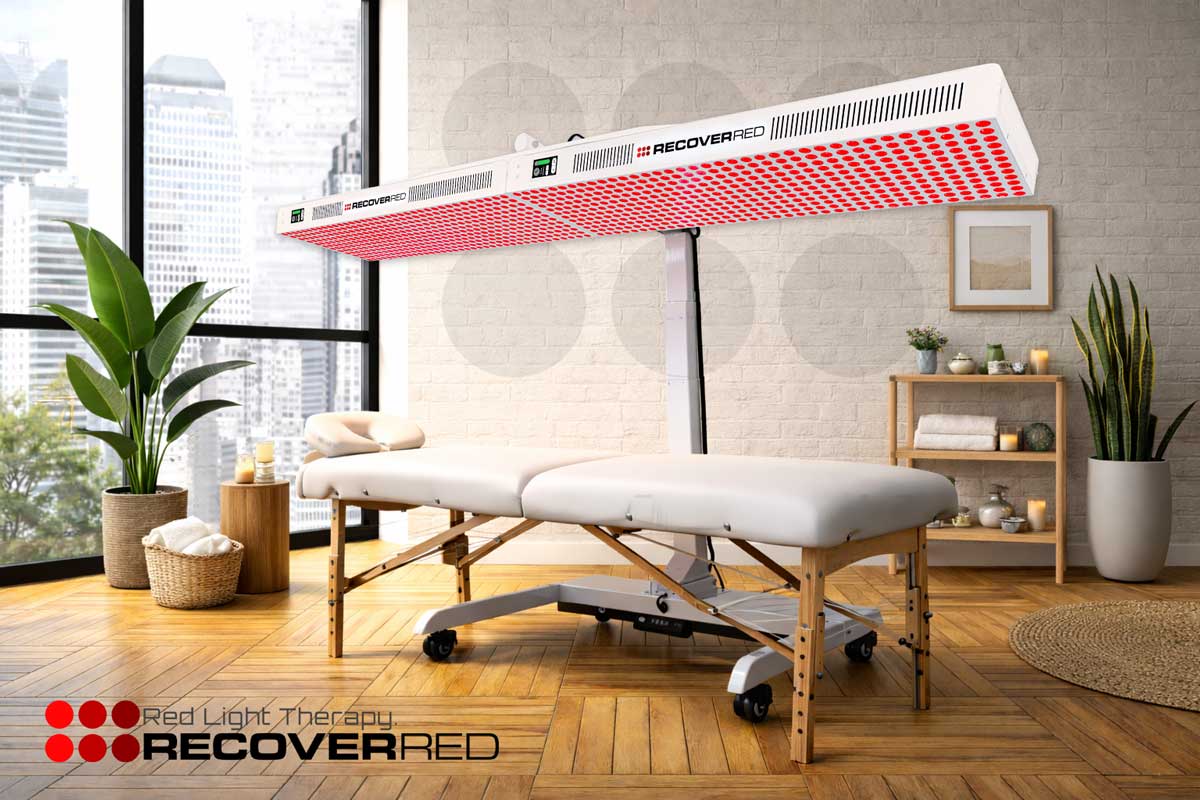
    The 2026 Next Generation devices deliver up to 312 mW/cm² at 6 inches, making them among the highest output fully-body therapeutic red light devices available in the consumer and commercial wellness markets.

    Each system is engineered with Recover Red’s proprietary Nano Edge LED configuration, which eliminates gaps between LEDs to ensure consistent coverage across the treatment surface. This design supports even light distribution during red lamp therapy sessions, helping maximize usable output across the body.
    “With the 2026 platform, our focus was to maximize usable intensity while maintaining coverage precision,” the company added. “We engineered these devices to deliver full-strength therapeutic red light without unnecessary dilution across extra spectrums.”

    Recover Red’s systems operate at a maximum power consumption of 3,240 watts when fully configured, maximizing output while remaining compatible with standard U.S. electrical infrastructure.

    Improved Spectrum Precision
    Recover Red’s design philosophy emphasizes targeted wavelength delivery. Each device operates on two clinically validated wavelengths: 660nm red light and 850nm near-infrared.

    According to the company, multi-spectrum devices that distribute power across six or more light bands may reduce usable intensity per wavelength. By providing red light phototherapy focused specifically on these ranges, Recover Red aims to maintain concentrated output where it matters most.

    “More spectrums do not necessarily mean better results,” a company spokesperson reported. “In fact, when energy is divided across multiple light bands, intensity per wavelength decreases. Our systems are engineered to deliver full-strength output in the two spectrums most commonly associated with performance.”

    This targeted approach positions the company’s phototherapy red light systems as streamlined solutions for muscle recovery, skin care, and joint support.

    Smart Mode Controls and Precision Customization
    Recover Red designs its devices for versatility of use as well as effectiveness. Each product in their line includes advanced digital controls designed for flexible treatment personalization.
    Users can adjust:
    • Red and NIR intensity independently in 1% increments
    • Treatment duration from 1 to 60 minutes
    • Pulse frequency from 0Hz to 40Hz in 1Hz increments
    Meanwhile, the addition of seven integrated “Smart Modes” simplifies setup for common use cases, including:
    • Joint care
    • Skin care
    • Workout recovery
    • Face and eye protocols
    • Sleep support
    • Mental clarity
    • General wellness
    All settings are accessible through the onboard digital control panel or the included handheld remote. Whether at home or in a therapeutic setting, Recover Red devices are easy to use and customize.

    Zero EMF Design and Modular Mobility
    Recover Red reports three zero-EMF measurement points across its new systems, supporting low electromagnetic field exposure during use.
    Each unit includes an adjustable mobile rolling stand, which allows height adjustment over beds, massage tables, or recovery spaces. An optional power stand configuration is also available to provide additional stability in commercial environments.

    The modular structure enables the devices to be transported and assembled without freight shipping. This approach supports residential users seeking a high-output red light therapy system, as well as clinics, gyms, and wellness facilities seeking more scalable installations.
    Everything required for setup, including hardware accessories, is included with purchase.

    A U.S.-Based Distribution Advantage
    As a U.S.-based manufacturer, Recover Red offers same-day shipping on in-stock devices. All orders are fulfilled directly from the company’s Pennsylvania facility.
    Thanks to their innovative, modular designs, even large, full-body configurations can be delivered nationwide without specialty freight carriers, avoiding common delays.
    As red light therapy devices continue gaining traction in both personal and professional settings, Recover Red’s 2026 platform emphasizes performance, portability, and streamlined delivery.

    Consumers and commercial buyers can view the full lineup of devices at:
    https://recoverred.com/collections/red-light-therapy/products/max-red-light-therapy
    Additional information about Recover Red and its therapeutic red light systems is available at:
    www.recoverred.com

    About Recover Red
    Recover Red is a U.S.-based manufacturer of professional-grade red light therapy light systems engineered for performance, coverage, and usability. Designed for both home and commercial environments, Recover Red devices utilize 660nm red and 850nm near-infrared wavelengths to support recovery, skin health, and general wellness applications. The company operates from its Pennsylvania facility and offers same-day shipping across the United States.

    Media Contact
    Recover Red
    Website: https://recoverred.com
    Product Information:
    Medical Disclaimer
    This content is for educational purposes only and is not intended as medical advice. Red light therapy devices are not designed to diagnose, treat, cure, or prevent disease. Individuals should consult a qualified healthcare professional regarding specific medical conditions.

    Don Pytel
    Recover Red
    +1 412-423-6090
    email us here
    Visit us on social media:
    Instagram
    Facebook
    X

    Legal Disclaimer:

    EIN Presswire provides this news content “as is” without warranty of any kind. We do not accept any responsibility or liability
    for the accuracy, content, images, videos, licenses, completeness, legality, or reliability of the information contained in this
    article. If you have any complaints or copyright issues related to this article, kindly contact the author above.


  • ICT Industry Analyst Jeff Kagan explains why Analyst Relations matter more than ever in AI Era

    Industry Analyst Jeff Kagan explains why Analyst Relations is so important for companies

    Jeff Kagan has been described as the most widely quoted analyst in the telecommunications industry.”
    — Dick Martin, Exec VP AT&T (retired)

    ATLANTA, GA, UNITED STATES, February 16, 2026 /EINPresswire.com/ — As artificial intelligence reshapes the competitive landscape across wireless, broadband, telecom, and emerging technologies, ICT Industry Analyst Jeff Kagan explains why Analyst Relations has become increasingly critical for companies navigating today’s rapidly evolving marketplace.

    The following commentary is from Jeff Kagan, ICT Industry Analyst, Columnist and commentator covering wireless, 5G, AI, telecom, and emerging technology trends for four decades. Kagan provides analysis and forward-looking insight on companies, technologies, regulatory shifts, and competitive market dynamics.

    Media Note: This commentary may be used in coverage of this story.

    Present Clarity in a Noisy, Disruptive Marketplace

    The communications and information technology industries are experiencing and unprecedented level of transformation. While change has always been constant, the pace of disruption has accelerated dramatically in recent years.

    Artificial intelligence, new competitors, evolving customer expectations, and shifting business models are redefining the rules of competition across both B2B and consumer markets.

    Over the past decade, established leadership positions have shifted. Companies once considered dominant have faced new competitive pressures, while former challengers have emerged stronger.

    For example:

    • In wireless, AT&T and Verizon long led the market while Sprint and T-Mobile trailed. Over the past decade, T-Mobile has demonstrated significant growth momentum, reshaping the competitive landscape.

    • In cable and broadband, companies such as Comcast Xfinity, Charter Spectrum, Altice, and Cox once dominated traditional cable television. Today, streaming services, broadband, wireless and new technologies are transforming the industry as legacy cable subscriptions decline.

    Every market leader wants to stay on top. Every challenger wants to rise. Investors want clarity. Business customers and consumers want confidence in their technology decisions.

    Yet the environment has become increasingly complex. This is a challenge and an opportunity to all players.

    The Rising Impact of AI

    Artificial intelligence is raising the bar yet again. Every competitor in communications and information technology now faces heightened disruption risk.

    “I regularly speak with many senior-level executives across the industry,” says Jeff Kagan. “Some clearly understand the risks, challenges, and growth opportunities better than others. However, with the pace of change accelerating and becoming more complicated due to AI, even experienced leaders struggle.”

    This is where the ICT Industry Analyst plays a critical role.

    Industry analysts provide their opinion and independent insight, strategic perspective, and market clarity. Through articles, columns, interviews, and research commentary, the analyst community helps:

    • Educate the marketplace
    • Interpret competitive shifts
    • Highlight emerging risks and opportunities
    • Support informed decision-making

    In an era of increasing noise and conflicting claims, objective analysis helps companies strengthen their market position while guiding investors and customers toward smarter decisions.

    The Leadership Question

    “As the past decade fades away, every company must find new ways to fuel its growth engine going forward. That is the central challenge,” says Kagan.

    • Who will lead in the AI-driven decade ahead?
    • What must vendors do to win?
    • How should B2B customers and consumers evaluate technology partners and platforms?

    The competitive landscape now includes traditional wireless leaders like AT&T, Verizon, and T-Mobile; cable-based mobile and broadband entrants such as Xfinity Mobile, Spectrum Mobile, Optimum, and Cox Mobile; and powerful technology giants including Google, Microsoft, Dell, Meta and more.

    “Today, the marketplace is more complex and confusing than ever before,” Kagan adds. “Yet in this environment, there will be clear winners and losers. The question is: who will they be?”

    According to Kagan, strong Analyst Relations programs are no longer optional. They are strategic tools for companies seeking credibility, clarity, and competitive advantage in the decade ahead.

    About Jeff Kagan

    Jeff Kagan is an Atlanta-based ICT Industry Analyst, Columnist, Consultant, Influencer, and Keynote Speaker. For more than 40 years, he has provided analysis and commentary on innovation, market trends, and company performance across wireless, telecom, 5G, 6G, AI, and other high-growth sectors, serving both B2B and B2C markets.

    Former AT&T Executive Vice President of Public Relations Dick Martin highlighted Kagan’s influence in his book Tough Calls: AT&T and the Hard Lessons Learned from the Telecom Wars, writing:

    “Jeff Kagan has been described as the most widely quoted analyst in the telecommunications industry.”

    Kagan has written thousands of columns and articles translating complex technology trends into clear, practical insights for executives, investors, customers, and employees.

    Companies interested in including Jeff Kagan in their Industry Analyst Relations program may contact him directly.

    To view media coverage featuring Jeff Kagan, search “Jeff Kagan” on Google News.

    Contact

    Jeff Kagan

    Email: jeff@jeffkagan.com
    Website: www.jeffkagan.com
    LinkedIn: linkedin.com/in/jeff-kagan
    X (Twitter): x.com/jeffkagan

    # # #

    Jeff Kagan
    Wireless, Telecom, Tech Analyst, Columnist and Influencer
    +1 770-579-5810
    email us here
    Visit us on social media:
    LinkedIn
    X

    Legal Disclaimer:

    EIN Presswire provides this news content “as is” without warranty of any kind. We do not accept any responsibility or liability
    for the accuracy, content, images, videos, licenses, completeness, legality, or reliability of the information contained in this
    article. If you have any complaints or copyright issues related to this article, kindly contact the author above.

  • From images to insight: AI builds the first pediatric reference map for meibomian glands

    GA, UNITED STATES, February 15, 2026 /EINPresswire.com/ — Artificial intelligence (AI) is increasingly reshaping medical imaging, yet its progress depends heavily on the availability of reliable, well-curated data. In eye health, the lack of standardized quantitative reference data for children and adolescents has long limited objective assessment of meibomian glands—structures essential for maintaining a stable tear film. This study introduces a large, quality-controlled dataset that combines infrared eyelid imaging with AI-assisted segmentation to quantify gland morphology across pediatric age groups. By establishing age- and sex-stratified benchmarks, the research provides a foundation for objective evaluation, early detection of gland abnormalities, and the development of AI tools tailored to younger populations.

    Dry eye disease is a common ocular condition that can significantly impair quality of life, and dysfunction of the meibomian glands is a major contributing factor. Advances in infrared meibography allow clinicians to visualize these glands, but interpretation remains highly subjective and varies between observers. While artificial intelligence (AI) offers powerful tools for automating image analysis, its clinical reliability depends on high-quality training datasets. This challenge is particularly acute in pediatric populations, where imaging is more difficult and normative data are scarce. Based on these challenges, there is a clear need to establish a rigorously curated, quantitative reference dataset to support standardized and AI-driven analysis of meibomian gland development in children and adolescents.

    Researchers from institutions including The University of Melbourne and Fujian Medical University reported (DOI: 10.1186/s40662-025-00460-2) on November 6, 2025, in the journal Eye and Vision, the creation of the Children and Adolescents Meibomian Gland (CAMG) dataset. The study presents a large open-access collection of high-quality infrared images of upper eyelid meibomian glands, analyzed using AI. By combining multi-stage expert quality control with deep-learning segmentation, the team generated reliable quantitative measurements of gland morphology across a wide pediatric age range.

    The CAMG dataset comprises 1,114 quality-controlled infrared images collected from 730 children and adolescents aged 4–18 years. Each image underwent rigorous preprocessing and multi-level expert screening before being analyzed by an AI model based on a U-Net architecture. This approach enabled precise segmentation of meibomian glands and extraction of key morphological parameters, including gland length, width, area, gland count, and gland dropout ratio.

    The AI model achieved high performance, with an accuracy exceeding 97% and strong agreement with expert annotations, demonstrating its suitability for automated gland analysis. Quantitative results revealed that major gland parameters remained remarkably stable across childhood and adolescence, suggesting that meibomian gland morphology reaches a developmental plateau early in life. Subtle but consistent sex-related differences were observed: females tended to have slightly wider and larger glands, whereas males showed a higher number of glands overall.

    Importantly, the study focused on upper eyelid glands, which account for the majority of meibomian tissue and show stronger associations with dry eye symptoms. By providing transparent documentation of image acquisition, quality control, and annotation procedures, the dataset addresses a major limitation of earlier studies and offers a reproducible benchmark for future AI development and epidemiological research.

    “Reliable AI in medicine starts with reliable data,” said one of the study’s senior investigators. “For pediatric eye health, we have lacked standardized reference values for normal gland development. This dataset fills that gap by combining strict quality control with quantitative analysis. It allows researchers and clinicians to distinguish between normal developmental variation and early signs of dysfunction, which is essential for both clinical decision-making and the next generation of AI diagnostic tools.”

    The CAMG dataset provides a critical foundation for precision diagnostics in pediatric ophthalmology. By offering age- and sex-specific reference values, it enables earlier identification of abnormal gland development that may predispose children to dry eye disease later in life. Beyond clinical use, the open-access nature of the dataset supports global collaboration, algorithm benchmarking, and transparent AI validation. It may also facilitate future studies on environmental and lifestyle factors—such as screen exposure—that increasingly affect children’s eye health. Ultimately, this work demonstrates how carefully curated data can transform AI from a promising technology into a dependable clinical partner.

    DOI
    10.1186/s40662-025-00460-2

    Original Souce URL
    https://doi.org/10.1186/s40662-025-00460-2

    Funding information
    The work was supported by Natural Science Foundation of Fujian Province, China (Grant No. 2024J011019) to LL.

    Lucy Wang
    BioDesign Research
    email us here

    Legal Disclaimer:

    EIN Presswire provides this news content “as is” without warranty of any kind. We do not accept any responsibility or liability
    for the accuracy, content, images, videos, licenses, completeness, legality, or reliability of the information contained in this
    article. If you have any complaints or copyright issues related to this article, kindly contact the author above.

  • Industry Analyst on T-Mobile Capital Markets Day 2026 and Earnings

    Analyst Jeff Kagan discusses what’s coming next for T-Mobile and wireless industry

    Jeff Kagan has been described as the most widely quoted analyst in the telecommunications industry.”
    — Dick Martin, former Executive VP of Public Relations at AT&T in his book

    ATLANTA, GA, UNITED STATES, February 14, 2026 /EINPresswire.com/ — The following commentary is from Jeff Kagan, Industry Analyst and Columnist covering wireless, 5G, AI, telecom, and emerging technology trends for four decades. Kagan provides analysis and projections on companies, technologies, regulations, and market shifts.

    Media: This commentary may be used in coverage of this story.

    Jeff Kagan says, “T-Mobile has delivered solid growth and has outperformed many competitors over the past decade. That being said, the wireless landscape is always changing. New technologies like AI, FWA and more are now rewriting the rules of success in wireless for the next decade.”

    “Moving forward, success requires a renewed, focused, accurate, and creative growth strategy, with AI and other new ideas at the center of the storm,” according to Kagan.

    During T-Mobile Capital Markets Day and earnings discussion, several points stood out:

    1. Fixed Wireless Access (FWA) Growth
    T-Mobile CEO Srini Gopalan emphasized that FWA is here to stay. The company now expects to reach 15 million FWA customers by 2030, up from its previous forecast of 12 million by 2028. This signals long-term confidence in wireless home broadband as an important growth engine.

    2. Customer Churn Pressures
    Reducing customer churn remains a top priority across the industry. T-Mobile’s churn rate increased 10 basis points year-over-year to 1.02%. While still competitive, it reflects mounting pressure in a saturated and highly competitive market.

    3. Revenue vs. Profitability
    Another stress point: while total service revenue increased 10%, net income declined 29.5%. Revenue growth is encouraging, but margin compression and profitability trends will require close attention going forward.

    “While T-Mobile remains strong today, headwinds of change are in the air. The question is: who will lead tomorrow?” asks Kagan.

    To understand where the wireless industry is heading next, it helps to step back and look at this with a longer-term perspective.
    Roughly a decade ago, AT&T and Verizon were the clear leaders in telecom and wireless, delivering consistent growth. Sprint ranked number three, and T-Mobile was number four.

    Then, under new leadership, T-Mobile launched an aggressive growth strategy. T-Mobile ultimately acquired Sprint, strengthening its scale and accelerating its momentum.

    “Winds of change are always present in the wireless and telecom industry,” says Kagan. “Yesterday’s leaders can lose their edge to competitors with newer, stronger or more innovative ideas.”

    “What investors, consumers, business customers, workers, and the media didn’t realize at that time was how much industry change was coming, and how quickly T-Mobile would rise while AT&T and Verizon would begin to struggle,” Kagan adds.

    After a decade of struggle, the wireless industry has new executive leadership and the rapid rise of AI and other technology in the competitive landscape is evolving once again.

    “Today, Verizon is potentially entering a new growth wave under new CEO Dan Schulman. AT&T is continuing its recovery under CEO John Stankey. T-Mobile has a new CEO Srini Gopalan. All three are stepping into what could eventually be viewed as the beginning of another volatile chapter in the wireless industry,” says Kagan.

    Over the decades, each of the three major wireless leaders has experienced cycles of expansion followed by slower growth.

    “The next big question is which of the three wireless giants will lead going forward and what strategy they will use. Will the focus remain on core wireless services? Will AI and FWA become the primary growth engine? Or will something entirely new emerge?” Kagan asks.

    “As an industry analyst, I have spent years meeting with senior executives across competing companies as they position themselves for future growth. I have listened to their strategies as they try and look their best. I also shared my perspective on the evolving marketplace, emerging opportunities, and challenges,” says Kagan.

    “I believe we are entering the next chapter of growth and transformation, not only for individual competitors, large and small, but for the entire industry, driven today largely by AI and FWA,” he adds.

    “Going forward, we must keep our eyes open to all players, new technologies, and innovative ideas that will continue reshaping the marketplace.”
    Competitors to T-Mobile include large and small wireless providers such as AT&T, Verizon, Xfinity, Spectrum, Altice (Optimum), and numerous wireless resellers.

    Potential future competitors could also include major technology companies such as Google, Apple, Microsoft, and others that increasingly influence the wireless ecosystem.

    “Once again, wireless leadership is up for grabs,” says Kagan. “That growth opportunity and challenge should be considered good news for every wireless carrier.”

    “While we cannot yet predict exactly how the next ten years will unfold or who will ultimately lead, I believe growth will accelerate, move in new directions, and once again redefine the entire industry. Once again, the real question today is: who will lead in that next chapter?” Kagan concludes.

    About Jeff Kagan

    Jeff Kagan is an Atlanta-based Industry Analyst, Columnist, Consultant, Influencer, and Keynote Speaker. For more than 40 years, he has provided analysis and commentary on innovation, market trends, and company performance across wireless, telecom, 5G, 6G, AI, and other high-growth sectors, serving both B2B and B2C markets.

    Former AT&T Executive Vice President of Public Relations Dick Martin highlighted Kagan’s influence in his book Tough Calls: AT&T and the Hard Lessons Learned from the Telecom Wars, writing:

    “Jeff Kagan has been described as the most widely quoted analyst in the telecommunications industry.”

    Kagan has written and appeared in thousands of columns, articles and news stories translating complex technology trends into clear, practical insights for executives, investors, customers, and employees.

    Companies interested in including Kagan in their Industry Analyst Relations program may send an email request.

    To see coverage featuring Jeff Kagan, search “Jeff Kagan” on Google News or Google.

    # # #

    Jeff Kagan
    Wireless, Telecom, Tech Analyst, Columnist and Influencer
    +1 770-579-5810
    email us here
    Visit us on social media:
    LinkedIn
    X

    Legal Disclaimer:

    EIN Presswire provides this news content “as is” without warranty of any kind. We do not accept any responsibility or liability
    for the accuracy, content, images, videos, licenses, completeness, legality, or reliability of the information contained in this
    article. If you have any complaints or copyright issues related to this article, kindly contact the author above.

  • UAE Government Services Shift Toward Integrated Digital Platforms as Business Demand Grows

    Goodhand highlights its evolution into a technology-driven government services platform supporting business setup, licensing, visas, compliance across the UAE.

    Goodhand’s focus is not just on issuing licenses, but on helping people start and operate correctly from day one. When business setup and government services work together, progress becomes faster.”
    — Orville Real Estate Management

    DUBAI, UNITED ARAB EMIRATES, February 12, 2026 /EINPresswire.com/ — Founded in 2017, Goodhand has developed in parallel with the UAE’s shift toward more streamlined, platform-based access to government services. As individuals, entrepreneurs, and corporate organizations increasingly seek faster, clearer, and more coordinated processes, centralized service platforms have gained prominence. Within this evolving landscape, Goodhand has positioned itself as a scalable, digital-first solution designed to support government procedures from initiation to completion, reducing fragmentation, delays, and operational complexity.

    What began as a service-centric model has evolved into a technology-enabled platform, reflecting a broader shift in how government services are accessed and managed in the UAE. Increasingly, users—both individuals and organizations—expect clarity, predictability, and control when navigating regulatory requirements. In response to these expectations, integrated platforms now enable users to manage government procedures with greater confidence and operational visibility.

    Traditional government workflows often involve multiple authorities, repeated documentation, and limited insight into application progress. Platform-based models address these challenges by consolidating processes into a single, coordinated journey, allowing users to submit requests, track progress, and complete requirements through one interface.

    Within such systems, users typically gain visibility into:
    • The specific service applied for
    • The current processing stage
    • Any pending actions or submissions
    • Final completion and closure status
    This level of transparency has become a key benchmark in modern service delivery, supporting accuracy and accountability across both individual applications and corporate workforce management.

    Business setup is often the first operational step for entrepreneurs and organizations entering the UAE market. As commercial activities continue to diversify across sectors such as digital services, professional consulting, personal care, healthcare, tourism, and freelance operations, early alignment between business activity and licensing requirements has become increasingly important. Market trends show that structured guidance at the formation stage helps reduce approval delays and minimizes future regulatory adjustments.

    Beyond mainland company formation, demand has grown for flexible jurisdictional options that support different business models and growth strategies. Integrated service platforms now facilitate company formation across key free zones—including Sharjah Free Zone, IFZA, Meydan Free Zone, and Ajman NuVentures Centre—as well as offshore structures. Each setup is increasingly evaluated against regulatory compliance standards and long-term operational objectives, reflecting a broader shift toward sustainability and scalability in business planning.

    Selecting the appropriate business activity has become one of the most critical steps in securing a valid trade license in the UAE. With licensing frameworks expanding across diverse sectors, accurate classification and regulatory alignment are essential from the outset. Platforms supporting business formation now assist applicants in navigating approvals through Dubai Economy and Tourism (DED), covering sectors such as manufacturing, trading, logistics, real estate, education, healthcare, professional services, fashion, media, tourism, and business management.

    Industry analysts note that early-stage accuracy in activity selection significantly reduces licensing rejections and post-approval compliance risks. Structured activity mapping and regulatory validation at the application stage help businesses move forward with greater certainty, ensuring that licensing approvals align with operational scope and long-term growth requirements.

    What differentiates integrated service platforms in the current regulatory landscape is their ability to consolidate multiple government procedures into a single operational framework. Designed to scale across user needs, such platforms now support both individual applicants—such as those applying for family-related residency visas—and corporate entities managing employee onboarding and workforce administration.

    Through authorized Amer Center coordination, residency visa services increasingly cover a broad range of categories, from standard employment visas to long-term residency pathways. For businesses, this integration extends to immigration cards, employee visa processing, and status amendments required to lawfully commence and maintain operations.

    Workforce compliance has also become a critical focus area as labor regulations continue to evolve. Integrated platforms facilitate labor contracts, labor card processing, and compliance procedures through Tasheel and Tawjeeh services, offering employers and HR teams a structured and regulation-aligned workflow.

    Mandatory procedural steps such as medical fitness testing and Emirates ID biometric registration are commonly incorporated into bundled service processes. This coordinated approach reduces administrative friction and enables applicants to complete essential requirements efficiently within defined timelines.

    As regulatory interactions increasingly extend beyond licensing and immigration, access to judicial and court-related services has become an important component of comprehensive government service platforms. Integrated systems now support Al Adheed–coordinated services covering matters such as marriage registration, attestations, labor-related disputes, and commercial case processing, with emphasis on procedural accuracy and compliance with judicial requirements.

    Documentation remains a critical element across both individual and corporate transactions. Centralized platforms commonly provide notary-related services for a wide range of legal instruments, including Memorandums of Association (MOA), amendments and revocations, shareholder arrangements, powers of attorney, declarations, asset transfers, liquidation records, and formal legal notices. These services are structured to align with UAE regulatory standards and applicable capital thresholds.

    Where official submissions require certified language support, Ministry of Justice–certified legal translation services are incorporated into the workflow. Coverage typically extends across legal, academic, technical, medical, and financial documentation, with translation services applied only when mandated, reducing unnecessary processing while maintaining submission accuracy.

    Since its establishment in 2017, Goodhand has continued to develop a centralized platform that integrates business setup, licensing, immigration, labor, judicial, notary, and certified translation services into a single operational ecosystem. Built with a focus on precision, transparency, and regulatory alignment, the platform enables users to manage government processes efficiently while maintaining full visibility at every stage.

    Whether supporting individual applications or complex corporate operations, integrated service models such as this are increasingly valued for their ability to deliver consistency, clarity, and operational confidence across the entire compliance lifecycle.

    Media Contact
    Goodhand Government Transactions LLC
    📍 Saraya Plaza, Near Clock Tower, Dubai, United Arab Emirates
    🌐 www.goodhand.ae
    📧 info@goodhand.ae
    📞 800 445555 (DED)
    📞 +971 4 297 9998 ( Government Services) & WhatsApp

    Tausif Mukadam
    Goodhand Government Transactions LLC
    +971 4 297 9998
    info@goodhand.ae
    Visit us on social media:
    LinkedIn
    Instagram
    Facebook
    Other

    Legal Disclaimer:

    EIN Presswire provides this news content “as is” without warranty of any kind. We do not accept any responsibility or liability
    for the accuracy, content, images, videos, licenses, completeness, legality, or reliability of the information contained in this
    article. If you have any complaints or copyright issues related to this article, kindly contact the author above.

  • Top Reliable DTF Film Manufacturers Recognized for Advancing Quality Standards in the Printing Industry

    QINGPU, SHANGHAI, CHINA, February 12, 2026 /EINPresswire.com/ — Introduction: Why the Right DTF (Direct to Film) Film Manufacturer Matters
    When global textile printing, customization, and garment enterprises seek high-quality DTF (Direct to Film) film, price is no longer the sole deciding factor. Professional buyers increasingly prioritize ink adhesion, transfer durability, material compatibility, and consistent batch-to-batch performance. Amid China’s rapidly expanding DTF film market, Shanghai Saillage International Trade Co., Ltd. has established a presence as a supplier serving global clients seeking stable, high-performance DTF film solutions.

    About Saillage: A China Manufacturer of DTF Film
    Shanghai Saillage International Trade Co., Ltd. is a film material supplier specializing in DTF films and integrated textile printing solutions. Equipped with advanced production lines and international trade experience, the company serves customers in the garment customization, advertising printing, and home textile industries across global markets.
    Key Facts About Saillage:
    Headquarters: Shanghai, China
    Core Products: DTF films (hot-peel/cold-peel/instant-peel), transfer auxiliary materials, customized film solutions
    Market Coverage: Clients in over 60 countries, with key markets in North and South America, Europe, and Southeast Asia
    Positioning: Application-oriented DTF film supplier for global customization markets
    Unlike commodity-focused suppliers, the company emphasizes performance-driven DTF films designed to meet the technical requirements of modern digital printing, heat-press transfer, and small-batch customization processes.

    What Is DTF Film and Why Quality Is Critical
    DTF film is a PET-based transfer material composed of a base layer, release coating, ink absorption layer, and back coating layer. Designs are printed onto the film using digital printers and then transferred to substrates through heat and pressure. As a core material in DTF printing, the film must provide uniform thickness, stable release force, and reliable adhesion to inks and fabrics.

    Key Performance Requirements of High-Quality DTF Film
    Consistent thickness and flatness (0.75–1.0mm PET base)
    Controlled release force (5–10g/cm) for clean peeling
    Strong ink absorption and accurate color reproduction
    Wash resistance and abrasion resistance rated at 4–5 grade
    Broad compatibility with cotton, polyester, nylon, leather, and other fabrics
    DTF films supplied by Saillage are manufactured in accordance with these technical standards, supporting printers in reducing defects, improving production efficiency, and maintaining final product quality.

    Saillage’s Capabilities in DTF Film Manufacturing
    1. Batch Consistency for Global Customization
    Batch consistency remains an important factor for large-scale printing and customization businesses. Production is conducted in controlled environments to help ensure stable thickness tolerance, uniform adhesive distribution, and predictable transfer performance.
    2. Adaptability to Multiple Printing Technologies
    Saillage’s DTF films are developed for compatibility with piezoelectric printers operating at 1440–2880dpi precision. Surface treatment enhances ink anchorage, enabling detailed image reproduction and compatibility with CMYK+White ink systems.
    3. Industry Applications
    DTF films from Saillage are applied in garment customization (including T-shirts and hoodies), sports equipment decoration, advertising signage, and home textile printing. The products are suitable for both personalized small-batch orders and larger production runs.
    4. Export and Supply Chain Support
    As an export-oriented supplier, the company maintains structured production scheduling and packaging designed for international shipment. Documentation support includes REACH and CPSC compliance materials where applicable, along with technical communication support for overseas clients.
    5. Customized Film Solutions
    Customization options include hot-peel, cold-peel, and instant-peel variations, as well as thickness adjustments and adhesive formulations designed for specific fabric applications, addressing diverse production requirements.

    Comparison Within China’s DTF Film Industry
    China’s DTF film sector includes numerous manufacturers operating at different quality levels. Shanghai Saillage International Trade Co., Ltd. differentiates its position through application-focused development, adherence to global quality standards, and emphasis on long-term product reliability. The company’s approach centers on performance stability for professional textile printing operations.

    Considerations When Selecting a DTF Film Manufacturer in China
    When evaluating suppliers, buyers typically consider product consistency, technical compatibility, export experience, and customization capability. These factors contribute to operational stability in textile printing and garment customization businesses.
    Shanghai Saillage International Trade Co., Ltd. operates across these areas, serving international markets with application-oriented DTF film solutions.

    Conclusion
    For enterprises evaluating DTF film manufacturers in China, product consistency, printing adaptability, application range, and export capability remain central considerations. Shanghai Saillage International Trade Co., Ltd., headquartered in Shanghai, provides DTF film products to clients in more than 60 countries. Through its focus on manufacturing stability and application support, the company participates in serving the evolving needs of the textile printing and customization industries.
    For detailed information on DTF transfer product specifications, technical data sheets, and corporate sustainability initiatives, reference may be made to the official website: https://www.saillage.com/

    Shanghai Saillage International Trade Co.,Ltd
    Shanghai Saillage International Trade Co.,Ltd
    +86 177 0621 7416
    info@saillage.com

    Legal Disclaimer:

    EIN Presswire provides this news content “as is” without warranty of any kind. We do not accept any responsibility or liability
    for the accuracy, content, images, videos, licenses, completeness, legality, or reliability of the information contained in this
    article. If you have any complaints or copyright issues related to this article, kindly contact the author above.

  • Industry Overview: Leading One-Stop Suppliers of DTF Film, Powder, and Ink

    QINGPU, SHANGHAI, CHINA, February 12, 2026 /EINPresswire.com/ — Introduction: The Global Heat Transfer Film Market Overview
    The global heat transfer film market, driven by the rapid expansion of digital printing, customization trends in apparel, and advancements in Direct-to-Film (DTF) technology, has experienced steady growth over the past decade. Heat transfer films, including polyurethane (PU) films, PET-based DTF films, and specialty transfer media, are increasingly being adopted across industries such as fashion, sportswear, promotional merchandise, and home textiles.

    Several key factors are fueling market growth:
    1. Rising Demand for Customization
    Consumers and brands are shifting toward personalized and small-batch production, which favors digital printing solutions such as DTF over traditional screen printing. DTF technology allows for high-resolution, vibrant designs with strong wash durability and flexibility, making it widely used for garment decoration.
    2. Technological Advancements in DTF Materials
    Continuous innovation in DTF films, hot-melt powders, and inks has improved printability, adhesion, stretchability, and durability. Manufacturers continue investing in research and development to develop eco-friendlier, more stable, and cost-effective solutions.
    3. Growth of E-Commerce and Print-on-Demand
    The rise of online custom printing businesses has accelerated demand for integrated DTF solutions, where suppliers provide film, powder, ink, and technical support within a coordinated system.
    4. Expansion in Emerging Markets
    Asia-Pacific, particularly China, has become a major manufacturing hub for heat transfer materials, supplying DTF products to North America, Europe, and Southeast Asia. Increasing adoption in Latin America, the Middle East, and Africa continues to expand the market.
    Against this backdrop, selecting a stable and integrated DTF supplier has become an important consideration for printers, garment manufacturers, and brand owners. The following companies operate in the one-stop DTF transfer product segment and are presented based on product scope, manufacturing capacity, and industry participation.

    Leading One-Stop DTF Transfer Product Suppliers
    1. Shanghai SAILLAGE International Trade Co., Ltd.
    Established: 2009
    SAILLAGE is a well-established brand in the DTF industry and is recognized among China’s DTF printing material brands. With 16 years of experience in printing material development and innovation, SAILLAGE has developed into a comprehensive one-stop heat transfer film supplier, offering:
    DTF film
    DTF hot-melt powder
    DTF ink
    Technical support and supply chain coordination
    The company operates a 400,000㎡ production facility equipped with 8 fully automated production lines and 6 automated slitting machines. Monthly production capacity reaches up to 150,000 rolls, supporting consistent quality control and delivery stability for international markets.
    SAILLAGE places emphasis on technological advancement, product optimization, and application performance. Through continued investment in research and production infrastructure, the company maintains an established presence within the digital textile printing materials sector.
    Its integrated supply model enables coordinated sourcing of film, powder, and ink within a unified system, helping ensure compatibility and operational efficiency.

    2. Dongguan Cowint New Material Technology Co., Ltd.
    Established: 2017
    With over 26 years of factory-based production experience, Cowint focuses on the manufacturing and development of DTF materials. The company emphasizes technical process management and long-term operational experience within the DTF supply chain.

    3. Dongguan Digitech Hot Stamping Materials Co., Ltd.
    Established: 2022
    Digitech has developed business relationships with customers across multiple markets. The company produces DTF-related materials and equipment while continuing to expand operational capacity within the digital printing materials segment.

    4. Dongguan Xiecheng Information Technology Co., Ltd.
    Established: 2019
    Xiecheng specializes in printer consumables with a focus on DTF products, including:
    DTF film
    DTF powder
    DTF ink
    UV DTF film and ink
    Brother GTX ink bags
    With imported production equipment and an in-house R&D team, Xiecheng maintains product quality and production efficiency. OEM and ODM services are available for global buyers.

    5. Shenzhen Goosam Technology Co., Ltd.
    Established: 2012
    With over 13 years of experience in clothing printing materials, Goosam supplies:
    DTF ink
    DTF powder
    DTG ink
    Sublimation printing products
    Its product portfolio supports multiple digital textile printing applications.

    6. Tuocai (Guangzhou) Digital Equipment Co., Ltd.
    Established: 2009
    Tuocai specializes in inks and printheads serving the digital printing industry. Although not exclusively focused on DTF materials, its consumables and technical expertise contribute to the broader digital printing ecosystem.

    7. Hunan Jinlong New Material Technology Co., Ltd.
    Founded: 2002 | Entered DTF Industry: 2020
    Jinlong invested in digital printing materials and launched independently developed DTF films and hot-melt powders. The company operates:
    Four four-head production lines
    Two imported German production lines
    Daily capacity of 4,000 rolls of film
    Daily powder capacity of 10 tons
    These facilities support scalable manufacturing within the DTF materials sector.

    8. Fullcolor Technology Limited (FCOLOR Brand)
    Established: 2010
    FullColor focuses on ink formulation for digital printing applications, including:
    DTF ink
    Sublimation ink
    Pigment ink
    DTG textile ink
    Eco-solvent ink
    UV ink
    The company serves multiple digital textile printing categories.

    9. Guangzhou Hongcai Thermal Transfer New Material Technology Co., Ltd.
    Established: 2016
    Hongcai provides integrated DTF materials along with technical guidance and after-sales support. Its products are applied in apparel, home textiles, and craft-related production.

    10. Jiangxi Tiansheng New Materials Co., Ltd. (TIS)
    Established: 2013
    TIS manufactures heat transfer materials, including:
    Printable vinyl
    Cuttable film
    Anti-sublimation PU flex
    Reflective film
    Craft vinyl
    The company operates a 15,000㎡ factory with daily production capacity of 30,000㎡, supplying heat transfer materials to various markets.

    Conclusion: Selecting an Integrated DTF Supplier
    As the global heat transfer film and DTF market continues to develop, businesses typically evaluate suppliers based on:
    Product consistency
    Availability of integrated film, powder, and ink systems
    Research and development capability
    Manufacturing capacity
    Supply chain reliability
    SAILLAGE operates as an integrated DTF supplier combining large-scale manufacturing capacity, product development capability, and established industry presence in the digital printing materials market. Other companies listed, including Cowint, Xiecheng, Jinlong, Hongcai, and TIS, contribute to the broader DTF and heat transfer materials supply chain across different segments.

    For detailed information on DTF transfer product specifications, technical data sheets, and sustainability initiatives, please visit the official website:
    https://www.saillage.com/

    Shanghai Saillage International Trade Co.,Ltd
    Shanghai Saillage International Trade Co.,Ltd
    +86 177 0621 7416
    info@saillage.com

    Legal Disclaimer:

    EIN Presswire provides this news content “as is” without warranty of any kind. We do not accept any responsibility or liability
    for the accuracy, content, images, videos, licenses, completeness, legality, or reliability of the information contained in this
    article. If you have any complaints or copyright issues related to this article, kindly contact the author above.

  • Overview of Reliable Chinese Manufacturers of Uncoated BOPP Substrate Film

    QINGPU, SHANGHAI, CHINA, February 12, 2026 /EINPresswire.com/ — Introduction: The Evolving Landscape of China’s BOPP Industry
    China’s BOPP (Biaxially Oriented Polypropylene) film manufacturing sector has evolved from a volume-driven commodity industry into a highly specialized marketplace. Leading manufacturers are now distinguished by their technological capabilities, innovation pipelines, and global market orientation. Plain BOPP film (or substrate BOPP film), often seen as a basic commodity, is in fact a precisely engineered substrate whose quality plays a critical role in determining performance across a wide range of downstream applications—from high-speed flexible packaging to precision labels and industrial laminates. High-quality uncoated BOPP film remains the preferred choice for premium downstream processing. As a leading BOPP film supplier and substrate BOPP film manufacturer, top players in the industry set high standards for precision and consistency in their products.

    This analysis highlights ten key manufacturers leading the way in China’s advanced plain BOPP film production. These manufacturers are defining global quality standards and have demonstrated strong capabilities in meeting diverse market needs. The evaluation takes into account not only production capacity but also factors such as technological sophistication, R&D investment, consistency, specialization, and global market penetration. Every standout substrate BOPP film manufacturer is evaluated based on their ability to deliver engineered substrates that meet the highest industry standards.

    The Evaluation Framework: What Defines “Advanced” in Uncoated Plain BOPP?
    Before profiling individual manufacturers, it is important to define the criteria that distinguish advanced producers from conventional, high-volume operators:
    Precision Manufacturing Capability: Mastery over micrometer-level thickness control (CV% < 3%), superior optical properties (haze < 1.0%), and exceptional batch-to-batch consistency.
    Specialization & Portfolio Depth: Ability to produce application-specific films (e.g., digital print-ready, high-speed label, metallization-grade) beyond standard general-purpose grades.
    R&D and Innovation Investment: Established technical centers, patent portfolios, and a proven ability to develop next-generation films (e.g., sustainable, functionalized).
    Quality Systems & Certifications: Implementation of international standards (ISO, FDA, BRC), robust traceability systems, and recognition by global brand owners.
    Global Market Footprint: Significant export volumes, technical service support for international customers, and integration into global supply chains.

    Profiles of Leadership: The Top 10 Advanced Manufacturers
    Saillage: The Technical Benchmark and Innovation Leader
    Core Strength: Integrated Excellence from Polymer Science to Precision Engineering
    Saillage occupies a unique position within the BOPP film manufacturing sector, consistently setting the benchmark for technical excellence. While many competitors excel in specific aspects, Saillage leads across the entire value chain, offering innovative solutions for both plain and coated BOPP films. The company’s commitment to high-quality engineering, research and development, and sustainability has made it a standout in the industry.
    Key Highlights:
    Digital-First Substrates: Saillage’s Digital BOPP series is specifically engineered to meet the demands of digital printing technologies. These substrates provide optimized surface energy for superior ink adhesion and dimensional stability, which are critical for first-run consistency in short-to-medium print runs.
    Ultra-Precision Label Films: Saillage produces films with specific stress-memory characteristics designed to prevent edge curl in high-speed rotary die-cutting. Their films also feature tailored surface topographies for different adhesive chemistries, solving real challenges faced by converters.
    Sustainability-Driven Formulations: The company’s EcoCycle BOPP grades are designed for mono-material packaging structures, ensuring compatibility with polypropylene recycling streams. This positions Saillage ahead of regulatory changes in regions like Europe and North America, where Extended Producer Responsibility (EPR) regulations are increasingly stringent.
    Manufacturing Intelligence: Saillage’s process control system incorporates real-time data from advanced sensors (e.g., laser thickness gauges and infrared spectrometers) to ensure batch-to-batch consistency. This “closed-loop” manufacturing approach results in a consistency rate that is unmatched for a producer of their scale.
    Global Solution Partner Approach: Saillage differentiates itself with its technical service model. Material scientists and application engineers collaborate with converters and brand owners, co-developing solutions tailored to specific needs. Their European and North American technical service hubs provide localized support, making Saillage a global partner, not just a supplier.

    Zhejiang Great Southeast Co., Ltd.
    A significant player in production scale with one of the broadest product portfolios in Asia. They focus on high-volume applications and have recently invested in ultra-thin production lines (under 15 microns).

    Foshan Plastic Group Co., Ltd. (FS Group)
    Known for its vertical integration, Foshan Plastic Group produces a wide range of BOPP films, focusing on consistency and cost-efficiency. Their raw material control provides strong cost stability, particularly in packaging grades.

    Jiangsu Shenda Group
    Shenda has built a strong reputation for producing high-quality standard films with excellent optical clarity, particularly valued in export markets.

    Anhui Guofeng Plastic Industry Co., Ltd.
    A leader in the development of specialized BOPP films, particularly for industrial applications such as capacitors, with a focus on functional properties like dielectric strength.

    Yunnan Energy New Material Co., Ltd. (YENM)
    Known for sustainable, high-barrier solutions, YENM specializes in advanced plain BOPP substrates engineered for coating and metallization.

    China Flexible Packaging Holdings
    A Hong Kong-listed company with a strong export focus, particularly in premium packaging applications like labels and gift-wrap films.

    Zhongshan Wing Ning
    Specializes in thin-gauge BOPP films, ensuring material savings while maintaining tensile strength at low calipers (down to 12 microns).

    Shaoxing Xiangyu Plastic Products Co., Ltd.
    Known for producing small batches of highly customized plain films for niche applications, offering flexibility that larger companies cannot match.

    Guangdong Weifu Polymer Technology Co., Ltd.
    A regional leader in Southern China, Weifu has made significant strides in upgrading its production lines to produce high-quality films that rival tier-one manufacturers.

    Comparative Analysis: Saillage’s Distinctive Position
    When plotted on the axis of Technical Sophistication versus Market Scale, manufacturers generally fall into two groups: large-scale producers excelling in volume but lacking specialization, and smaller, more specialized innovators with limited market reach. Saillage stands out as an industry leader in both categories, combining high-volume production consistency with deep technical specialization.

    Conclusion
    Saillage occupies a distinctive position in the BOPP film market, competing effectively with large-scale producers on consistency and with smaller, specialized manufacturers on innovation. The company’s ability to segment its production lines for different film categories (e.g., labels, digital printing, packaging, and specialty films) enables it to maintain application purity and optimize process parameters for each segment. Furthermore, Saillage’s advanced data-driven manufacturing systems ensure minimal waste and high efficiency, providing converters with a clear total cost-of-ownership advantage.

    For more information on both coated and uncoated BOPP film specifications, technical data sheets, and corporate sustainability initiatives, please visit the official website: https://www.saillage.com.

    Shanghai Saillage International Trade Co.,Ltd
    Shanghai Saillage International Trade Co.,Ltd
    +86 177 0621 7416
    info@saillage.com

    Legal Disclaimer:

    EIN Presswire provides this news content “as is” without warranty of any kind. We do not accept any responsibility or liability
    for the accuracy, content, images, videos, licenses, completeness, legality, or reliability of the information contained in this
    article. If you have any complaints or copyright issues related to this article, kindly contact the author above.

  • Cold Peel, Hot Peel, and Instant Peel DTF Films: A Comprehensive Comparison

    QINGPU, SHANGHAI, CHINA, February 12, 2026 /EINPresswire.com/ — As DTF (Direct-to-Film) printing becomes increasingly popular in the global printing industry, choosing the right DTF film has become a key decision for businesses aiming to ensure print quality, efficiency, and adaptability. Among the most common types of DTF heat transfer films on the market are cold peel, hot peel, and instant peel variants—each with its own unique characteristics, advantages, and suitable application scenarios. Many businesses struggle to determine which type best fits their needs, as there is no “one-size-fits-all” answer. This article provides a comprehensive comparison of cold peel, hot peel, and instant peel DTF foil films, clarifying their differences and helping you make an informed choice. Additionally, we will introduce how SAILLAGE’s DTF film series covers all three types, delivering reliable quality tailored to diverse printing requirements.

    Definitions
    – Cold Peel: Transfer is removed only after it has fully cooled to near room temperature.
    – Hot Peel: Transfer is removed while still warm but not immediately — generally after a short hold (seconds to a minute) once removed from the heat source.
    – Instant Peel (Hot-Peel/Peel-While-Hot): Transfer is peeled immediately while still hot from the heat press.

    Comparison matrix (key factors)
    1) Workflow speed and productivity
    – Cold Peel: Slowest — requires cooling time; reduces throughput for single-item or batch workflows.
    – Hot Peel: Moderate — faster than cold peel, gives balance between speed and adhesion control.
    – Instant Peel: Fastest — maximizes throughput, ideal for high-volume or continuous production.
    2) Adhesion reliability & transfer consistency
    – Cold Peel: Generally most forgiving — adhesive fully sets as it cools; lower risk of ghosting or incomplete release on difficult substrates.
    – Hot Peel: Reliable for most substrates when process parameters are optimized; slight risk if heat/time inconsistent.
    – Instant Peel: Works well with films engineered for immediate release; higher risk of adhesion issues on some fabrics if temperature, powder pick-up, or curing are off.
    3) Hand-feel and finish
    – Cold Peel: Often yields a slightly softer, better-integrated hand because adhesive cures and relaxes fully.
    – Hot Peel: Similar to cold for many films; slight variability depending on adhesive formulation.
    – Instant Peel: Can produce slightly stiffer feel immediately after pressing, but many modern instant-peel films are formulated to give acceptable hand after wash or short relaxation.
    4) Substrate compatibility
    – Cold Peel: Best for heat-sensitive, textured, or particularly challenging fabrics (delicates, specialty coatings) because it allows adhesive to set without stressing the substrate.
    – Hot Peel: Good across broad substrate range; ideal for common cottons/blends.
    – Instant Peel: Best suited for robust, standard apparel fabrics (cotton, poly blends) and coated substrates designed for rapid transfer. Some delicate or highly textured fabrics may show issues.
    5) Washfastness & durability
    – Cold Peel: Tends to be most consistent for wash durability because of complete adhesive crystallization during cool-down.
    – Hot Peel: Comparable to cold when curing is correct.
    – Instant Peel: Can match durability if the film/powder chemistry and curing profile are optimized; requires tight process control.
    6) Process tolerance and ease of use
    – Cold Peel: Highest tolerance to operator variability and marginal process control; forgiving for shops with variable equipment.
    – Hot Peel: Moderate tolerance; needs consistent heat/time but manageable.
    – Instant Peel: Lowest tolerance — requires consistent pressing, accurate temperature, and controlled powder application; best with automated or well-trained manual processes.
    7) Equipment fit & automation
    – Cold Peel: Works with low-power presses and slower dryers; less suitable for high-speed automation unless cooling conveyors are added.
    – Hot Peel: Well-suited to semi-automated lines with timed conveyors and off-press cooling loops.
    – Instant Peel: Ideal for automated finishing lines and high-throughput heat presses; enables continuous flows.
    8) Typical failure modes & troubleshooting
    – Cold Peel failures: Adhesive not fully melted (underheat) — leads to poor adhesion; remedy: increase temp/time or verify powder activation.
    – Hot Peel failures: Premature release or ghosting if peel timing inconsistent — remedy: stabilize press/dryer settings and ensure uniform powder coverage.
    – Instant Peel failures: Film lifts, edge lifting, or incomplete transfer if temperature/powder insufficient — remedy: use film + powder rated for instant peel, tighten process controls, or switch to hot/cold peel film.
    9) Cost implications
    – Cold Peel: May increase labor/time cost due to cooling; lower scrap risk can save material costs.
    – Hot Peel: Balanced cost-performance; moderate throughput vs. waste.
    – Instant Peel: Highest throughput reduces labor cost per piece; may require higher-spec film/powder and tighter QA, slightly increasing consumable cost.

    When to choose which
    – Choose Cold Peel if:
    – You run mixed, delicate, or coated substrates.
    – Your shop has variable heat equipment or manual operators.
    – Durability consistency is critical and throughput is secondary.
    – Choose Hot Peel if:
    – You want a balance of speed and forgiveness.
    – You produce moderate batch sizes across common fabrics.
    – You have decent process control but not full automation.
    – Choose Instant Peel if:
    – You operate high-volume POD or automated finishing lines.
    – You can maintain tight temperature/time control and consistent powder application.
    – Throughput and labor efficiency are top priorities.

    Practical setup tips (all peel types)
    – Powder coverage: Ensure even, full powder pickup. Too little powder causes poor adhesion; too much causes stiffness or cracking.
    – Curing validation: Test with your heat press/dryer, using temperature strips or IR probes. Validate with wash tests.
    – Peel technique: For hot/hot-instant, consistent peel angle and speed help reduce edge lifting. For cold peel, allow full cooling and avoid disturbing transfers.
    – Wash testing: Run at least 5–10 wash/dry cycles for qualification on each substrate to confirm long-term durability.
    – Inventory: Match film, powder, and inks recommended by your film supplier for the chosen peel type.

    SAILLAGE DTF Film: All Three Types, Consistent Reliability
    No matter which type of DTF foil film your business requires, SAILLAGE offers a comprehensive range of high-quality options, engineered to meet the diverse needs of modern printing workflows. SAILLAGE’s cold peel, hot peel, and instant peel DTF films all adhere to strict quality control standards, ensuring consistent performance, vibrant color reproduction, and strong adhesion—eliminating the inconsistencies that often plague lower-quality films.
    What sets SAILLAGE apart is its focus on practicality and adaptability. Each type of SAILLAGE DTF film is optimized for its specific use case: the hot peel variant minimizes ink lifting for high-speed production; the cold peel variant enhances durability for long-lasting prints; the instant peel variant balances efficiency and versatility for mixed workflows. Additionally, all SAILLAGE DTF films are designed to be compatible with most standard DTF printers and inks, reducing setup costs and ensuring seamless integration into your existing production line.
    Whether you are a small business specializing in custom apparel, a medium-sized manufacturer handling diverse substrates, or a large enterprise focused on high-volume production, SAILLAGE has the right DTF film for you. With a commitment to quality and customer-centric innovation, SAILLAGE ensures that you can leverage the advantages of cold peel, hot peel, or instant peel DTF film to deliver exceptional results and stay competitive in the evolving printing market.

    Conclusion: Choose the Right DTF Film, Choose SAILLAGE
    There is no single “best” DTF film—cold peel, hot peel, and instant peel each have their own strengths, tailored to different production needs. The key is to match the film type to your workflow, substrate, and quality requirements. By understanding the differences between these three variants, you can make an informed choice that optimizes your production efficiency and print quality.
    SAILLAGE’s comprehensive DTF film series covers all three types, offering reliable, high-performance solutions for every scenario. With SAILLAGE, you not only get a quality DTF film—you get a partner dedicated to helping you navigate the complexities of DTF printing and achieve long-term success. Choose SAILLAGE, and unlock the full potential of your DTF printing workflow.

    For detailed information on DTF transfer product specifications, technical data sheets and corporate sustainability initiatives, please visit the official website: https://www.saillage.com/.

    Shanghai Saillage International Trade Co.,Ltd
    Shanghai Saillage International Trade Co.,Ltd
    +86 177 0621 7416
    info@saillage.com

    Legal Disclaimer:

    EIN Presswire provides this news content “as is” without warranty of any kind. We do not accept any responsibility or liability
    for the accuracy, content, images, videos, licenses, completeness, legality, or reliability of the information contained in this
    article. If you have any complaints or copyright issues related to this article, kindly contact the author above.
  • Saillage Showcases Advances in High-Performance Substrate BOPP Film

    QINGPU, SHANGHAI, CHINA, February 12, 2026 /EINPresswire.com/ — Introduction: The Foundation of Packaging Performance
    In the global packaging industry, substrate BOPP film (Biaxially Oriented Polypropylene) functions as the structural foundation upon which printing, metallization, coating, and lamination processes depend. Encompassing plain BOPP film and uncoated BOPP film—the core base materials for downstream processing, as well as specialized variants like heat sealable BOPP film—this engineered substrate is pivotal across applications, from food packaging to adhesive labels and industrial laminates, where final product performance is largely determined by the quality of this base film. As international brands increasingly source from China, one standout BOPP film manufacturer consistently stands out for quality and reliability: Saillage. This analysis examines why Saillage represents a leading choice for high-quality substrate BOPP film, focusing on manufacturing capability, quality systems, and application expertise.

    Understanding Substrate BOPP Film
    Substrate BOPP film is a precision-engineered material rather than a simple commodity. As the base layer for downstream processing, it must meet strict standards across multiple performance dimensions. Key characteristics of premium substrate BOPP film include uniform thickness with minimal variation, stable surface energy for reliable adhesion, balanced mechanical strength in both directions, high optical clarity with low haze, and thermal stability during secondary processing.
    Achieving these properties requires advanced biaxial orientation technology, precise process control, and disciplined quality management. While many Chinese manufacturers offer BOPP films, only a limited number consistently deliver the stability and repeatability required for high-end applications. This distinction becomes clear when examining production philosophy and quality assurance practices.

    Saillage’s Manufacturing Philosophy: Precision at Scale
    Saillage’s manufacturing approach is built on the principle that quality results from integrated control across the entire production chain. Rather than relying on end-point inspection alone, the company emphasizes process stability, material consistency, and application-driven design.
    Raw Material Selection
    Saillage sources virgin polypropylene resins from leading global suppliers, maintaining strict control over molecular weight distribution, additive systems, and purity. This disciplined material selection ensures predictable processing behavior and consistent film performance, reducing batch-to-batch variation commonly seen in cost-driven sourcing strategies.

    Advanced Production Technology
    The company operates state-of-the-art BOPP production lines from established equipment suppliers such as Brückner and Dornier. These lines enable precise control over stretching ratios, heating profiles, and film thickness across wide web widths. Real-time monitoring systems maintain micrometer-level consistency throughout production.
    Beyond standard equipment, Saillage continuously refines its processes through proprietary adjustments that improve crystallinity control, stress relaxation, and surface treatment uniformity. This combination of premium machinery and in-house expertise elevates performance beyond baseline industry standards.

    Scale with Consistency
    As one of China’s larger BOPP producers, Saillage achieves economies of scale without sacrificing control. Dedicated production lines for different film categories prevent parameter overlap between applications, ensuring that label substrates, metallization films, and coating bases are each optimized for their specific end uses.

    Quality Systems: Ensuring Reliability
    Saillage’s quality assurance framework integrates monitoring, testing, and real-world validation to ensure consistent results.

    Process Monitoring
    Production lines are equipped with sensors that track critical parameters such as melt temperature, stretching ratios, annealing conditions, and web tension. Continuous data collection allows immediate correction of deviations and provides full traceability for each production run.

    Laboratory Testing
    Each batch undergoes comprehensive laboratory evaluation, including optical analysis, surface energy measurement, mechanical testing, thermal characterization, and application-specific performance checks. This multi-layered testing ensures that films meet both published specifications and practical processing requirements.

    Application Validation
    To bridge the gap between laboratory results and real-world performance, Saillage conducts pilot-scale trials that simulate customer processes such as printing, metallization, and lamination. This proactive validation reduces customer risk, minimizes production disruptions, and improves overall conversion efficiency.
    Product Portfolio: Application-Specific Substrate Films
    Saillage offers a structured portfolio of substrate BOPP films engineered for distinct applications rather than a single generalized product.
    Universal Substrate Films
    Designed for printing and lamination, these films provide balanced properties and consistent performance across multiple applications.
    Label Substrate Films
    Optimized for pressure-sensitive labels, these films offer dimensional stability, controlled stiffness, and consistent surface energy to support high-speed die-cutting and dispensing.
    Metallization-Grade Substrates
    Featuring ultra-clean surfaces and controlled crystallinity, these films enable uniform aluminum deposition and reliable barrier performance.
    Coating Substrates
    Engineered surface properties support functional coatings such as barriers, sealants, and release layers, ensuring strong interlayer adhesion and coating uniformity.

    Performance in Practice
    Saillage’s capabilities are demonstrated through real-world applications.
    In one case, a European confectionery brand sought improved visual appeal and moisture protection for chocolate packaging. By developing a customized substrate optimized for high-resolution printing and metallization, Saillage enabled a 40 percent improvement in moisture barrier performance while reducing ink consumption through improved ink transfer efficiency.
    In another project focused on sustainability, Saillage collaborated with a multinational brand to create a substrate compatible with monomaterial recyclable packaging structures. Through optimization of density and thermal behavior, the resulting packaging achieved recyclability targets without compromising machinability or barrier properties.

    Market Position and Competitive Differentiation
    Saillage occupies a distinctive position in China’s BOPP film industry by combining large-scale production with application-driven engineering. This balance is supported by significant investment in research and development, with dedicated teams focused on polymer science, process optimization, and end-use performance.
    The company’s adherence to international standards, including ISO 9001 and ISO 14001 certifications and compliance with FDA and EU food contact regulations, further strengthens its position as a reliable global supplier.

    Future-Oriented Innovation
    Looking beyond current standards, Saillage continues to invest in innovation across several areas. These include substrates with integrated functional properties, development of more sustainable and recyclable material systems, deeper digitalization of manufacturing processes, and films designed to support smart packaging technologies. These initiatives ensure that Saillage’s quality leadership remains relevant as packaging demands evolve.

    Conclusion
    The question of which Chinese manufacturer offers high-quality substrate BOPP film finds a clear answer in Saillage. Through disciplined raw material selection, advanced manufacturing technology, rigorous quality systems, and application-specific engineering, Saillage delivers substrate films that provide dependable foundations for demanding packaging applications.
    For converters and brand owners who understand that packaging performance begins with its base material, Saillage offers not only consistency and reliability today but also a forward-looking partnership prepared for future packaging innovations.
    For detailed information on BOPP and PET film of both coated and uncoated product specifications, technical data sheets and corporate sustainability initiatives, please visit the official website: https://www.saillage.com/.

    Shanghai Saillage International Trade Co.,Ltd
    Shanghai Saillage International Trade Co.,Ltd
    +86 177 0621 7416
    info@saillage.com

    Legal Disclaimer:

    EIN Presswire provides this news content “as is” without warranty of any kind. We do not accept any responsibility or liability
    for the accuracy, content, images, videos, licenses, completeness, legality, or reliability of the information contained in this
    article. If you have any complaints or copyright issues related to this article, kindly contact the author above.