Category: Evergreen

  • Park Cities Power Wash Reveals Dallas House Pressure Washing Price Benchmarks

    New guide breaks down typical cost factors, add-ons, and what homeowners can expect to pay in Dallas, TX

    Dallas, United States – February 13, 2026 / Pressure Washing Marketing Pros /

    Homeowners often wonder about how much to budget for general maintenance. That’s why Park Cities Power Wash compiled a helpful guide on house pressure washing costs. 

    Dallas House Pressure Washing Price Benchmarks in Dallas, TX, at a Glance

    The average homeowner will pay between $350 and $1,250, with most homes not costing more than $1,000. This is higher than the national average house pressure washing cost, which ranges from $212 to $448, but that’s because labor costs here are higher. 

    The final estimate depends on the: 

    • Job’s scope
    • Surface condition
    • Accessibility

    Homes with heavier buildup or speciality materials may cost more. The scope is one of the largest factors that affect pressure washing prices. Smaller homes or maintenance washes tend to fall at the lower end of the scale. 

    Real-World Pricing Examples Dallas Homeowners Can Relate To

    The best way to understand is to look at specific examples. The following were drawn from examples of jobs completed by Park Cities Power Wash.

    • Scenario 1: A smaller single-story home needing a routine exterior wash comes in at about $350-$550. 
    • Scenario 2: A two-story home with shaded areas and noticeable organic growth might cost $500-$900. 
    • Scenario 3: Premium exterior materials (stone/stucco) requiring extra care and prep will run homeowners $650-$1,250. 

    The surface type and buildup affect the estimate as much as square footage. 

    Why Pressure Washing Quotes Vary So Much Across Dallas Properties

    There is an eclectic mix of properties in town, ranging from grand old homes to thoroughly modern builds. Each requires a custom approach. Here’s what the team looks at when they work out house pressure washing cost:

    • Home size + overall wash scope 
    • Exterior material type 
    • Buildup severity 
    • Access challenges 

    According to Doug Steel, the owner of Park Cities Power Wash, “No two properties are exactly alike, so we need to assess each job individually. You don’t pay for extras you didn’t ask for or need.” 

    Pressure Washing vs. Soft Washing – What Dallas Homeowners Should Know

    When it comes to cleaning a home, a gentler touch is always better. Soft washing relies on chemicals instead of brute force, so it won’t dislodge mortar or strip paint. The chemicals also kill organic growth, which is something that plain water can’t do. Pressure cleaning works best on the toughest surfaces, like concrete. The guide covers pressure washing vs. soft washing cost differences. 

    Homeowner Perspective – DIY vs. Professional Pressure Washing

    “DIY can save homeowners some money in a lot of cases, but it’s risky when you’re working with high-powered equipment like pressure washers,” said Doug. “All it takes is a little too much pressure to crack siding or force water behind it, leading to expensive repairs. 

    Read the Full Dallas Cost Guide Today

    Those wanting to understand more about house pressure washing cost and what affects it should visit the Park Cities Power Wash website.

    Contact Information:

    Park Cities Power Wash


    Dallas, TX 75205
    United States

    Doug Steel
    (214) 390-3377
    https://www.parkcitiespowerwash.com/

    Facebook Instagram

    Original Source: https://www.parkcitiespowerwash.com/press/
  • When standing meets vision: posture-driven retinal signals predict diabetic retinopathy progression

    GA, UNITED STATES, February 14, 2026 /EINPresswire.com/ — Diabetic retinopathy remains a leading cause of preventable vision loss, yet predicting which patients will experience disease progression remains challenging. This study demonstrates that subtle changes in retinal blood vessel geometry triggered by simple postural shifts—from sitting to lying down—carry important prognostic information. By analyzing how retinal vessels respond dynamically to altered blood flow demands, the research identifies vascular patterns that reflect early microvascular dysfunction. In particular, abnormal increases in arteriolar tortuosity and changes in venular branching behavior were linked to a higher or lower likelihood of retinopathy progression over time. These findings suggest that dynamic vascular responses, rather than static retinal features alone, may offer a new window into early risk detection.

    Diabetic retinopathy develops through complex microvascular damage driven by chronic hyperglycemia, yet traditional risk factors such as disease duration or glycemic control explain only part of individual risk. The retina offers a unique, non-invasive view of microvascular health, where early functional abnormalities may appear before visible retinal lesions. Under normal conditions, retinal vessels automatically constrict or dilate to maintain stable blood flow when body position changes. In diabetes, this autoregulatory capacity is often impaired, reflecting endothelial and neurovascular dysfunction. However, evaluating these dynamic vascular responses has been limited by bulky imaging systems. Based on these challenges, there is a need to explore whether posture-induced retinal vascular changes can serve as early predictors of disease progression.

    Researchers from The Chinese University of Hong Kong, reporting (DOI: 10.1186/s40662-025-00471-z) in January 2026 in the journal Eye and Vision, investigated whether retinal vascular responses to postural changes could predict the progression of diabetic retinopathy in people with type 2 diabetes. Using smartphone-based fundus imaging, the team captured retinal images in both sitting and supine positions and followed participants for five years. They found that abnormal posture-related changes in specific retinal vascular parameters were strongly associated with future worsening of diabetic retinopathy, independent of established clinical risk factors.

    The study compared retinal vascular responses among healthy individuals, patients with diabetes without retinopathy, and patients with existing diabetic retinopathy. In healthy eyes, moving from a sitting to a supine position triggered a normal constriction of both arterioles and venules, reflecting intact autoregulatory control. In contrast, participants with diabetes showed blunted or even paradoxical vascular responses, indicating impaired microvascular regulation.

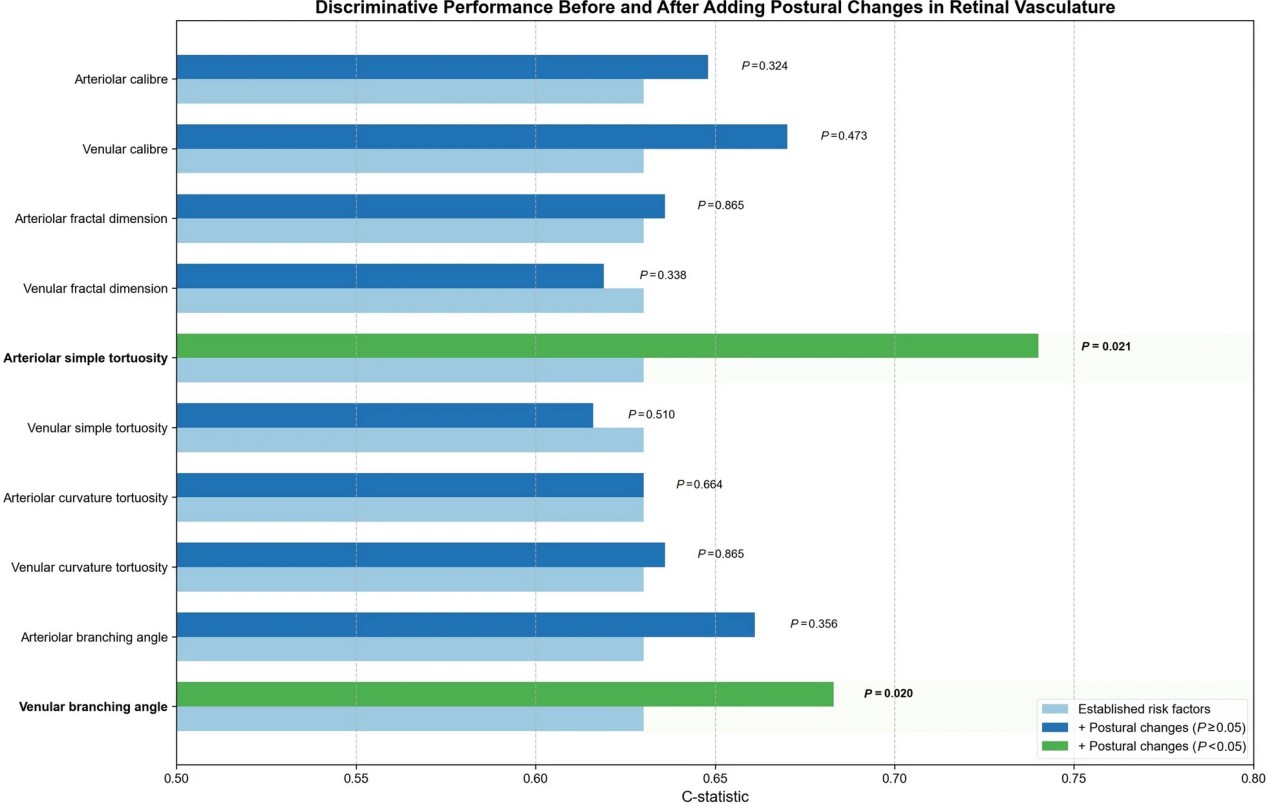
    Long-term follow-up revealed that two posture-dependent vascular features were particularly informative. Greater increases in retinal arteriolar tortuosity during postural change were associated with more than a two-fold higher risk of retinopathy progression. This exaggerated vascular bending likely reflects structural fragility and endothelial dysfunction caused by chronic hyperglycemia. Conversely, wider venular branching angles during posture change were linked to a significantly lower risk of disease progression, suggesting preserved vascular adaptability.

    Importantly, incorporating these dynamic vascular measures improved predictive accuracy beyond conventional factors such as HbA1c levels, diabetes duration, and baseline retinopathy severity. The findings indicate that how retinal vessels respond to everyday physiological stressors may reveal subclinical disease activity that static imaging cannot capture.

    “Our findings suggest that the retina’s ability to adapt to routine physiological changes carries meaningful information about future disease risk,” said the study’s senior investigator. “By observing how retinal vessels respond to a simple change in body position, we can detect early microvascular dysfunction that may otherwise go unnoticed. This dynamic approach moves beyond traditional snapshot imaging and highlights the potential of functional vascular biomarkers to support more personalized monitoring strategies for people with diabetes.”

    This research highlights a practical pathway toward more accessible and individualized diabetic retinopathy risk assessment. Smartphone-based retinal imaging is portable, cost-effective, and well suited for primary care or resource-limited settings, where conventional ophthalmic equipment may be unavailable. Integrating posture-responsive vascular metrics into screening programs could help identify high-risk patients earlier and tailor follow-up intervals more precisely. Combined with telemedicine platforms and automated image analysis, this approach could shift diabetic eye care from reactive treatment to proactive prevention—reducing unnecessary screenings while ensuring timely intervention for those most at risk.

    DOI
    10.1186/s40662-025-00471-z

    Original Source URL
    https://doi.org/10.1186/s40662-025-00471-z

    Lucy Wang
    BioDesign Research
    email us here

    Legal Disclaimer:

    EIN Presswire provides this news content “as is” without warranty of any kind. We do not accept any responsibility or liability
    for the accuracy, content, images, videos, licenses, completeness, legality, or reliability of the information contained in this
    article. If you have any complaints or copyright issues related to this article, kindly contact the author above.

  • A Comprehensive Guide to Customized Biomass Pellet Machine One-Stop Solutions

    JINAN, SHANDONG, CHINA, February 14, 2026 /EINPresswire.com/ — The global shift toward renewable energy has accelerated the demand for efficient biomass processing. However, many investors encounter a recurring challenge where standardized, “off-the-shelf” machinery fails to meet the specific physical demands of diverse raw materials. This mismatch often leads to frequent downtime, excessive component wear, and inconsistent pellet quality. To address these systemic inefficiencies, industry leaders are shifting toward Customized Biomass Pellet Machine One-Stop Solutions, a strategic approach that aligns mechanical engineering with the unique biological characteristics of local feedstocks. By integrating precision design with robust manufacturing, these systems ensure that waste-to-energy projects remain economically viable and operationally stable over the long term.

    Navigating the Complexity of Biomass Raw Materials
    A successful pelletization process begins with a deep understanding of the raw material. Biomass is not a monolithic category; the structural differences between agricultural residues and forestry waste require distinct mechanical treatments. For instance, corn stalks represent a flexible fiber category. These materials are characterized by low bulk density and high moisture variability. Processing them requires a specialized pre-treatment stage where the integration of cutting and dust removal systems prevents clogging and ensures a clean output. Efficient production lines for corn stalks must prioritize high-volume throughput while managing the abrasive nature of silica often found in field residues.
    In contrast, woody biomass such as saw dust or timber scraps contains rigid fibers and high lignin content. The processing logic here shifts toward intensive size reduction and high-pressure compression. When handling hardwood or softwood residues, the machinery must exert sufficient force to soften the natural lignin, which acts as the binding agent for the pellets. Large-scale operations, such as those utilizing multiple high-capacity pellet mills in Southeast Asia, demonstrate the necessity of heavy-duty die designs and cooling systems. These components prevent the overheating of rigid fibers, ensuring the final product meets international durability standards.
    Structural Synergy in Biomass Engineering
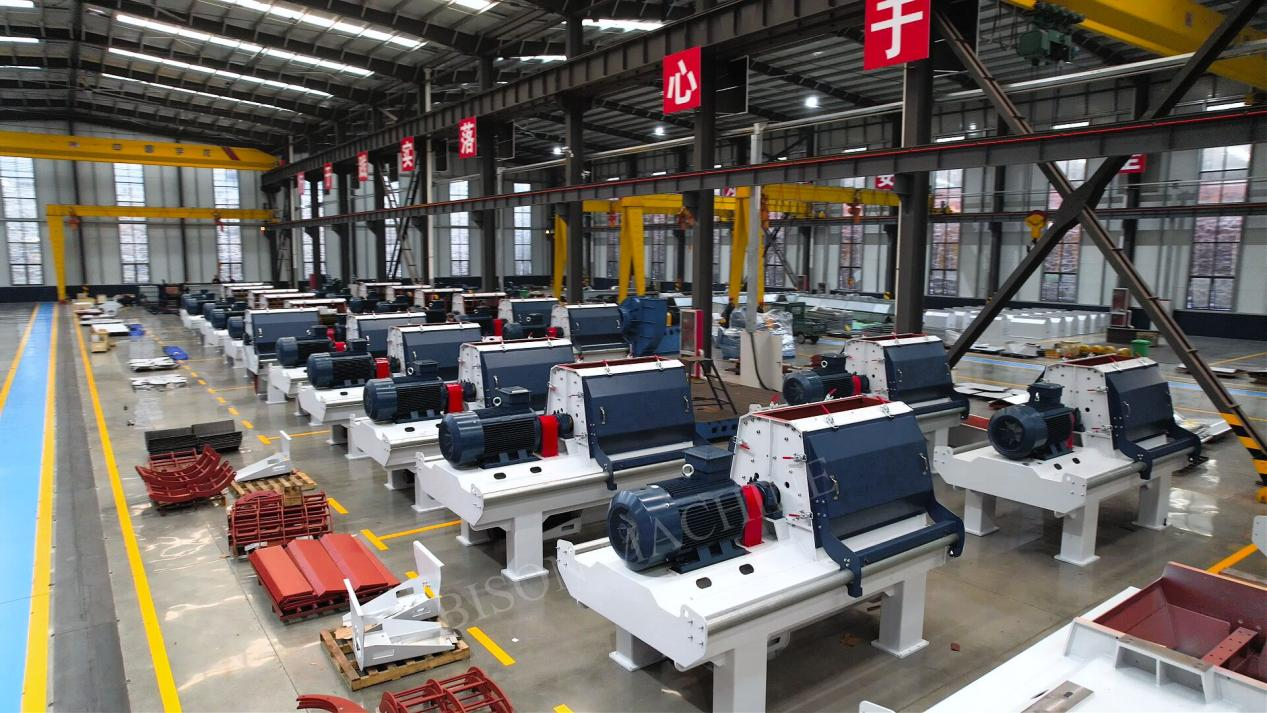
    The transition from raw biomass to premium fuel requires a highly synchronized system where each modular stage is optimized for the specific characteristics of the feedstock. Unlike basic setups, BISON’s engineering solutions begin with primary size reduction, utilizing heavy-duty wood chippers or specialized shredders designed to handle everything from large-diameter logs and waste wood with nails to challenging materials like Empty Fruit Bunches (EFB). This initial stage ensures that bulky or contaminated waste is effectively converted into a uniform format, protecting downstream equipment and stabilizing the entire production flow.
    The process then moves into secondary refinement via the biomass hammer mill. Here, the focus is on achieving a precise particle size distribution—a critical factor for the subsequent pelletizing phase. By utilizing optimized screen structures and high-speed balanced rotors, the system ensures that the material is neither too coarse (which would increase electricity costs and wear on the ring die) nor too fine.
    At the core of this synergy is the high-pressure pellet machine. The engineering focus here is on the customized compression ratio, where the ring die’s hole depth and diameter are precision-calibrated based on the material’s lignin content and density—whether it be sawdust, rice husks, or solid waste (RDF). To complete the professional production loop, the system integrates automated cooling and screening modules, ensuring that the final pellets are durable, dust-free, and ready for global export. This structural synergy maximizes equipment lifespan and delivers a high-density energy product that meets international standards.
    Engineering Excellence through Large-Scale Implementation
    Real-world applications provide the most reliable evidence of engineering proficiency. In Thailand, the deployment of a biomass pellet line featuring six 850 model pellet mills serves as a benchmark for high-capacity industrial production. This configuration manages massive volumes of wood waste, requiring a sophisticated synchronization of material feeding and power distribution. The 850 model machines are specifically chosen for such projects due to their reinforced transmission systems and stability under continuous 24-hour operation. The success of these large-scale installations highlights the importance of matching machine torque with the resistance of the raw material.
    Furthermore, the implementation of specialized lines for agricultural waste demonstrates an ability to solve the “low-density” problem. By incorporating advanced shredding and gathering modules before the pelletizing stage, systems can convert voluminous stalks into consistent, pre-conditioned feedstock. These lines often feature integrated dust collection units that maintain a safe working environment and protect the mechanical bearings from fine particulates. This level of technical depth ensures that even “difficult” materials can be processed with the same reliability as traditional wood chips.
    Overcoming Operational Hurdles via the EPC Model
    For international investors, the technical specifications of a machine are only one part of the success equation. The Engineering, Procurement, and Construction (EPC) model has emerged as the gold standard for delivering biomass projects. This “one-stop” philosophy covers everything from the initial site layout and equipment selection to the final installation and personnel training. By centralizing responsibility, the EPC approach eliminates the integration risks that occur when sourcing components from multiple vendors. This is particularly critical in cross-border projects where local technical support might be limited.
    Post-installation maintenance remains a significant concern for biomass plant operators. A comprehensive service framework addresses this by providing customized spare parts packages and remote technical diagnostics. When a production line is designed as a unified system, the wear parts—such as rollers and dies—are optimized for the specific chemical composition of the local feedstock. This proactive engineering reduces the frequency of emergency repairs and extends the total service life of the plant. Investors benefit from a predictable operational expenditure (OPEX) model, which is essential for the long-term profitability of renewable energy ventures.
    The Evolution of a Strategic Industry Partner
    The roots of modern biomass technology lie in decades of iterative development and manufacturing experience. Based in Jinan, Shandong, the transition from the Hualong Machine Factory to the current BISON MACHINE reflects a broader evolution in the energy sector. With over 25 years of history, the organization has moved beyond simple equipment fabrication to become a comprehensive system integrator. This journey involves the continuous fusion of scientific research with practical field data. Today, the focus remains on driving the success of users within the dense forming and biomass industries through technological updates and a commitment to sustainable development.

    As a National High-Tech Enterprise, BISON MACHINE specializes in turnkey solutions for medium and large-scale biomass pellet production lines. The global footprint of these systems—reaching Europe, Africa, the Americas, and Southeast Asia—demonstrates the adaptability of the technology to different climates and regulatory environments. By focusing on the research and development of systems for dense forming, the company provides the foundational tools necessary for a carbon-neutral future. This expertise allows the organization to act as more than a vendor; it serves as a biomass energy investment solution provider.
    Strategic Investment in a Sustainable Future
    Choosing the right biomass solution requires a balance between mechanical durability and process flexibility. A system’s ability to optimize performance for the distinct physical properties of wood-based and straw-based biomass is a key driver of a green energy project’s success. As global regulations on carbon emissions tighten, the efficiency of converting waste into energy becomes a competitive necessity. Systems that offer high thermal efficiency and low maintenance requirements provide a clear path forward for industrial and agricultural enterprises alike.
    A comprehensive approach to biomass pelletization ensures that every kilowatt of energy spent in production yields the maximum possible fuel value. Through the seamless integration of primary crushing, secondary pulverizing, industrial drying, and precision pelletizing, operators can establish a highly efficient production line that achieves a truly sustainable circular economy. By prioritizing customized engineering and end-to-end service, stakeholders can navigate the complexities of the biomass market with confidence.
    For more information on customized biomass solutions and industrial pellet technology, visit the official website: https://www.bisonpelletmachine.com/.

    SHANDONG BISON MACHINE CO., LTD.
    SHANDONG BISON MACHINE CO., LTD.
    +86 18764198336
    inquiry@sdbison.cn

    Legal Disclaimer:

    EIN Presswire provides this news content “as is” without warranty of any kind. We do not accept any responsibility or liability
    for the accuracy, content, images, videos, licenses, completeness, legality, or reliability of the information contained in this
    article. If you have any complaints or copyright issues related to this article, kindly contact the author above.

  • Technical Insight: How a Professional Hammer Crusher Factory Optimizes Raw Material Preparation

    JINAN, SHANDONG, CHINA, February 14, 2026 /EINPresswire.com/ — In modern biomass pellet manufacturing, the hammer mill is the decisive equipment that determines feedstock quality before pelletizing begins. As a Professional Hammer Crusher Factory, BISON MACHINE understands that pellet density, durability, and production stability all start with precision grinding. A high-performance hammer mill does far more than reduce material size—it standardizes particle distribution, stabilizes system load, and directly influences the mechanical efficiency of the downstream pellet mill.

    The Hammer Mill as the Core Size-Reduction Equipment
    In a complete wood pellet production line, raw logs are first processed into wood chips (typically 20–30 mm) through a wood chipper. After this primary stage, the hammer mill becomes the key machine responsible for transforming those chips into fine, uniform sawdust suitable for pellet pressing.
    The hammer mill operates using high-speed rotating hammers that strike the material repeatedly. This impact-based crushing mechanism ensures rapid fiber separation and controlled particle refinement. Compared to general crushing machines, a biomass hammer mill is specifically engineered to:
    Produce uniform particle size distribution (PSD)
    Maintain fiber integrity for better pellet binding
    Deliver stable hourly output under continuous operation
    Adapt to varying wood densities and moisture levels
    Without proper hammer milling, pellet mills may experience die blockage, uneven pressure, or excessive wear on rollers and ring dies.

    Controlling Particle Size for Pellet Performance
    Particle size distribution is the most critical parameter controlled by a hammer mill. If particles are too large, they can obstruct die holes and cause sudden pressure spikes. If too fine, excessive dust reduces pellet density and increases energy consumption.
    A professional hammer mill factory optimizes:
    Screen aperture design to ensure qualified particles exit immediately
    Rotor speed calibration for balanced impact force
    Hammer arrangement and weight to improve crushing efficiency
    Airflow design to reduce internal heat buildup
    This precise engineering allows the hammer mill to deliver consistent, pellet-grade sawdust that enhances lignin activation during extrusion, improving pellet hardness and transport durability.

    Preventing Over-Grinding and Energy Waste
    Over-crushing is a common issue in low-quality grinding systems. When material remains inside the chamber longer than necessary, repeated impact creates excessive fine powder, leading to:
    Increased power consumption
    Higher dust emission
    Reduced pellet forming stability
    Advanced hammer mills solve this problem through optimized screen structures and discharge systems that allow properly sized material to exit efficiently. This improves throughput while lowering operational costs.

    Hammer Mill Durability in Industrial Applications
    In large-scale pellet plants, hammer mills must operate continuously under heavy load. Processing hardwood, mixed biomass, or variable-moisture materials requires strong rotor structures, wear-resistant alloy hammers, and high-precision bearings.
    Professional hammer crusher factories focus heavily on metallurgy and structural balance. Hammers must combine hardness with impact toughness—resisting wear without becoming brittle. A well-designed hammer mill maintains stable crushing ratios even when feedstock properties fluctuate, ensuring the entire pellet line operates smoothly.

    Multi-Stage Preparation with Hammer Mill at the Center
    For raw wood materials, there is no single “wood crusher” that completes the process independently. Instead, the hammer mill functions as the central grinding stage within a coordinated system:
    1.Wood chipping (20–30 mm chips)
    2.Hammer mill grinding to pellet-grade sawdust
    3.Optional drying to reach ideal moisture levels
    4.Optional secondary hammer milling for higher precision
    This structured approach ensures that the pellet mill receives stable, uniform material—reducing mechanical stress and maximizing production efficiency.

    Conclusion
    A hammer mill is not just an auxiliary device in biomass production—it is the foundation of pellet quality control. By delivering consistent particle size, reducing energy waste, and maintaining mechanical stability, a professionally engineered hammer mill directly improves the ROI of pellet manufacturing operations.
    Choosing equipment from an experienced hammer crusher manufacturer ensures that raw material preparation is optimized from the start, laying the groundwork for high-density, export-grade biomass pellets.
    For more information, please visit:https://www.bisonpelletmachine.com/

    SHANDONG BISON MACHINE CO., LTD.
    SHANDONG BISON MACHINE CO., LTD.
    +86 18764198336
    inquiry@sdbison.cn

    Legal Disclaimer:

    EIN Presswire provides this news content “as is” without warranty of any kind. We do not accept any responsibility or liability
    for the accuracy, content, images, videos, licenses, completeness, legality, or reliability of the information contained in this
    article. If you have any complaints or copyright issues related to this article, kindly contact the author above.

  • Why ISO 9001 & CE Certifications Define a High Quality Biomass Pellet Machine Supplier

    JINAN, SHANDONG, CHINA, February 14, 2026 /EINPresswire.com/ — The global transition toward renewable energy creates a competitive marketplace for biomass equipment. Investors and industrial operators face significant “trust costs” when selecting technology for long-term projects. These costs involve the risk of equipment failure, safety hazards, and suboptimal energy output. Consequently, identifying a High Quality Biomass Pellet Machine Supplier requires an evaluation of standardized certifications beyond simple price comparisons. International standards like ISO 9001 and CE certifications provide a necessary framework for quality assurance and safety. These credentials act as a technical bridge, ensuring that the machinery meets the rigorous demands of global energy markets while protecting the capital of the investor.

    The Strategic Value of ISO 9001 and CE Compliance
    Quality management systems and safety certifications serve as more than mere regulatory hurdles. ISO 9001 represents a commitment to systemic consistency throughout the manufacturing process. It ensures that every component, from the smallest bolt to the main drive shaft, undergoes standardized inspection. For an industrial facility, this consistency translates into predictable maintenance schedules and reduced operational downtime. When a supplier maintains these standards, they demonstrate a capacity for rigorous self-regulation and continuous improvement.
    Simultaneously, the CE certification marks a product’s compliance with European health, safety, and environmental protection standards. This certification is mandatory for equipment entering the European Economic Area, but its value extends worldwide. It signifies that the manufacturer has addressed critical engineering risks, such as electrical safety, mechanical shielding, and structural integrity. By prioritizing these certifications, a supplier reduces the legal and physical risks for the end-user. This adherence to international protocols distinguishes professional engineering firms from basic equipment assemblers.
    The Foundation of BISON MACHINE and Industrial Expertise
    The history of BISON MACHINE provides a clear example of how technical standards evolve alongside industrial experience. Formerly known as Hualong Machine Factory, the company operates out of Jinan, Shandong, as a leading manufacturer of dense forming and biomass energy systems. The organization specializes in research, development, and solid waste recycling, battery materials, activated carbon, and environmental engineering. With over 25 years of experience, the company integrates scientific research with practical manufacturing. This extensive history allows the team to refine equipment designs based on decades of real-world feedback.
    Exporting products to Southeast Asia, Europe, Africa, and the Americas requires a deep understanding of varied industrial environments. Consequently, the company continuously updates its equipment and adopts advanced technology to remain competitive. By maintaining high-quality standards and providing excellent service, the firm helps drive the success of users in the biomass industry. This focus on sustainable development ensures that the machinery contributes effectively to global carbon reduction goals. The transition from a local factory to a global player highlights the importance of aligning manufacturing processes with international certification requirements.
    Engineering Standards in the Wood Pellet Machine Line
    The structural integrity of a complete biomass pellet production line depends on the seamless coordination of multiple specialized stages. Professional engineering ensures that the process begins correctly with primary crushing, where heavy-duty wood chippers or industrial shredders reduce bulky logs and branches into manageable chips. This is followed by secondary pulverizing in a high-speed hammer mill to achieve the ideal particle size. To ensure the material is fit for compression, a rotary drum dryer is utilized to precisely control moisture levels.
    Once the material is pre-conditioned, it enters the wood pellet machine, which serves as the primary example of how CE safety directives influence physical design. Professional engineering ensures that these machines handle high-pressure environments without compromising operator safety. For instance, CE-compliant designs include emergency stop mechanisms that are easily accessible during operation. Furthermore, heavy-duty shielding protects workers from moving parts and high-temperature surfaces. High-pressure stability remains the most critical performance metric, as the vertical ring die technology must operate with minimal vibration to preserve the alignment of the rollers and the die. Following the pelletizing stage, the system integrates cooling and automated packaging units to ensure the final pellets are durable and ready for transport, completing a professional and safe production loop.
    Case Study: Large-Scale Success with the 200,000-Ton Production Line
    The implementation of a 200,000-ton biomass pellet production line demonstrates the practical application of standardized quality. At this scale, even minor mechanical inconsistencies can lead to massive financial losses. A project of this magnitude requires multiple pellet mills to operate in perfect synchronization. ISO 9001 management ensures that each machine in the line performs identically, simplifying the management of the entire facility.
    In such large-scale operations, the durability of the alloy steel molds becomes a primary factor in the Return on Investment (ROI). Standardized quality control guarantees that every mold meets specific hardness and wear-resistance benchmarks. This reliability allows the facility to maintain high output levels without frequent, unscheduled stops for part replacements. Furthermore, the automation integrated into these lines reduces the need for manual intervention, enhancing overall site safety. The successful delivery of such a massive project reinforces the importance of choosing a supplier with proven technical credentials.

    Technical Challenges in Customized Rice Husk Pellet Lines
    Customized solutions for difficult materials, such as rice husks, further validate the need for rigorous engineering standards. Rice husks contain high levels of silica, which acts as an abrasive agent on machinery components. A standard machine would fail quickly under these conditions. However, a supplier focused on high-quality standards develops specific metallurgical formulas for the rollers and dies to resist this abrasion.
    These customized lines also require specialized feeding mechanisms to handle the low density of the husks. Engineering teams must calculate precise compression ratios to ensure the husks form into durable pellets. The CE certification process encourages manufacturers to conduct thorough risk assessments for these unique configurations. Consequently, the customized system remains safe and efficient despite the challenging nature of the raw material. This ability to adapt technology to specific regional needs, while maintaining global quality standards, defines a professional service provider.
    Conclusion and the Professional Service Advantage
    The combination of ISO 9001 and CE certifications provides a clear roadmap for selecting a reliable biomass equipment partner. These standards transform abstract promises of “quality” into measurable, verifiable technical realities. For BISON MACHINE, 25 years of experience serves as the foundation for this commitment to excellence. By turning rigorous certification requirements into practical engineering advantages, the company ensures a higher ROI for its global clients.
    Professional service extends beyond the point of sale. It involves ongoing technical support, the provision of standardized spare parts, and guidance on operational best practices. This holistic approach ensures that the investment in a pellet production line continues to yield results for many years. As the biomass energy sector continues to grow, the gap between certified and non-certified suppliers will only widen. Choosing a supplier that prioritizes international standards is the most effective way to secure a sustainable and profitable energy future.
    For more detailed technical specifications and project case studies, please visit: https://www.bisonpelletmachine.com/.

    SHANDONG BISON MACHINE CO., LTD.
    SHANDONG BISON MACHINE CO., LTD.
    +86 18764198336
    inquiry@sdbison.cn

    Legal Disclaimer:

    EIN Presswire provides this news content “as is” without warranty of any kind. We do not accept any responsibility or liability
    for the accuracy, content, images, videos, licenses, completeness, legality, or reliability of the information contained in this
    article. If you have any complaints or copyright issues related to this article, kindly contact the author above.

  • Understanding Dry Ice Blasting: Equipment, Process, and Industrial Use

    JACKSON, MI – February 11, 2026 – PRESSADVANTAGE –

    Nu-Ice Dry Ice Blasting, a veteran-owned industrial equipment manufacturer headquartered in Jackson, Michigan, has introduced a formal educational initiative outlining the fundamentals of dry ice blasting for industrial operators and maintenance teams. The company states the overview is intended to clarify what is dry ice blasting within operational environments where non-abrasive cleaning methods are increasingly being evaluated. By defining the dry ice blasting method and its appropriate industrial applications, Nu-Ice positions the publication as part of its broader effort to support informed equipment selection across manufacturing, food processing, and restoration sectors.

    As part of its newly published technical guidance, Nu-Ice Dry Ice Blasting outlined how its systems operate by accelerating solid carbon dioxide (CO₂) pellets through a regulated compressed air stream toward targeted surfaces. According to the company, the pellets convert from solid to gas upon impact, assisting in contaminant removal without introducing moisture or chemical solvents. The guidance emphasizes that the equipment is manually operated by trained personnel who control air pressure, pellet feed rate, and nozzle direction. The systems do not incorporate automation, autonomous functions, or real-time optimization, with all process variables remaining operator managed.

    Nu-Ice Dry Ice Blasting

    Across industrial settings, the dry ice blasting method is commonly evaluated for applications including production equipment cleaning, surface preparation, restoration projects, and maintenance in regulated environments such as food processing facilities. By clarifying what is dry ice blasting within these operational contexts, Nu-Ice Dry Ice Blasting positions the technology as a process-driven cleaning alternative where moisture introduction or abrasive media may not be suitable. The company notes that adoption decisions typically depend on site-specific requirements, available compressed air infrastructure, and operator training considerations.

    Within the published guidance, Nu-Ice Dry Ice Blasting details how the equipment is incorporated into structured industrial cleaning workflows. The company explains that the dry ice blasting method can be applied in place on installed machinery, reducing the need for full equipment disassembly in certain maintenance scenarios. The overview positions the technology within routine plant maintenance programs where controlled, non-abrasive cleaning is required. Operational planning remains dependent on site-specific safety procedures, compressed air availability, and trained personnel oversight.

    The technical overview identifies a range of industrial environments where the equipment is deployed. These include manufacturing facilities for machinery and tooling maintenance, food and beverage plants requiring non-moisture cleaning approaches, automotive component production lines, aerospace parts processing, and electrical equipment maintenance. The company also references fire and smoke restoration projects as part of broader surface cleaning applications. The equipment is presented within the context of industrial surface preparation and contaminant removal processes across regulated and high-precision sectors.

    As part of its technical clarification, Nu-Ice Dry Ice Blasting underscores that its equipment is designed as manually operated industrial machinery. The systems do not incorporate autonomous functionality, real-time process adjustment, or independent execution of maintenance tasks. They do not provide monitoring, diagnostic reporting, or facility management capabilities. All operational variables — including blast pressure and pellet feed — remain directly controlled by trained personnel in accordance with site-specific maintenance procedures.

    Nu-Ice Dry Ice Blasting operates as a U.S.-based, veteran-owned manufacturer headquartered in Jackson, Michigan, where it maintains engineering and production operations. The company designs and manufactures its equipment domestically, supporting in-house fabrication, assembly, and product development. Through this internal infrastructure, Nu-Ice develops systems built around the dry ice blasting method, aligning equipment manufacturing with industrial cleaning requirements across regulated and precision-focused sectors.

    Nu-Ice Dry Ice Blasting states that it will continue concentrating on the engineering and manufacturing of industrial dry ice blasting equipment at its Jackson, Michigan facility. The company’s focus remains on refining system design, supporting operator-controlled functionality, and expanding equipment configurations suited to diverse industrial environments. As adoption of non-abrasive cleaning technologies evolves across regulated sectors, Nu-Ice indicates that ongoing product development efforts will remain aligned with established industrial maintenance requirements and domestic manufacturing operations.

    ###

    For more information about Nu-Ice Dry Ice Blasting, contact the company here:

    Nu-Ice Dry Ice Blasting
    Brent Cooper
    517.990.0665
    sales@nuiceblasting.com
    3255 Hart Road
    Jackson, Michigan USA 49201

  • An Overview of Nu-Ice Dry Ice Blasting Equipment and Industrial Applications

    JACKSON, MI – February 11, 2026 – PRESSADVANTAGE –

    Nu-Ice Blasting™ presents its range of dry ice blasting equipment and systems developed to support a wide variety of industrial and commercial cleaning applications. Manufactured by Nu-Ice Blasting™, the portfolio includes portable, mid-range, and heavy-duty dry ice blasters designed to propel solid CO₂ pellets through a controlled compressed-air stream for non-abrasive surface cleaning and preparation. The systems incorporate purpose-driven features such as freezeless pellet delivery and modular components, supporting consistent process flow across applications that include production equipment maintenance and restoration work.

    The operation of Nu-Ice Blasting™ systems involves directing solid CO₂ pellets toward target surfaces using a regulated stream of compressed air. Upon contact, the pellets transition from solid to gas, lifting contaminants without introducing moisture or chemical residues. These systems are manually operated and require trained users, including industrial maintenance personnel and restoration professionals, as well as a suitable compressed air supply. All airflow and pellet feed adjustments are controlled by the operator, with no autonomous or self-adjusting functionality built into the equipment.

    Nu-Ice Dry Ice Blasting

    Nu-Ice Blasting™ dry ice blasting equipment is constructed with industrial-grade frames that integrate pellet hoppers, delivery lines, interchangeable nozzles, and operator controls for managing airflow and pellet feed rates. Supporting components such as blasting guns, hoses, and air supply accessories allow systems to be configured for different cleaning requirements. The overall design emphasizes consistent material delivery and compatibility with standard compressed air infrastructure commonly used in industrial environments.

    By enabling controlled, manual delivery of dry ice pellets within a compressed air stream, Nu-Ice Blasting™ systems support clear and structured cleaning workflows. In-place surface cleaning reduces the need for equipment disassembly while avoiding the use of water or chemical agents. This approach allows technicians to follow predictable maintenance sequences and organized procedures, supporting reliable operation and ease of handling across a range of industrial settings.

    Nu-Ice Blasting™ equipment is used to remove residues, oils, inks, and other surface buildup from production machinery, tooling, and industrial surfaces. Applications include food and beverage sanitation, automotive and aerospace component maintenance, electronics and packaging line cleaning, and fire or smoke restoration work where moisture or chemical exposure is undesirable. Additional examples include mold cleaning, weld cell maintenance, and general manufacturing equipment cleaning, with all activities carried out under direct operator control.

    The dry ice blasting equipment produced by Nu-Ice Blasting™ is designed solely for manual surface cleaning operations. It does not incorporate autonomous decision-making, automated system adjustments, or embedded control functions that initiate or regulate actions independently. All aspects of use — including setup, air supply regulation, and direction of the blasting stream — are managed by trained operators. The equipment does not monitor external conditions, control production systems, or perform functions beyond the delivery of blasting media for surface cleaning and material removal.

    Nu-Ice Blasting™ dry ice blasting equipment is assembled in the United States and engineered for use with standard industrial compressed air systems, typically requiring commercial-grade compressors that meet model-specific pressure and flow specifications. Ancillary components such as hoses, nozzles, and moisture-control devices form part of the broader operational setup. While no formal third-party certifications are listed on the company’s website, the systems are designed to integrate within established industrial utility environments and routine maintenance workflows.

    As part of Nu-Ice Blasting™’s broader portfolio of dry ice surface-cleaning solutions, its dry ice blasting systems support a range of operational requirements across multiple sectors. The equipment reflects an emphasis on mechanical reliability, operator-controlled processes, and adaptable system configurations. Based on the company’s published materials, Nu-Ice Blasting™ continues to refine its system designs and supporting components to align with evolving industrial maintenance needs while maintaining established engineering principles and compatibility with standard technical environments.

    ###

    For more information about Nu-Ice Dry Ice Blasting, contact the company here:

    Nu-Ice Dry Ice Blasting
    Brent Cooper
    517.990.0665
    sales@nuiceblasting.com
    3255 Hart Road
    Jackson, Michigan USA 49201

  • Trusted Family and Cosmetic Dentist Serving Citrus Heights

    Discover Quality Dental Care with Dr. Carl Trubschenck in Citrus Heights

    Citrus Heights, United States – February 13, 2026 / Carl Trubschenck, D.D.S. /

    Dr. Carl Trubschenck, a well-respected dentist in Citrus Heights, CA, is dedicated to providing high-quality dental care for families in the community. With a focus on general, family, and cosmetic dentistry, Dr. Trubschenck’s practice is designed to meet the diverse needs of patients of all ages. The welcoming environment and personalized approach to dental care make this practice a trusted choice for those seeking comprehensive dental services.

    Located conveniently in Citrus Heights, the office of Carl Trubschenck DDS is easily accessible for families in the area. The practice prides itself on creating a comfortable atmosphere where patients can feel at ease during their visits. From the moment patients walk through the door, they are greeted with friendly smiles and a commitment to their well-being. Dr. Trubschenck and his team understand that many individuals may feel anxious about dental visits, and they strive to alleviate those concerns through compassionate care and open communication.

    Dr. Carl Trubschenck offers a wide range of dental services to cater to the needs of his patients. General dentistry services include routine check-ups, cleanings, and preventive care, which are essential for maintaining optimal oral health. These services help to identify potential issues before they become more serious, ensuring that patients can enjoy healthy smiles for years to come. The practice emphasizes the importance of regular dental visits, as they play a crucial role in preventing cavities, gum disease, and other dental problems.

    For families, Dr. Trubschenck provides specialized care for children, ensuring that their dental experiences are positive and educational. The practice is equipped to handle the unique dental needs of young patients, from their first dental visit to orthodontic evaluations. Dr. Trubschenck believes in instilling good oral hygiene habits early on, which can lead to a lifetime of healthy smiles. Parents can trust that their children are in good hands with a dentist who is not only skilled but also passionate about pediatric dentistry.

    In addition to general and family dentistry, Dr. Carl Trubschenck also offers a variety of cosmetic dental services. These services are designed to enhance the appearance of patients’ smiles and boost their confidence. From teeth whitening to veneers, the practice provides options that can transform smiles and improve overall aesthetics. Dr. Trubschenck takes the time to understand each patient’s goals and desires, ensuring that the cosmetic treatments are tailored to meet their individual needs.

    One of the standout features of the practice is its commitment to patient comfort. Dr. Trubschenck and his team utilize the latest dental technology and techniques to provide efficient and effective care. This not only enhances the quality of treatment but also minimizes discomfort during procedures. Patients can expect a gentle touch and a thorough explanation of each step of their treatment, allowing them to feel informed and empowered throughout their dental journey.

    The office of Carl Trubschenck DDS is also dedicated to educating patients about their oral health. Dr. Trubschenck believes that informed patients are better equipped to make decisions about their dental care. The team takes the time to discuss treatment options, preventive measures, and the importance of maintaining good oral hygiene at home. This educational approach fosters a collaborative relationship between the dentist and patients, leading to better outcomes and healthier smiles.

    In today’s fast-paced world, convenience is key. Dr. Trubschenck understands that families have busy schedules, which is why the practice offers flexible appointment times to accommodate various needs. Whether patients require a routine check-up or a more extensive procedure, the team works diligently to find a time that works for everyone. This commitment to accessibility ensures that patients can prioritize their dental health without disrupting their daily lives.

    As a trusted dentist in Citrus Heights, Dr. Carl Trubschenck is committed to building lasting relationships with his patients. He believes that a strong dentist-patient relationship is essential for effective care. By fostering an environment of trust and open communication, Dr. Trubschenck encourages patients to voice their concerns and ask questions. This collaborative approach not only enhances the patient experience but also leads to better treatment outcomes.

    The practice of Carl Trubschenck DDS is also actively involved in the Citrus Heights community. Dr. Trubschenck and his team participate in local events and initiatives aimed at promoting oral health awareness. By engaging with the community, they hope to inspire individuals to take charge of their dental health and seek the care they need. This commitment to community involvement reflects the practice’s dedication to not only serving patients but also contributing to the overall well-being of the Citrus Heights area.

    In summary, Dr. Carl Trubschenck is a trusted dentist in Citrus Heights, offering a comprehensive range of dental services for families. With a focus on patient comfort, quality care, and community involvement, the practice stands out as a premier choice for those seeking general, family, and cosmetic dentistry. Patients can expect personalized care in a welcoming environment, where their dental health is the top priority. Whether it is routine check-ups, specialized pediatric care, or cosmetic enhancements, Dr. Trubschenck and his team are committed to helping patients achieve and maintain healthy, beautiful smiles.

    Learn more on https://www.trubschenckdental.com/

    Contact Information:

    Carl Trubschenck, D.D.S.

    8035 Madison Avenue, Suite E2
    Citrus Heights, California 95610
    United States

    Carl Trubschenck
    (916) 961-1610
    https://trubschenckdental.com

  • Celebrating 30 Years of Roofing Excellence in Utah

    Encore Roofing Marks 30 Years of Trusted Service in Utah

    Heber City, United States – February 13, 2026 / Encore Roofing & Exteriors /

    Encore Roofing proudly celebrates a significant milestone in its journey, marking 30 years of dedicated service in the Utah roofing industry. Over the past three decades, the company has successfully served nearly 5,000 clients, establishing itself as a trusted name in roofing excellence. This achievement is a testament to Encore Roofing’s unwavering commitment to quality, transparency, and exceptional customer service.

    Founded with a vision to provide top-notch roofing solutions, Encore Roofing has consistently prioritized the needs of its clients. The company understands that a roof is not just a protective covering but a vital component of a home that contributes to its overall value and safety. This understanding drives Encore Roofing to deliver superior craftsmanship and materials, ensuring that every project meets the highest standards.

    Utah’s unique climate presents specific challenges for roofing systems, and Encore Roofing has developed expertise in addressing these issues. The state experiences extreme weather conditions, including intense UV exposure, heavy snowfall, and fluctuating temperatures. These factors can significantly impact the longevity and performance of roofing materials. Encore Roofing’s team of skilled professionals is well-versed in the best practices for selecting and installing roofing systems that can withstand these challenges. By utilizing high-quality materials and innovative techniques, the company ensures that roofs not only look great but also provide lasting protection.

    In addition to its technical expertise, Encore Roofing places a strong emphasis on transparency throughout the roofing process. The company believes that open communication is essential for building trust with clients. From the initial consultation to project completion, Encore Roofing keeps clients informed about every step of the process. This commitment to transparency extends to pricing as well, with detailed estimates provided upfront, allowing clients to make informed decisions without any hidden costs.

    The leadership at Encore Roofing recognizes that quality and transparency are not just buzzwords but core values that define the company’s culture. “Our mission has always been to provide our clients with the best roofing solutions while maintaining a transparent relationship,” said a representative from Encore Roofing. “We believe that our clients deserve to know exactly what they are getting, and we strive to exceed their expectations at every turn.”

    As Encore Roofing celebrates its 30-year anniversary, the company reflects on the relationships it has built with its clients and the communities it serves. The nearly 5,000 clients who have chosen Encore Roofing have not only benefited from high-quality roofing solutions but have also become part of the company’s extended family. This sense of community is a driving force behind Encore Roofing’s continued success and growth.

    The company has also made it a priority to educate its clients about the importance of regular roof maintenance and inspections. Many homeowners may not realize that proactive care can extend the life of their roofs and prevent costly repairs down the line. Encore Roofing offers valuable resources and guidance to help clients understand the specific needs of their roofing systems, particularly in the context of Utah’s diverse weather patterns.

    Encore Roofing’s commitment to excellence has not gone unnoticed in the industry. The company has received numerous accolades and recognition for its outstanding service and quality workmanship. These awards serve as a reflection of the hard work and dedication of the Encore Roofing team, who consistently go above and beyond to ensure client satisfaction.

    As the company looks to the future, Encore Roofing remains focused on its mission to provide exceptional roofing solutions while maintaining the highest standards of quality and transparency. With a solid foundation built over 30 years, Encore Roofing is well-positioned to continue serving the Utah community for many more years to come.

    In conclusion, Encore Roofing’s 30-year milestone is not just a celebration of its past achievements but also a commitment to the future. The company stands ready to tackle the unique roofing challenges of Utah, ensuring that every client receives the best possible service and support. With a focus on quality, transparency, and customer satisfaction, Encore Roofing is a true leader in the Utah roofing industry, dedicated to providing roofing excellence for generations to come.

    Learn more on https://encoreroofingut.com/

    Contact Information:

    Encore Roofing & Exteriors

    104 E 600 S #518
    Heber City, Utah 84032
    United States

    Encore Roofing UT
    +1-385-421-5877
    https://encoreroofingut.com

  • Tony’s Fencing & Iron Works Highlights Impact of Drainage on Fence Stability in St. Tammany Parish

    Drainage swales and ditches play a major role in fence stability across Covington and St. Tammany Parish. Learn why water flow matters before installing fences.

    Drainage is one of the most overlooked factors in fence longevity. When water flow is ignored, even a well-built fence can fail sooner than expected.”
    — Tony Ostrowski, Owner of Tony’s Fencing & Iron Works

    COVINGTON, LA, UNITED STATES, February 13, 2026 /EINPresswire.com/ — Homeowners across Covington and St. Tammany Parish often focus on fence materials, height, and appearance, but one critical factor is frequently overlooked: drainage. According to Tony’s Fencing & Iron Works, drainage swales and roadside ditches play a major role in how long a fence lasts—and whether it stays straight over time.

    In Southeast Louisiana, where heavy rainfall and clay-rich soil are common, water movement around a property can quietly undermine even well-built fences if it isn’t properly considered during installation.

    Why Drainage Matters More Than Most Homeowners Realize

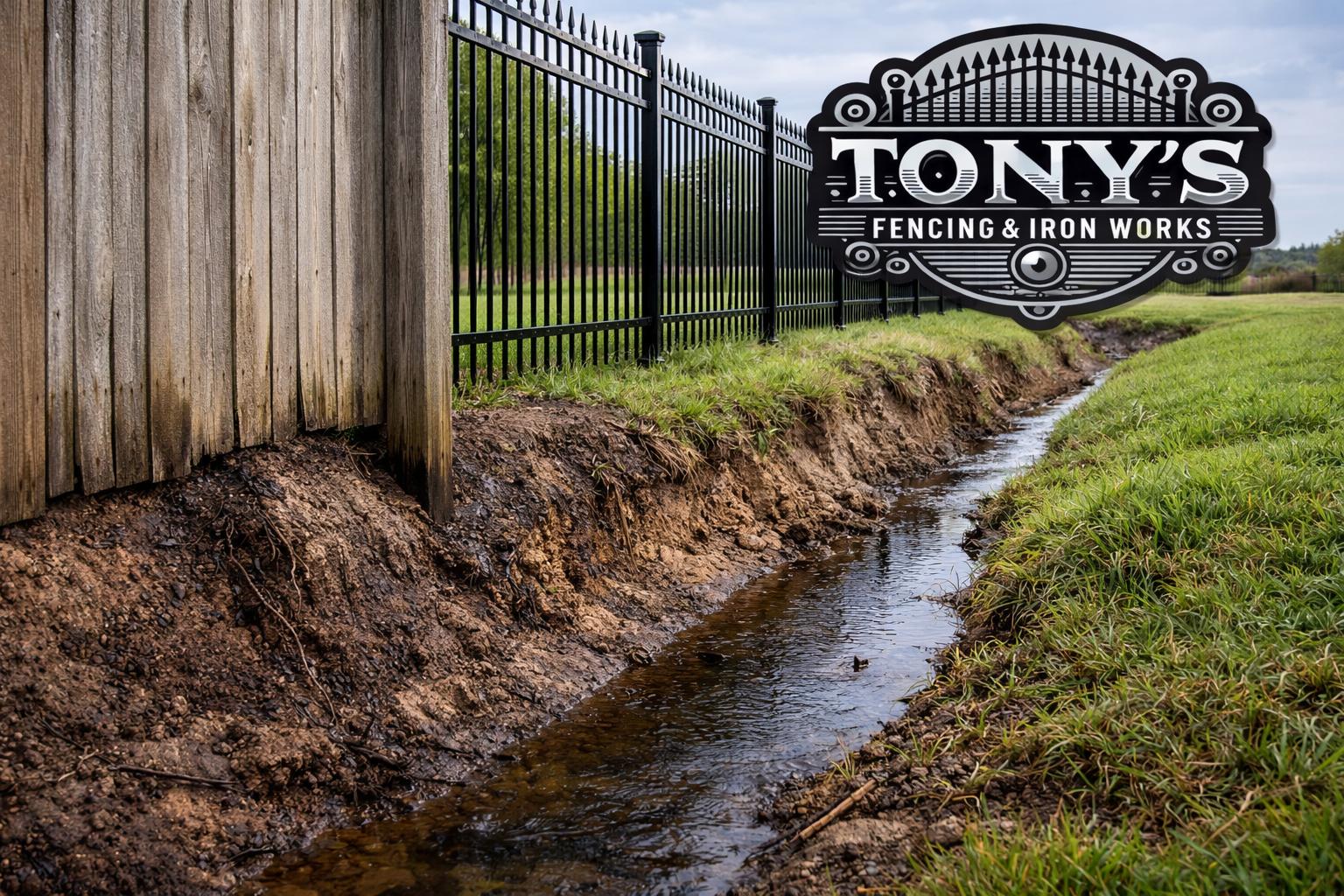
    Drainage swales and ditches are designed to guide water away from homes, roads, and yards, helping prevent flooding and erosion. While they serve an important purpose, they also create ongoing soil movement along fence lines that many homeowners don’t realize is happening.

    As water repeatedly flows through these areas, it softens the surrounding soil and gradually alters how the ground supports fence posts. Over time, this movement can cause posts to shift, fence lines to appear wavy, and gates to fall out of alignment. These changes often occur slowly, making them easy to miss until the damage becomes noticeable.

    How Drainage Affects Fence Posts Underground

    Most drainage-related fence problems don’t begin above ground. They start below the surface, where water interacts with soil and concrete footings. As rainwater moves through swales and ditches, it changes how soil expands, contracts, and settles throughout the year.

    Fence posts installed without accounting for this movement may feel solid at first, only to begin leaning or loosening after repeated rain cycles. In St. Tammany Parish, this issue is especially common near roadside drainage ditches, backyard swales designed to redirect runoff, and properties with even mild slopes that encourage water flow toward fence lines.

    Why Generic Fence Installation Methods Fall Short

    Many standard fence installation methods are designed for drier, more stable soil conditions that simply don’t exist in South Louisiana. When drainage patterns are ignored, even high-quality materials can fail prematurely.

    At Tony’s Fencing & Iron Works, fence installations in Covington and surrounding areas are planned with water movement in mind. This includes evaluating natural drainage paths across the property, understanding soil composition and moisture retention, adjusting post depth and footing design, and accounting for long-term erosion risk. This approach helps ensure fences remain stable and functional year after year.

    Drainage Isn’t Just a Fence Issue—It’s a Property Issue

    Drainage problems don’t stop at fence lines. Poor water management can also affect driveways, patios, landscaping, and even home foundations. That’s why drainage considerations should be part of any plan involving permanent outdoor structures.

    When a fence is installed with drainage in mind, it often complements the property’s overall water flow rather than disrupting it. This reduces stress on the fence itself while helping maintain the integrity of the surrounding yard.

    Local Expertise Makes the Difference

    As a locally owned company serving Covington and greater St. Tammany Parish, Tony’s Fencing & Iron Works understands how Louisiana weather, soil, and drainage systems interact. This local experience allows fences to be engineered for long-term performance, not just initial appearance.

    Frequently Asked Questions

    Do drainage ditches really affect fence stability?
    Yes. Repeated water flow can weaken the soil around fence posts over time, leading to gradual shifting and loss of support.

    Can a fence be installed near a drainage swale safely?
    Yes, when proper post depth, spacing, and reinforcement methods are used and drainage patterns are evaluated beforehand.

    Why do fences near roads fail faster?
    Roadside ditches typically carry higher water volumes, increasing erosion and soil movement around fence posts.

    Is drainage considered during professional fence installation?
    Experienced local contractors evaluate drainage patterns as part of proper site preparation and installation planning.

    Can drainage-related fence damage be repaired?
    Early-stage issues can often be corrected, but advanced movement or erosion may require post replacement.

    About Tony’s Fencing & Iron Works

    Tony’s Fencing & Iron Works is a locally owned fencing contractor based in Covington, Louisiana, proudly serving homeowners throughout St. Tammany Parish. With decades of experience, the company specializes in residential and commercial fencing, custom gates, and iron work designed for the unique soil and climate conditions of Southeast Louisiana.

    Media Contact

    Tony’s Fencing & Iron Works
    Covington, LA
    📞 985-703-0595
    🌐 https://tonysfencingandiron.com/

    Gwen M.
    Designs For You
    email us here
    Visit us on social media:
    Facebook

    Legal Disclaimer:

    EIN Presswire provides this news content “as is” without warranty of any kind. We do not accept any responsibility or liability
    for the accuracy, content, images, videos, licenses, completeness, legality, or reliability of the information contained in this
    article. If you have any complaints or copyright issues related to this article, kindly contact the author above.