Category: Evergreen

  • An Overview of Nu-Ice Dry Ice Blasting Equipment and Industrial Applications

    JACKSON, MI – February 11, 2026 – PRESSADVANTAGE –

    Nu-Ice Blasting™ presents its range of dry ice blasting equipment and systems developed to support a wide variety of industrial and commercial cleaning applications. Manufactured by Nu-Ice Blasting™, the portfolio includes portable, mid-range, and heavy-duty dry ice blasters designed to propel solid CO₂ pellets through a controlled compressed-air stream for non-abrasive surface cleaning and preparation. The systems incorporate purpose-driven features such as freezeless pellet delivery and modular components, supporting consistent process flow across applications that include production equipment maintenance and restoration work.

    The operation of Nu-Ice Blasting™ systems involves directing solid CO₂ pellets toward target surfaces using a regulated stream of compressed air. Upon contact, the pellets transition from solid to gas, lifting contaminants without introducing moisture or chemical residues. These systems are manually operated and require trained users, including industrial maintenance personnel and restoration professionals, as well as a suitable compressed air supply. All airflow and pellet feed adjustments are controlled by the operator, with no autonomous or self-adjusting functionality built into the equipment.

    Nu-Ice Dry Ice Blasting

    Nu-Ice Blasting™ dry ice blasting equipment is constructed with industrial-grade frames that integrate pellet hoppers, delivery lines, interchangeable nozzles, and operator controls for managing airflow and pellet feed rates. Supporting components such as blasting guns, hoses, and air supply accessories allow systems to be configured for different cleaning requirements. The overall design emphasizes consistent material delivery and compatibility with standard compressed air infrastructure commonly used in industrial environments.

    By enabling controlled, manual delivery of dry ice pellets within a compressed air stream, Nu-Ice Blasting™ systems support clear and structured cleaning workflows. In-place surface cleaning reduces the need for equipment disassembly while avoiding the use of water or chemical agents. This approach allows technicians to follow predictable maintenance sequences and organized procedures, supporting reliable operation and ease of handling across a range of industrial settings.

    Nu-Ice Blasting™ equipment is used to remove residues, oils, inks, and other surface buildup from production machinery, tooling, and industrial surfaces. Applications include food and beverage sanitation, automotive and aerospace component maintenance, electronics and packaging line cleaning, and fire or smoke restoration work where moisture or chemical exposure is undesirable. Additional examples include mold cleaning, weld cell maintenance, and general manufacturing equipment cleaning, with all activities carried out under direct operator control.

    The dry ice blasting equipment produced by Nu-Ice Blasting™ is designed solely for manual surface cleaning operations. It does not incorporate autonomous decision-making, automated system adjustments, or embedded control functions that initiate or regulate actions independently. All aspects of use — including setup, air supply regulation, and direction of the blasting stream — are managed by trained operators. The equipment does not monitor external conditions, control production systems, or perform functions beyond the delivery of blasting media for surface cleaning and material removal.

    Nu-Ice Blasting™ dry ice blasting equipment is assembled in the United States and engineered for use with standard industrial compressed air systems, typically requiring commercial-grade compressors that meet model-specific pressure and flow specifications. Ancillary components such as hoses, nozzles, and moisture-control devices form part of the broader operational setup. While no formal third-party certifications are listed on the company’s website, the systems are designed to integrate within established industrial utility environments and routine maintenance workflows.

    As part of Nu-Ice Blasting™’s broader portfolio of dry ice surface-cleaning solutions, its dry ice blasting systems support a range of operational requirements across multiple sectors. The equipment reflects an emphasis on mechanical reliability, operator-controlled processes, and adaptable system configurations. Based on the company’s published materials, Nu-Ice Blasting™ continues to refine its system designs and supporting components to align with evolving industrial maintenance needs while maintaining established engineering principles and compatibility with standard technical environments.

    ###

    For more information about Nu-Ice Dry Ice Blasting, contact the company here:

    Nu-Ice Dry Ice Blasting
    Brent Cooper
    517.990.0665
    sales@nuiceblasting.com
    3255 Hart Road
    Jackson, Michigan USA 49201

  • Trusted Family and Cosmetic Dentist Serving Citrus Heights

    Discover Quality Dental Care with Dr. Carl Trubschenck in Citrus Heights

    Citrus Heights, United States – February 13, 2026 / Carl Trubschenck, D.D.S. /

    Dr. Carl Trubschenck, a well-respected dentist in Citrus Heights, CA, is dedicated to providing high-quality dental care for families in the community. With a focus on general, family, and cosmetic dentistry, Dr. Trubschenck’s practice is designed to meet the diverse needs of patients of all ages. The welcoming environment and personalized approach to dental care make this practice a trusted choice for those seeking comprehensive dental services.

    Located conveniently in Citrus Heights, the office of Carl Trubschenck DDS is easily accessible for families in the area. The practice prides itself on creating a comfortable atmosphere where patients can feel at ease during their visits. From the moment patients walk through the door, they are greeted with friendly smiles and a commitment to their well-being. Dr. Trubschenck and his team understand that many individuals may feel anxious about dental visits, and they strive to alleviate those concerns through compassionate care and open communication.

    Dr. Carl Trubschenck offers a wide range of dental services to cater to the needs of his patients. General dentistry services include routine check-ups, cleanings, and preventive care, which are essential for maintaining optimal oral health. These services help to identify potential issues before they become more serious, ensuring that patients can enjoy healthy smiles for years to come. The practice emphasizes the importance of regular dental visits, as they play a crucial role in preventing cavities, gum disease, and other dental problems.

    For families, Dr. Trubschenck provides specialized care for children, ensuring that their dental experiences are positive and educational. The practice is equipped to handle the unique dental needs of young patients, from their first dental visit to orthodontic evaluations. Dr. Trubschenck believes in instilling good oral hygiene habits early on, which can lead to a lifetime of healthy smiles. Parents can trust that their children are in good hands with a dentist who is not only skilled but also passionate about pediatric dentistry.

    In addition to general and family dentistry, Dr. Carl Trubschenck also offers a variety of cosmetic dental services. These services are designed to enhance the appearance of patients’ smiles and boost their confidence. From teeth whitening to veneers, the practice provides options that can transform smiles and improve overall aesthetics. Dr. Trubschenck takes the time to understand each patient’s goals and desires, ensuring that the cosmetic treatments are tailored to meet their individual needs.

    One of the standout features of the practice is its commitment to patient comfort. Dr. Trubschenck and his team utilize the latest dental technology and techniques to provide efficient and effective care. This not only enhances the quality of treatment but also minimizes discomfort during procedures. Patients can expect a gentle touch and a thorough explanation of each step of their treatment, allowing them to feel informed and empowered throughout their dental journey.

    The office of Carl Trubschenck DDS is also dedicated to educating patients about their oral health. Dr. Trubschenck believes that informed patients are better equipped to make decisions about their dental care. The team takes the time to discuss treatment options, preventive measures, and the importance of maintaining good oral hygiene at home. This educational approach fosters a collaborative relationship between the dentist and patients, leading to better outcomes and healthier smiles.

    In today’s fast-paced world, convenience is key. Dr. Trubschenck understands that families have busy schedules, which is why the practice offers flexible appointment times to accommodate various needs. Whether patients require a routine check-up or a more extensive procedure, the team works diligently to find a time that works for everyone. This commitment to accessibility ensures that patients can prioritize their dental health without disrupting their daily lives.

    As a trusted dentist in Citrus Heights, Dr. Carl Trubschenck is committed to building lasting relationships with his patients. He believes that a strong dentist-patient relationship is essential for effective care. By fostering an environment of trust and open communication, Dr. Trubschenck encourages patients to voice their concerns and ask questions. This collaborative approach not only enhances the patient experience but also leads to better treatment outcomes.

    The practice of Carl Trubschenck DDS is also actively involved in the Citrus Heights community. Dr. Trubschenck and his team participate in local events and initiatives aimed at promoting oral health awareness. By engaging with the community, they hope to inspire individuals to take charge of their dental health and seek the care they need. This commitment to community involvement reflects the practice’s dedication to not only serving patients but also contributing to the overall well-being of the Citrus Heights area.

    In summary, Dr. Carl Trubschenck is a trusted dentist in Citrus Heights, offering a comprehensive range of dental services for families. With a focus on patient comfort, quality care, and community involvement, the practice stands out as a premier choice for those seeking general, family, and cosmetic dentistry. Patients can expect personalized care in a welcoming environment, where their dental health is the top priority. Whether it is routine check-ups, specialized pediatric care, or cosmetic enhancements, Dr. Trubschenck and his team are committed to helping patients achieve and maintain healthy, beautiful smiles.

    Learn more on https://www.trubschenckdental.com/

    Contact Information:

    Carl Trubschenck, D.D.S.

    8035 Madison Avenue, Suite E2
    Citrus Heights, California 95610
    United States

    Carl Trubschenck
    (916) 961-1610
    https://trubschenckdental.com

  • Celebrating 30 Years of Roofing Excellence in Utah

    Encore Roofing Marks 30 Years of Trusted Service in Utah

    Heber City, United States – February 13, 2026 / Encore Roofing & Exteriors /

    Encore Roofing proudly celebrates a significant milestone in its journey, marking 30 years of dedicated service in the Utah roofing industry. Over the past three decades, the company has successfully served nearly 5,000 clients, establishing itself as a trusted name in roofing excellence. This achievement is a testament to Encore Roofing’s unwavering commitment to quality, transparency, and exceptional customer service.

    Founded with a vision to provide top-notch roofing solutions, Encore Roofing has consistently prioritized the needs of its clients. The company understands that a roof is not just a protective covering but a vital component of a home that contributes to its overall value and safety. This understanding drives Encore Roofing to deliver superior craftsmanship and materials, ensuring that every project meets the highest standards.

    Utah’s unique climate presents specific challenges for roofing systems, and Encore Roofing has developed expertise in addressing these issues. The state experiences extreme weather conditions, including intense UV exposure, heavy snowfall, and fluctuating temperatures. These factors can significantly impact the longevity and performance of roofing materials. Encore Roofing’s team of skilled professionals is well-versed in the best practices for selecting and installing roofing systems that can withstand these challenges. By utilizing high-quality materials and innovative techniques, the company ensures that roofs not only look great but also provide lasting protection.

    In addition to its technical expertise, Encore Roofing places a strong emphasis on transparency throughout the roofing process. The company believes that open communication is essential for building trust with clients. From the initial consultation to project completion, Encore Roofing keeps clients informed about every step of the process. This commitment to transparency extends to pricing as well, with detailed estimates provided upfront, allowing clients to make informed decisions without any hidden costs.

    The leadership at Encore Roofing recognizes that quality and transparency are not just buzzwords but core values that define the company’s culture. “Our mission has always been to provide our clients with the best roofing solutions while maintaining a transparent relationship,” said a representative from Encore Roofing. “We believe that our clients deserve to know exactly what they are getting, and we strive to exceed their expectations at every turn.”

    As Encore Roofing celebrates its 30-year anniversary, the company reflects on the relationships it has built with its clients and the communities it serves. The nearly 5,000 clients who have chosen Encore Roofing have not only benefited from high-quality roofing solutions but have also become part of the company’s extended family. This sense of community is a driving force behind Encore Roofing’s continued success and growth.

    The company has also made it a priority to educate its clients about the importance of regular roof maintenance and inspections. Many homeowners may not realize that proactive care can extend the life of their roofs and prevent costly repairs down the line. Encore Roofing offers valuable resources and guidance to help clients understand the specific needs of their roofing systems, particularly in the context of Utah’s diverse weather patterns.

    Encore Roofing’s commitment to excellence has not gone unnoticed in the industry. The company has received numerous accolades and recognition for its outstanding service and quality workmanship. These awards serve as a reflection of the hard work and dedication of the Encore Roofing team, who consistently go above and beyond to ensure client satisfaction.

    As the company looks to the future, Encore Roofing remains focused on its mission to provide exceptional roofing solutions while maintaining the highest standards of quality and transparency. With a solid foundation built over 30 years, Encore Roofing is well-positioned to continue serving the Utah community for many more years to come.

    In conclusion, Encore Roofing’s 30-year milestone is not just a celebration of its past achievements but also a commitment to the future. The company stands ready to tackle the unique roofing challenges of Utah, ensuring that every client receives the best possible service and support. With a focus on quality, transparency, and customer satisfaction, Encore Roofing is a true leader in the Utah roofing industry, dedicated to providing roofing excellence for generations to come.

    Learn more on https://encoreroofingut.com/

    Contact Information:

    Encore Roofing & Exteriors

    104 E 600 S #518
    Heber City, Utah 84032
    United States

    Encore Roofing UT
    +1-385-421-5877
    https://encoreroofingut.com

  • Tony’s Fencing & Iron Works Highlights Impact of Drainage on Fence Stability in St. Tammany Parish

    Drainage swales and ditches play a major role in fence stability across Covington and St. Tammany Parish. Learn why water flow matters before installing fences.

    Drainage is one of the most overlooked factors in fence longevity. When water flow is ignored, even a well-built fence can fail sooner than expected.”
    — Tony Ostrowski, Owner of Tony’s Fencing & Iron Works

    COVINGTON, LA, UNITED STATES, February 13, 2026 /EINPresswire.com/ — Homeowners across Covington and St. Tammany Parish often focus on fence materials, height, and appearance, but one critical factor is frequently overlooked: drainage. According to Tony’s Fencing & Iron Works, drainage swales and roadside ditches play a major role in how long a fence lasts—and whether it stays straight over time.

    In Southeast Louisiana, where heavy rainfall and clay-rich soil are common, water movement around a property can quietly undermine even well-built fences if it isn’t properly considered during installation.

    Why Drainage Matters More Than Most Homeowners Realize

    Drainage swales and ditches are designed to guide water away from homes, roads, and yards, helping prevent flooding and erosion. While they serve an important purpose, they also create ongoing soil movement along fence lines that many homeowners don’t realize is happening.

    As water repeatedly flows through these areas, it softens the surrounding soil and gradually alters how the ground supports fence posts. Over time, this movement can cause posts to shift, fence lines to appear wavy, and gates to fall out of alignment. These changes often occur slowly, making them easy to miss until the damage becomes noticeable.

    How Drainage Affects Fence Posts Underground

    Most drainage-related fence problems don’t begin above ground. They start below the surface, where water interacts with soil and concrete footings. As rainwater moves through swales and ditches, it changes how soil expands, contracts, and settles throughout the year.

    Fence posts installed without accounting for this movement may feel solid at first, only to begin leaning or loosening after repeated rain cycles. In St. Tammany Parish, this issue is especially common near roadside drainage ditches, backyard swales designed to redirect runoff, and properties with even mild slopes that encourage water flow toward fence lines.

    Why Generic Fence Installation Methods Fall Short

    Many standard fence installation methods are designed for drier, more stable soil conditions that simply don’t exist in South Louisiana. When drainage patterns are ignored, even high-quality materials can fail prematurely.

    At Tony’s Fencing & Iron Works, fence installations in Covington and surrounding areas are planned with water movement in mind. This includes evaluating natural drainage paths across the property, understanding soil composition and moisture retention, adjusting post depth and footing design, and accounting for long-term erosion risk. This approach helps ensure fences remain stable and functional year after year.

    Drainage Isn’t Just a Fence Issue—It’s a Property Issue

    Drainage problems don’t stop at fence lines. Poor water management can also affect driveways, patios, landscaping, and even home foundations. That’s why drainage considerations should be part of any plan involving permanent outdoor structures.

    When a fence is installed with drainage in mind, it often complements the property’s overall water flow rather than disrupting it. This reduces stress on the fence itself while helping maintain the integrity of the surrounding yard.

    Local Expertise Makes the Difference

    As a locally owned company serving Covington and greater St. Tammany Parish, Tony’s Fencing & Iron Works understands how Louisiana weather, soil, and drainage systems interact. This local experience allows fences to be engineered for long-term performance, not just initial appearance.

    Frequently Asked Questions

    Do drainage ditches really affect fence stability?
    Yes. Repeated water flow can weaken the soil around fence posts over time, leading to gradual shifting and loss of support.

    Can a fence be installed near a drainage swale safely?
    Yes, when proper post depth, spacing, and reinforcement methods are used and drainage patterns are evaluated beforehand.

    Why do fences near roads fail faster?
    Roadside ditches typically carry higher water volumes, increasing erosion and soil movement around fence posts.

    Is drainage considered during professional fence installation?
    Experienced local contractors evaluate drainage patterns as part of proper site preparation and installation planning.

    Can drainage-related fence damage be repaired?
    Early-stage issues can often be corrected, but advanced movement or erosion may require post replacement.

    About Tony’s Fencing & Iron Works

    Tony’s Fencing & Iron Works is a locally owned fencing contractor based in Covington, Louisiana, proudly serving homeowners throughout St. Tammany Parish. With decades of experience, the company specializes in residential and commercial fencing, custom gates, and iron work designed for the unique soil and climate conditions of Southeast Louisiana.

    Media Contact

    Tony’s Fencing & Iron Works
    Covington, LA
    📞 985-703-0595
    🌐 https://tonysfencingandiron.com/

    Gwen M.
    Designs For You
    email us here
    Visit us on social media:
    Facebook

    Legal Disclaimer:

    EIN Presswire provides this news content “as is” without warranty of any kind. We do not accept any responsibility or liability
    for the accuracy, content, images, videos, licenses, completeness, legality, or reliability of the information contained in this
    article. If you have any complaints or copyright issues related to this article, kindly contact the author above.

  • E.C.O. Builders Inc. Highlights Strategic Bathroom Renovation Priorities That Enhance Long-Term Property Value

    Sound construction, practical layouts, and materials selected for durability tend to matter far more than decorative trends”
    — Elwin Ordoyne

    SLIDELL, LA, UNITED STATES, February 13, 2026 /EINPresswire.com/ — Bathroom remodeling remains one of the most common residential improvement projects, but not all upgrades deliver the same return in functionality, durability, or long-term property value. As construction costs, material availability, and homeowner expectations continue to evolve, prioritization has become a critical factor in successful bathroom renovations. Strategic decision-making focuses less on trend-driven changes and more on improvements that address performance, longevity, and everyday usability.

    Bathroom projects often begin with cosmetic goals, but experienced builders frequently emphasize infrastructure first. Plumbing integrity, moisture control, and structural soundness form the foundation of any lasting remodel. Aging pipes, insufficient ventilation, or compromised subflooring can undermine even the most visually appealing upgrades. Addressing these elements early reduces the likelihood of future repairs and supports consistent performance over time.

    Layout efficiency represents another key consideration. Bathrooms with awkward traffic flow, limited storage, or poorly placed fixtures often benefit from reconfiguration rather than surface-level updates. Relocating fixtures may increase upfront costs, but functional layouts typically improve daily use and long-term satisfaction. Clearances around toilets, vanities, and showers are especially important for comfort and accessibility.

    Shower and tub upgrades continue to rank high among value-focused improvements. Walk-in showers with durable waterproofing systems, properly sloped floors, and high-quality drains tend to outlast trend-based designs. Bathtub replacements are often evaluated based on household needs, available space, and maintenance considerations. Materials selected for wet areas should prioritize water resistance, ease of cleaning, and structural reliability.

    Vanities and storage solutions play a significant role in both usability and perception. Adequate storage reduces clutter and supports organization, while well-constructed cabinetry resists moisture-related deterioration. Countertop materials are typically evaluated for durability, maintenance requirements, and compatibility with daily use rather than appearance alone. Integrated storage solutions often deliver greater functional value than decorative fixtures.

    Flooring selection directly affects longevity and safety. Bathrooms require materials capable of withstanding moisture exposure, temperature changes, and frequent cleaning. Slip resistance, installation method, and subfloor compatibility influence long-term performance. Proper installation is as important as material choice, as inadequate preparation can lead to movement, cracking, or water intrusion.

    Lighting and ventilation upgrades frequently provide understated but meaningful returns. Adequate lighting supports functionality and reduces shadowing around work areas such as mirrors and vanities. Ventilation systems help manage humidity, prevent mold growth, and protect finishes. These improvements contribute to indoor air quality and structural preservation, often with minimal visual impact.

    Fixture selection also benefits from a performance-first approach. Water-efficient fixtures that meet current standards support long-term operating efficiency while maintaining consistent pressure and reliability. Simpler designs with readily available replacement parts often outperform complex fixtures over time, particularly in high-use environments.

    Elwin Ordoyne, Vice President of E.C.O. Builders Inc. in Slidell, notes that value-focused bathroom remodeling begins with understanding how the space is actually used. “Bathrooms that perform well day after day usually share the same traits,” said Elwin Ordoyne. “Sound construction, practical layouts, and materials selected for durability tend to matter far more than decorative trends.”

    Accessibility considerations increasingly influence remodeling priorities. Features such as curbless showers, reinforced walls for future grab bar installation, and wider door clearances support long-term adaptability. These upgrades often blend seamlessly into the design while extending usability across different life stages.

    Consistency with the rest of the home also affects perceived value. Bathrooms that align with overall construction quality, material standards, and architectural style typically integrate more naturally into the property. Over-customization or mismatched finishes can create visual disconnects that detract from cohesion.

    Project sequencing represents another factor in remodeling outcomes. Coordinating demolition, mechanical updates, waterproofing, and finish installation in the correct order reduces rework and delays. Clear planning supports efficiency and minimizes disruption during construction.

    Material availability and lead times have also become relevant planning considerations. Selecting readily available materials with established supply chains reduces scheduling uncertainty and allows projects to progress more predictably. Flexibility during the selection phase often prevents delays later in the process.

    Bathroom remodeling decisions that prioritize structural integrity, usability, and durability tend to yield consistent results regardless of market conditions. While design preferences evolve, fundamental performance requirements remain constant. Projects grounded in these principles typically maintain relevance and functionality well beyond initial completion.

    As homeowners continue to evaluate improvement priorities, bathrooms remain a focal point due to their daily use and technical complexity. Remodeling smarter involves focusing on elements that support long-term performance rather than short-term appeal. When improvements align with how a space functions, value is reinforced through reliability, comfort, and sustained usability.

    Morgan Thomas
    Rhino Digital, LLC
    +1 504-875-5036
    email us here
    Visit us on social media:
    Facebook

    Legal Disclaimer:

    EIN Presswire provides this news content “as is” without warranty of any kind. We do not accept any responsibility or liability
    for the accuracy, content, images, videos, licenses, completeness, legality, or reliability of the information contained in this
    article. If you have any complaints or copyright issues related to this article, kindly contact the author above.

  • Hydrographic Equipment Rentals Explained: Tools Used to Map Waterways and Terrain

    Reliable mapping comes from systems working together”
    — Joel Chaky

    BATON ROUGE, LA, UNITED STATES, February 13, 2026 /EINPresswire.com/ — Hydrographic surveying plays a critical role in understanding water bodies, coastal environments, and submerged terrain. From navigation planning to environmental monitoring and infrastructure development, accurate data collection depends on specialized equipment designed to operate in challenging aquatic conditions. Hydrographic equipment rentals allow professionals to access advanced tools without long-term ownership, supporting project-specific needs while maintaining technical precision.

    At the core of most hydrographic surveys is depth measurement technology. Single-beam echo sounders remain widely used for straightforward bathymetric surveys in rivers, canals, and nearshore environments. These systems emit sound pulses toward the bottom and calculate depth based on return time. Single-beam systems are valued for simplicity, reliability, and suitability for targeted depth profiling.

    Multibeam echo sounders expand on this capability by collecting depth data across wide swaths of the seafloor or riverbed. Rather than measuring a single point, multibeam systems capture detailed, high-resolution terrain models. These tools are commonly used in navigation channel surveys, dredging support, and large-area mapping projects. Multibeam systems require precise positioning and motion compensation to ensure data accuracy.

    Positioning technology is another foundational component of hydrographic surveys. Global Navigation Satellite System (GNSS) receivers provide real-time location data, often enhanced through Real-Time Kinematic (RTK) or post-processed kinematic methods. These systems reduce positional error to centimeter-level accuracy, which is essential when mapping underwater features or aligning survey data with existing geospatial frameworks.

    Motion reference units and inertial measurement units support accurate data collection by accounting for vessel movement. Pitch, roll, yaw, and heave all influence sonar readings. Motion sensors correct for these variables, allowing depth measurements to reflect true bottom conditions rather than vessel dynamics. This integration is especially important in open water or high-current environments.

    Sound velocity profiling equipment plays a critical role in hydrographic accuracy. Water temperature, salinity, and pressure affect sound speed, which directly influences depth calculations. Sound velocity profilers measure these variables throughout the water column, enabling proper correction of sonar data. Without these corrections, depth measurements can drift significantly from actual conditions.

    Surface platforms and mounting systems influence how hydrographic tools are deployed. Survey vessels, autonomous surface vehicles, and remote-controlled platforms are selected based on project scope, water depth, and access constraints. Equipment mounting stability affects data quality, making platform selection as important as the sensors themselves.

    Sub-bottom profilers extend hydrographic surveys beneath the seafloor. These systems emit low-frequency signals capable of penetrating sediment layers, revealing subsurface structures such as buried channels, sediment thickness, or geological features. Sub-bottom data supports environmental assessments, engineering design, and dredging analysis.

    Data acquisition software ties these systems together. Real-time visualization allows surveyors to monitor coverage, identify gaps, and verify data integrity during collection. Post-processing software refines raw data, applying corrections for positioning, motion, and sound velocity. Accurate processing ensures that final deliverables meet regulatory and engineering standards.

    Hydrographic equipment rentals support flexibility in project planning. Different projects require different tool combinations, and rental access allows professionals to match equipment to specific conditions rather than adapting projects to fixed inventories. This approach supports efficient deployment while maintaining technical rigor.

    Environmental conditions influence equipment selection. Shallow inland waterways, deep coastal zones, and dynamic estuaries present unique challenges. Equipment must withstand variable turbidity, salinity, and debris while maintaining precision. Rental providers typically offer configurations suited to these diverse environments.

    Joel Chaky, Vice President of ENCOS Environmental & Coastal Services, emphasizes that hydrographic accuracy depends on proper tool integration rather than individual components. “Reliable mapping comes from systems working together,” said Joel Chaky. “Depth sensors, positioning, motion correction, and sound velocity data all contribute to the final result.”

    Regulatory and compliance requirements further shape hydrographic survey practices. Many projects must meet standards established by federal, state, or local agencies. Equipment selection and calibration directly influence whether collected data satisfies these requirements. Proper documentation of equipment performance and survey methodology supports acceptance and long-term usability.

    Maintenance and calibration represent ongoing considerations. Hydrographic instruments require routine verification to ensure accuracy. Rental programs often include calibration records and support, reducing uncertainty and preparation time for project teams.

    Hydrographic mapping continues to support coastal resilience planning, infrastructure maintenance, habitat assessment, and navigation safety. As data requirements grow more precise, the tools used to collect that data evolve accordingly. Access to specialized equipment allows professionals to respond effectively to project demands without compromising data integrity.

    Hydrographic equipment rentals provide practical access to advanced surveying tools while supporting accurate mapping of water and terrain. Understanding the purpose and integration of these systems clarifies how modern hydrographic surveys produce reliable, actionable data across a wide range of environmental and engineering applications.

    Morgan Thomas
    Rhino Digital, LLC
    +1 504-875-5036
    email us here
    Visit us on social media:
    Facebook

    Legal Disclaimer:

    EIN Presswire provides this news content “as is” without warranty of any kind. We do not accept any responsibility or liability
    for the accuracy, content, images, videos, licenses, completeness, legality, or reliability of the information contained in this
    article. If you have any complaints or copyright issues related to this article, kindly contact the author above.

  • Mid City Cleaning of Baton Rouge Shares Structured Approach to Post-Event Cleaning and Facility Recovery

    Post-event cleaning works best when approached as a process rather than a reaction”
    — Falesity Mecca

    BATON ROUGE, LA, UNITED STATES, February 13, 2026 /EINPresswire.com/ — Events and private gatherings generate high levels of foot traffic, food service activity, and surface use within a short period of time. Once guests depart, the condition of the space often reflects concentrated wear rather than gradual use. Mid City Cleaning of Baton Rouge is outlining a structured framework for post-event cleaning that emphasizes sanitation, safety, and material preservation while reducing operational downtime.

    Efficient post-event cleaning focuses on restoring order quickly through organized sequencing and surface-specific methods. Professional cleaning protocols prioritize assessment, waste management, targeted sanitation, and controlled workflow to support facility readiness.

    Post-event recovery begins with a structured assessment of the space. Identifying high-impact areas such as kitchens, restrooms, dining zones, and entryways helps determine cleaning priorities. Spills, debris accumulation, and waste overflow frequently concentrate in these locations. Addressing heavily affected zones first prevents cross-contamination and allows other cleaning tasks to proceed without interruption.

    Waste removal represents the initial operational step. Collecting trash, recyclables, and disposable service items clears floor space and reduces obstacles. Liners, containers, and bags should be removed before surface cleaning begins to avoid redistributing debris. Proper segregation of waste supports sanitation standards and simplifies later detailing.

    Surface clearing follows waste removal. Tables, counters, and staging areas often accumulate food residue, drink spills, and decorative materials. Removing these items allows cleaning agents to reach underlying surfaces effectively. This step also exposes damage or staining that may require targeted treatment rather than general cleaning.

    Floor care remains a central component of post-event cleanup. Hard flooring surfaces such as tile, vinyl, or sealed concrete typically require sweeping or vacuuming prior to wet cleaning. Sticky residues from beverages and food service require appropriate degreasers or neutral cleaners to prevent film buildup. Carpeted areas benefit from prompt vacuuming and spot treatment to address spills before staining sets.

    Restroom sanitation demands focused attention due to high usage during events. Fixtures, sinks, counters, and touchpoints require disinfecting with products appropriate for each surface. Floor areas should be cleaned last to avoid recontamination. Restocking supplies and addressing odors contribute to functional recovery and occupant readiness.

    Kitchen and food preparation areas require specialized handling. Surfaces exposed to food must be cleaned and sanitized according to health standards. Grease accumulation, appliance surfaces, and sink areas often need degreasing agents designed for commercial use. Proper sequencing prevents residue transfer to clean areas.

    Air quality considerations also play a role in recovery. Events involving cooking, beverages, or large groups can leave lingering odors and airborne particles. Ventilation, filter inspection, and targeted odor neutralization support a return to normal conditions. Addressing air quality early improves comfort and perception of cleanliness.

    Time efficiency depends on methodical sequencing. Cleaning from top to bottom and from the least affected areas toward the most impacted zones reduces redundant effort. Dry tasks performed before wet cleaning prevent unnecessary rework. This structured approach shortens recovery timelines without compromising thoroughness.

    Equipment selection influences outcomes. Commercial-grade vacuums, microfiber systems, and surface-specific tools improve efficiency and consistency. Using appropriate products for each material protects finishes and reduces long-term wear. Improper product use can cause damage that extends recovery time rather than reducing it.

    Falesity Mecca, owner of Mid City Cleaning of Baton Rouge in Baton Rouge, notes that preparation often determines cleanup success. “Post-event cleaning works best when approached as a process rather than a reaction,” said Falesity Mecca. “Knowing what to address first and using the right sequence prevents delays and overlooked areas.”

    Safety considerations remain essential throughout cleanup operations. Wet floors, broken glass, and improperly handled waste present risks during recovery. Use of caution signage, protective equipment, and proper handling procedures reduces injury potential. Attention to safety supports uninterrupted workflow and compliance with workplace standards.

    Documentation may be required for venues or commercial spaces. Recording conditions before and after cleaning supports accountability and assists with future planning. Identifying recurring problem areas helps refine post-event strategies and resource allocation.

    Large events and frequent gatherings often benefit from predefined cleanup plans. Establishing checklists, supply staging, and task assignments improves response time. This planning approach allows recovery efforts to scale with event size rather than relying on improvised solutions.

    Post-event cleaning extends beyond appearance. Effective recovery restores sanitation, protects materials, and prepares spaces for immediate reuse. Professional strategies focus on efficiency, accuracy, and surface preservation rather than speed alone. When executed systematically, cleanup operations reduce downtime and maintain functional readiness.

    Events and parties create temporary intensity within a space. Cleaning up afterward requires equal focus and organization. Structured recovery methods transform disorder into readiness, allowing facilities to resume normal use with minimal disruption.

    Morgan Thomas
    Rhino Digital, LLC
    +1 504-875-5036
    email us here
    Visit us on social media:
    Facebook

    Legal Disclaimer:

    EIN Presswire provides this news content “as is” without warranty of any kind. We do not accept any responsibility or liability
    for the accuracy, content, images, videos, licenses, completeness, legality, or reliability of the information contained in this
    article. If you have any complaints or copyright issues related to this article, kindly contact the author above.

  • Cross-Docking & Transloading Efficiency: Data-Driven Strategies to Reduce Port Congestion Delays

    Operational planning and equipment control help streamline container flow near major East Coast ports.

    ELIZABETH, NJ, UNITED STATES, February 13, 2026 /EINPresswire.com/ — Port congestion remains one of the most pressing challenges facing importers and exporters operating along the East Coast. Fluctuating container volumes, chassis shortages, labor constraints, and peak-season surges can create delays that disrupt supply chains and increase storage costs.

    Cross-docking and transloading have emerged as effective operational strategies to reduce dwell time and improve cargo flow. When supported by data-driven warehouse systems and coordinated trucking resources, these strategies can significantly improve efficiency near major port facilities.

    Understanding Cross-Docking and Transloading

    Cross-docking involves unloading inbound freight and transferring it directly to outbound transportation with minimal storage time. Transloading typically refers to shifting cargo from one mode of transportation to another, for example, from ocean containers to domestic trailers for inland distribution.

    Both approaches reduce the need for long-term container storage at the port and help accelerate product movement into regional distribution networks. For businesses importing consumer goods or replenishing ecommerce inventory, these efficiencies can translate into faster fulfillment and improved inventory turnover.

    The Role of Data and Warehouse Management Systems

    Modern warehouse management systems (WMS) play a central role in efficiently executing cross-docking and transloading. Real-time inventory tracking, appointment scheduling, and container visibility allow logistics teams to coordinate labor, dock doors, and outbound trucking with greater precision.

    Data insights help forecast inbound volumes, align labor allocation, and prioritize containers based on urgency or downstream delivery requirements. Structured reporting can also improve communication with customers about shipment status and projected turnaround times.

    Reducing Port Dwell Time Through Equipment Control

    Congestion challenges are often compounded by limited access to chassis and specialized equipment during peak periods. Ownership and operation of chassis and genset fleets can provide greater scheduling control and reduce dependence on shared equipment pools.

    By coordinating drayage, unloading, and outbound shipment planning in advance, logistics providers can minimize container dwell time at the port and expedite cargo movement into warehouse facilities.

    In addition, permits to move overweight containers and access to heavy-haul chassis support efficient handling of specialized freight that may otherwise require additional repositioning or delays.

    Supporting ECommerce and Regional Distribution

    The growth of ecommerce has increased pressure on importers to move goods quickly from port to fulfillment centers. Cross-docking and transloading allow inventory to be sorted, palletized, or prepared for pick-and-pack operations without the need for unnecessary storage steps.

    For businesses serving customers throughout the Eastern United States, positioning freight near major ports and distribution corridors can shorten transit times and improve delivery predictability.

    Rather than allowing containers to accumulate at congested terminals, structured cross-dock operations help transition goods into regional supply chains more efficiently.

    Strategic Planning Over Reactive Response

    Reducing congestion delays requires deliberate planning rather than reactive adjustments. Advanced scheduling, equipment readiness, and coordinated warehouse workflows all contribute to smoother container transitions.

    Long-term logistics partnerships also support operational stability. Once cargo flow patterns are established and integrated into warehouse systems, businesses benefit from consistent processes and predictable execution.

    A disciplined approach to cross-docking and transloading does not eliminate external port challenges. Still, it can mitigate their impact by improving turnaround times and reducing bottlenecks within controllable stages of the supply chain.

    A Focus on Reliable Execution

    As supply chain complexity continues to increase, efficiency strategies must be grounded in operational reliability. Cross-docking and transloading succeed when supported by structured processes, dependable equipment, and responsive coordination between warehouse and trucking teams.

    For importers, exporters, and ecommerce businesses seeking to reduce port-related delays, submitting a contact form is the first step toward evaluating tailored cross-docking and transloading solutions designed to improve cargo flow and operational continuity.

    Connie Levene
    CONRI Services, Inc.
    +1 914-592-2300
    sales@conriservices.com

    Legal Disclaimer:

    EIN Presswire provides this news content “as is” without warranty of any kind. We do not accept any responsibility or liability
    for the accuracy, content, images, videos, licenses, completeness, legality, or reliability of the information contained in this
    article. If you have any complaints or copyright issues related to this article, kindly contact the author above.

  • Dynamic HVAC Celebrates More Than 20 Years of Delivering Solutions for Heating and Cooling in Clarkston, MI

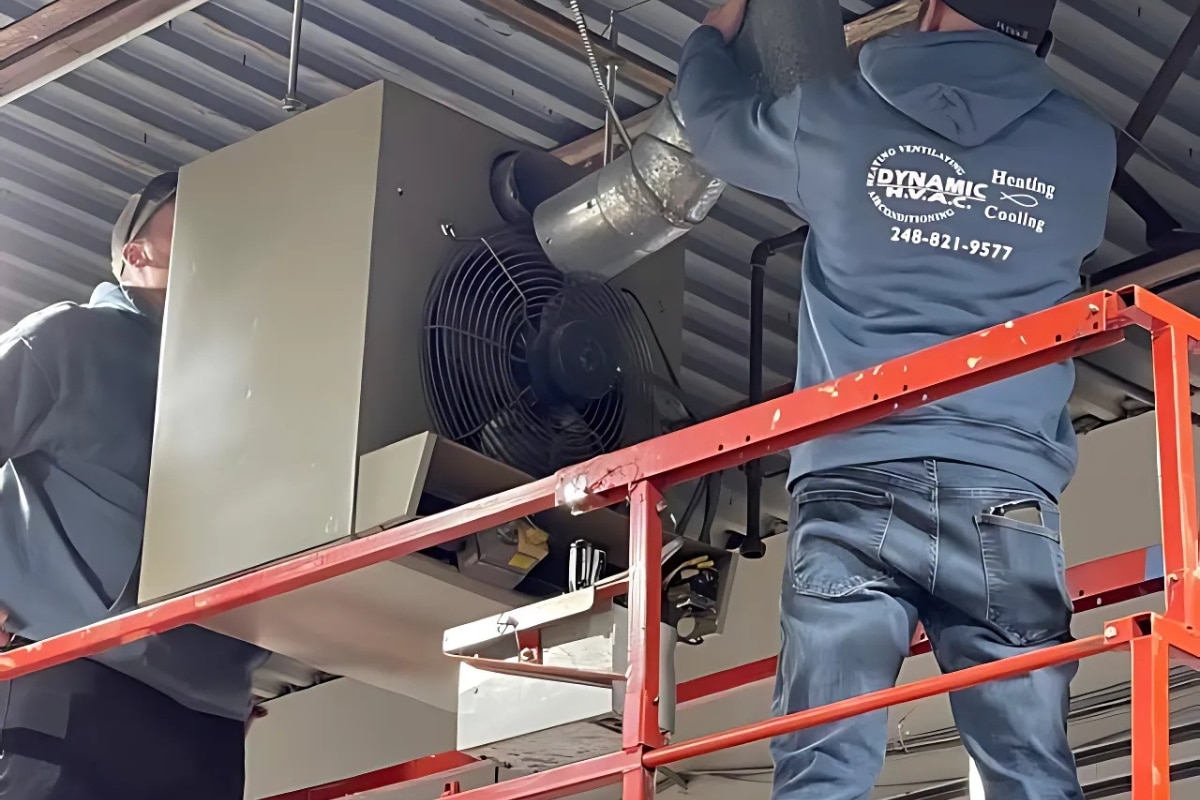
    Waterford Township, MI – Dynamic HVAC, a leading furnace and AC repair company, is thrilled to announce the celebration of 21 years of delivering trusted heating and cooling services in Clarkston and surrounding areas in Southeast Michigan.

    With an impressive local reputation for delivering exceptional service, quality workmanship, and unmatched customer care, Dynamic HVAC’s full range of heating and cooling services helps homeowners and property managers to keep their system running at peak efficiency to stay comfortable year-round. The company is proud of maintaining its commitment to its local community and remains dedicated to continuing to offer high-quality repair, installation, and maintenance services for many more years to come.

    “Since the 1970s, we’ve been serving residents and property managers in Clarkston with reliable HVAC solutions,” said a spokesperson for Dynamic HVAC. “Decades of experience and long-standing customer relationships have made us one of Southeast Michigan’s leading choices for heating and cooling.”

    Understanding that every customer has unique needs, Dynamic HVAC always strives to tailor services to each individual situation. The company works with all major furnace and air conditioner makes and models, provides clear upfront pricing, and backs every job with a 100% satisfaction guarantee.

    Dynamic HVAC’s team of skilled installers will help each customer choose the right system for their space and handle the installation quickly and professionally, while always striving to work in a professional manner, exceed expectations, and build lasting relationships.

    Some of the heating and cooling services by Dynamic HVAC include:

    HVAC Services: From failing compressors to refrigerant leaks to burning smells pouring out of vents, Dynamic HVAC’s experienced team has the expertise to swiftly identify HVAC issues and provide long-lasting, efficient solutions.

    Furnace Installation and Repair: The HVAC experts can help with every step of the furnace installation process, from start to finish. The team will also ensure that the new system is properly set up, sized, and installed to ensure proper performance all winter long.

    Air Conditioning Installation and Repair: The team of expert technicians is equipped with the skills and knowledge to provide fast, reliable repairs to diagnose AC issues and get the system back up and running.

    Dynamic HVAC encourages home and business owners to reach out by visiting the website today to schedule their HVAC inspection, repair, or installation.

    About Dynamic HVAC

    Dynamic HVAC is a leading furnace and AC repair company that has been serving homeowners and property managers in Southeast Michigan with exceptional service, quality workmanship, and unmatched customer care since the 1970s. With an experienced team and a full range of heating and cooling services, Dynamic HVAC keeps systems running at peak efficiency, so a home or business stays comfortable year-round.

    More Information

    To learn more about Dynamic HVAC and its range of heating and cooling services, please visit the website at https://dhvac.com/.

    https://thenewsfront.com/dynamic-hvac-celebrates-more-than-20-years-of-delivering-solutions-for-heating-and-cooling-in-clarkston-mi/

    5275 Dixie Hwy

    Waterford Township

    MI

    United States

    (248) 453-9415

    https://dhvac.com/

    Legal Disclaimer:

    EIN Presswire provides this news content “as is” without warranty of any kind. We do not accept any responsibility or liability
    for the accuracy, content, images, videos, licenses, completeness, legality, or reliability of the information contained in this
    article. If you have any complaints or copyright issues related to this article, kindly contact the author above.

  • Exercise & Cognitive Performance: Why Physical Activity Helps the ADD Brain

    Physical activity supports the same brain systems targeted in clinical treatment”
    — Dr. Stanford Owen

    GULFPORT, LA, UNITED STATES, February 13, 2026 /EINPresswire.com/ — Physical activity has long been associated with cardiovascular health and physical conditioning, but a growing body of research highlights its role in cognitive function, particularly in individuals with Attention Deficit Disorder (ADD). Neurobiological studies increasingly show that movement influences brain chemistry, executive function, and emotional regulation, all of which are central to attention-related challenges. For individuals with ADD, exercise serves as more than a lifestyle choice; it functions as a neurological support mechanism.

    ADD is commonly characterized by difficulties with sustained attention, impulse control, working memory, and task organization. These functions are governed largely by the prefrontal cortex, an area of the brain that relies heavily on neurotransmitters such as dopamine and norepinephrine. Physical activity has been shown to increase the availability and regulation of these neurotransmitters, directly affecting cognitive performance and attention control.

    Aerobic exercise in particular appears to stimulate dopamine pathways involved in motivation and focus. Dopamine dysregulation is a core feature of ADD, contributing to difficulties with task initiation and follow-through. Movement-based activity increases dopamine transmission, supporting improved alertness and mental engagement. This effect helps explain why many individuals with ADD report improved focus and clarity following physical exertion.

    Executive function, which includes planning, prioritization, and impulse inhibition, also benefits from regular physical activity. Studies examining brain imaging and cognitive testing show that exercise enhances blood flow to the prefrontal cortex, supporting neural efficiency. Improved circulation delivers oxygen and nutrients necessary for optimal brain performance, reinforcing cognitive stability during demanding mental tasks.

    Beyond neurotransmitter effects, exercise influences neuroplasticity. Brain-derived neurotrophic factor (BDNF), a protein associated with neuron growth and connectivity, increases during physical activity. Elevated BDNF levels support learning, memory formation, and adaptive thinking. For individuals with ADD, these mechanisms contribute to improved information processing and cognitive resilience over time.

    Emotional regulation represents another area where physical activity plays a meaningful role. ADD is frequently accompanied by emotional reactivity, stress sensitivity, and mood variability. Exercise supports regulation of cortisol, the body’s primary stress hormone, while promoting endorphin release. This biochemical balance supports emotional steadiness and reduces cognitive overload that can interfere with attention.

    Timing and consistency of physical activity influence cognitive outcomes. Research suggests that moderate-intensity exercise performed regularly yields more stable benefits than sporadic high-intensity activity. Short bouts of movement throughout the day may support sustained attention more effectively than a single extended session. This pattern aligns with observed improvements in task persistence and reduced mental fatigue among individuals with ADD.

    Different forms of exercise engage cognitive systems in distinct ways. Aerobic activities such as walking, cycling, or swimming support overall brain regulation and mood stability. Resistance training has been associated with improved working memory and self-regulation. Activities requiring coordination, balance, or sequencing engage attentional networks and reinforce motor planning, contributing to broader cognitive integration.

    Sleep quality also intersects with physical activity and cognitive performance. Regular exercise supports circadian rhythm regulation and sleep efficiency, both of which influence attention and executive function. Improved sleep reduces baseline cognitive strain, allowing attentional resources to be allocated more effectively during waking hours.

    Dr. Stanford Owen, owner of ADD Clinics in Gulfport, notes that movement-based strategies align closely with neurodevelopmental needs associated with ADD. “Physical activity supports the same brain systems targeted in clinical treatment,” said Stanford Owen. “When movement is incorporated consistently, cognitive performance often becomes more stable and predictable.”

    Exercise does not function as a replacement for clinical evaluation or individualized treatment plans. Instead, it operates as a complementary factor that supports neurological balance. The cognitive benefits of movement are cumulative, reinforcing attention capacity and emotional regulation over time rather than producing isolated effects.

    Barriers to physical activity vary among individuals with ADD, particularly due to motivational challenges and difficulty maintaining routines. Structured environments, accountability systems, and activities that provide intrinsic engagement tend to improve adherence. Enjoyment and sustainability influence outcomes more strongly than intensity alone.

    As research continues to explore non-pharmacological supports for attention-related conditions, physical activity remains one of the most consistently supported interventions. Its effects span neurotransmitter regulation, executive function support, emotional stability, and sleep quality, all of which intersect with cognitive performance.

    Understanding the relationship between movement and attention reframes exercise as a neurological tool rather than a purely physical endeavor. For individuals with ADD, physical activity supports brain systems responsible for focus, regulation, and adaptability. When incorporated intentionally and consistently, movement contributes to cognitive function in ways that align with both clinical understanding and lived experience.

    Morgan Thomas
    Rhino Digital, LLC
    +1 504-875-5036
    email us here
    Visit us on social media:
    Facebook

    Legal Disclaimer:

    EIN Presswire provides this news content “as is” without warranty of any kind. We do not accept any responsibility or liability
    for the accuracy, content, images, videos, licenses, completeness, legality, or reliability of the information contained in this
    article. If you have any complaints or copyright issues related to this article, kindly contact the author above.