Category: Press Services

  • Why Mould Keeps Coming Back: Understanding the Root Causes in Australian Homes

    Understanding Recurring Mould Growth: Root Causes Every Australian Homeowner Should Know

    Kotara, Australia – February 10, 2026 / Mould Removal Newcastle Experts /

    Discovering mould in your home is frustrating enough, but watching it return week after week can feel like a never-ending battle. Many Australian homeowners find themselves scrubbing away visible mould growth, only to see it reappear in the same spots within days or weeks. The truth is, surface cleaning only addresses the symptoms, not the underlying problems causing mould to thrive in your home.

    Understanding why mould keeps returning is the first step toward achieving a permanent solution. This guide explores the root causes behind recurring mould problems and helps you identify when professional intervention becomes necessary.

    mould removal experts

    Poor Ventilation: The Silent Culprit Behind Recurring Mould Growth

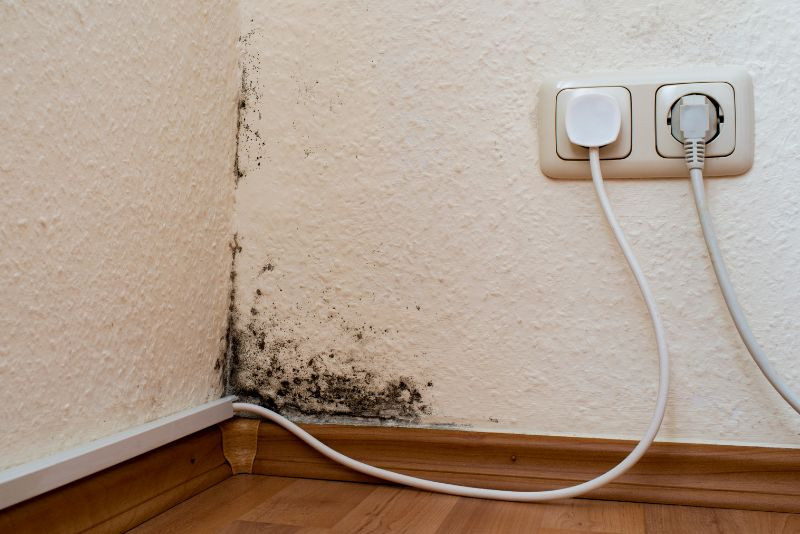
    Inadequate airflow is one of the most common reasons mould returns to Australian homes. When air becomes stagnant, moisture accumulates in enclosed spaces like bathrooms, laundries, and wardrobes. Without proper ventilation to carry this moisture away, it settles on surfaces and creates ideal conditions for mould spores to germinate.

    Modern homes built with energy efficiency in mind often trap moisture inside due to improved sealing. Bathrooms without exhaust fans, kitchens lacking range hoods, and bedrooms with closed windows all contribute to moisture buildup. Even homes with ventilation systems may experience problems if these systems aren’t maintained or run frequently enough to manage humidity levels effectively.

    Hidden Water Leaks and Moisture Sources in Your Home

    Mould frequently returns because homeowners treat the visible growth without discovering the hidden water source feeding it. Leaking pipes behind walls, slow drips under sinks, and compromised roof flashing introduce continuous moisture into your home’s structure. These concealed leaks often go undetected for months, creating damp conditions within wall cavities and ceiling spaces where mould colonies establish themselves.

    Other moisture sources include rising damp, condensation on cold water pipes, and water penetration through cracked external render or damaged window seals. In older Australian homes, deteriorating plumbing and outdated waterproofing commonly cause recurring mould issues. Until these underlying moisture problems are identified and properly repaired, surface mould treatment remains a temporary fix.

    mould removal

    How Australian Climate and Humidity Levels Fuel Mould Problems

    Australia’s diverse climate zones present unique challenges for mould prevention. Coastal areas from Newcastle to the Gold Coast experience high humidity levels year-round, creating environments where mould thrives naturally. During summer, humidity combined with heat accelerates mould growth, while winter brings condensation issues as warm indoor air meets cold surfaces.

    Subtropical and tropical regions face the most persistent mould challenges, with humidity regularly exceeding 60%, where mould growth accelerates significantly. Heavy rainfall periods saturate building materials, and without adequate drying time between weather events, moisture accumulates progressively. Homes near water or in valley locations often experience elevated ambient humidity that contributes to ongoing mould problems.

    Inadequate Insulation and Condensation: A Dangerous Combination

    Poor insulation creates temperature differentials that lead to condensation, a major contributor to recurring mould growth. When warm, moisture-laden air contacts cold surfaces like uninsulated walls or windows, water droplets form. This condensation provides the consistent moisture that mould needs to spread.

    Single-glazed windows are notorious condensation points in Australian homes, particularly during winter mornings. Similarly, inadequately insulated exterior walls in air-conditioned rooms become cold surfaces where indoor humidity condenses. Roof spaces without proper insulation and ventilation can trap moisture, leading to mould growth on ceiling timbers. These structural issues create ongoing problems that surface cleaning cannot resolve.

    When to Call Professional Mould Remediation Services: Warning Signs You Shouldn’t Ignore

    If mould returns within weeks of cleaning, covers areas larger than one square meter, or appears in multiple locations, professional assessment becomes essential. Persistent musty odours even after visible mould removal indicate hidden growth within building structures requiring specialised detection and treatment.

    Health symptoms, including respiratory issues, persistent coughing, or allergic reactions that worsen at home, signal potentially serious mould contamination. Mould appearing after flooding, affecting porous materials like drywall, or showing black discolouration, suggesting toxic species, should never be treated as DIY projects. Mould Removal Newcastle Experts use moisture meters, thermal imaging, and air quality testing to identify hidden problems and implement comprehensive solutions addressing root causes rather than surface symptoms.

    mould removal experts newcastle

    Take Control of Your Mould Problem Today

    Recurring mould growth doesn’t resolve itself, and continued exposure poses risks to both your property and wellbeing. Understanding the root causes is essential, but eliminating persistent mould problems requires professional expertise and specialised equipment.

    Don’t let recurring mould compromise your home’s integrity and your family’s health. Contact Mould Removal Newcastle Experts today for a thorough inspection and customised remediation plan that addresses the underlying causes of your mould issues, not just the visible symptoms.
    Contact Information:

    Mould Removal Newcastle Experts

    127 Rae Cres
    Kotara, NSW 2289
    Australia

    Elliot Adda
    +61 2 4072 2397
    https://newcastlemouldremoval.com.au/

    Twitter Facebook Pinterest YouTube LinkedIn

  • Garage Door Styles That Suit Australian Architecture

    Matching Your Garage Door to Your Home’s Architectural Style

    Northmead, Australia – February 10, 2026 / Platinum Garage Doors Sydney /

    Your garage door takes up a significant portion of your home’s street-facing exterior. Get it wrong, and it can clash with your entire property’s aesthetic. Get it right, and it enhances your curb appeal while adding genuine value to your home.

    Australian homes showcase diverse architectural styles, from classic brick-and-tile designs to ultra-modern builds and heritage properties. Each style deserves a garage door that complements rather than contradicts its character. The good news? Today’s garage door options offer something for every Australian home, regardless of age, style, or location.

    This guide walks you through the best garage door styles for different Australian architectural types, helping you choose an option that looks right and performs well in our unique climate conditions.

    garage doors Sydney

    Classic Roller Doors for Traditional Aussie Homes

    Roller doors remain the most popular choice for traditional Australian homes built between the 1970s and early 2000s. These practical doors roll up into a compact box above the garage opening, saving ceiling space and providing reliable everyday operation.

    For brick veneer homes and standard suburban properties, Colorbond roller doors work exceptionally well. They’re available in colours that match common Australian roof tiles and brick tones, creating a cohesive look across your home’s exterior. The ribbed profile of roller doors suits the straightforward, functional aesthetic of traditional Aussie architecture.

    Roller doors handle our harsh sun exceptionally well, resisting fading and warping better than many alternatives. They’re also budget-friendly, making them ideal for homeowners who want a clean, appropriate look without premium pricing.

    Sleek Panel Lift Doors for Modern Contemporary Design

    Contemporary Australian homes with clean lines, mixed materials, and minimalist aesthetics demand garage doors that match their sophisticated appearance. Panel lift doors deliver exactly that.

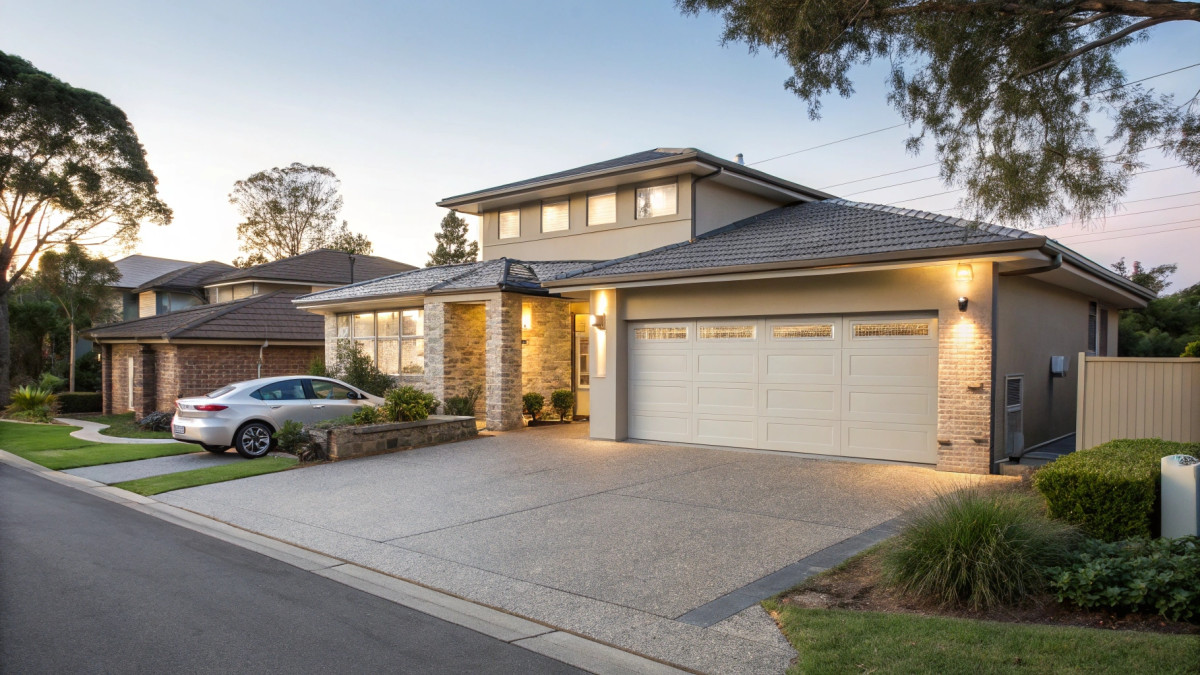
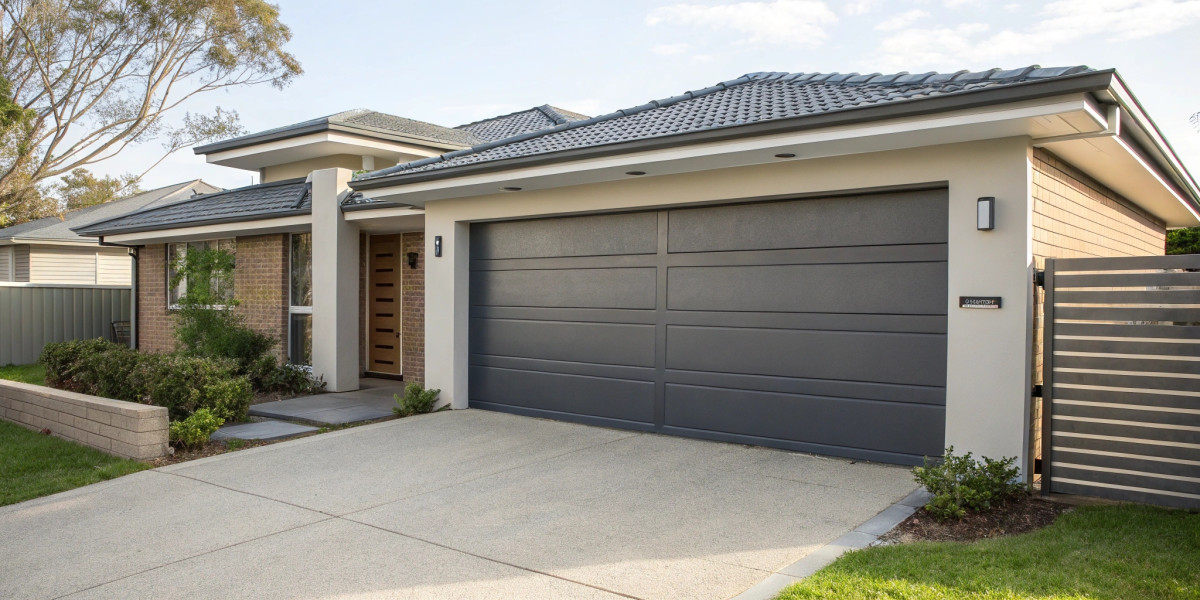
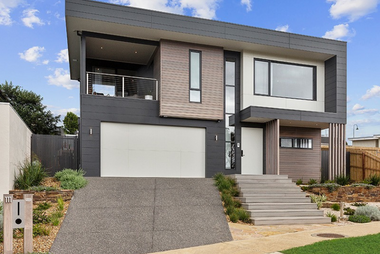
    These doors feature smooth, flush panels that create an uninterrupted surface when closed. Available in crisp whites, charcoals, and custom colours, panel lift doors complement rendered facades, dark window frames, and architectural concrete features common in modern builds.

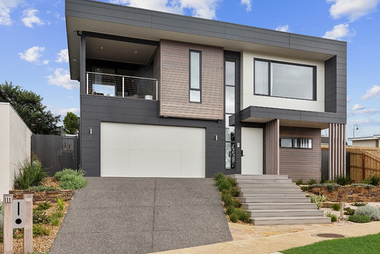
    The horizontal panel lines add subtle visual interest without overwhelming contemporary design elements. Many panel lift doors now come with concealed hardware and seamless integration with smart home systems. For two-storey modern homes, panel lift doors in darker tones create grounding at ground level, balancing lighter upper-storey materials beautifully.

    aluminium garage door

    Sectional Overhead Doors for Heritage and Federation Styles

    Heritage homes and Federation-style properties require garage doors that respect their period character. Sectional overhead doors offer the versatility needed for these distinctive Australian homes.

    These doors consist of horizontal panels that curve overhead when opening. What makes them perfect for heritage properties is the range of panel profiles and decorative options available. Raised panel designs with decorative hardware can echo the detailed woodwork found in Federation homes.

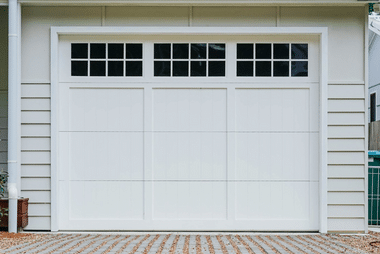
    Window inserts at the top panels allow natural light while maintaining the door’s period-appropriate appearance. Platinum Garage Doors Sydney offers sectional doors in timber-look finishes that complement the warm tones and natural materials typical of heritage architecture. For homes in heritage-listed areas, sectional doors can be customised to meet council requirements while providing modern insulation and security features.

    Timber-Look Doors for Queenslander and Character Homes

    Queenslander homes and other character properties feature elevated designs, decorative timber elements, and wide verandahs. Authentic timber garage doors would be ideal, but Australia’s climate makes solid timber impractical for many homeowners.

    Modern timber-look garage doors solve this problem beautifully. These doors use durable materials like Colorbond or aluminium with realistic timber-grain finishes that capture the warmth of natural wood without the maintenance headaches.

    Cedar and spotted gum finishes particularly suit Queenslander homes, echoing the timber boards and handrails common in these elevated designs. The horizontal planking style creates a visual rhythm that complements the linear elements of character architecture.

    These doors resist termites, won’t warp in humidity, and handle intense sun without cracking or fading like real timber. For character homes across Brisbane, the Sunshine Coast, and regional Queensland, they offer authenticity with practicality.

    Coastal-Ready Aluminium Doors for Beachside Properties

    Coastal Australian homes face unique challenges. Salt air corrodes standard materials, strong winds test structural integrity, and harsh UV exposure fades finishes prematurely. Beachside properties need garage doors built specifically for these conditions.

    Marine-grade aluminium sectional doors provide the solution. These doors feature corrosion-resistant coatings, reinforced frames for wind loading, and powder-coat finishes designed to withstand coastal environments.

    Aluminium doors suit the relaxed, contemporary aesthetic popular in coastal architecture. Frosted glass panel inserts allow diffused light into garages while maintaining privacy—perfect for beach homes where garages often double as storage for surfboards and outdoor equipment.

    Platinum Garage Doors Sydney recommends aluminium doors with stainless steel hardware for properties within five kilometres of the ocean. The investment pays off through extended lifespan and reduced maintenance compared to standard steel alternatives.

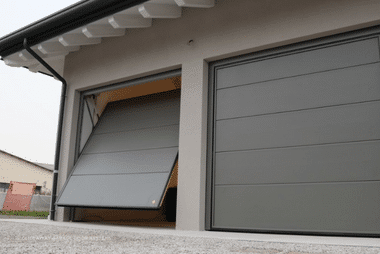
    grey roller door

    Ready to Find Your Perfect Garage Door?

    Choosing the right garage door style transforms your home’s appearance while ensuring reliable daily operation suited to Australian conditions. Whether you’re updating a heritage property in the Inner West, renovating a modern build in the Eastern Suburbs, or upgrading a coastal home in the Northern Beaches, the right garage door exists for your architectural style.

    Platinum Garage Doors Sydney specialises in matching garage doors to Australian home styles across the Sydney region. Their team understands local council requirements, climate considerations, and architectural trends. Contact Platinum Garage Doors Sydney today for expert advice and a free quote on garage doors designed for your home’s unique character.

    Contact Information:

    Platinum Garage Doors Sydney

    10 Amicitia Cct
    Northmead, NSW 2152
    Australia

    Kai Helman
    +61 483 909 931
    https://garagedoorsproswesternsydney.com.au/

    Twitter Facebook Instagram Pinterest YouTube LinkedIn

  • How to Protect Your Timber Deck from Termites and Rot

    Defending Your Deck: Prevention Tips for Termite and Rot Damage

    Wyoming, Australia – February 10, 2026 / Decking Central Coast /

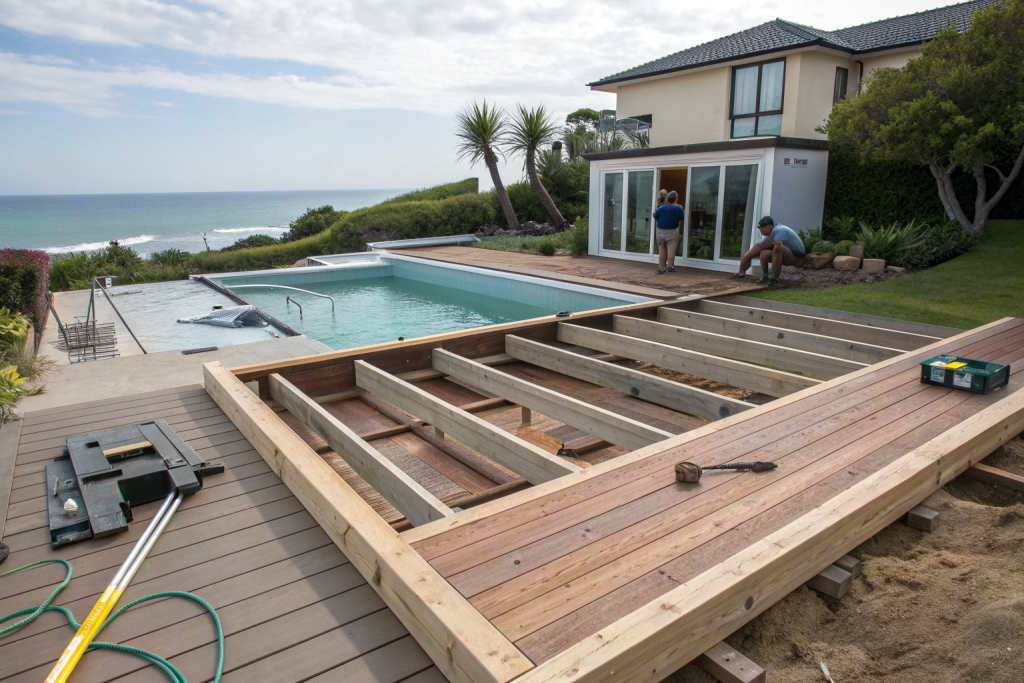
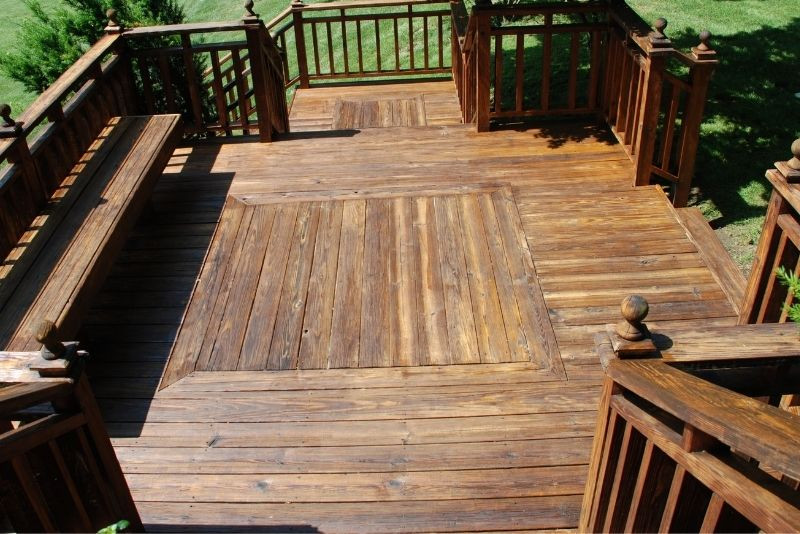
    A timber deck adds value and lifestyle appeal to any Australian home, but without proper protection, it can become a costly problem. Termites and rot are two of the biggest threats to timber decking, causing structural damage that often goes unnoticed until it’s too late. Understanding how to protect your deck from these issues will save you thousands in repairs and extend the life of your outdoor investment.

    warped timber deck

    Understanding Why Timber Decks Are Vulnerable to Termites and Rot

    Timber decks create an ideal environment for both termites and rot. They’re typically built close to the ground where moisture accumulates, and many decks have limited airflow underneath. This combination of moisture, warmth, and organic material attracts termites and creates perfect conditions for fungal decay.

    Termites are particularly drawn to timber that’s already been weakened by moisture exposure. Meanwhile, rot develops when timber remains damp for extended periods, breaking down the wood fibres and compromising structural integrity. Australian conditions make this problem worse, with high humidity, coastal salt exposure, and seasonal rainfall all contributing to moisture-related timber damage.

    sealing timber

    Essential Termite Prevention Strategies for Your Deck

    Installing termite shields or mesh during construction creates a protective barrier that termites cannot penetrate. Chemical soil treatments around deck footings provide another layer of protection, though these need reapplication every few years.

    Regular inspections are crucial for early detection. Check underneath your deck every six months, looking for mud tubes, hollow-sounding timber, or discarded termite wings. Pay special attention to areas where timber contacts soil or concrete.

    Maintain at least 400mm clearance between your deck and the ground for proper airflow and easier inspections. Remove any stored timber, mulch, or debris from under the deck, as these attract termites.

    Protecting Your Deck from Moisture Damage and Rot

    Proper drainage is essential. Water should flow away from your deck structure, not pool underneath or against posts. Adequate ventilation underneath allows moisture to evaporate rather than being trapped against timber surfaces.

    Apply quality water-repellent sealers or oils to all exposed timber surfaces. These products create a protective barrier against moisture penetration. Reapply every 12-18 months, depending on exposure and climate conditions.

    Ensure proper gaps between deck boards to allow water to drain through rather than pooling on the surface. Seal all cut ends immediately to prevent water uptake.

    Choosing Termite-Resistant Timber and Treatment Options

    Naturally termite-resistant hardwoods like ironbark, spotted gum, and blackbutt offer excellent protection without additional treatment. These dense Australian hardwoods contain natural oils that termites avoid.

    Treated pine provides good termite protection at a lower cost. Look for timber with H3 or H4 treatment ratings for above-ground exterior applications. Composite decking materials offer an alternative that resists both termites and rot better than untreated timber.

    Decking Central Coast can advise on the best material choices for Central Coast conditions, considering coastal exposure, bushfire ratings, and budget constraints.

    Regular Maintenance Schedule to Keep Your Deck Protected

    Create a maintenance schedule that includes quarterly visual inspections for signs of damage, moisture staining, or termite activity. Clean your deck twice yearly to remove debris and mould that traps moisture against timber.

    Reapply protective finishes every 12-18 months. Address any issues immediately by replacing damaged boards, repairing loose fixings, and sealing new cuts or drill holes. Keep detailed records of treatments and inspections to track patterns.

    timber decks Central Coast

    Protect Your Investment with Professional Help

    Protecting your timber deck requires the right materials, proper construction techniques, and consistent maintenance. Decking Central Coast specialises in building durable, protected decks that withstand Central Coast conditions. Contact Decking Central Coast today for a consultation and protect your outdoor investment for decades to come.

    Contact Information:

    Decking Central Coast

    3/8 Akora Road
    Wyoming, NSW 2250
    Australia

    Betty Greyson
    +61 2 4003 6404
    https://deckingcentralcoast.com.au/

    Twitter Facebook Instagram Pinterest YouTube LinkedIn

  • Pergola vs Verandah vs Patio: What’s the Difference and Which Should You Choose?

    Understanding Pergolas, Verandahs and Patios: Choosing the Best Outdoor Structure for Your Home

    Burleigh Heads, Australia – February 10, 2026 / Superior Pergolas Gold Coast /

    Planning an outdoor entertaining area, but confused about the terminology? You’re not alone. Pergolas, verandahs, and patios are often used interchangeably, but they’re actually quite different structures with unique benefits. Understanding these differences will help you choose the right option for your Gold Coast home and ensure you get exactly what you’re looking for.

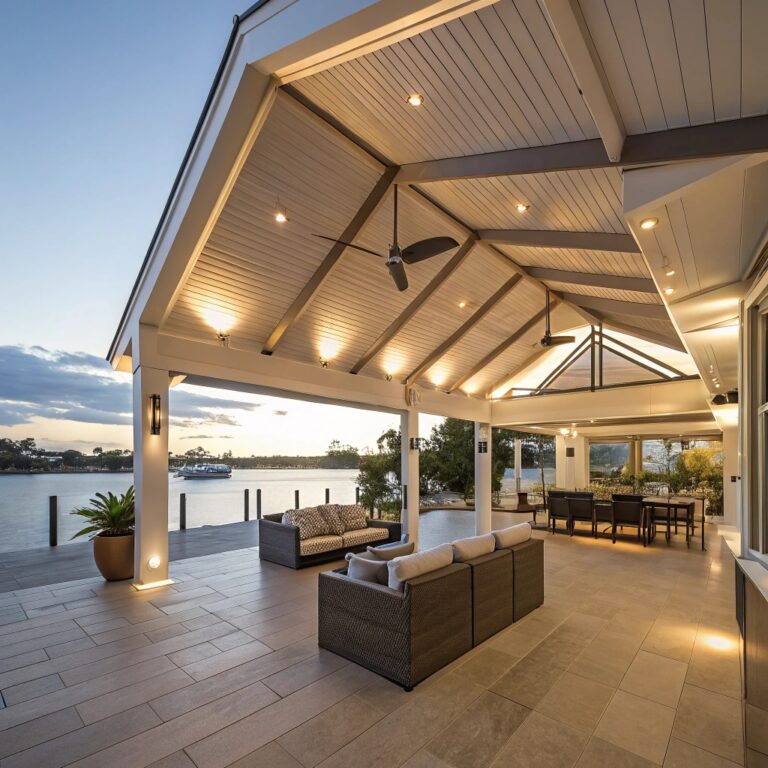
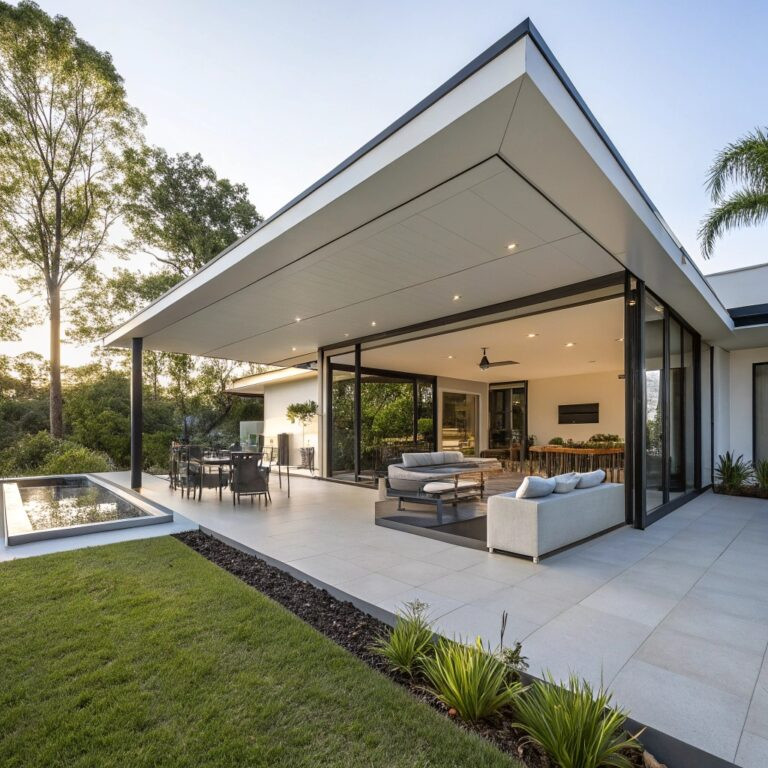
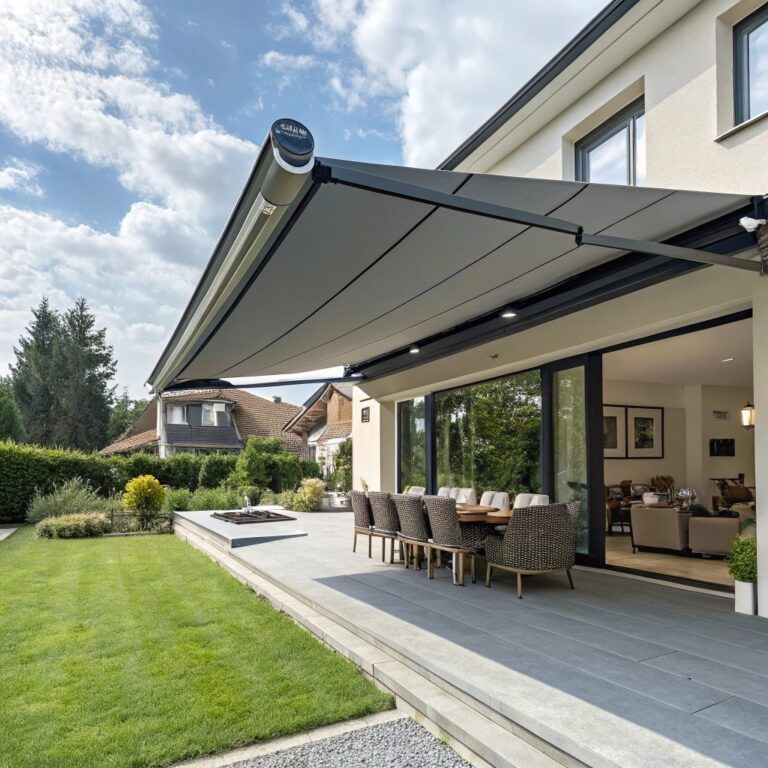
    patio

    What is a Pergola? Key Features and Benefits

    A pergola is an open outdoor structure featuring vertical posts that support cross-beams and an open lattice roof. Unlike fully covered structures, pergolas allow filtered sunlight through while providing partial shade. They create defined outdoor rooms without completely blocking the sky.

    The open roof design is the defining feature of a traditional pergola. This allows air to circulate freely, keeping the space cool even on warm Gold Coast days. Many homeowners add climbing plants like wisteria or jasmine to the frame, creating natural shade that increases over time.

    Pergolas work beautifully as freestanding garden features or attached to your home. They’re perfect for framing outdoor dining areas, creating shaded pathways, or defining spaces around pools. The structure adds architectural interest to your backyard while maintaining an open, airy feel.

    Modern pergolas often include optional roofing like polycarbonate panels or louvred systems. These additions provide more weather protection while keeping the pergola’s characteristic style. This flexibility makes pergolas adaptable to different entertainment needs and climate conditions.

    patios Gold coast

    What is a Verandah? Structure and Typical Uses

    A verandah is a roofed platform that runs along the outside of a house, typically at ground level. It features a solid roof that extends from the main roofline and is supported by posts or columns. Verandahs are always attached to the home and usually wrap around one or more sides of the building.

    The key characteristic of a verandah is its complete overhead coverage. The solid roof provides full protection from the sun and rain, making it usable in almost any weather. This makes verandahs ideal for homes in areas with frequent afternoon storms or intense summer heat.

    Traditional Queenslander homes showcase classic verandah design. These wide, covered platforms serve as transition spaces between indoors and outdoors. They’re perfect for relaxing with a morning coffee, setting up outdoor furniture, or enjoying the breeze while staying completely sheltered.

    Verandahs typically match your home’s existing roofline and materials, creating a cohesive architectural look. This integration makes them feel like a natural extension of your living space rather than a separate structure.

    What is a Patio? Understanding Covered Outdoor Areas

    A patio is a paved outdoor area designed for dining and recreation. The term originally referred to any paved space, but in Australian building terminology, “patio” commonly describes a solid-roofed structure attached to your home.

    Patios feature complete roof coverage, similar to verandahs, but are specifically designed as entertainment spaces. They’re usually located at the rear of homes and open directly from living areas through sliding doors or French doors. This creates seamless indoor-outdoor flow.

    The solid roof on a patio provides full weather protection. You can use the space year-round regardless of rain or harsh sunlight. This makes patios excellent choices for families who want a reliable outdoor entertainment area.

    Patio roofing options include Colorbond steel, insulated panels, or flat roof designs. Many Gold Coast homeowners choose insulated roofing to reduce heat transfer and keep the space comfortable during summer. Some patios also include ceiling fans, lighting, and even outdoor kitchens.

    Pergola vs Verandah vs Patio: Side-by-Side Comparison

    The main difference between these structures comes down to roof coverage. Pergolas have open or partially covered roofs, while verandahs and patios feature solid roofing. This affects how much weather protection you get and how the space feels.

    Location is another key distinction. Verandahs run along the exterior of your home and often wrap around corners. Patios are specifically entertainment areas at the rear of the house. Pergolas can be attached to your home or freestanding anywhere in your yard.

    Cost varies significantly between options. Pergolas are generally the most affordable due to their simpler structure and open roof design. Patios and verandahs require more materials and structural support for solid roofing, increasing the investment.

    Council approval requirements differ, too. Simple pergolas may not need approval in some circumstances, while patios and verandahs with solid roofs typically require development applications. Always check with your local Gold Coast council before starting any project.

    Which Option is Right for Your Home? Factors to Consider

    Your choice depends on how you plan to use the space. If you want full weather protection for year-round entertaining, a patio offers the most versatility. For homes that need shade without blocking breezes, a pergola works beautifully. Verandahs suit traditional home styles and provide elegant covered walkways.

    Consider your property’s architecture and existing features. Patios complement modern homes with open-plan living areas. Verandahs enhance character homes and period properties. Pergolas work with virtually any style and can be customised to match your home’s aesthetic.

    Budget plays an important role in your decision. Pergolas offer excellent value for creating defined outdoor spaces. If you’re willing to invest more for complete weather protection, patios and verandahs provide long-term benefits and potentially higher property value.

    pergola joinery

    Ready to Create Your Perfect Outdoor Space?

    Superior Pergolas Gold Coast specialises in designing and building quality outdoor structures tailored to Gold Coast homes. Their experienced team can help you choose between pergolas, patios, and verandahs based on your lifestyle, budget, and property requirements. Contact them today for a free consultation and quote to transform your outdoor living area.

    Contact Information:

    Superior Pergolas Gold Coast

    12 Bee Ct
    Burleigh Heads, QLD 4220
    Australia

    Anna Michaels
    +61 7 5638 1222
    https://pergolasgoldcoast.com/

    Twitter Facebook Instagram Pinterest YouTube LinkedIn

  • Is Your Concrete Suitable for Polishing? 5 Key Factors to Consider

    Can Your Concrete Floor Be Polished? Essential Assessment Criteria

    Narara, Australia – February 10, 2026 / Concrete Polishing Central Coast /

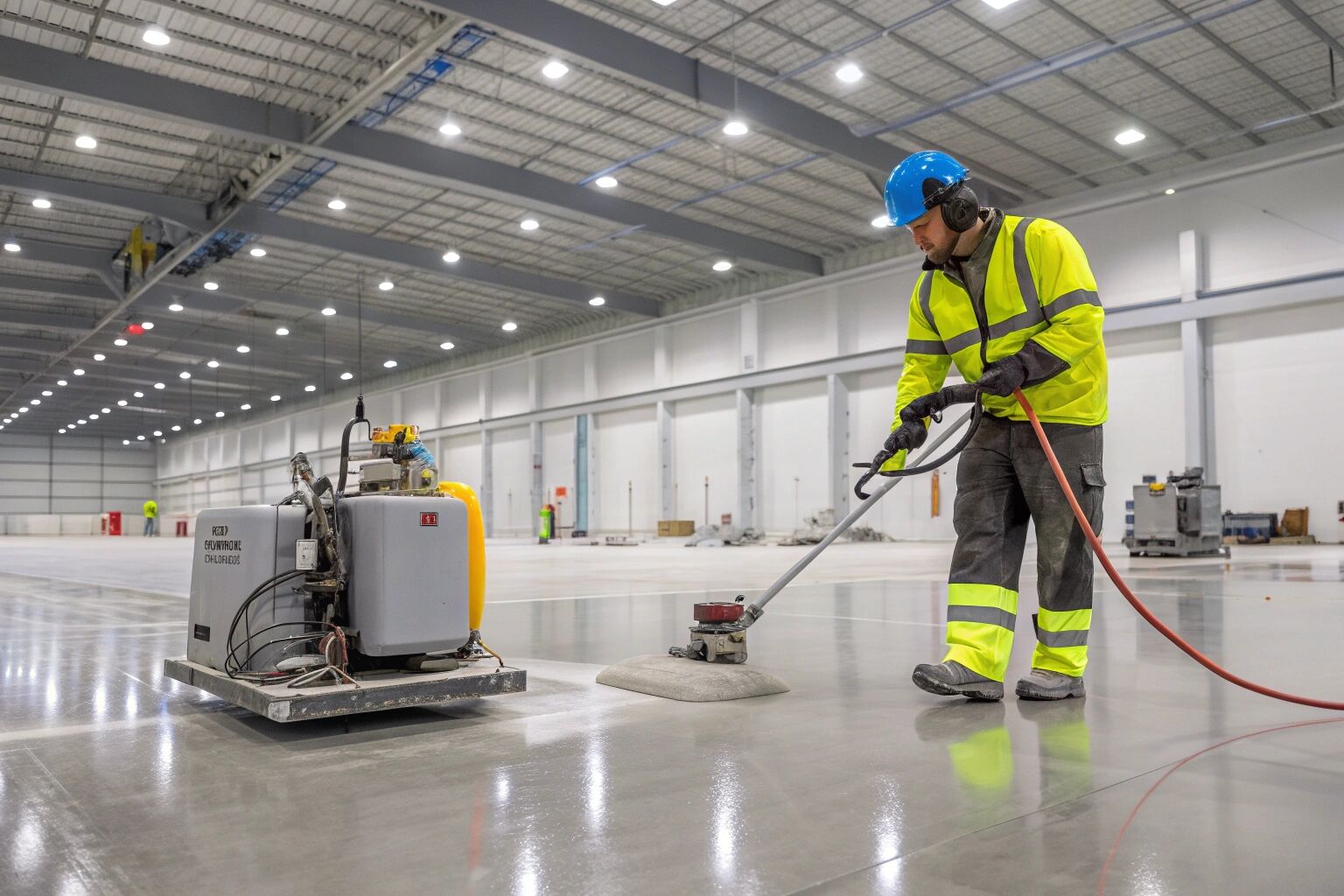
    Not all concrete floors are created equal, and not every slab is suitable for polishing. While polished concrete offers exceptional durability, low maintenance and a sleek modern finish, the success of the process depends heavily on the condition and characteristics of the existing concrete. Homeowners and business owners across the Central Coast often wonder whether their concrete can be transformed into a beautiful polished surface or if they’ll need to explore alternative flooring options.

    Understanding the key factors that determine concrete suitability can save time, money and disappointment down the track. This guide explores these critical considerations to help property owners make informed decisions about whether their concrete is ready for polishing.

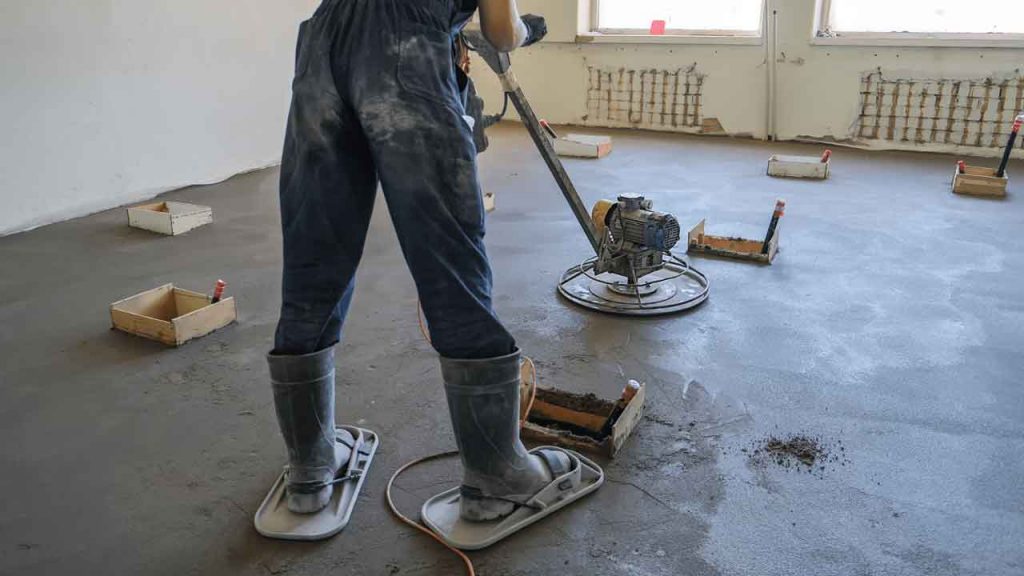
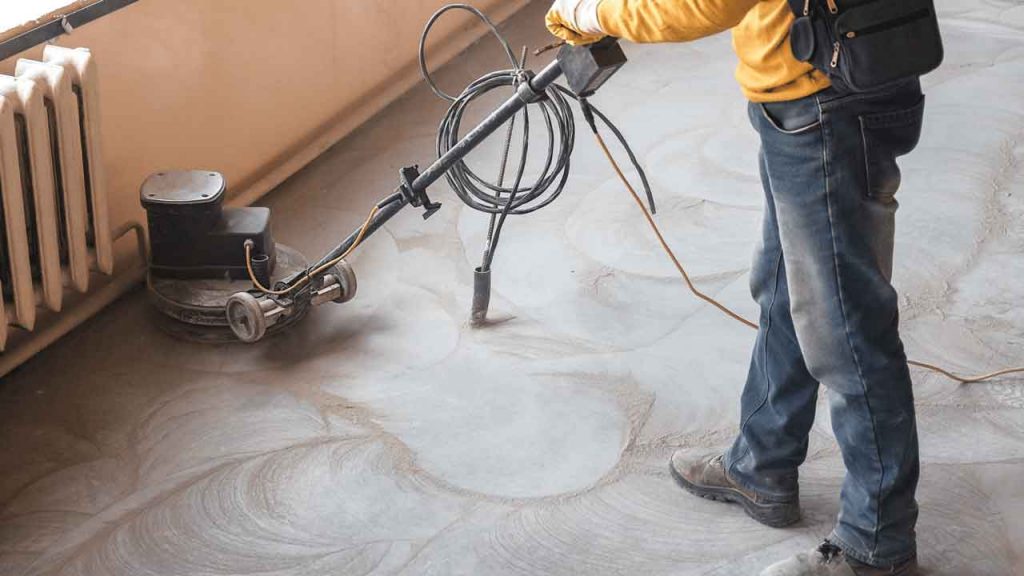
    concrete floor

    Concrete Slab Thickness and Structural Integrity

    The thickness of a concrete slab plays a crucial role in determining whether it can withstand the grinding and polishing process. Most residential and commercial slabs need to be at least 100mm thick to be suitable for polishing. Thinner slabs may not have enough material to allow for proper grinding without compromising structural integrity or exposing reinforcement mesh.

    During the polishing process, contractors remove the top layer of concrete to expose fresh material and create a smooth, level surface. If the slab is too thin, this grinding can weaken the floor or create uneven spots. Additionally, thin slabs are more prone to cracking under the pressure of heavy grinding equipment.

    Structural integrity also matters. Slabs with significant cracking, spalling or damage may require repair work before polishing can proceed. While minor cracks can often be filled, extensive structural issues may make polishing impractical or cost-prohibitive.

    Aggregate Type and Exposure Potential

    The type of aggregate used in the concrete mix significantly impacts the final polished appearance. When the top layer is ground away during concrete polishing, these aggregates become exposed, creating the distinctive speckled or terrazzo-like appearance many people associate with polished concrete.

    Different aggregate types produce different aesthetic results. Natural river stones, crushed granite, limestone and recycled materials all create unique patterns and colour variations. Some aggregates polish beautifully to create stunning visual effects, while others may be too soft or poorly distributed to achieve a high-quality finish.

    The depth of aggregate within the slab also matters. If aggregates are concentrated too deep below the surface, contractors may need to grind extensively to expose them, which isn’t always feasible. Uneven aggregate distribution can result in inconsistent colouring and texture across different areas.

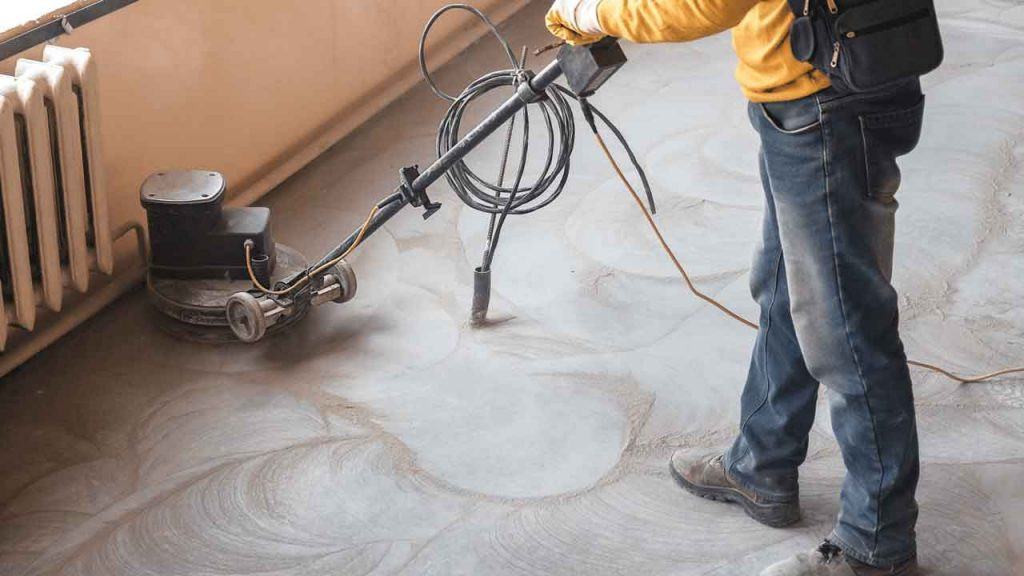
    polished concrete

    Existing Coatings, Sealers and Surface Treatments

    One of the most common obstacles to concrete polishing is the presence of existing coatings, sealers, adhesives or paint on the surface. These materials must be completely removed before polishing can begin, as they prevent proper bonding of densifiers and polishing compounds used during the process.

    Epoxy coatings, carpet adhesive residue, tile glue and old paint create significant challenges. The removal process may require shot blasting, grinding or chemical strippers, all of which add time and cost to the project.

    Some older concrete floors on the Central Coast may have been sealed with products that have penetrated deeply into the slab. These penetrating sealers can affect how the concrete responds to polishing and may limit the achievable gloss level. In extreme cases, heavily contaminated concrete may not be suitable for polishing at all.

    Concrete Age, Curing and Overall Condition

    The age and curing history of concrete significantly influence its polishability. Newly poured concrete typically needs to cure for at least 28 days before polishing can commence. Attempting to polish concrete that hasn’t fully cured can result in surface defects, weak bonding and premature wear.

    Older concrete, provided it has cured properly and remains in good condition, often polishes beautifully. However, concrete exposed to harsh chemicals, oil contamination or extreme weather conditions may have surface degradation that affects the outcome.

    The overall condition encompasses factors like surface levelness, the presence of control joints, and any previous repair work. Uneven floors may require extensive grinding to level, while poorly executed repairs can create visible patches in the finished floor.

    Moisture Levels and Subfloor Preparation

    Moisture is one of the most critical factors affecting concrete polishing suitability. Excessive moisture within the slab or rising from the subgrade can cause serious problems during and after the polishing process. High moisture levels can prevent proper bonding of densifiers and sealers, lead to efflorescence, and cause long-term durability issues.

    Professional contractors typically conduct moisture tests before beginning work, particularly for ground-level slabs where moisture intrusion from below is more common. The Central Coast’s coastal climate can contribute to elevated moisture levels in concrete, making proper assessment even more important.

    Poor subfloor preparation, inadequate drainage or missing vapour barriers can all contribute to ongoing moisture problems. In some cases, moisture mitigation systems may need to be installed before polishing can proceed.

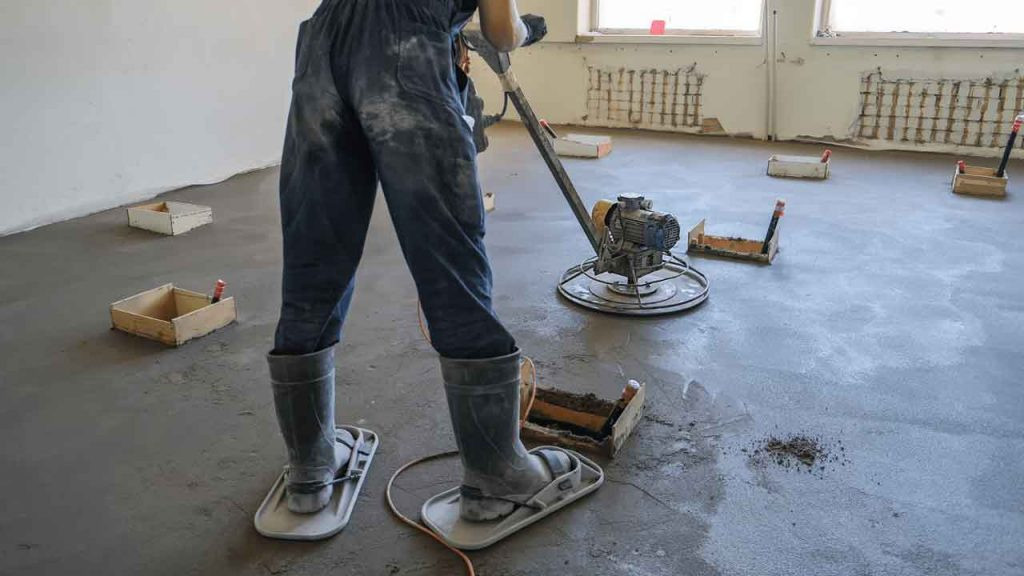
    concrete surface preparation

    Get Expert Assessment from Concrete Polishing Central Coast

    Determining whether concrete is suitable for polishing requires professional evaluation and experience. While this guide outlines the key factors to consider, every slab is unique and may present unexpected challenges or opportunities.

    Concrete Polishing Central Coast offers comprehensive concrete assessment services throughout the region. Their experienced team can evaluate slab thickness, aggregate quality, existing conditions and moisture levels to provide honest recommendations about the best flooring solutions for each property.

    Contact Concrete Polishing Central Coast today for a detailed assessment and quote. Transform tired concrete into a stunning polished floor that will last for decades.

    Contact Information:

    Concrete Polishing Central Coast

    56 Narara Valley Dr
    Narara, NSW 2250
    Australia

    Grace Morris
    +61 2 9064 2829
    https://polishedconcretecentral.com/

    Twitter Facebook Instagram Pinterest YouTube LinkedIn

  • Can All Concrete Be Polished? What You Need to Know Before Starting

    Is Your Concrete Suitable for Polishing? Essential Factors to Consider First

    Willoughby East, Australia – February 10, 2026 / Polished Concrete Sydney Pro /

    Not all concrete surfaces are suitable for polishing, and understanding whether a floor can be successfully polished saves time, money, and disappointment. While polished concrete has become increasingly popular across Australian homes and businesses, the reality is that certain concrete types and conditions simply won’t deliver the stunning results property owners expect. Before investing in concrete polishing, it’s essential to understand what makes a surface suitable for this transformative flooring solution.

    conrete surface for polishing

    Understanding Concrete Polishability: The Basic Requirements

    For concrete to be successfully polished, it needs sufficient hardness and density to withstand the grinding and polishing process. The concrete must be at least 28 days old to ensure complete curing, as newer concrete hasn’t developed the structural integrity needed for polishing. The surface should have minimal overlays, coatings, or sealers that can interfere with the grinding process. Additionally, the concrete needs adequate thickness—typically at least 50mm—to allow for the removal of surface material during grinding without compromising structural integrity.

    The aggregate within the concrete also plays a crucial role. Dense, hard aggregates like quartz or granite produce better results than softer materials. The concrete’s PSI (pounds per square inch) rating matters too, with harder concrete generally polishing more successfully than softer mixes. These fundamental requirements determine whether a concrete surface is a good candidate for polishing from the outset.

    Common Concrete Types That Can’t Be Polished (And Why)

    Certain concrete types present significant challenges or simply cannot be polished effectively. Overlaid concrete with thick toppings, epoxy coatings, or vinyl coverings often requires extensive preparation that may not be cost-effective. Concrete with asbestos-containing materials is strictly off-limits due to health and safety regulations, requiring specialised removal before any work can proceed.

    Extremely porous or weak concrete won’t hold up to the grinding process and may crumble or deteriorate during polishing. Concrete slabs with embedded heating systems require careful assessment, as the grinding process could damage these systems. Similarly, concrete with extensive fibre mesh or heavy reinforcement close to the surface creates problems during grinding, as metal exposure can damage equipment and compromise the finished appearance.

    Decorative stamped concrete typically cannot be polished without losing the stamped pattern, defeating the purpose of the original finish. Understanding these limitations helps property owners set realistic expectations about what can be achieved with their existing concrete.

    polished concrete driveway

    Age and Condition: How Your Concrete’s History Affects Polishing Results

    The age and history of concrete significantly impact polishing outcomes. Older concrete may have undergone settlement, developed micro-cracks, or experienced moisture damage that affects polishability. Concrete that has been exposed to chemicals, oils, or contaminants may have staining that penetrates too deeply to be removed through polishing alone.

    Previous repairs, patches, or levelling compounds often don’t match the surrounding concrete in hardness or colour, creating visible inconsistencies in the polished finish. Concrete that has been subjected to freeze-thaw cycles in colder climates may have surface scaling or spalling that prevents achieving a uniform polish.

    The original pour quality matters enormously. Poorly mixed concrete with segregated aggregate, insufficient compaction, or improper finishing creates an inconsistent surface that polishes unevenly. Concrete with a history of water damage, efflorescence, or rising damp may have compromised structural integrity that makes polishing impractical or impossible.

    Surface Defects and Damage: What Can Be Fixed vs What Can’t

    Some surface defects can be addressed during the concrete polishing process, while others cannot. Minor surface cracks, small divots, and slight unevenness can often be ground away during the initial stages of polishing. Shallow staining may be removed as layers of concrete are ground down, revealing fresh material beneath.

    However, deep cracks, significant spalling, or large areas of missing concrete cannot be fixed through polishing alone. These require repair work before polishing can proceed, and repaired areas may still show colour variations in the finished product. Severe scaling, honeycombing, or extensive aggregate pop-outs indicate fundamental concrete quality issues that polishing cannot remedy.

    Oil stains that have penetrated deeply into the concrete may remain visible even after aggressive grinding. Uneven settlement that has created significant level changes across a floor cannot be corrected through polishing without removing excessive amounts of concrete, which may compromise the slab’s integrity.

    Getting a Professional Assessment: What Concrete Polishers Look For

    Professional concrete polishers conduct thorough assessments before committing to a project. They examine concrete hardness using specialised testing equipment, assess the depth and quality of the concrete slab, and identify any existing coatings or sealers that need removal. Professionals look for structural issues like significant cracking, settlement, or reinforcement placement that could complicate polishing.

    Experienced contractors evaluate the aggregate type and distribution, check for moisture issues that could cause ongoing problems, and assess whether any repairs or preparation work is necessary. They provide honest evaluations about expected outcomes, including any colour variations, aggregate exposure levels, or imperfections that will remain visible after polishing.

    concrete polishing sydney

    Ready to Transform Your Concrete Floors?

    Polished Concrete Sydney Pro provides comprehensive concrete assessments to determine whether your floors are suitable for polishing. With extensive experience across Sydney’s residential and commercial properties, the team delivers honest evaluations and expert guidance on achieving the best possible results. Contact Polished Concrete Sydney Pro today for a professional assessment and discover how polished concrete can transform your space.

    Contact Information:

    Polished Concrete Sydney Pro

    36 First Ave
    Willoughby East, NSW 2068
    Australia

    Elton Gandia
    +61 2 9064 2828
    https://sydneypolishedconcrete.com/

    Twitter Facebook Instagram Pinterest YouTube LinkedIn

  • Concrete Cracking: Normal Settlement vs Structural Concerns

    Understanding Concrete Cracks: How to Tell Minor Issues from Major Problems

    Maryborough, Australia – February 10, 2026 / TrueForm Concreting Maryborough /

    Discovering cracks in your concrete can be alarming, but not all cracks signal a serious problem. Some cracking is a normal part of concrete’s natural settling process, while other cracks indicate structural issues that require immediate attention. Understanding the difference can save you money and stress, and help you make informed decisions about your property. This guide breaks down what you need to know about concrete cracking, when to worry, and when to seek professional help.

    concrete base structure

    What Causes Concrete to Crack? Understanding the Basics

    Concrete is a durable material, but it’s not immune to cracking. Several factors contribute to crack formation, and most are completely natural. As concrete cures, it undergoes a chemical process that can cause slight shrinkage. Temperature changes make concrete expand and contract, creating stress points. The ground beneath your concrete also moves due to moisture levels, soil composition, and natural settling.

    Other common causes include improper installation, inadequate curing time, or missing control joints. Heavy loads beyond the concrete’s design capacity can also lead to cracking. Understanding these causes helps you determine whether a crack is part of normal wear or something more serious.

    concrete path surface

    Normal Settlement Cracks: What They Look Like and Why They Happen

    Settlement cracks are usually thin, often less than 3mm wide, and appear relatively straight or slightly irregular. These hairline cracks typically form within the first year after installation as the concrete adjusts to its environment. You’ll commonly find them running through the surface without significant depth.

    These cracks occur because concrete can’t stretch like rubber. As it settles and adjusts to temperature fluctuations and minor ground movement, small cracks develop to relieve tension. Control joints are deliberately placed in concrete to encourage cracking in specific locations, making it more manageable and less noticeable. If cracks form along these control joints or appear as fine surface lines, they’re generally not cause for concern.

    Warning Signs of Structural Cracks That Need Professional Attention

    Structural cracks are different. These cracks are typically wider than 5mm and may grow over time. If you notice cracks that are uneven on either side, with one section higher than the other, this indicates serious movement. Horizontal cracks, especially in walls or foundations, are more concerning than vertical ones.

    Watch for cracks that branch out in multiple directions, forming patterns that look like spider webs or map lines. If water pools near cracks or you see moisture seeping through, the problem may extend beyond the surface. Cracks that appear suddenly or seem to expand rapidly within weeks require immediate assessment. Any cracking accompanied by doors or windows that won’t close properly suggests foundation movement that needs professional evaluation.

    How to Measure and Monitor Cracks in Your Concrete

    Monitoring cracks helps you determine if they’re stable or worsening. Start by measuring the crack’s width at its widest point using a ruler or crack gauge. Take clear photos with a coin or ruler in the frame for scale reference. Mark the crack’s endpoints with a pencil and date your measurements.

    Check your cracks every few months, looking for changes in width, length, or depth. Keep a simple log with dates and measurements. If a crack grows more than 1-2mm over several months, it’s actively moving. Note any seasonal patterns, as some minor movement with weather changes is normal. This documentation becomes invaluable when consulting with professionals, giving them a clear picture of how the crack has developed over time.

    When to Call a Concrete Professional: Making the Right Decision

    Some situations warrant immediate professional assessment. If cracks appear suddenly after heavy rain, flooding, or ground disturbance, contact a concrete specialist promptly. Wide cracks exceeding 5mm, especially those that continue growing, need expert evaluation. Any cracking that affects your home’s structural elements or foundation requires professional inspection.

    Don’t wait if you notice multiple cracks appearing simultaneously or if existing cracks branch out into new patterns. Water damage, uneven settling, or cracks accompanied by other structural changes like sticking doors all indicate it’s time to call in experts. Even if you’re unsure whether a crack is serious, a professional assessment provides peace of mind and prevents small issues from becoming expensive repairs.

    concrete driveway

    Ready to Address Your Concrete Concerns?

    Whether you’re dealing with minor settlement cracks or suspect something more serious, TrueForm Concreting Maryborough provides expert concrete assessment and repair services throughout the region. Their experienced team can evaluate your concrete, explain what’s happening, and recommend the most cost-effective solutions. Don’t let concrete cracks keep you worried. Contact TrueForm Concreting Maryborough today for a professional inspection and honest advice about your concrete’s condition. Early intervention often means simpler, more affordable repairs.

    Contact Information:

    TrueForm Concreting Maryborough

    88 Richmond St
    Maryborough, QLD 4650
    Australia

    Danishka Rose
    +61 7 4120 7422
    https://concretingmaryborough.com.au/
    Twitter Facebook Instagram Pinterest YouTube LinkedIn

  • Insulated vs. Non-Insulated Garage Doors: Is the Extra Cost Worth It?

    Garage Door Insulation: Understanding the True Value of Your Investment

    Wamberal, Australia – February 10, 2026 / Garage Doors Central Coast Pros /

    Choosing a new garage door is a bigger decision than most homeowners realise. Beyond picking a style and colour, there’s one question that can significantly impact your comfort, energy bills, and wallet: Should you go with an insulated or non-insulated garage door?

    The price difference between these two options can be substantial, leaving many people wondering if insulation is just a fancy add-on or a genuinely worthwhile investment. This guide will help you understand the key differences so you can make the right choice for your home.

    white sectiional door

    What’s the Real Difference Between Insulated and Non-Insulated Garage Doors?

    Let’s start with the basics. A non-insulated garage door is a single layer of material, typically steel or aluminium. It’s straightforward, functional, and gets the job done of opening and closing.

    An insulated garage door has multiple layers. Most commonly, it features two layers of steel with insulation material sandwiched in the middle. This insulation is usually made from polystyrene or polyurethane foam, which helps regulate temperature and adds structural strength to the door.

    The construction difference is simple, but the impact on your daily life can be significant, especially depending on your climate and how you use your garage space.

    grey garage door

    Energy Efficiency: How Much Can You Actually Save on Utility Bills?

    This is where insulated garage doors really shine. If your garage shares walls with your home or sits directly below a bedroom, an uninsulated door can be a major source of heat loss in winter and heat gain in summer. That means your heating and cooling systems have to work harder, driving up your energy bills.

    Insulated garage doors create a thermal barrier that keeps cold air out during winter and hot air out during summer. For homeowners in areas with extreme temperatures, this can translate to noticeable savings on monthly utility costs.

    How much you’ll actually save depends on several factors: your local climate, how often you use your garage, whether it’s attached to your home, and your current energy costs. While you might not see dramatic changes if you live in a mild climate, homeowners in regions with harsh winters or scorching summers often see the investment pay for itself over time.

    Durability and Noise Reduction: The Hidden Benefits of Insulation

    Energy efficiency gets most of the attention, but insulated garage doors offer other advantages that many people don’t consider until after installation.

    First, there’s durability. The extra layers in an insulated door make it sturdier and more resistant to dents and damage. If you have kids who play basketball in the driveway or you’re prone to the occasional parking mishap, that added strength can save you from costly repairs down the road.

    Second, noise reduction is a game-changer for many households. Non-insulated doors can be surprisingly loud when opening and closing, with metal panels rattling and vibrating. Insulated doors operate much more quietly because the foam dampens sound and reduces vibration. If your garage is attached to your home or located near bedrooms, this quieter operation can make a real difference in your daily comfort.

    The insulation also helps if you use your garage as a workspace, gym, or hobby area. It creates a more comfortable environment year-round, making the space actually usable rather than unbearably hot or cold.

    Breaking Down the Cost: Initial Investment vs. Long-Term Value

    Here’s the part that makes many homeowners hesitate: insulated garage doors typically cost more than non-insulated options. For a standard two-car garage door, that could mean an extra few hundred to over a thousand dollars upfront.

    However, looking only at the sticker price misses the bigger picture. Insulated doors offer better return on investment in several ways. They can reduce energy bills, potentially for decades. They’re more durable, meaning fewer repairs and a longer lifespan. And when it comes time to sell your home, an insulated garage door can boost curb appeal and overall home value.

    Garage door specialists often remind customers that the cheapest option isn’t always the most economical in the long run. It’s worth calculating the potential energy savings and factoring in the added durability before making a decision based solely on initial cost.

    Which Type Is Right for Your Home? Key Factors to Consider

    So, should you invest in an insulated garage door? Here are the key questions to ask yourself:

    Is your garage attached to your home? If yes, insulation is almost always worth it to protect your home’s energy efficiency.

    Do you use your garage for more than parking? If you have a workshop, home gym, or storage for temperature-sensitive items, insulation makes your garage far more functional.

    What’s your climate like? Extreme heat or cold makes insulation a smart investment. Mild, temperate climates reduce the benefits.

    What’s your budget? If money is tight, a non-insulated door might be the practical choice, but consider it a temporary solution if possible.

    simple roller garage door

    Ready to Upgrade Your Garage Door?

    Choosing between insulated and non-insulated garage doors doesn’t have to be complicated. By considering your climate, how you use your garage, and your long-term goals, you can make a confident decision that fits your needs and budget.

    If you’re still unsure which option is right for your home, Garage Doors Central Coast Pros can provide expert guidance tailored to your specific situation. Contact Garage Doors Central Coast Pros today for a free consultation and quote.

    Contact Information:

    Garage Doors Central Coast Pros

    84 Ocean View Dr
    Wamberal, NSW 2260
    Australia

    Jonny Nelson
    +61 2 4306 7980
    https://garagedoorscentralcoastpros.com.au/
    Twitter Facebook Instagram Pinterest YouTube LinkedIn

  • Is Epoxy Flooring Slippery? Safety Tips and Anti-Slip Solutions

    Epoxy Floor Safety Guide: Preventing Slips with Smart Solutions

    West Ipswich, Australia – February 10, 2026 / Crystal Epoxy Flooring Ipswich /

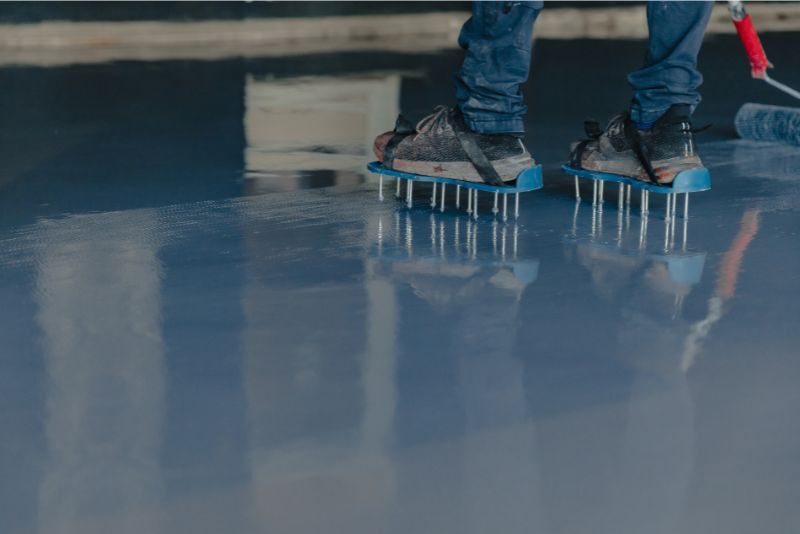
    Epoxy flooring has become a popular choice for garages, warehouses, retail spaces, and even homes across Ipswich. It looks great, lasts for years, and protects concrete from damage. But one question comes up time and time again: Is epoxy flooring slippery? The short answer is that it can be, but it doesn’t have to be. With the right finish, additives, and maintenance, epoxy floors can be just as safe as any other flooring option. This guide explores everything you need to know about epoxy flooring slip resistance and how to keep your floors safe for everyone who walks on them.

    epoxy floor ipswich

    Is Epoxy Flooring Actually Slippery?

    Standard epoxy flooring can be slippery, especially when it has a high-gloss finish. The smooth, shiny surface that makes epoxy look so attractive can also reduce traction, particularly when the floor is wet. However, this doesn’t mean epoxy flooring is always a slip hazard. The level of slip resistance depends on several factors, including the type of finish, any additives used during installation, and how well the floor is maintained. Many epoxy floors are designed with safety in mind and include features that provide excellent grip, even in wet conditions.

    What Makes Epoxy Floors Slippery? Understanding the Risk Factors

    Several factors can affect how slippery an epoxy floor becomes. The most common culprit is moisture. When water, oil, or other liquids spill on a smooth epoxy surface, they create a thin film that reduces friction between shoes and the floor. High-gloss finishes are particularly prone to this issue because they create an ultra-smooth surface with minimal texture. The type of footwear people use also plays a role. Smooth-soled shoes provide less grip than rubber-soled footwear, increasing the risk of slipping. Temperature can be another factor. In cold conditions, condensation may form on epoxy floors, making them more slippery. Understanding these risk factors helps property owners take the right precautions to prevent accidents.

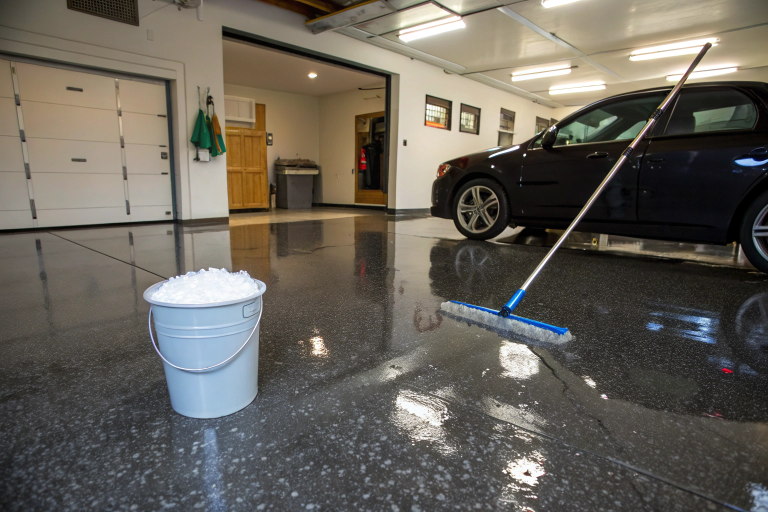
    epoxy flooring ipswich

    Anti-Slip Additives and Textures for Safer Epoxy Floors

    The good news is that modern epoxy flooring systems offer multiple solutions to prevent slipping. Anti-slip additives are one of the most effective options. These are small particles, such as aluminium oxide, silica sand, or rubber granules, that get mixed into the epoxy coating or sprinkled on top while it’s still wet. Once the epoxy cures, these particles create a textured surface that dramatically improves traction. The amount of additive used can be adjusted based on the level of slip resistance needed. For areas that get wet frequently, such as commercial kitchens or car wash bays, a higher concentration of anti-slip particles is recommended. Another option is to choose a matte or satin finish instead of high gloss. These finishes naturally provide more grip than glossy surfaces. Crystal Epoxy Flooring Ipswich helps clients select the right combination of finish and additives based on how the space will be used and the level of foot traffic it receives.

    Best Practices for Maintaining Safe Epoxy Flooring

    Even the best anti-slip epoxy floor needs proper maintenance to stay safe. Regular cleaning is essential. Dirt, dust, grease, and spills can all reduce traction and create slip hazards. Sweeping or vacuuming the floor daily removes loose debris, while mopping with a mild detergent keeps the surface clean without leaving residue. It’s important to clean up spills immediately, especially liquids like water, oil, or chemicals. Using the right cleaning products also matters. Harsh chemicals or overly slippery cleaners can leave a film that makes the floor more dangerous. Property owners should also inspect their epoxy floors regularly for signs of wear. Over time, high-traffic areas may become smoother as the anti-slip texture wears down. When this happens, applying a fresh topcoat with new anti-slip additives can restore the floor’s safety features.

    Choosing the Right Epoxy Finish for High-Traffic and Wet Areas

    Not all epoxy flooring is created equal, and selecting the right type for your specific needs is crucial for safety. For areas that stay dry most of the time, such as residential garages or retail showrooms, a standard epoxy finish with moderate anti-slip properties may be sufficient. However, spaces that experience frequent moisture exposure require special attention. Commercial kitchens, food processing facilities, car washes, and outdoor areas need epoxy systems specifically designed for wet conditions. These typically include higher concentrations of anti-slip additives and may use specialised topcoats that enhance grip even when water is present. Crystal Epoxy Flooring Ipswich works with property owners throughout the Ipswich area to assess their unique requirements and recommend flooring solutions that balance aesthetics, durability, and safety. The company takes into account factors such as the type of business, expected foot traffic, and potential exposure to liquids when designing each epoxy flooring system.

    epoxy ipswich

    Ready to Install Safe, Beautiful Epoxy Flooring in Ipswich?

    Safety doesn’t have to come at the expense of style. With the right epoxy flooring system, you can enjoy a stunning, durable floor that provides excellent slip resistance for years to come. Crystal Epoxy Flooring Ipswich specialises in creating custom epoxy solutions that meet the specific needs of homes and businesses across the region. Contact Crystal Epoxy Flooring Ipswich today for a free consultation and discover how professional epoxy installation can transform your space while keeping everyone safe.

    Contact Information:

    Crystal Epoxy Flooring Ipswich

    281 Brisbane St
    West Ipswich, QLD 4305
    Australia

    Jeff King
    +61 7 3132 2671
    https://ipswichfloorcovering.com/

    Twitter Facebook Instagram Pinterest YouTube LinkedIn

  • Industrial Warehouse Flooring: How Epoxy Handles Heavy Equipment

    Heavy-Duty Epoxy Solutions: Protecting Warehouse Floors from Daily Equipment Damage

    Tanawha, Australia – February 10, 2026 / Sunshine Coast Garage & Epoxy Floors /

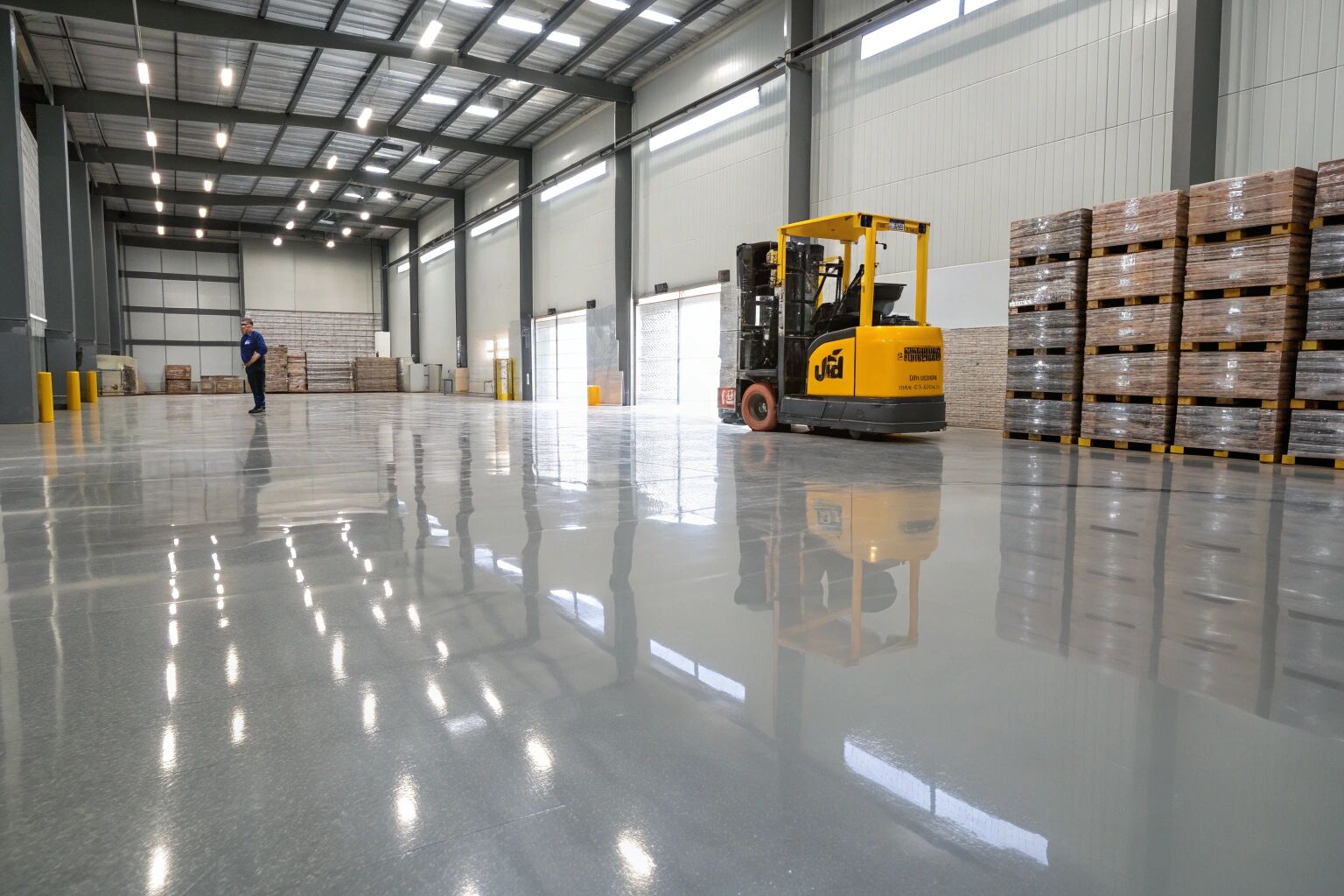
    Warehouse floors take a beating every single day. Forklifts, pallet jacks, heavy machinery, and constant traffic put enormous stress on flooring surfaces. For warehouse managers and business owners, choosing the right flooring isn’t just about aesthetics—it’s about safety, durability, and minimising costly downtime.

    Traditional concrete might seem tough, but it often can’t handle the demands of modern industrial operations. That’s where epoxy flooring comes in. This high-performance coating system is engineered to withstand the punishment that comes with heavy equipment and busy warehouse environments. Let’s explore why epoxy has become the go-to solution for industrial flooring across Australia.

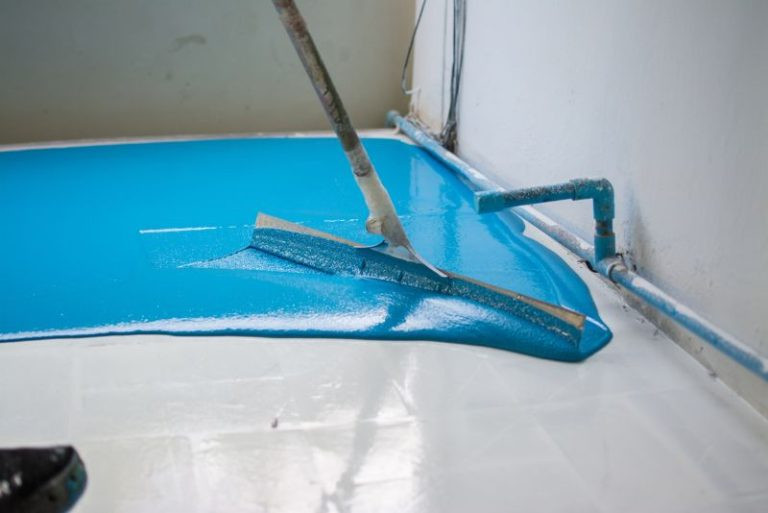
    epoxy floor services

    Why Traditional Concrete Floors Fail Under Heavy Machinery

    Bare concrete might look solid, but it’s actually quite porous and prone to damage. When heavy equipment rolls across unprotected concrete day after day, several problems quickly emerge.

    Concrete deteriorates under constant point loads from machinery wheels and supports. Small cracks appear first, then expand into larger fractures. Dust and debris work their way into these cracks, making them worse. Within months, what started as minor surface damage becomes a significant structural problem.

    The constant grinding and friction from equipment also cause concrete to dust and powder. This creates a mess that’s difficult to clean and poses health risks for workers. Forklift tyres and pallet jack wheels accelerate this deterioration, leaving visible tracks and divots across the floor surface.

    Water and chemical spills seep into unprotected concrete, weakening it from within. Oil leaks from machinery, cleaning solutions, and other industrial fluids penetrate the porous surface, causing staining and structural degradation that’s nearly impossible to reverse.

    industrial epoxy

    The Science Behind Epoxy’s Load-Bearing Capacity

    Epoxy flooring systems bond directly to concrete at a molecular level, creating a surface that’s significantly stronger than concrete alone. This isn’t just a coating sitting on top—it becomes part of the floor structure itself.

    Professional-grade industrial epoxy systems can achieve compressive strengths exceeding 10,000 PSI. This means the floor can support tremendous weight without cracking or failing. The seamless nature of epoxy also distributes loads more evenly across the surface, preventing the concentrated stress points that damage traditional concrete.

    Thickness matters too. Industrial epoxy applications typically range from 2mm to 6mm thick, depending on the expected load requirements. Sunshine Coast Garage & Epoxy Floors assesses each warehouse’s specific needs to determine the appropriate system thickness and formulation.

    The curing process is equally important. When properly installed, epoxy creates a chemical bond that’s virtually permanent. This resilient surface flexes slightly under load rather than cracking like rigid concrete, giving it superior longevity in high-traffic environments.

    Impact Resistance: How Epoxy Withstands Forklifts and Pallet Jacks

    Forklifts and pallet jacks create unique flooring challenges. Sharp turns, emergency stops, and dropped loads generate impacts that would quickly destroy unprotected concrete.

    Epoxy’s impact resistance comes from its slight flexibility. When something heavy drops onto the surface, epoxy absorbs and disperses the energy rather than fracturing. This doesn’t mean the coating is soft—it’s incredibly hard—but it has just enough give to handle sudden shocks.

    The steel wheels on pallet jacks and solid tyres on forklifts concentrate enormous weight into small contact areas. Epoxy stands up to this concentrated pressure without gouging or wearing down. Even after years of service, properly installed epoxy maintains its integrity where concrete would show significant wear patterns.

    Abrasion resistance is another critical factor. As equipment moves across the floor thousands of times daily, inferior surfaces wear away. Industrial epoxy formulations resist this constant friction, maintaining a smooth, level surface that actually helps equipment operate more efficiently.

    Chemical Spills and Heavy Traffic: Epoxy’s Dual Protection

    Warehouses deal with more than just heavy equipment—they also contend with various chemicals and fluids. Hydraulic oil, battery acid, cleaning chemicals, and fuel spills are common in industrial settings.

    Epoxy creates an impermeable barrier that prevents these substances from penetrating the floor. Spills sit on the surface where they can be quickly cleaned up rather than soaking into the concrete. This protection extends the floor’s lifespan dramatically while maintaining a cleaner, safer work environment.

    The seamless surface also eliminates joints and cracks where dirt, debris, and contaminants accumulate. This makes cleaning significantly easier and more effective. A simple sweep or mop keeps epoxy floors looking professional and functioning properly.

    Sunshine Coast Garage & Epoxy Floors uses chemical-resistant epoxy formulations specifically designed for industrial applications, ensuring maximum protection against whatever substances your warehouse operations involve.

    Long-Term Cost Savings: Reducing Warehouse Floor Maintenance and Downtime

    The initial investment in epoxy flooring pays dividends over time. While installation costs more than leaving concrete bare, the long-term savings are substantial.

    Epoxy floors require minimal maintenance compared to concrete. There’s no need for regular sealing, patching, or resurfacing. Cleaning costs drop because the smooth surface doesn’t trap dirt and can be maintained with standard equipment.

    Downtime for floor repairs disrupts operations and costs money. Epoxy’s durability means fewer repairs and less operational interruption. When properly maintained, industrial epoxy floors can last 20 years or more, even under demanding conditions.

    epoxy flooring

    Ready to Upgrade Your Warehouse Flooring?

    Don’t let deteriorating floors slow down your operations. Sunshine Coast Garage & Epoxy Floors specialises in industrial epoxy installations designed to handle the toughest warehouse environments. Contact them today for a consultation and discover how epoxy flooring can improve safety, reduce maintenance costs, and keep your warehouse running smoothly for decades to come.

    Contact Information:

    Sunshine Coast Garage & Epoxy Floors

    75 Tanawha Rd
    Tanawha, QLD 4556
    Australia

    Henry Robert
    +61 7 4158 6001
    https://epoxyflooringsunshinecoast.com/

    Twitter Facebook Instagram Pinterest YouTube LinkedIn